
Table of Contents
- Which Nuts Are Used to Make Peanut Butter?
- How is peanut butter made?
- Nutritional Properties of Peanut Butter
- Comparison of Peanut Butter and Chocolate Spread
- How to Store Peanut Butter and Shelf Life:
- 3. Surprise: Spicy Peanut Butter Energy Balls
- Top 10 Frequently Asked Questions About Peanut Butter
Peanut butter has enjoyed immense popularity for years, appealing both to those who follow a healthy diet and to culinary enthusiasts. Its creamy texture and rich flavor make it an excellent addition to sandwiches, desserts, or smoothies. But how is peanut butter made? What are its properties? How does it compare to the popular chocolate spread? In this article, you’ll find answers to these questions, along with practical tips on storing peanut butter and selecting the best type of nuts.
Which Nuts Are Used to Make Peanut Butter?
Peanut butter can be made from a variety of nuts, each offering unique flavors and health benefits. The most popular types of nut butters include:
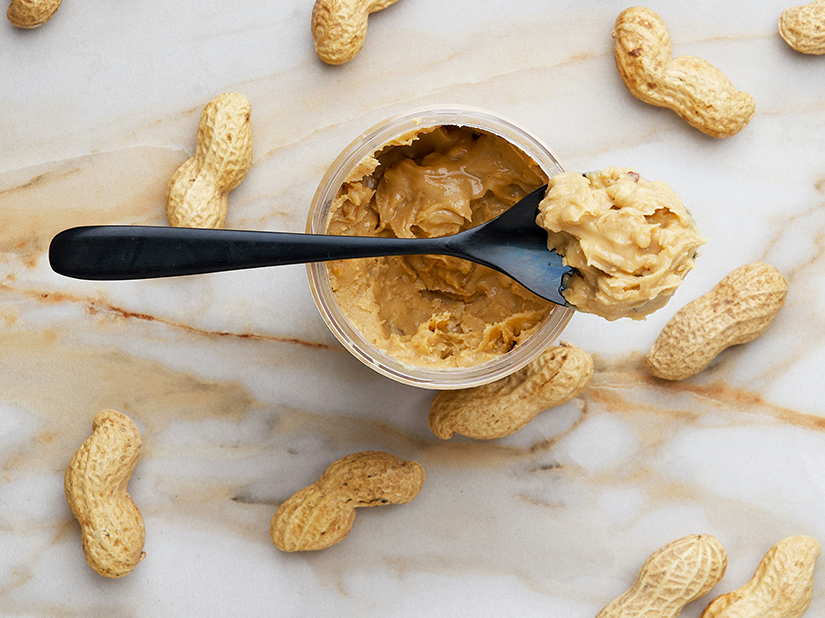
Peanut Butter – The most common and widely consumed type worldwide. Peanuts have an intense, slightly sweet flavor and are relatively inexpensive. They are high in protein and healthy fats, and also provide vitamin E, magnesium, and potassium.
Almond Butter – Highly valued by health-conscious individuals. Almonds are rich in monounsaturated fats, vitamin E, calcium, and magnesium. They have a delicate, slightly sweet flavor and are perfect for healthy desserts.
Cashew Butter – Has a creamy texture and a subtle flavor, less intense than peanut butter. It is a source of healthy fats, protein, as well as B vitamins and magnesium.
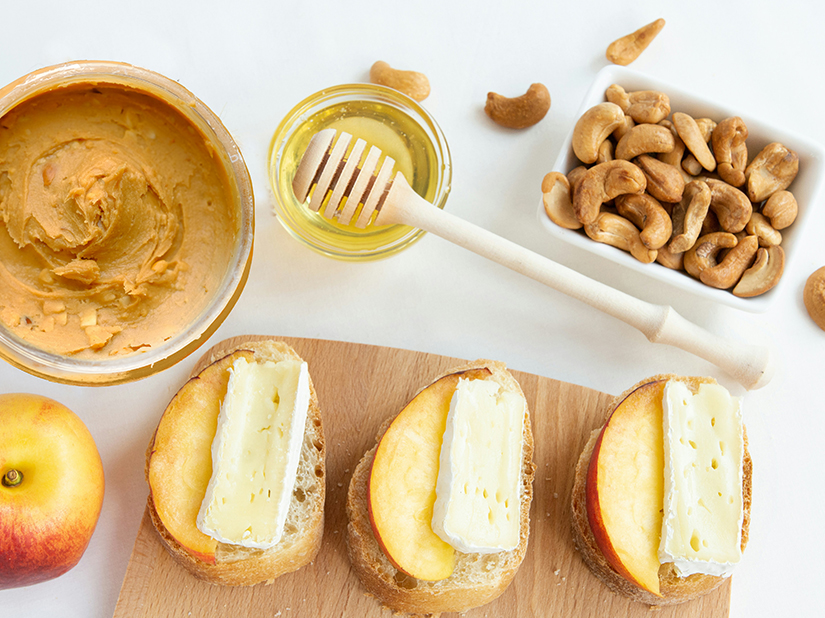
Hazelnut Butter – Popular especially in desserts. It has a rich, deep flavor and is an excellent source of B and E vitamins, as well as healthy fats.
Walnut Butter – Very healthy, rich in omega-3 fatty acids. It has an intense flavor but is less popular due to its higher price and more pronounced, sometimes slightly bitter taste.
Pistachio Butter – Rare but very tasty. Pistachios have a unique, slightly sweet flavor and are rich in antioxidants and B vitamins.
How is peanut butter made?
The process of making peanut butter is relatively simple, although different methods can affect the final quality and flavor of the product. Here is a general production outline:
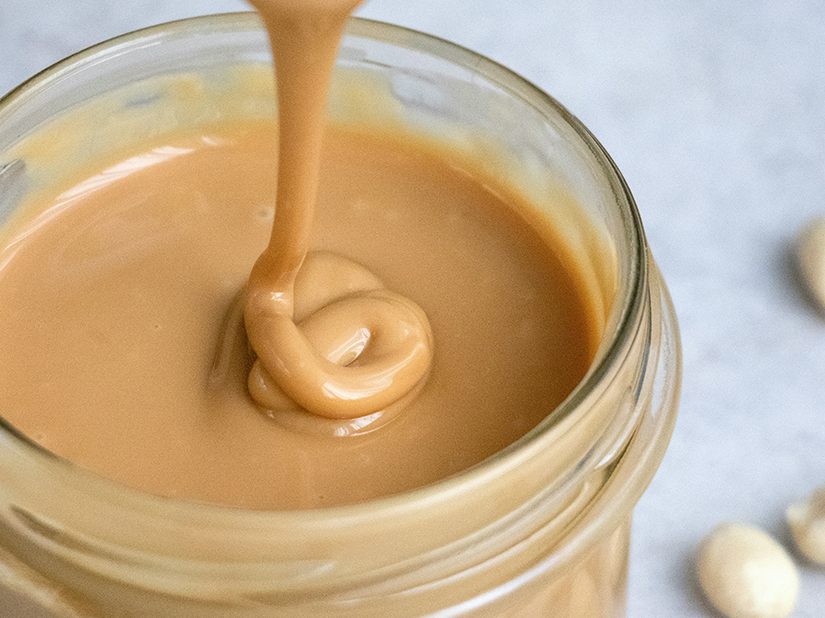
Selection of Nuts – Selected nuts must be fresh, undamaged, and of high quality. In mass production, advanced sorting techniques are used to ensure a uniform product.
Roasting – Nuts are roasted in ovens or roasters to enhance their flavor. Roasting gives nuts a deep, rich taste and helps release natural oils, making them easier to blend.
Cooling – After roasting, nuts must be cooled to facilitate grinding and prevent overheating in later production stages.
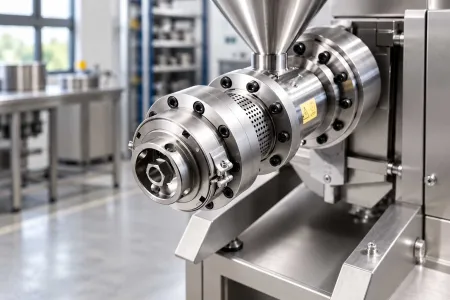
Grinding – Roasted nuts are ground into a paste using specialized machines. At this stage, other ingredients such as salt, sugar, honey, or oil may be added, depending on the desired flavor and consistency. In home production, additional fats are usually unnecessary, as nuts already contain enough natural oils.
Homogenization – In larger production facilities, homogenizers are used to achieve a smooth, creamy consistency.
Packaging – The finished nut butter is packaged into jars or other containers and then prepared for distribution.
Nutritional Properties of Peanut Butter
Peanut butter is not only a tasty addition but also a rich source of valuable nutrients:
Protein – Peanut butter, especially from peanuts, is a good source of plant-based protein, making it popular among vegetarians and vegans.
Healthy Fats – Nut butters contain mostly monounsaturated and polyunsaturated fats, which help maintain healthy cholesterol levels and support cardiovascular health.
Vitamins and Minerals – It provides B vitamins, vitamin E, magnesium, zinc, and potassium. These nutrients are essential for nervous system health, skin and hair care, and overall proper body function.
Comparison of Peanut Butter and Chocolate Spread
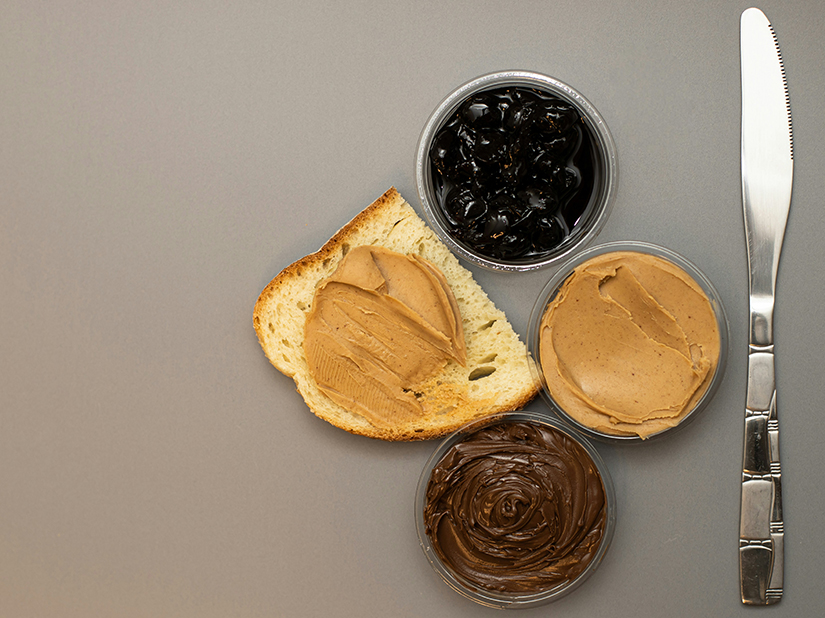
Although both peanut butter and chocolate spreads (e.g., Nutella) are very popular, they differ significantly in nutritional value and health benefits.
Advantages of Peanut Butter:
- Protein – Peanut butter is rich in plant-based protein, making it an excellent choice for physically active people and those following a healthy diet.
- Healthy Fats – Compared to chocolate spread, peanut butter contains significantly more monounsaturated fats, which benefit heart health.
- Low Sugar – Peanut butter, especially natural varieties, contains little to no added sugar.
Disadvantages of Peanut Butter:
- Calorie Content – Peanut butter is high in calories, which can contribute to weight gain if consumed in excess.
- Allergenicity – Nuts, particularly peanuts, are strong allergens and may cause allergic reactions in some individuals.
- Advantages of Chocolate Spread:
- Taste – Chocolate spread has an intense, sweet flavor, making it a perfect addition to desserts, pancakes, or toast.
- Easy to Eat – Widely loved by children, it can serve as a quick and tasty breakfast.
Disadvantages of Chocolate Spread:
- High Sugar Content – Chocolate spreads, like Nutella, contain a lot of sugar, which can lead to obesity, tooth decay, and other health issues if consumed excessively.
- Saturated Fats – Contains more unhealthy saturated fats, which may negatively impact heart health when eaten in excess.
- Fewer Nutrients – Compared to peanut butter, chocolate spread has less protein, healthy fats, and other nutrients.
How to Store Peanut Butter and Shelf Life:
After opening, the shelf life of peanut butter depends on its type and storage conditions:
Natural Peanut Butter (without preservatives):
- In the fridge: About 3–6 months. Since it contains no preservatives, the oil may separate, so keep it in a cool place.
- At room temperature: Up to 1 month if stored in a dry, cool, and dark location.
Peanut Butter with Stabilizers (e.g., sugar, salt, vegetable oil):
- In the fridge: Up to 6–9 months after opening. Stabilizers help extend shelf life.
- At room temperature: Up to 3 months if stored in a tightly sealed jar, away from sunlight and heat.
Always check for changes in smell, taste, or texture, which may indicate spoilage.
Proven Recipes Using Peanut Butter:
1. Peanut Butter and Banana Smoothie
This smoothie is a perfect option for a nutritious breakfast or a healthy post-workout snack. Peanut butter adds creaminess and protein.
Ingredients:
- 1 ripe banana
- 1 tablespoon peanut butter
- 1 cup plant-based milk (almond, coconut, etc.) or regular milk
- 1 teaspoon cocoa powder (optional, for chocolate flavor)
- 1 teaspoon honey or maple syrup (optional)
- A handful of ice cubes (optional)
Preparation:
Place all ingredients in a blender.
Blend on high speed until smooth and creamy.
If too thick, add more milk. If you want it sweeter, add honey.
Serve immediately; optionally, top with a sprinkle of cocoa or a banana slice.
2. Peanut Butter and Chocolate Cake
This simple, moist cake with a hint of peanut butter and chocolate is perfect for an afternoon treat or a sweet snack for guests.
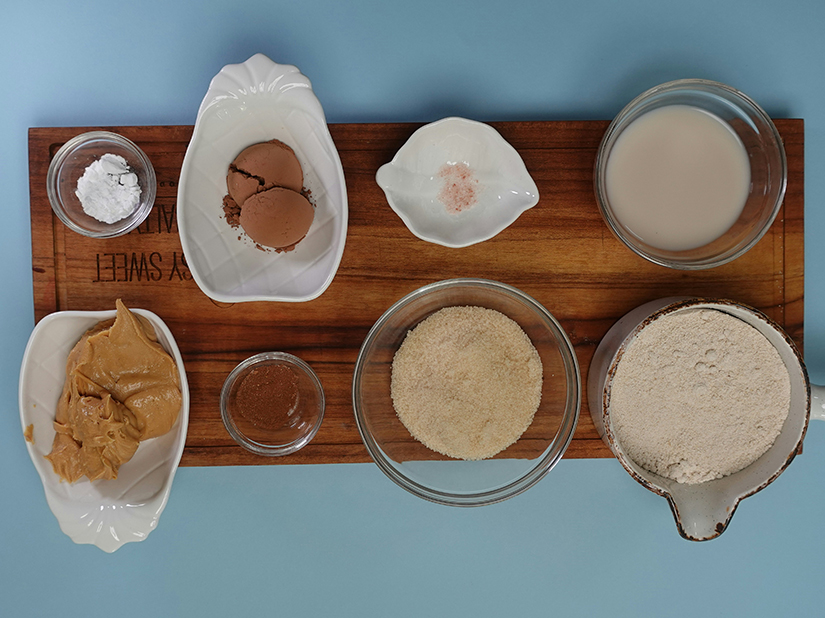
Ingredients:
- 1 cup all-purpose flour
- ½ cup peanut butter
- ½ cup sugar (you can use brown sugar or xylitol)
- 2 eggs
- 100 g dark chocolate, melted
- 1 teaspoon baking powder
- 1 teaspoon vanilla extract
- ½ cup milk
Preparation:
Preheat the oven to 180°C (350°F) and line a baking pan with parchment paper.
In a bowl, cream together the peanut butter and sugar until light and fluffy.
Add the eggs, melted chocolate, and vanilla, mixing well.
In a separate bowl, combine the flour and baking powder.
Gradually add the dry ingredients to the peanut butter mixture, alternating with milk, mixing until smooth and uniform.
Pour the batter into the prepared pan and bake for about 30–35 minutes, until golden and a toothpick inserted in the center comes out clean.
Let the cake cool before serving, and if desired, drizzle with additional melted chocolate.
3. Surprise: Spicy Peanut Butter Energy Balls
These simple, spicy peanut butter balls make a perfect snack between meals, on the go, or before a workout. Their unique flavor comes from a hint of spice.
Ingredients:
- ½ cup peanut butter (preferably made from peanuts)
- 1 cup rolled oats (can be ground into flour for a smoother texture)
- 2 tablespoons honey or maple syrup
- 1 teaspoon chili powder or cayenne pepper (adjust to taste)
- 1 tablespoon cocoa powder
- 2 tablespoons shredded coconut (optional)
- Pinch of sea salt
Preparation:
In a bowl, mix the peanut butter with honey and cocoa powder until combined.
Add the oats, chili, and salt, mixing until a uniform dough forms. Optionally, mix in coconut.
Form small balls (about the size of a walnut) from the dough.
Place the balls in the fridge for about 30 minutes to firm up.
Serve chilled. They can be stored in the refrigerator for several days.
Top 10 Frequently Asked Questions About Peanut Butter
What nuts are used to make peanut butter?
Peanut butter is most commonly made from peanuts, but it can also be made from almonds, cashews, hazelnuts, walnuts, or pistachios. Each nut gives the butter a unique flavor and nutritional profile.
Is peanut butter healthy?
Yes, peanut butter is healthy when consumed in moderation. It’s rich in protein, healthy fats, vitamins (e.g., vitamin E), and minerals (magnesium, potassium). It’s important to choose varieties without added sugar or hydrogenated oils.
Can peanut butter help with weight loss?
Peanut butter can support weight loss because it’s filling and provides healthy fats and protein, which help maintain satiety. However, it is calorie-dense, so portion control is key.
Does peanut butter contain gluten?
Natural peanut butter is naturally gluten-free. Some commercial brands may contain trace amounts if processed in facilities that handle gluten-containing products, so check the label.
Can peanut butter cause allergies?
Yes, peanut butter—especially from peanuts—is a common allergen. People allergic to peanuts should avoid it. Allergies may also occur with other nuts, such as almonds or cashews.
How long can peanut butter be stored after opening?
Natural peanut butter (without preservatives) can be stored in the fridge for 3–6 months.
Peanut butter with stabilizers (e.g., sugar) can last about 3 months at room temperature, and 6–9 months in the fridge.
Is peanut butter vegan?
Yes, most peanut butter is vegan as it contains only nuts and sometimes salt. Some commercial versions may contain honey or other animal-derived ingredients, so check labels.
Is peanut butter good for building muscle?
Yes, peanut butter is popular among people building muscle because it’s rich in protein, healthy fats, and calories. It provides energy and supports post-workout recovery.
What types of peanut butter exist?
Smooth – creamy and uniform texture
Crunchy – creamy with nut pieces
Natural – without added sugar, salt, or oils
Sweetened – with sugar, honey, or syrup
How to make homemade peanut butter?
Roast nuts (e.g., peanuts), then grind them in a blender until smooth. Optionally, add a pinch of salt, a bit of honey for flavor, or a small amount of oil if the butter is too dry.