
Table of Contents
- Why Seed Preparation Matters More Than Choosing the Right Press
- Seed Moisture - The Most Important Parameter That Many Overlook
- The Role of Husk in the Oil Pressing Process
- Oil Content in Seeds - What Actually Affects Yield
- Raw Material Temperature Before Pressing - An Underappreciated Factor
- Practical Step-by-Step Seed Preparation Guide
- Most Common Mistakes in Raw Material Preparation
- How Raw Material Parameters Affect Oil Quality and Shelf Life
- Raw Material Seasonality and Oil Production Planning
- Frequently Asked Questions
- Conclusion - Three Parameters That Determine Success
Anyone who has ever tried to press oil from seeds quickly learns that owning a press is only half the battle. The other half lies in what goes into the hopper. Seeds may look identical, smell the same, and come from the same field, yet one batch will yield abundant, golden oil while another clogs the nozzle and leaves half the fat in the press cake. The difference comes down to raw material parameters - moisture content, husk condition, and actual oil content. These three variables determine pressing efficiency, oil shelf life, and the longevity of the equipment itself. This article explains how to identify, measure, and correct them before seeds enter the press.
Why Seed Preparation Matters More Than Choosing the Right Press
Many beginning oil makers focus exclusively on equipment selection. They analyze motor power, hourly throughput, and screw diameter - and rightly so, because these are important specifications. The problem arises when even the best press receives raw material that fails to meet basic quality criteria. Seeds that are too moist cause slippage on the screw, seeds that are too dry generate excessive friction and temperature, and husks in the wrong proportion reduce oil yield or contaminate the final product.
Preparing seeds for pressing is a process that begins long before the press is switched on. It includes moisture control after harvest, a decision about hulling or leaving the shell intact, possible pre-heating of the raw material, and assessment of oil content. Each of these stages influences the next - moisture determines the effectiveness of hulling, husk condition affects throughput, and oil content dictates whether pressing is economically viable at all.
It is also worth remembering that raw material parameters change over time. Seeds stored under improper conditions can absorb moisture from the surrounding air, and oilseeds gradually lose some of their fat content due to oxidation. Regular quality control of raw material is not a luxury reserved for professional oil mills - it is a necessity for anyone who wants to achieve consistent oil quality.
Seed Moisture - The Most Important Parameter That Many Overlook
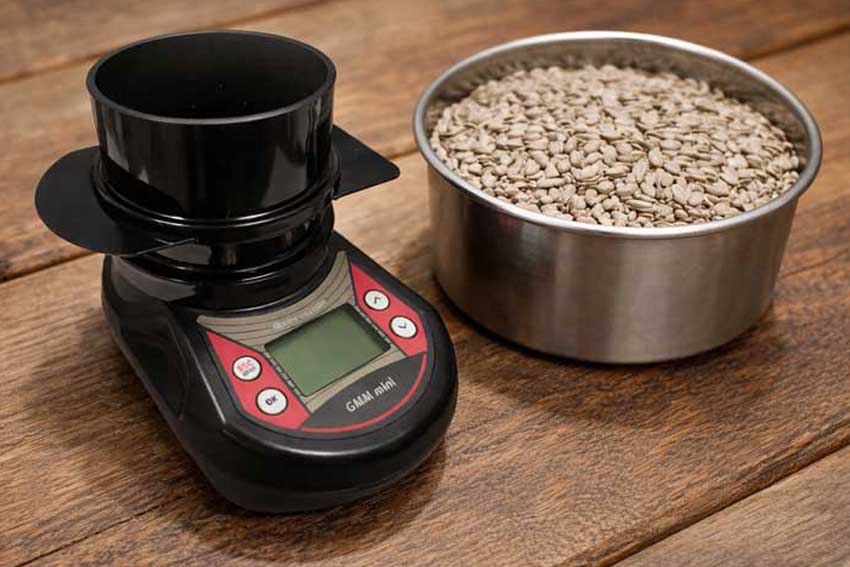
If one had to point to a single parameter that most affects pressing quality, it would be moisture content. Too much moisture makes the oil cloudy, difficult to filter, and prone to rapid rancidity. Too little means excessive friction in the pressing chamber, overheating of the raw material, and the risk of damaging the press's working components. The ideal moisture level is a narrow window - typically between six and eight percent - where the seed behaves like a well-oiled mechanism, releasing fat smoothly and without resistance.
What Residual Seed Moisture Actually Means
Residual moisture is the amount of water remaining in the seed after harvest and drying, expressed as a percentage of mass. This is not water visible to the naked eye - it is water bound within the cellular structures of the seed, affecting tissue plasticity, internal friction, and the ability to release oil under pressure. A seed at ten percent moisture looks dry on the surface, but in the pressing chamber it behaves completely differently from a seed at seven percent moisture.
In oil-making practice, residual moisture is measured using grain moisture meters - devices based on electrical resistance or dielectric capacitance measurement of the sample. The cost of a basic meter is relatively modest, but it pays for itself very quickly by eliminating losses from pressing raw material at the wrong moisture level.
Optimal Moisture for Different Oilseeds
Each seed species has its own moisture optimum, but most oilseeds press best at moisture levels between six and eight percent. Sunflower prefers slightly lower values, around six percent, because its hard husk swells at higher moisture levels and hinders extraction. Rapeseed and flaxseed tolerate moisture closer to eight percent, as their seeds are smaller and more plastic. Sesame performs optimally at seven percent, and black cumin at six to seven percent.
Walnuts and hazelnuts are special cases - due to their high fat content (sometimes exceeding sixty percent), their moisture should be as low as possible, around four to five percent, to avoid forming a paste instead of liquid oil. With nuts, moisture also affects press cake texture - overly wet nuts produce a gummy mass that can block the press outlet nozzle.
How to Dry Seeds Before Pressing
Drying is the simplest and most effective method of moisture correction. In home conditions, spreading seeds in a thin layer on clean trays and leaving them in a dry, well-ventilated room for twenty-four to forty-eight hours works well. Ambient temperature should not exceed forty degrees Celsius to avoid degrading valuable fatty acids before pressing even begins.
Professional oil mills use drum or shelf dryers with temperature and airflow control. The most important principle is this: drying should be gentle and gradual. Subjecting seeds to sudden high temperature causes shell cracking, loss of volatile aromas, and protein denaturation, which translates into poorer oil taste and reduced nutritional value of the press cake.
An interesting option is the use of seed roasters, which besides reducing moisture, give seeds a specific nutty aroma. Roasting changes the cellular structure of seeds, making oil release easier, but requires experience - overly intense roasting produces a bitter aftertaste and darker oil color.
What Happens When Moisture Is Too High
Seeds with moisture exceeding ten percent generate a series of problems during pressing. First, water acts as a lubricant between the screw and the raw material, reducing pressure in the pressing chamber. Instead of being compressed, the seeds simply slide forward without releasing oil. Yield drops by as much as thirty to forty percent compared to optimally dried raw material.
Second, moist oil is cloudy and requires longer sedimentation or additional filtration. The water it contains accelerates hydrolytic processes - enzymes naturally present in the seeds break down triglycerides into free fatty acids, raising oil acidity and shortening its shelf life. Oil pressed from overly wet seeds can go rancid within a few weeks, while oil from properly prepared raw material retains freshness for many months.
Third, excess moisture promotes the growth of mold and fungi in the seeds themselves. If stored raw material exceeds twelve percent moisture, there is a risk of mycotoxin presence - toxic substances that transfer to the oil during pressing and pose a health hazard.
What Happens When Moisture Is Too Low
Over-dried seeds below four percent moisture represent the opposite problem. Dry, hard seeds generate enormous friction in the pressing chamber, leading to temperature increases. Oil that should be cold-pressed and not exceed forty degrees Celsius heats up to sixty or even eighty degrees, losing its most valuable properties - vitamins, antioxidants, and delicate omega-3 fatty acids.
Excessive friction also strains the press mechanism itself. The screw and screen undergo accelerated wear, and the motor works at higher loads, increasing power consumption and the risk of overheating. In extreme cases, over-dried seeds can even jam in the chamber, forcing disassembly and cleaning of the pressing head.
The solution is light re-moistening of the raw material before pressing. Spraying the seeds with a small amount of water, mixing, and letting them rest for several hours while checking moisture with a meter is sufficient. It is important not to overdo it - better to add water in two smaller doses with a check in between than to over-moisten the seeds in one go.
The Role of Husk in the Oil Pressing Process
The husk, or outer seed coat, is the element that sparks the most debate among oil makers. Some insist it must be completely removed, others believe it serves a regulatory function during pressing. The truth, as usual, lies somewhere in between and depends on the type of seeds, the type of press, and the expected oil quality.
The Function of Husk During Pressing
The husk of oilseeds contains no fat - it is primarily fiber and cellulose. However, its presence in the pressing chamber serves an important technological function: it creates additional resistance that increases pressure in the pressing zone. Without the husk, the screw encounters less resistance, which can paradoxically reduce extraction efficiency because the raw material passes through the chamber too quickly without being sufficiently squeezed.
On the other hand, excess husk absorbs oil like a sponge - cellulose fibers bind fat that remains in the press cake instead of going into the bottle. Husk also affects oil color and clarity. Oil pressed from hulled seeds is lighter, milder in taste, and easier to filter. Oil from unhulled seeds has a more intense color, stronger aftertaste, and may contain husk particles that require thorough filtration.
Which Seeds to Hull and Which to Press Whole
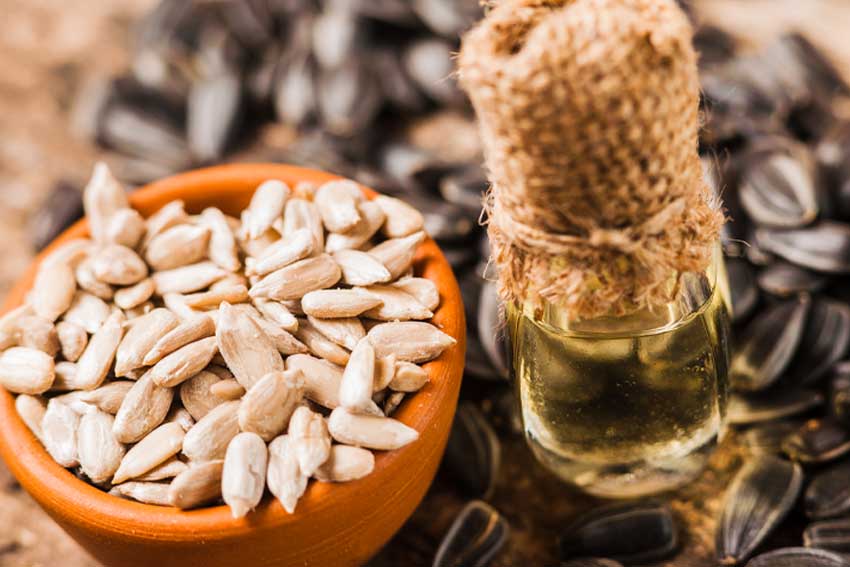
Sunflower is a classic example of seeds that are decidedly better pressed after hulling. Its thick, hard husk accounts for up to forty percent of seed weight and contains virtually no oil. Pressing unhulled sunflower dramatically reduces efficiency - half the material in the pressing chamber is worthless ballast that also accelerates wear on working components.
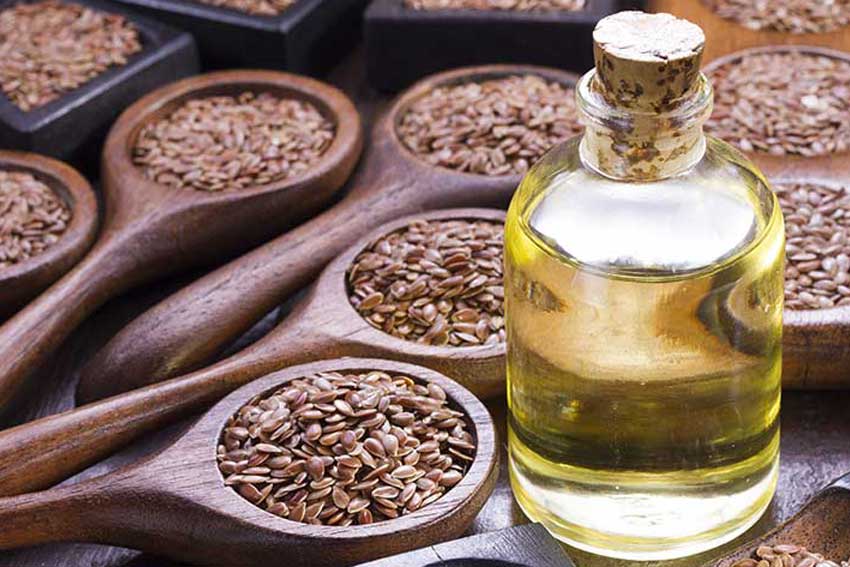
Rapeseed, flaxseed, and sesame have thin, soft coats that pose no significant obstacle during pressing. They can be pressed whole without meaningful yield loss. Moreover, in the case of flaxseed, the husk contains valuable lignans - natural antioxidants that partially transfer to the oil, increasing its health value.
Hemp is an intermediate case. Its husk is relatively hard but accounts for a smaller proportion of mass than sunflower husk. Many oil makers press hemp whole, accepting slightly lower yield in exchange for a simpler process. However, at larger production volumes, hulling hemp pays off, as the difference in oil yield reaches fifteen to twenty percent.
Impact of Husk on Oil Shelf Life and Quality
The presence of husk fragments in pressed oil is not just an aesthetic issue. Cellulose particles provide a substrate for microorganisms and accelerate fat oxidation. Oil from unhulled seeds has a shorter shelf life unless it is carefully filtered and transferred to sealed, dark bottles.
Conversely, husk contains naturally occurring waxes and resins that in small amounts can serve a protective role - they form a thin layer on the oil surface, limiting contact with oxygen. This is why traditional, unrefined oils pressed from unhulled seeds can be surprisingly stable, despite seemingly worse production conditions.
The key is understanding the specific raw material and adapting the process to expectations. If the priority is maximum yield and oil clarity - seeds should be hulled. If a full flavor profile and the presence of natural antioxidants are desired - pressing with the husk has its justification.
Oil Content in Seeds - What Actually Affects Yield
The third fundamental parameter is the oil content of the raw material, expressed as a percentage of dry mass. This value determines how much oil can be obtained at all, regardless of press quality and preparation precision. Seeds with low fat content may simply not be economically viable for pressing, even if the oil itself is valuable.
Oil Content in Popular Seeds Available in Europe
The differences between species are enormous. Walnuts and hazelnuts are true record holders - their oil content exceeds sixty percent of dry mass. Oilseed sunflower runs at about forty to fifty percent, with high-oleic varieties having higher values. Rapeseed is thirty-eight to forty-five percent, flaxseed thirty-five to forty-five percent, sesame forty-four to fifty-two percent, and hemp twenty-five to thirty-five percent.
Black cumin contains about thirty to forty percent oil, poppy seed forty to fifty percent, pumpkin thirty to forty percent, and milk thistle twenty to thirty percent. It is worth remembering that these are ranges - the specific content depends on the variety, growing conditions, soil fertility, and weather patterns during the given season.
What Determines the Actual Oil Content in Seeds
Variety genetics is the starting point - high-oleic sunflower contains more fat than feed varieties. But even within a single variety, differences can be significant. Soil rich in phosphorus and potassium promotes oil accumulation in seeds. Drought during the maturation period usually increases fat concentration at the expense of seed mass, while excess rainfall has the opposite effect - seeds are larger but more watery and oil-poor.
Harvest timing is of key importance. Seeds harvested too early have not fully accumulated their fat. Too late a harvest means the risk of seed shattering, mechanical damage, and the onset of oxidation processes while still in the field. The optimal moment is when the plant is physiologically mature and the seeds have reached maximum dry matter content.
How to Estimate Oil Content Without a Laboratory
Professional oil content determination requires Soxhlet extraction apparatus or NMR devices. In home oil mill conditions, such testing is impractical, but simpler methods exist for rough assessment. The simplest is a pressing test - pressing a few hundred grams of seeds and weighing the oil obtained provides approximate information about real yield.
Another method is the crush test - crushing several seeds between the fingers and assessing oiliness. Seeds rich in oil leave a distinct, greasy mark on paper, while those poor in fat produce virtually no stain. This is an approximate method but surprisingly effective when comparing batches of the same raw material.
It is also worth using information available from seed suppliers. Reputable producers provide oil content figures on quality certificates, and this data is often updated with each batch. Investing in certified seeds with confirmed fat content quickly pays off in higher oil yield.
Raw Material Temperature Before Pressing - An Underappreciated Factor
Besides moisture, husk, and oil content, there is a fourth parameter that is rarely discussed but can dramatically change pressing results - the temperature of the seeds themselves at the moment they are fed into the press. Cold seeds stored in an unheated warehouse in winter behave completely differently than the same seeds at room temperature.
Why Seed Temperature Matters
Oil contained in seed cells changes its viscosity depending on temperature. At low temperatures, it becomes thicker and struggles to escape from ruptured cells. It is like trying to pour honey from the refrigerator - theoretically it is liquid, but in practice it barely moves. Seeds fed into the press at five degrees Celsius can yield as much as twenty percent less oil than the same seeds at twenty-five degrees.
For this reason, professional oil mills heat raw material before pressing to twenty to thirty-five degrees Celsius. This is still cold pressing - the definition refers to the oil temperature at the outlet, not the seed temperature at the inlet - but the difference in yield is significant. Heating also softens the cellular structure, facilitating mechanical extraction.
Modern presses, such as the Hot & Cold Oil Press - 25 kg/h offered by Pure Oil Press, feature built-in head heating integrated with digital temperature monitoring. This means thermal control of the process happens automatically - the user sets the desired temperature, and the press maintains it throughout the entire pressing cycle. This solution eliminates the need for separate seed pre-heating and guarantees consistent oil quality even in unheated environments.
Hot & Cold Oil Press - 25 kg/h - A Tool That Compensates for Raw Material Imperfections
It is worth taking a closer look at the PTOW 500s press with a capacity of up to 25 kg of raw material per hour, because this machine was designed with flexibility toward various raw material parameters in mind. All components in contact with the material are made from hardened medical-grade stainless steel, meaning they can be washed in a dishwasher - an important advantage when frequently switching between raw materials of different moisture levels and oil content.
Stepless screw speed regulation allows pressing tempo to be adjusted to the specific seed. Moister raw material requires slower passage through the chamber to have time to release oil, while dry, easily pressed seeds can be processed faster, increasing hourly output. Six interchangeable compression nozzles of different diameters enable pressure regulation depending on husk hardness and seed plasticity.
The press weighs just sixty-eight kilograms with dimensions of eighty-seven by thirty-three by fifty-five centimeters, making it a compact solution for both stationary oil mills and mobile pressing at markets or agritourism farms. Motor power is just one and a half kilowatts on a two-hundred-thirty-volt supply, and the direct drive with special gearing ensures low power consumption and quiet operation.
The unit is priced at EUR 7,715 gross, and order fulfillment takes seven days. The set includes the press with a complete pressing assembly, a stainless steel hopper with intervention protection, six compression nozzles, a mounting tool, and an operating manual. This is an investment that pays off quickly with regular oil production - especially when the producer handles over one hundred seed types, from popular sunflower and rapeseed to exotic moringa, jojoba, or baobab seeds.
Practical Step-by-Step Seed Preparation Guide
Theory without practice remains dead letter. Below is a proven raw material preparation scheme that works for both small home batches and production at the scale of several dozen liters of oil per day.
Receiving and Initial Raw Material Assessment
Before seeds enter the warehouse, they should undergo a basic quality evaluation. Visual inspection checks the cleanliness of the batch - the presence of stones, plant fragments, weed seeds, or metallic contaminants. Mechanical impurities are not just a matter of oil quality but also press safety - even a small stone can damage the screw or screen.
Next, a sample is taken for moisture measurement. A few grams of seeds placed in a moisture meter are enough to obtain a result accurate to half a percent. If moisture exceeds eight percent, the seeds require drying before storage. If it falls within the six to eight percent range, they can be stored or processed immediately.
Cleaning and Sorting Seeds
Professional oil mills use screen separators, aspirators, and magnetic metal separators. In home conditions, sifting seeds through a screen of appropriate mesh size and manually removing visible contaminants is sufficient. It is also worth inspecting the batch for mold-affected seeds - they have characteristic discolorations, an unpleasant odor, and pose a mycotoxin risk.
Sorting also has an economic dimension. Broken, immature, or pest-damaged seeds have lower oil content and poorer fat quality. Removing them before pressing raises the average yield from the batch and improves the sensory profile of the oil.
Drying or Moisture Conditioning
If seeds require moisture correction, the next step is drying. For small batches, the natural method works best - spreading seeds in a thin layer on clean trays in a dry, warm room. For larger quantities, a dryer with temperature control is worth considering.
The key principles of drying are: temperature no higher than forty degrees Celsius for cold-pressed oil, regular stirring of the seed layer every few hours, moisture checks every four to six hours, and stopping the drying process immediately upon reaching the target value. Over-drying is just as detrimental as under-drying.
The Hulling Decision
Not every seed requires hulling, but it is worth making a conscious decision. Sunflower - definitely hull. Sesame, flax, rapeseed - press whole. Hemp - depends on production scale and huller availability. Pumpkin - the husk is thin enough that it usually does not cause problems. Walnut - typically purchased already shelled.
If hulling is chosen, it is important to set the huller in a way that minimizes kernel damage. Cracked, crushed seeds lose oil before pressing even begins - it oxidizes on the surface and never reaches the press. Well-hulled seeds retain their intact cellular structure until the moment of pressing.
Raw Material Temperature Control
Before pouring seeds into the hopper, check their temperature. If the raw material is cool - below fifteen degrees - it is worth warming it. The simplest approach is storing the seeds in a heated room for twelve to twenty-four hours before planned pressing. An alternative is using a roaster to gently warm the raw material without full roasting.
Remember that a press with head heating, such as the mentioned twenty-five kilogram per hour press, partially compensates for low raw material temperature, but does not fully replace optimal preparation. Warm seeds plus a heated head is the combination that guarantees the highest yield while maintaining cold-pressing standards.
Test Pressing and Parameter Correction
Before actual production, perform a test pressing on a small amount of raw material - a few hundred grams to one kilogram. Assess the color and clarity of the oil, the consistency of the press cake, the temperature at the press outlet, and the overall smoothness of the process. If the oil is cloudy - the seeds are probably too wet. If the press cake is greasy and sticky - the pressure is too low or the moisture is too low. If the press operates heavily and loudly - the raw material is too dry or the husk is too hard.
Based on the test, adjust the parameters: change the compression nozzle, regulate the screw speed, possibly re-moisten or further dry the raw material. This is an iterative process that becomes intuitive over time, but initially requires patience and a systematic approach.
Most Common Mistakes in Raw Material Preparation
Experience shows that certain mistakes repeat with striking regularity, regardless of production scale and operator experience. Awareness of these pitfalls allows avoiding them before they cause real losses.
Failing to Check Moisture After Extended Storage
Seeds stored for several months change their moisture depending on storage conditions. Hygroscopic seeds such as flaxseed or sesame can absorb several percent moisture from the surroundings, even if they were properly dried after harvest. Measuring moisture just before pressing, not just upon delivery, is a fundamental principle that eliminates many disappointments.
Mixing Batches of Different Moisture Levels
Combining dry seeds with freshly harvested, moist raw material in a single pressing batch is a recipe for inconsistent oil quality. A press set to the parameters of drier seeds will not handle the wet portions and vice versa. Each batch with significantly different moisture should be pressed separately or its moisture equalized beforehand through mixing and conditioning.
Ignoring Ambient Temperature
Pressing in a cold garage in January without pre-heating the raw material is one of the most common causes of low yield. Oil in seed cells is thick, the press works at its load limit, and output drops dramatically. Simply transferring seeds to a heated room overnight before pressing can increase yield by fifteen to twenty percent at no additional cost.
Pressing Seeds With Visible Signs of Spoilage
Seeds with discolorations, a musty smell, or visible mold are not suitable for pressing edible oil. Even a small admixture of spoiled seeds ruins the taste and aroma of the entire oil batch while raising acidity and reducing shelf life. The rule is simple - if you would not eat the seed, do not press oil from it that you intend to consume.
How Raw Material Parameters Affect Oil Quality and Shelf Life
Seed parameters do not end their influence at the moment of pressing. They affect the entire quality chain - from taste and aroma, through fatty acid profile, to the shelf life of the final product.
Moisture and Oil Shelf Life
Oil pressed from seeds at optimal moisture has low acidity, low free water content, and a long shelf life. Each percent of excess moisture in the raw material translates to a reduction in oil shelf life by several weeks. This is why professional oil mills maintain detailed moisture documentation for each batch of raw material - it allows forecasting oil shelf life and planning distribution accordingly.
Husk and Sensory Profile
Oil pressed from hulled seeds is typically more delicate, lighter, and more neutral in taste. This is an advantage for culinary applications requiring mild oil - dressings, dips, cosmetics. Oil from unhulled seeds has a pronounced character - stronger taste, darker color, more intense aroma. This is an advantage for premium products where depth of flavor and originality are sought.
Oil Content and Production Economics
With fixed costs of energy, labor, and press depreciation, the oil content of the raw material determines the cost of producing one liter. Pressing sunflower with forty-five percent oil content is thirty percent more profitable than pressing a variety with thirty-five percent - with identical time and energy expenditure, nearly one-third more oil is obtained. This is why investing in a high-oil seed variety pays off much faster than saving on cheaper but leaner raw material.
Raw Material Seasonality and Oil Production Planning
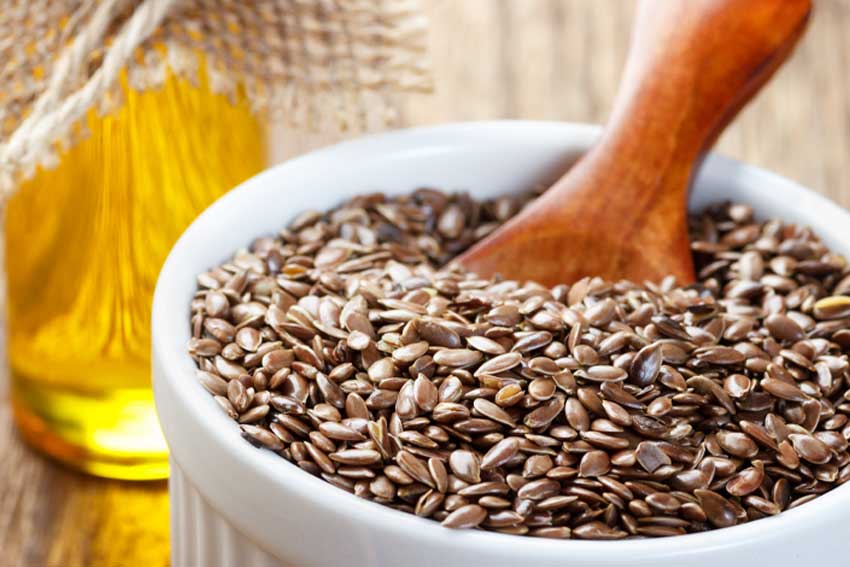
In the European climate, the availability of fresh oilseed raw material follows a clear seasonal pattern. Rapeseed is harvested in July and August, sunflower in August and September, flaxseed in August, hemp in September, and pumpkin in October. Walnuts and hazelnuts ripen from September to October. Black cumin and milk thistle are typically harvested in late summer.
The optimal time for pressing is the period from a few weeks to a few months after harvest - when the seeds are properly dried but have not yet lost their freshness. Pressing from raw material stored longer than one year is possible but requires particular attention to moisture and signs of oxidation. Fresh seeds simply produce better oil - more aromatic, lighter, and more stable.
A good practice is planning raw material purchases for the entire year, taking into account storage capacity and conditions. Oilseeds are best stored in a cool, dry, dark, and well-ventilated place, in breathable bags or containers with air access. Plastic, tightly sealed containers promote moisture condensation and mold growth.
Frequently Asked Questions
What should the optimal seed moisture be for cold-pressed oil?
The optimal residual moisture for most oilseeds falls between six and eight percent. This is the level at which seeds maintain the plasticity needed for effective oil release under pressure, yet do not contain excess water that would cloud the oil and shorten its shelf life. Sunflower presses best at six percent, flaxseed and rapeseed at seven to eight percent, and nuts at four to five percent. It is worth investing in a grain moisture meter and checking the parameter immediately before each pressing session, as moisture changes during storage.
Do sunflower seeds need to be hulled before oil pressing?
Definitely yes. Sunflower husk accounts for up to forty percent of seed weight and contains no oil. Pressing unhulled sunflower drastically reduces yield - half the material in the pressing chamber is worthless ballast. Additionally, the hard husk accelerates wear on press working components and reduces the clarity of the obtained oil. Investing in a sunflower huller or purchasing already hulled seeds is one of the fastest-returning decisions in oil making.
How can seed moisture be checked under home conditions?
The simplest and most accurate method is using a grain moisture meter - the cost of a basic device is relatively modest. An alternative is the weight method: weigh a seed sample, dry it in an oven at one hundred and five degrees Celsius for two hours, re-weigh it, and calculate the percentage difference. An even simpler, though less precise, method is organoleptic assessment - properly dried seeds are hard, break with a characteristic snap, and do not yield under fingernail pressure.
Why is my oil cloudy right after pressing?
Cloudiness in freshly pressed oil is a natural phenomenon caused by the presence of fine particles of pulp, husk, and water emulsified in the fat. However, excessive cloudiness that does not clear after several days of sedimentation usually indicates raw material moisture that was too high. Water contained in the seeds transfers to the oil and forms a stable emulsion resistant to ordinary filtration. The solution is more thorough seed drying before pressing and longer oil sedimentation in settling tanks before bottling.
Does seed temperature before pressing affect oil quality?
Yes, and significantly. Cold seeds stored at temperatures below ten degrees Celsius yield as much as twenty percent less oil than the same seeds at room temperature. Oil in seed cells is thicker at low temperatures and struggles to escape under pressure. The optimal raw material temperature before pressing is twenty to thirty-five degrees Celsius. It is worth storing seeds in a heated room for twelve to twenty-four hours before planned pressing or using a press with built-in head heating.
How much oil can I realistically obtain from one kilogram of seeds?
Actual oil yield depends on the seed species, their quality, and pressing parameters. With well-prepared raw material and a professional screw press, twenty-five to forty percent oil by weight of the raw material can be obtained. This means that from one kilogram of sunflower, approximately three hundred to four hundred milliliters of oil are produced, from flaxseed three hundred to three hundred fifty milliliters, and from walnuts as much as five hundred milliliters. The remaining mass is press cake - a valuable byproduct used as animal feed, a baking additive, or fertilizer.
How long can oilseeds be stored before pressing?
Under proper storage conditions - temperature below fifteen degrees Celsius, relative air humidity below sixty percent, no light exposure - most oilseeds maintain full quality for twelve to eighteen months. Flaxseed and hemp, due to their high omega-3 fatty acid content, are more prone to oxidation and are best pressed within six to nine months of harvest. Walnuts and hazelnuts should ideally be processed as soon as possible after harvest, within three to six months at most. Regular monitoring of moisture and organoleptic condition of stored raw material is essential.
Conclusion - Three Parameters That Determine Success
Preparing seeds for pressing is not complicated science, but it does require a conscious approach and a few simple control habits. Moisture in the six to eight percent range, a deliberate decision about hulling or pressing with the husk, and knowledge of oil content in the specific batch of raw material - these are the three pillars on which effective oil production rests.
By adding raw material temperature control, honest assessment of seed cleanliness, and systematic test pressings, you gain a recipe for consistent, high-quality oil - regardless of whether you press ten liters per month for personal use or one hundred liters per week for sale. And the right press, equipped with speed regulation, interchangeable nozzles, and head heating, becomes a partner that extracts everything best from properly prepared raw material.