
Table of Contents
In a world full of processed products and artificial additives, returning to natural food production methods has become not just a trend, but a necessity. The philosophy of pure oil pressing embodies the essence of what real food should be – natural, unprocessed, and full of nutritional value. This approach, which combines traditional knowledge with modern understanding of health, gives us the opportunity to control what ends up on our plates.
The History of Oil Pressing – A Tradition as Old as Time
Cold pressing is one of the oldest methods of food processing known to humanity. Ancient Egyptians, Greeks, and Romans already used presses to extract oils from seeds and fruits. In those times, there were no chemical solvents or high-temperature refining processes – the only method was mechanical pressing.
Archaeologists have discovered olive oil presses dating back over 6,000 years. These ancient devices, though simple in construction, were highly effective. They used mechanical force to break plant cells and release valuable oil.
Traditional pressing methods have been preserved in many regions of the world. In Provence, old olive mills still produce extra virgin olive oil exactly as they did hundreds of years ago. Similarly, in Poland, cold-pressed flaxseed oil was a staple fat in the kitchens of our ancestors.
The Evolution of Pressing Methods Through the Centuries
Over the centuries, oil pressing techniques evolved, but the basic principle remained unchanged. The first presses were powered by human or animal strength. Later, hydraulic presses were developed, followed by pneumatic presses, which significantly increased efficiency.
The Industrial Revolution brought changes that were not always beneficial to the quality of oil. The introduction of high temperatures and chemical solvents allowed for higher yields, but at the cost of nutritional value and flavor.
.png)
What Is Pure Cold-Pressed Oil?
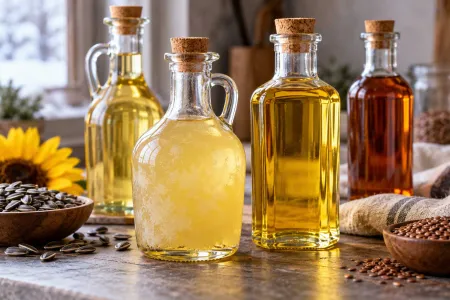
Cold-pressed oil is a product obtained solely through mechanical means, without the use of high temperatures (below 40°C) or chemical solvents. This process preserves all the natural properties of the raw material, including:
Unsaturated fatty acids: omega-3, omega-6, and omega-9
Fat-soluble vitamins: A, D, E, and K
Natural antioxidants: such as vitamin E and polyphenols
Phytoestrogens and other bioactive compounds
Natural taste and aroma characteristic of the specific plant
Natural taste and aroma characteristic of the plant
The Difference Between Cold and Hot Pressing
During hot pressing, temperatures can rise up to 200°C, which significantly increases the yield – more oil can be extracted from the same raw material. However, high temperatures:
destroy sensitive vitamins and antioxidants
oxidize unsaturated fatty acids
alter the molecular structure of the oil
eliminate the natural taste and aroma
Cold pressing is a much slower and less efficient process, but it preserves all the valuable components. It’s like the difference between freshly squeezed orange juice and juice from concentrate – the former retains all the vitamins and flavor, while the latter is a processed product.
Benefits of Home Oil Pressing
Investing in a home oil press is an investment in your family’s health. Here are the main advantages of producing your own oil:
Full Control Over Quality
When pressing oil at home, you have 100% certainty about its composition. You know exactly which seeds were used, how they were stored, and that no chemical additives were involved. This is especially important today, when even oils labeled “natural” can contain unwanted substances.
Guaranteed Freshness
Freshly pressed oil has much better taste and nutritional properties than store-bought products. Commercial oils often sit on shelves for months, while home-pressed oil can be made on demand.
Financial Savings
Although the initial investment in a press may seem high, the long-term savings are significant. High-quality cold-pressed oils cost 20–50 PLN per liter in stores, whereas home pressing costs are mostly limited to the raw material.
Variety of Flavors
With a home press, you can experiment with different seeds and nuts, creating unique flavor blends. Sunflower, flaxseed, rapeseed, and even pumpkin seed oils – the possibilities are endless.
Best Raw Materials for Home Pressing
Traditional Oilseeds
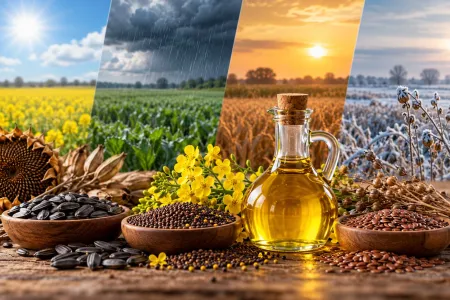
Sunflower seeds are probably the most commonly used raw material for home pressing. They are widely available, relatively inexpensive, and efficient to press. Cold-pressed sunflower oil has a delicate flavor and a high content of vitamin E.
.png)
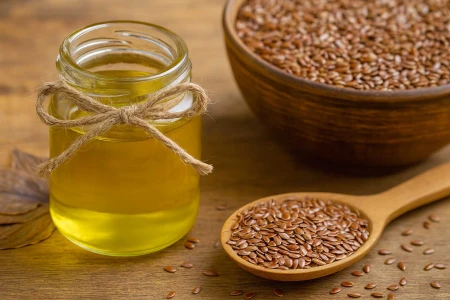
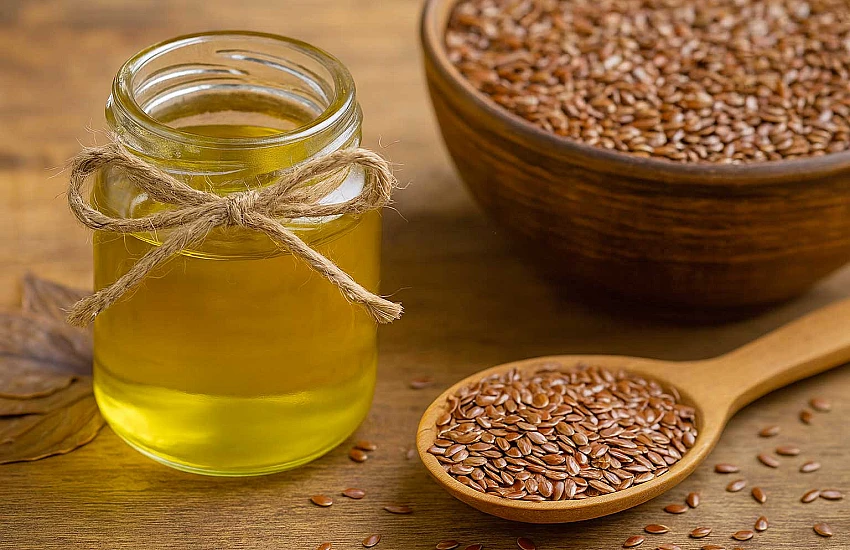
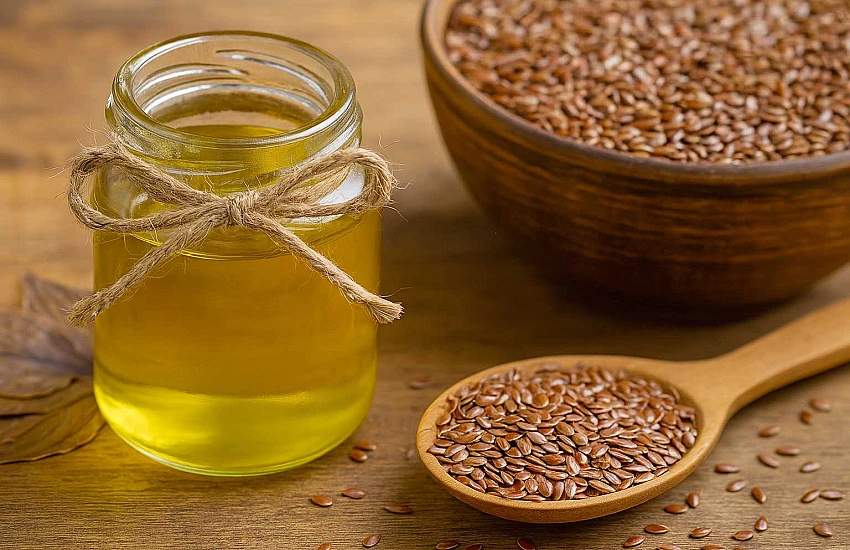
Flax produces oil exceptionally rich in omega-3 fatty acids. Flaxseed oil should be consumed fresh, ideally within a few weeks of pressing. It has a characteristic nutty flavor and is perfect for salads.
Rapeseed – Balanced and Versatile
Rapeseed yields oil with a well-balanced fatty acid profile. Rapeseed oil has a neutral taste and is suitable both for cooking and for use in salads.
Specialty Seeds and Nuts
Pumpkin seeds produce oil with a deep green color and nutty flavor. Rich in zinc and other minerals, it’s particularly beneficial for men.
Nigella seeds (black cumin) give oil with unique medicinal properties. Primarily used as a dietary supplement, not for cooking.
Walnuts produce aromatic oil ideal for finishing dishes and salads. Its intense flavor means it should be used sparingly.
Sesame provides oil with a characteristic, oriental taste. Sesame oil is a staple of Asian cuisine and has long shelf life.
Exotic Alternatives
Chia seeds, hemp seeds, and apricot kernels are just a few of the less common but highly valuable raw materials. Each has unique nutritional and flavor properties.
Health Benefits of Pure Cold-Pressed Oils
Omega Fatty Acids
Natural cold-pressed oils are the best source of essential unsaturated fatty acids (EFAs). The human body cannot synthesize them, so they must come from the diet.
Omega-3 (found in flax, chia, and hemp oils) have anti-inflammatory properties and support brain and cardiovascular health. Deficiencies are linked to depression, concentration issues, and chronic diseases.
Omega-6 (in sunflower, sesame, and pumpkin seed oils) are important for skin, vision, and hormonal functions. Excess omega-6 relative to omega-3 can promote inflammation.
Omega-9 (in rapeseed and nut oils) positively affect cholesterol levels and cardiovascular function.
Fat-Soluble Vitamins
Vitamin E is a natural antioxidant protecting oil from rancidity. Cold-pressed oils naturally contain high levels, with anti-aging effects and cellular protection.
Vitamin K is mainly in green seed oils. It’s essential for proper blood clotting and bone health.
Beta-carotene (vitamin A precursor) gives some oils yellow or orange color and supports eye health.
Bioactive Compounds
Phytoestrogens in flax oil may alleviate menopausal symptoms and support women’s hormonal health.
Lignans have antioxidant and anticancer properties, mainly found in flax and sesame oils.
Squalene in amaranth oil aids skin regeneration and has anti-inflammatory properties.
How to Choose the Right Oil Press
Key Parameters
Throughput: measured in kg of raw material per hour. For home use, 2–8 kg/h is sufficient.
Motor power: affects the ability to process harder seeds and nuts.
Construction materials: should be high quality – stainless steel or cast iron. Avoid aluminum parts that may react with oil.
Cooling system: maintains low temperature during pressing, crucial for preserving oil properties.
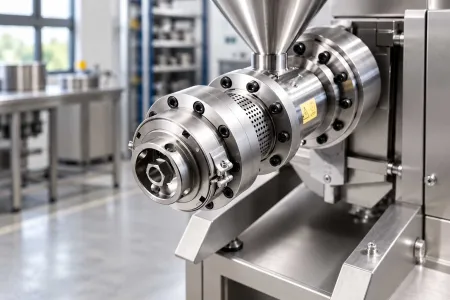
Recommended Model: Home Cold & Hot Press (5–7.5 kg/h)
This press is perfect for those who value quality and versatility.
Advantages:
- Temperature control – press cold (<40°C) or hot (up to 200°C)
- High efficiency – 5–7.5 kg raw material per hour
- Versatility – suitable for many seeds and nuts
- Durable construction – stainless steel parts ensure long service life
- User-friendly – intuitive control panel
- Automatic features – heating and temperature control systems
- Easy cleaning and maintenance – designed for daily home use
- Compact size – fits in any kitchen cabinet; lightweight and mobile
This press allows complete control over the pressing process. You can choose cold pressing for maximum nutritional value or hot pressing for higher yield. Ideal for health-conscious families and small producers creating oils for sale.
.png)
Practical Tips and Tricks for Home Oil Pressing
Optimizing Yield
Mixing seeds: Combining different seeds can improve yield. For example, adding 10–20% sunflower seeds to flax makes pressing easier and increases oil output.
Double pressing: After the first press, leftover cake can be pressed again for additional oil (lower quality).
Optimal moisture: Seeds should have 6–8% moisture. Too dry seeds crack and create dust; too wet seeds produce cloudy oil and are harder to press.
Troubleshooting
Cloudy oil: Often caused by high seed moisture or excessive pressing temperature. Extended filtration or letting the oil settle can help.
Low yield: Check seed quality and moisture. Old or stale seeds produce less oil. Ensure the press is properly preheated.
Off taste: May result from spoiled seeds, a dirty press, or too high pressing temperature. Always start with a thoroughly cleaned press.
Seasonal Pressing
Autumn and winter: Best time for intensive pressing. Freshly harvested seeds have the highest oil content and best flavor.
Spring and summer: Oils spoil faster in warmer months. Press smaller batches and store in the fridge.
Flavor Profiles of Home-Pressed Oils
Sunflower: Mild, slightly nutty flavor; versatile for most culinary uses.
Flax: Intense grassy-nutty aroma; reminiscent of freshly cut grass.
Rapeseed: Neutral, slightly sweet taste; one of the mildest vegetable oils.
Pumpkin seed: Rich, nutty flavor with subtle sweetness; used sparingly due to intensity.
Culinary Applications
Salads: Use flavorful oils like flax, pumpkin seed, or walnut. Add at the end, without heating.
Low-temperature cooking: Rapeseed or sunflower oils are suitable. Avoid omega-3-rich oils, which oxidize quickly.
Baking: Neutral oils such as rapeseed or sunflower won’t overpower the taste of baked goods.
Finishing dishes: A few drops of aromatic oil (pumpkin seed, walnut) can transform the flavor of a dish.
Custom Blends:
70% rapeseed + 30% flax = balanced omega fatty acids
80% sunflower + 20% pumpkin seed = nutty aroma
Walnut + rapeseed = intense flavor in a mild base
Economic Aspects of Home Oil Production
Cost Analysis:
Raw material: Sunflower seeds cost ~3–4 PLN/kg, yielding ~350–400 ml oil. Cost per liter: ~8–10 PLN.
Press amortization: For a 15,000–20,000 PLN press producing 100 liters/year over 5 years, cost per liter is 3–4 PLN.
Energy: Modern presses use 1–3 kW; energy costs are minimal.
Comparison: Store-bought cold-pressed sunflower oil costs 15–25 PLN/liter. Home oil: ~12–15 PLN/liter, with higher quality.
Long-term profitability:
Press pays off in 2–3 years of regular use. Excess oil can be sold locally.
Health benefits provide long-term savings on medical costs.
Independence: Owning a press is a step toward food self-sufficiency.
Environmental Impact
Carbon footprint:
Transport of commercial oils generates significant CO₂. Home pressing eliminates this, especially with local seeds.
Packaging: Reusable glass bottles reduce waste compared to plastic.
Processing: Industrial production is energy-intensive (refining, bleaching, deodorizing). Home pressing uses minimal energy.
Zero Waste:
Press cake: Protein- and fiber-rich byproduct. Uses include:
Baking ingredient (adds nutritional value)
Feed for pets and livestock
Organic fertilizer
Component in homemade cosmetic masks
Composting: Returning organic waste closes the nutrient cycle.
.png)
The Future of Home Oil Pressing
Home oil pressing is on the brink of a technological and social revolution. Combining traditional methods with modern solutions opens entirely new possibilities for natural food enthusiasts. Intelligent oil presses are no longer a futuristic vision—they are already a reality today.
Technological Trends
Automation and Precision
Automation transforms home oil pressing into a precise science. Modern presses are equipped with advanced control systems that automatically adjust operating parameters to the type of raw material. Temperature sensors monitor the process in real time, preventing overheating and preserving all valuable nutrients. Automatic timers ensure precise control of pressing time for optimal efficiency, while intelligent cleaning systems use pressure pulsation and controlled temperature to self-clean the working chambers.
Self-Diagnostic Systems
The latest press models also offer self-diagnostic systems that detect potential problems before they occur. Vibration sensors monitor bearings and drive mechanisms, pressure sensors ensure proper operation of the hydraulic system, and warning systems alert the user about required maintenance or part replacement.
Mobile Apps and Digital Management
Mobile applications revolutionize the way pressing is managed. Modern presses can be controlled via smartphone or tablet, allowing remote monitoring of temperature, pressure, and efficiency. Apps store recipe databases for various seeds, automatically suggesting optimal pressing parameters. A pressing calendar helps plan oil production according to the seasonality of raw materials, and a production log records all parameters for future reference.
Advanced apps also include social features—users can share recipes, rate the quality of different seed suppliers, and use economic calculators to optimize production costs. Artificial intelligence analyzes pressing history, suggests process improvements, predicts household oil demand, and even warns of potential seed spoilage based on storage conditions.
Energy Efficiency
Energy efficiency is becoming a key factor in designing new presses. Brushless motors consume up to 30% less energy than traditional induction motors while providing greater precision in speed control. Energy recuperation systems recover heat generated during pressing and use it to preheat subsequent batches of raw material. Smart energy management systems automatically enter sleep mode during breaks, reducing energy consumption by up to 50%.
Advanced Drive and Cooling Technologies
New drive technologies use precise servo drives instead of traditional AC motors, allowing exact control of pressing speed—critical for delicate raw materials like chia or flax seeds. Cooling systems utilize heat exchangers and closed-loop coolant circuits to maintain a constant temperature without excessive energy consumption.
.png)
Growing Popularity of Home Oil Pressing
Consumer health awareness has reached a tipping point where food quality often takes precedence over price. According to research conducted by the Consumers’ Federation, over 78% of Poles express a desire to increase their consumption of natural, unprocessed products. The epidemic of lifestyle-related diseases—type 2 diabetes, cardiovascular disorders, and cancers—motivates people to make radical dietary changes.
Nutrition education provided by dietitians and doctors increasingly emphasizes the importance of high-quality fats in the diet. Promotion of omega-3 fatty acids, vitamin E, and natural antioxidants has led consumers to actively seek cold-pressed oils. Social media acts as an accelerator: health influencers showcase the benefits of home pressing, while viral challenges such as “30 Days Without Processed Food” encourage participation and lifestyle changes.
The food industry responds to these trends by offering more “natural” products, yet paradoxically, this only increases consumers’ desire for full control over quality. Recent food scandals—from contamination incidents to misleading labeling—have heightened public distrust of industrial food producers.
The slow food movement has evolved from a niche trend into a global lifestyle philosophy. International associations like Slow Food International now count over a million members worldwide. In Poland, local chapters organize events promoting traditional food processing methods. Regional food festivals attract tens of thousands of visitors, and culinary craft workshops—including home oil pressing—often have long waiting lists.
The slow food philosophy goes beyond the kitchen, becoming part of a sustainable lifestyle. Home oil pressing fits into this ethos: zero waste, supporting local producers, and reducing the carbon footprint. The younger generation, paradoxically highly tech-oriented, shows a strong desire to reconnect with nature and traditional processes.
Recent food crises—from the COVID-19 pandemic to the war in Ukraine—exposed the fragility of global food supply chains. Empty store shelves, sudden surges in sunflower oil prices (over 200% in 2022), and limited access to high-quality products have led consumers to consider food self-sufficiency.
The preppers’ movement, previously marginal, has gained visibility. A home oil press is now seen as an investment in family food security. The ability to process seeds stored for years provides a sense of control. Government reports on food security increasingly recommend local production and short supply chains.
Economic factors also reinforce the trend. Rising food inflation, especially for high-quality products, makes long-term savings from home pressing increasingly apparent. Online profitability calculators show that an oil press can pay for itself within 18–24 months of intensive use.
Home oil pressing is no longer just a hobby—it is a convergence of health, sustainability, and economic sense, reflecting a broader societal shift toward conscious and self-sufficient living.
Community of Home Oil Enthusiasts
The community of home oil pressers is one of the fastest-growing segments of the DIY movement. Natural food enthusiasts from around the world connect, creating a network of mutual support, experience sharing, and collective development. This phenomenon goes far beyond a hobby, representing a grassroots revolution in food production approaches.
Knowledge Sharing
Online forums dedicated to home oil pressing are expanding rapidly. The largest Polish forum, OlejeDomowe.pl, already has over 15,000 active members, generating hundreds of posts daily with tips, equipment reviews, and recipes. International platforms like Reddit (r/HomeOilPressing), Facebook Groups, and specialized industry sites connect enthusiasts across continents.
Forum structures are evolving toward specialization: separate sections exist for different types of presses (screw, hydraulic, pneumatic), types of raw materials (oilseeds, nuts, exotic seeds), applications (culinary, cosmetic, medicinal), and skill levels (beginner, intermediate, expert). Moderators are often experienced practitioners, sometimes food technologists or engineers who design pressing equipment.
Knowledge bases on forums contain thousands of tested recipes with precise pressing parameters. Users document their experiments, sharing photos of the process, oil composition analyses, taste tests, and yield comparisons. Forum search engines allow for rapid problem-solving—from optimizing efficiency to troubleshooting equipment failures.
Social media groups provide a more dynamic flow of information. Instagram serves as visual inspiration—users post aesthetically appealing images of their oils, pressing processes, and home press setups. TikTok popularizes home pressing among younger generations through short, educational videos. YouTube hosts detailed tutorials, equipment reviews, and long-term project documentation.
Local groups organize regular meetings in the form of oil pressing clubs. In larger cities, equipment cooperatives allow members to share expensive devices. Monthly tastings enable comparisons of oils produced by different members from the same raw materials. Seed exchanges follow structured rules—members share rare varieties, seeds from their gardens, or imported specialties.
Workshops and demonstrations are evolving into professional training. Certified instructors—often owners of small pressing facilities or food technologists—conduct multi-day courses covering theory and practice. Typical workshop programs include: technology basics, raw material selection and preparation, equipment operation and maintenance, oil quality control, and legal aspects of selling home-pressed oils.
Exhibitions and fairs promote home pressing. Mobile setups with small presses allow visitors to experience the process firsthand. Tastings of freshly pressed oils are often the highlight of these events. Competitions for the best home-pressed oil attract participants nationwide.
Online events have grown in popularity, especially post-pandemic. Webinars by experts, online competitions with oil sample submissions, and virtual tours of professional presses are just some forms of digital community integration.
Collaboration with Producers
Direct collaboration with farmers is transforming the oilseed market. Online platforms connect home pressers with local producers. Rating and review systems build reputations for the best suppliers. Interactive maps show farm locations, enabling personal visits and quality verification.
Collaboration models extend beyond simple transactions. Subscription deliveries ensure a steady supply of fresh seeds according to harvest seasons. Forward contracts allow farmers to plan crops with guaranteed buyers, while pressers secure stable prices. Loyalty programs offer discounts for long-term cooperation and preferential access to top-quality batches.
Farms specializing in seeds for home pressing tailor production to this niche but growing customer base. Smaller packaging (5–25 kg instead of industrial tons), detailed labels with harvest dates, moisture content, quality tests, and airtight packaging for extended freshness have become standard through collaboration with enthusiasts.
Certified organic seeds are increasingly available directly from organic producers. Polish organic farms specializing in oilseeds provide full certification documentation, pesticide residue tests, and composition analyses. While organic seeds are 30–50% more expensive, their nutritional value and safety justify the cost.
Buying cooperatives organized by pressing communities enable negotiation of bulk prices while maintaining retail-quality standards. Joint orders of several tons of seeds, split among dozens of households, generate significant savings. Group logistics—shared transport and storage—further reduce costs and carbon footprint.
Innovative collaboration also includes homegrown seeds. Experienced pressers work with small growers to test new seed varieties for oil content, fatty acid profiles, and disease resistance. Micro-scale oilseed cultivation provides an additional income source for gardening enthusiasts and expands the flavor palette of home-pressed oils.