

Table of Contents
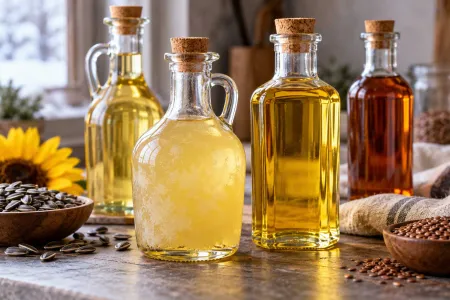
Oils play an important role in cooking, cosmetics, and medicine, but what happens to them when they are expired, used, or no longer suitable for their original purpose? Many people pour them down the drain or throw them away, which is not only harmful to the environment but also wastes a valuable resource. However, these oils have tremendous potential for reuse – from eco-friendly projects to innovative applications in recycling and upcycling. Here’s how to turn “waste” into a true treasure.
Why Reuse Vegetable Oils?
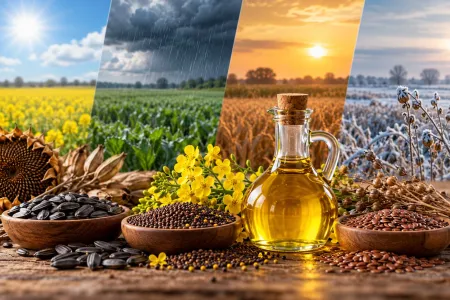
Vegetable oils, even expired ones, retain many of their properties, such as moisturizing effects on the skin, fatty acid content, and the ability to form protective layers. Throwing them away is not only wasteful but also harmful to the environment – oils poured down drains can clog pipes and overload water treatment systems. Recycling and upcycling these oils is a way to reduce your ecological footprint while using them creatively.

1. Biofuels – Fuel from Waste
Vegetable oils were the original fuel source for diesel engines – Rudolf Diesel designed his engine to run on peanut oil. Today, in the face of the climate crisis, the topic of biofuels is gaining renewed attention. One of the most well-known uses for used vegetable oils is the production of biodiesel. These oils can be processed into biodiesel, which is more environmentally friendly than fossil fuels.
.png)
How Does It Work?
Oils are mixed with methanol in a chemical process called transesterification, which produces biodiesel and glycerin.
Advantages:
Reduced greenhouse gas emissions
Utilization of waste as a raw material
Decreased dependence on fossil fuels
Who Can Do It?
In many countries, there are local collection points for used cooking oils, which are then processed into biofuels.
2. Eco-Friendly Candles and Soaps
2. Eco-Friendly Candles and Soaps
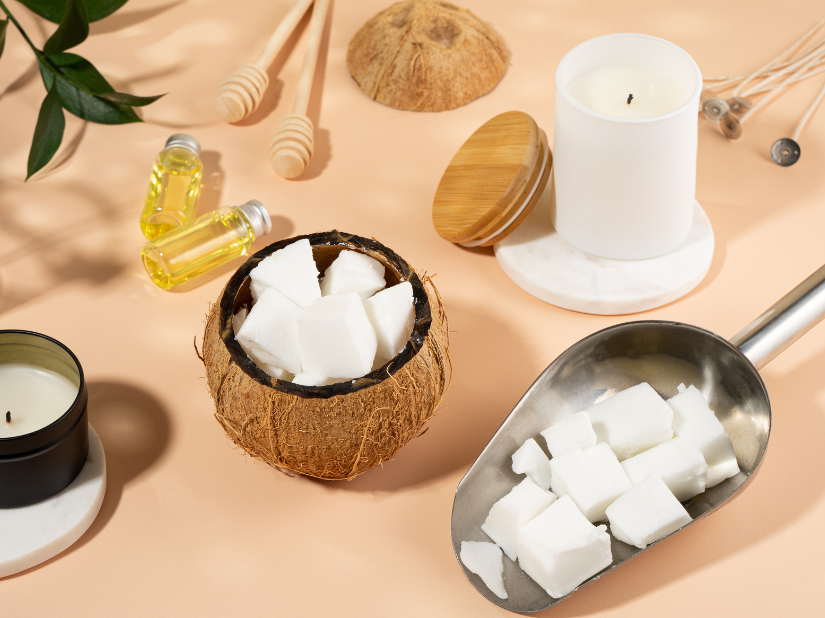
Expired cold-pressed oils, often considered waste, actually hold tremendous potential. Thanks to their natural properties, such as moisturizing ability and structural integrity, they can serve as an excellent base for making homemade candles and soaps. Instead of discarding oils, they can be used in eco-friendly projects that are not only environmentally friendly but also highly satisfying. Homemade products are free from chemicals like artificial dyes, fragrances, or preservatives, which are often found in commercial products. Using natural oils allows you to create safe and healthy candles and soaps.
Candles: Oils can be combined with soy or beeswax, adding natural scents such as lavender essential oil. The resulting candles are eco-friendly and biodegradable.
Soaps: Used oils can serve as a base for cold-process soaps, mixed with sodium hydroxide (lye). These soaps are gentle on the skin and can be enriched with natural additives like herbs or clays.
3. Natural Cleaning Products
Cold-pressed vegetable oils, while most commonly associated with cooking and cosmetics, also have great potential for household cleaning. Their natural ability to dissolve grease and grime makes them an effective and eco-friendly ingredient for homemade cleaning products. In an era of growing environmental awareness and the desire to reduce chemicals in daily life, exploring this use is both practical and sustainable.

Why Vegetable Oils?
Natural grease removal:
Vegetable oils are excellent at tackling greasy stains, both in the kitchen and on other surfaces. Their ability to bind grease comes from their chemical structure, allowing them to clean effectively without the need for harsh detergents.
Health safety:
Cold-pressed oils are 100% natural, making them safe for sensitive skin, children, and pets. Unlike synthetic cleaning products, they do not release irritating fumes or cause allergic reactions.
Eco-friendliness:
Using vegetable oils in cleaning products helps minimize chemical waste and pollution. These oils are biodegradable and do not contribute to environmental degradation.
Uses of Oils in Homemade Cleaning Products
Cleaning wooden surfaces:
Linseed oil or olive oil are excellent natural wood care agents. They can be mixed with beeswax to create a polishing paste for furniture. This mixture not only removes dust but also gives surfaces a beautiful shine and protects them from moisture.
Removing labels and stickers:
Coconut oil combined with baking soda works well to remove sticky residue from labels. Simply apply the mixture to the affected area, wait a few minutes, and gently wipe away.
Natural kitchen detergents:
Oils such as sunflower or rapeseed can be combined with vinegar and essential oils to make an effective dishwashing liquid. The oils dissolve grease, while vinegar provides antibacterial properties.
Stainless steel cleaner:
Rubbing stainless steel surfaces with oil adds shine and protects against fingerprints. Olive oil works particularly well for this purpose.
Cleaning tiles and grout:
Cold-pressed oils can be used in mixtures with baking soda and hydrogen peroxide to remove grime from grout lines. This method is effective yet gentle on surfaces.
Air freshening:
Vegetable oils mixed with essential oils like lavender or eucalyptus can be used as natural air fresheners. Combine with water and spray around the room. The oils’ ability to dissolve grease and dirt makes them an excellent ingredient for homemade cleaners.
4. Supporting Natural Gardening
Vegetable oils such as neem, rapeseed, or linseed oil can be effectively used in natural gardening. They serve as a base for eco-friendly fertilizers, enriching the soil with nutrients and improving its structure. Additionally, these oils can be used to make natural pest repellents – diluted in water with a small amount of soap, they can repel aphids, spider mites, and whiteflies without harming plants or beneficial insects. Using vegetable oils promotes healthy plant growth and helps reduce the need for synthetic chemical products in the garden.

Fertilizer:
In small amounts, oil can be added to compost, improving its structure and supporting the decomposition process.
Repellent:
Oils such as cold-pressed, even expired, neem oil effectively repel insects, acting as a natural plant protection solution.
5. Oils in Art and Crafts
Creativity knows no bounds, and cold-pressed oils can be used in various craft projects. Thanks to their versatility and natural properties, they can become an invaluable ingredient in many creative endeavors. Using oils in art and crafts not only allows for the creation of beautiful and durable works but also supports an eco-friendly approach to artistic expression.
Applications of Oils in Art and Crafts:
Mixing oils with natural pigments to create eco-friendly paints
Using oils to seal or protect wooden and ceramic artworks
Incorporating oils in handmade soaps, candles, or decorative items
Experimenting with oils in printmaking or encaustic art

Oil Painting
Linseed oil is one of the primary ingredients in oil paints. It gives paints the right consistency, allows for easy blending, and adds a beautiful sheen. Additionally, linseed oil slows the drying process, enabling artists to refine details with precision.
Wood Preservation
Oils such as tung oil, linseed oil, or olive oil are frequently used to protect and maintain wood. They are applied in furniture making, sculpture, and other woodworking projects to enhance the surface with a natural shine and protect it from moisture.
Creating Natural Pigments
Oils can serve as a base for making eco-friendly pigments, which can be used in painting, crafts, or fabric decoration. Adding plant-based pigments to oil allows for a wide range of natural colors.
Artistic Candle Production
Vegetable oils, such as coconut or rapeseed oil, are often used in candle making. When combined with natural waxes, they create decorative candles that are both visually appealing and environmentally friendly.
Sculpture and Modeling
Vegetable oils can be used as moisturizers while working with clay to prevent it from drying out. Linseed or almond oil is also applied in wood sculpture for finishing surfaces.
Fabric Printing
Vegetable oils can be used as a base for natural dyes in textile printing techniques, allowing for unique and eco-friendly fabric designs.
Creating Natural Varnishes
Linseed oil, combined with natural resins, can be used as a varnish for paintings or furniture, providing protection and a beautiful finish.
Oil Paints and Fabric Impregnation
Oil paints: Old vegetable oils can be repurposed as a base for natural oil paints.
Fabric impregnation: Linseed oil has been used for centuries to protect fabrics from moisture.
6. Upcycling in Cosmetics
What is Cosmetic Upcycling?
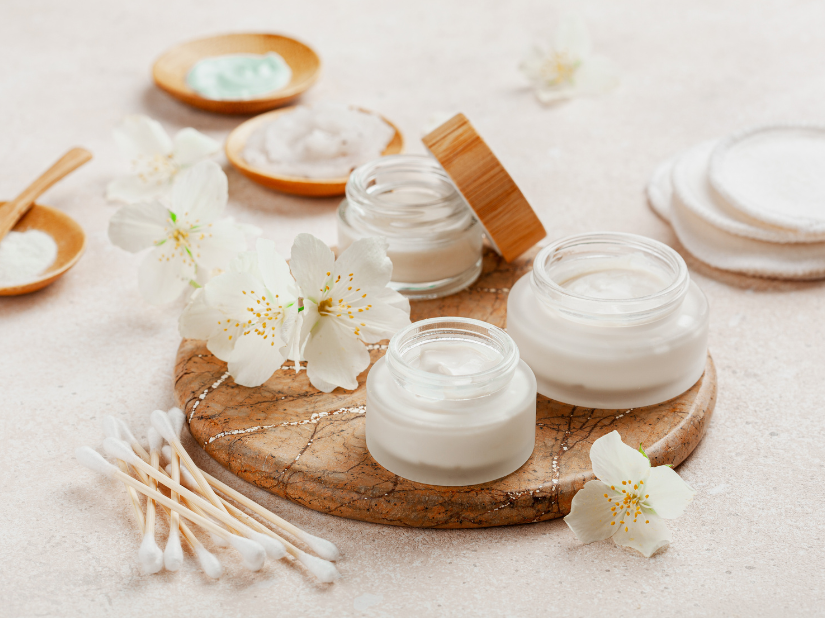
Upcycling in cosmetics is an innovative trend that maximizes the use of natural resources while minimizing waste. Cold-pressed oils, even if expired or no longer suitable for consumption, can be repurposed as ingredients in DIY cosmetics.
Thanks to their nourishing properties, these oils become valuable components in both homemade and professional cosmetic products, ranging from soaps to hair masks.
Uses of Oils in Cosmetic Upcycling
Natural Soaps:
Oils such as coconut, olive, or rapeseed oil can serve as a base for cold- or hot-process soaps. Adding herbs, flower petals, or natural pigments allows you to create unique daily-use products.
Body Scrubs:
Oils mixed with sugar, sea salt, or coffee make excellent scrubs that exfoliate dead skin while moisturizing.
Hair Masks and Conditioners:
Vegetable oils such as castor or linseed oil can be used as a base for nourishing hair masks. Combined with honey or egg yolk, they strengthen hair and add shine.
Skin Creams and Balms:
Oils can be incorporated into moisturizing creams or balms. Mixing them with shea butter, beeswax, and essential oils creates natural, hydrating cosmetics.
Face Serums:
Oils like almond or grape seed oil work well in face serums, regenerating and nourishing the skin.
Natural Makeup Removers:
Vegetable oils are gentle yet effective for removing makeup, dissolving cosmetics without irritating the skin.
Sugar Scrub:
Oil blended with sugar and your favorite essential oil creates a highly effective exfoliating scrub.
Hair Mask:
Expired coconut or argan oil can be repurposed as a regenerating mask for dry hair ends.
15 FAQs About Recycling and Upcycling Cold-Pressed Oils
Can all types of vegetable oils be recycled?
Most vegetable oils can be recycled or upcycled. Even those that have lost their original properties can be used in biodiesel, candles, or soaps.
How can I tell if oil can be reused?
Oils with a rancid smell can still be used for candle-making or as fertilizer. If the oil is thick or contains sediment, it can be filtered before use.
Can I pour cold-pressed oils down the drain?
No. Pouring oils into drains can clog pipes and contaminate water. Find ways to reuse or take them to collection points.
Where to dispose of used cooking oil?
Many cities have collection points for vegetable oils, which are then processed into biodiesel or other products. Check local regulations.
Can I make a candle from expired oil?
Yes. Cold-pressed oils are perfect for eco-friendly candles. Mix with wax (e.g., soy wax), add a wick and desired fragrance.
Is expired oil safe for skin?
If the oil smells rancid, it should not be applied directly to skin. It can be processed into soap or scrubs if properly cleaned.
How to make fertilizer from oil?
Add small amounts to compost. The oil provides energy for microorganisms decomposing organic matter. Avoid overuse to prevent slowing composting.
Can oil be used for soap production?
Yes. Mix cold-pressed oils with lye and water, adding essential oils for fragrance.
How to store used oil for recycling?
Store in sealed glass or plastic containers in a cool place to prevent mold or spoilage.
Can expired oil be used in art?
Yes. Cold-pressed oils can be used for oil paints or fabric impregnation in art projects.
How to make natural cleaners from oil?
Linseed or olive oil mixed with lemon juice and beeswax can polish wood effectively and safely.
Can oils be used as garden repellents?
Yes. Neem or castor oils repel insects. Mix with water and spray plants to protect them.
Which oils are best for biodiesel?
All vegetable oils, including used kitchen oils, are suitable. Sunflower, rapeseed, and soybean oils are popular choices.
Can oil be used as a preservative?
Yes. Linseed oil can protect tools or wood surfaces from moisture and rust.
Can oils be filtered before reuse?
Yes. Oils can be filtered through gauze or a coffee filter to remove impurities and give them a second life.
Summary
Cold-pressed oils, even after losing their original properties, remain a valuable resource with a wide range of applications. Recycling and upcycling oils is not only eco-friendly but also cost-effective, allowing you to create unique products at home. Instead of discarding oil, consider giving it a second life in biodiesel, eco-friendly candles, or cosmetics.
Every step toward reusing waste contributes to a more sustainable future. What will you do with the oil you once considered trash?