
Table of Contents
Vegetable oil is one of the most commonly used feed additives in livestock farming. Its popularity stems from its high energy content and positive effects on animal health. This article discusses how vegetable oil impacts the diet of farm animals, the benefits of its use, the types of vegetable oils commonly included in feed, and answers to frequently asked questions on this topic.
Why is vegetable oil used in animal feed?
Vegetable oil in animal feed serves several key functions that significantly impact the health and performance of livestock:
- Energy source: Fats are one of the richest sources of energy, providing 9 kcal per gram, making them a highly efficient dietary component. Vegetable oils, rich in unsaturated fats, help animals meet their energy needs, which is particularly important during periods of rapid growth, lactation, or meat production.
- Supporting vitamin absorption: Vegetable oils contain fats that aid in the absorption of fat-soluble vitamins (A, D, E, K). This allows animals to better utilize the vitamins in their feed, improving health, immunity, and the quality of animal-derived products.
- Improving the quality of meat, milk, and eggs: Adding vegetable oils to animal diets positively influences the fat profile of their products. For example, including flaxseed oil, rich in omega-3 fatty acids, can enhance the omega-3 content in meat, milk, and eggs, making these products healthier and more attractive to consumers.
Types of vegetable oils used in animal feed
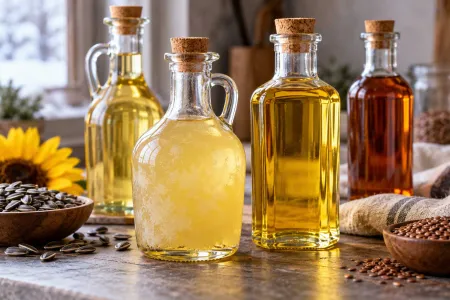
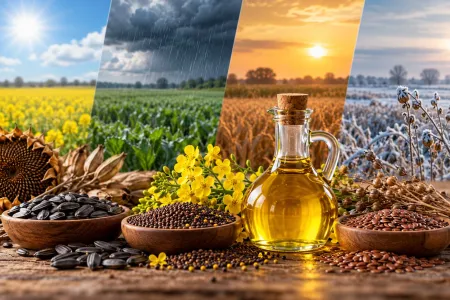
There are many types of vegetable oils available on the market for livestock nutrition, each with unique properties and benefits. The most commonly used oils include:
- Rapeseed oil: One of the most widely used oils, it has a favorable fatty acid profile, containing both omega-3 and omega-6, as well as vitamin E. Rapeseed oil supports heart and circulatory health in animals while providing a high energy content.
- Soybean oil: Rich in linoleic acid (omega-6), soybean oil can improve the quality of fat in meat and milk. It also provides vitamins E and K, supporting overall animal health.
- Flaxseed oil: Highly valued for its high omega-3 fatty acid content, flaxseed oil improves the quality of meat and milk and supports skin and coat health in animals.
- Sunflower oil: Rich in omega-6 fatty acids and vitamin E, sunflower oil promotes digestive health, enhancing nutrient absorption in livestock.
- Corn oil: High in omega-6 fatty acids and vitamin E, corn oil can improve meat quality and contribute to increased weight gain in animals.
Benefits of Using Vegetable Oils in Animal Feed
Adding vegetable oil to animal feed offers a range of advantages:
Increased production efficiency: Vegetable oils provide a concentrated source of energy, helping animals gain weight more quickly and improving overall productivity, particularly in meat and milk production. This can result in better financial outcomes for farmers.
Improved fat quality: Plant-based fats, especially those rich in unsaturated fatty acids, positively affect the quality of fat in meat, milk, and eggs. Animals fed diets enriched with vegetable oils often produce healthier fat, which enhances the nutritional value of their products.
Better animal health and condition: Vegetable oils are also sources of vitamins and minerals that support animal health. Omega-3 fatty acids boost the immune system, while vitamin E acts as an antioxidant, protecting cells from damage.
Safe Use of Oils in Feed
Although vegetable oils are beneficial, they must be used in moderation. Excess fat in the diet can lead to health issues, such as obesity or metabolic disorders. Additionally, some oils, like palm oil, have high levels of saturated fats, which may negatively affect animal health if used excessively. Proper formulation and monitoring are essential to ensure optimal benefits without adverse effects.
.png)
Sample Diet Using Rapeseed Oil for Dairy Cows and Laying Hens
Rapeseed oil is an excellent source of unsaturated fat, omega-3 fatty acids, and vitamin E, all of which are beneficial for the health and productivity of farm animals. Incorporating rapeseed oil into the diet of livestock such as dairy cows and laying hens can improve the quality of animal products (milk, meat, eggs), support weight gain, and provide a concentrated source of energy.
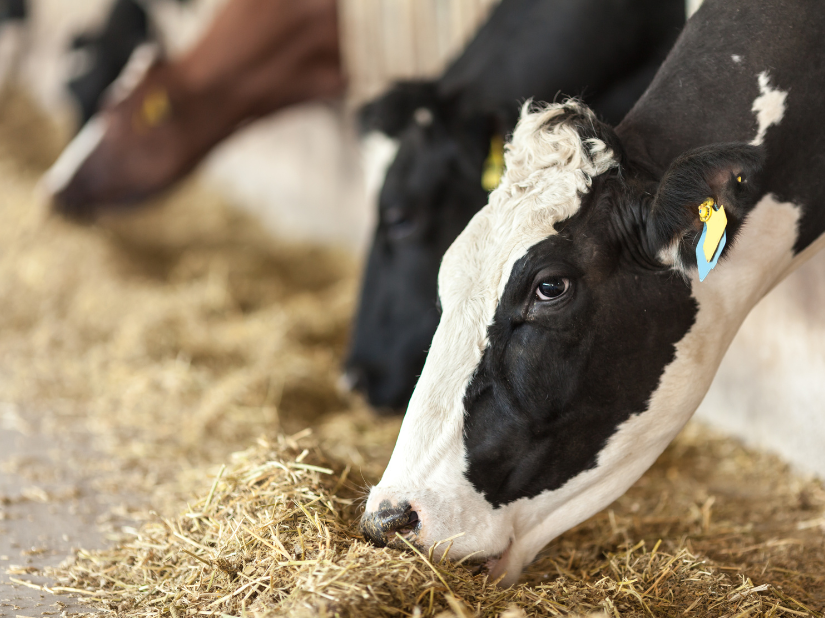
Below is an example of a diet for dairy cows and laying hens where rapeseed oil serves as a fat supplement.
1. Dietary Recommendations for Dairy Cows:
- Daily Energy Intake (ME): 120–130 MJ (megajoules) per 100 kg of body weight
- Crude Protein (CP): 14–18% of dry matter
- Fats: 3–6% of dry matter
Example Diet:
- Hay (30 kg/day): 50% of dry matter; provides fiber and minerals.
- Corn Silage (20 kg/day): Source of easily digestible carbohydrates and protein.
- Rapeseed Meal (5 kg/day): Rich source of plant protein, supplying essential amino acids.
- Grass Silage (10 kg/day): Provides additional fiber and vitamins.
- Rapeseed Oil (0.5–1 kg/day): Increases the energy density of the feed, supports cardiovascular health, and supplies energy.
Example Nutrient Composition of the Diet:
- Energy (ME): 130–140 MJ/day
- Crude Protein (CP): 16–18%
- Fat (in feed): 5%
Benefits for the Cow:
- Increased Milk Production: Rapeseed oil provides easily accessible energy, supporting milk yield.
- Improved Milk Quality: The omega-3 fatty acids in rapeseed oil can enhance the milk fat profile, benefiting consumers (e.g., reducing saturated fat content).
- Better Body Condition: Fats help maintain healthy body weight and overall wellbeing.
2. Diet for Laying Hens with Rapeseed Oil Supplement
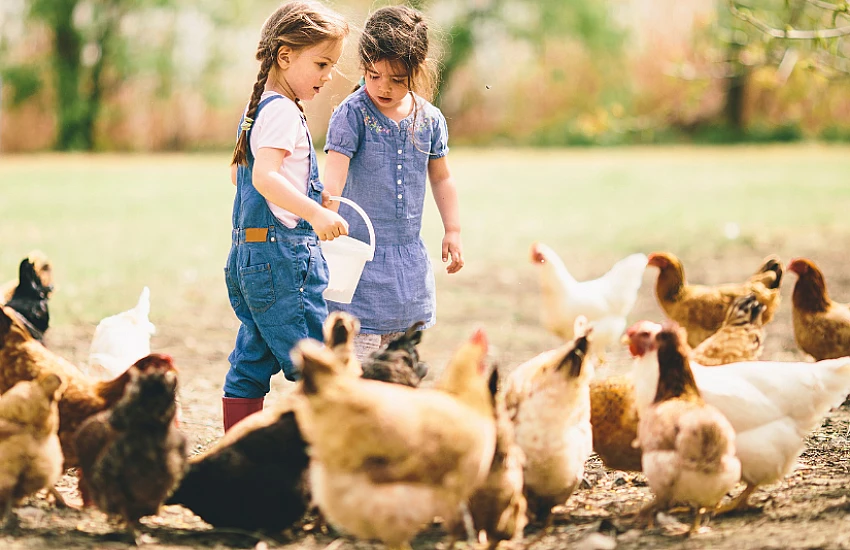
Laying hens have specific nutritional requirements, especially regarding energy and protein, which are essential for producing high-quality eggs. Adding rapeseed oil to their diet can improve egg quality (e.g., yolk fat content) and support the overall health of the birds.
Dietary Recommendations for Laying Hens:
- Daily Energy Intake: 270–300 kcal per kg of feed
- Crude Protein (CP): 16–18% of dry matter
- Fats: 4–5% of dry matter
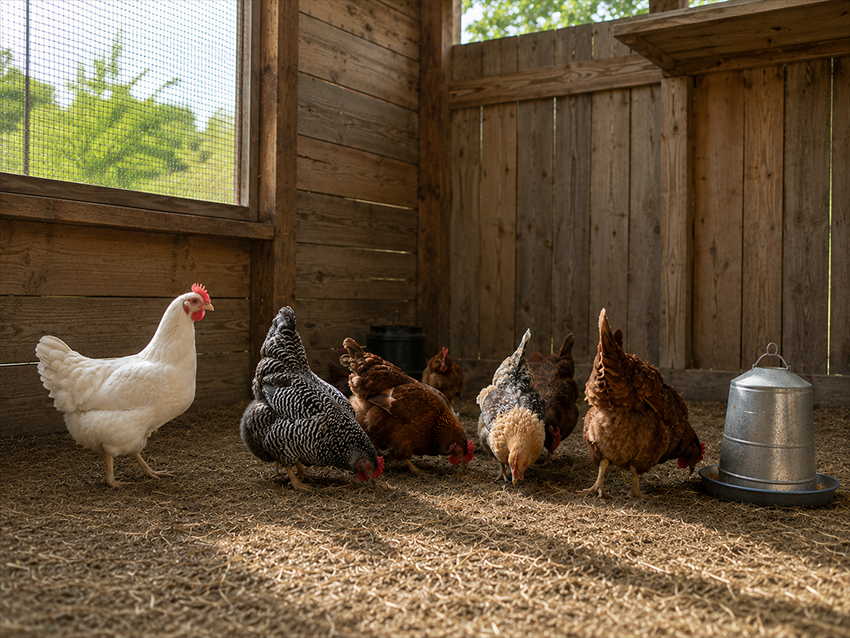
Sample Diet:
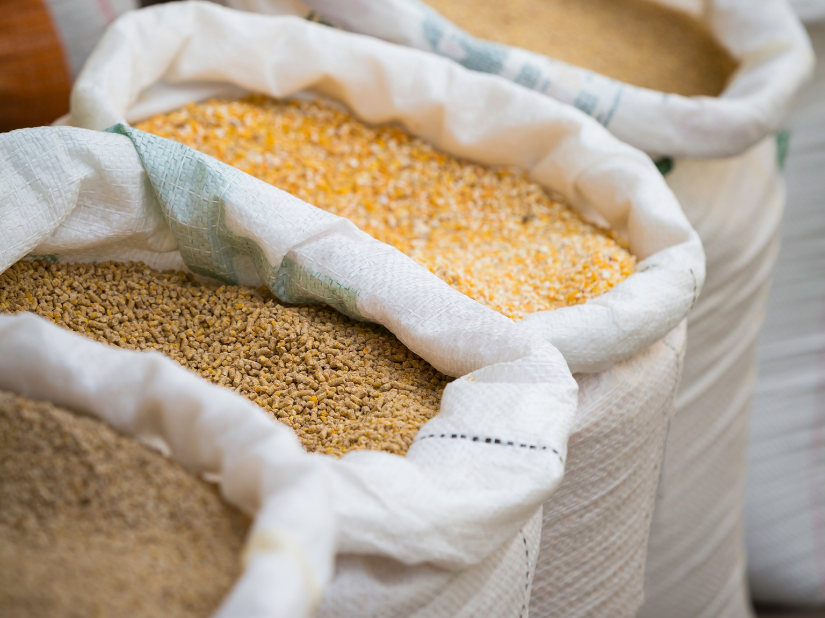
- Complete feed (150–200 g/day per bird): Balanced grain mixture including wheat, corn, soybean meal, and vitamins.
- Protein supplement (10–20 g/day per bird): Adds extra protein (e.g., rapeseed meal) to ensure sufficient amino acids.
- Rapeseed oil (10–15 g/day per bird): Provides energy and improves egg quality, including higher healthy fat content in yolks.
Example Diet Composition:
- Energy: 290 kcal per kg of feed
- Crude Protein: 17%
- Fat (in feed): 5%
Benefits for Laying Hens:
- Improved Egg Quality: Rapeseed oil enriches yolk fat content, enhancing nutritional value and structure. It can also increase omega-3 fatty acids in eggs.
- Increased Egg Production: Higher energy content in feed supports bird health and egg-laying rate.
- Support for Digestive Health: Unsaturated fats promote proper nutrient absorption and overall gut health.
(FAQ) Frequently Asked Questions:
Are vegetable oils safe for livestock?
Yes, if used in appropriate amounts. Proper diet balancing is essential to avoid exceeding daily fat requirements.
Which vegetable oils are best for animal feed?
Rapeseed, soybean, flaxseed, and sunflower oils are commonly used. Flaxseed oil is especially valued for its high omega-3 content.
What are the benefits of flaxseed oil in animal diets?
It improves meat fat profile, supports skin and coat health, and enhances immune system performance.
What are the risks of excessive vegetable oil use?
Overconsumption can lead to obesity, metabolic disorders, and liver problems. Dosage should match the animal’s needs and production stage.
Do vegetable oils affect meat flavor?
Yes, oils rich in unsaturated fatty acids can enhance meat taste and texture.
Which oils are best for poultry?
Soybean and rapeseed oils provide essential fatty acids and energy, promoting growth and meat quality.
Can vegetable oils improve milk quality?
Yes, especially flaxseed oil, which can increase healthy omega-3 fatty acids in milk.
What are dosing recommendations for vegetable oils in feed?
Fats should constitute 3–6% of total feed dry matter, adjusted for the animal’s age and production goals.
Are vegetable oils used only in livestock feed?
No, they are also used in pet foods for dogs and cats, providing energy and supporting skin health.
What’s the difference between vegetable oil and animal fat in feed?
Vegetable oils are rich in unsaturated fatty acids, while animal fats contain more saturated fatty acids. Both can be used depending on needs, but vegetable oils are often preferred for animal health benefits.
Summary
Vegetable oil is a valuable additive in livestock feed, enhancing feed quality, boosting production performance, and supporting animal health. Choosing the right type of oil and applying it in proper amounts is essential for effective use. However, it is important to remember that excessive fat in the diet can lead to health problems, so the overall diet must be carefully balanced.