
Table of Contents
Oil Presses from PRIMA-TECH: Revolutionizing Oil Production! Looking for modern pressing technologies that elevate the quality of your oils? PRIMA-TECH provides advanced oil presses, combining innovation with reliability. Invest in the future of your oil production with an industry expert. Find us in Kolonia Poczesna and join our satisfied customers!
Application of Oil Presses in the Food Industry
Oil Presses in the Food Industry
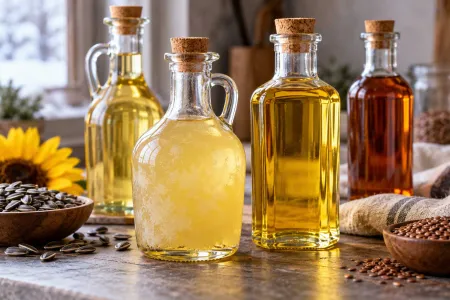
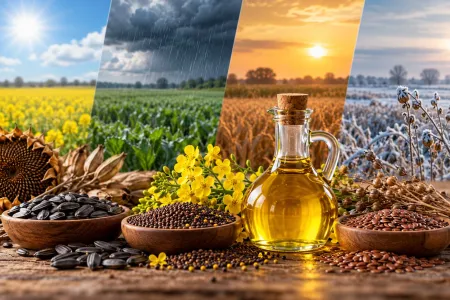
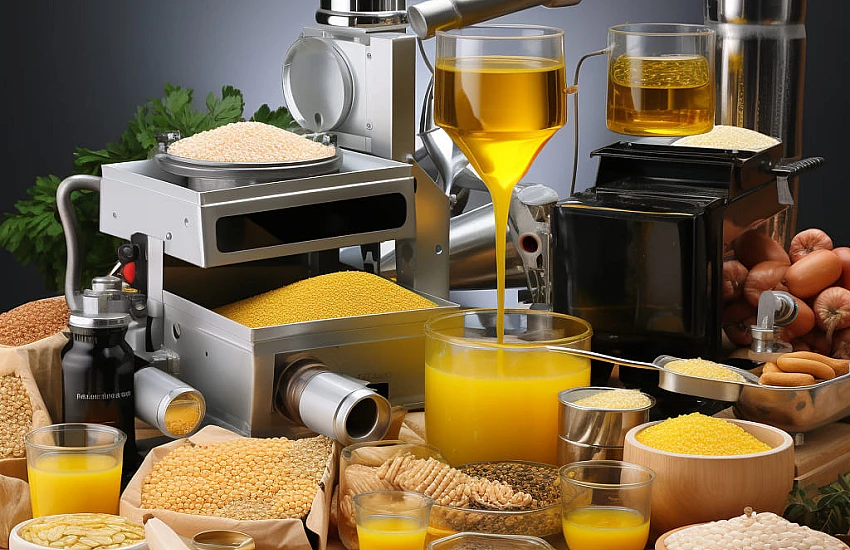
Oil presses play a key role in the food industry, with their use dating back centuries. They are used to extract oil from various seeds and fruits. Thanks to them, we obtain oils such as sunflower, flaxseed, soybean, rapeseed, and olive oil.
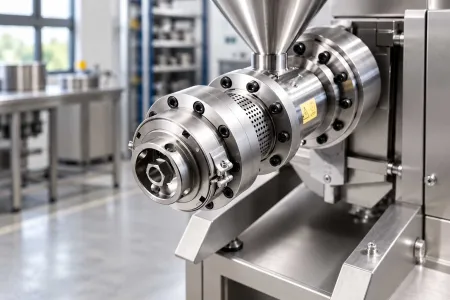
Today, oil presses have evolved, becoming more efficient and precise. Let’s take a closer look at oil pressing techniques and the applications of oil presses in the food industry.
History of Oil Presses
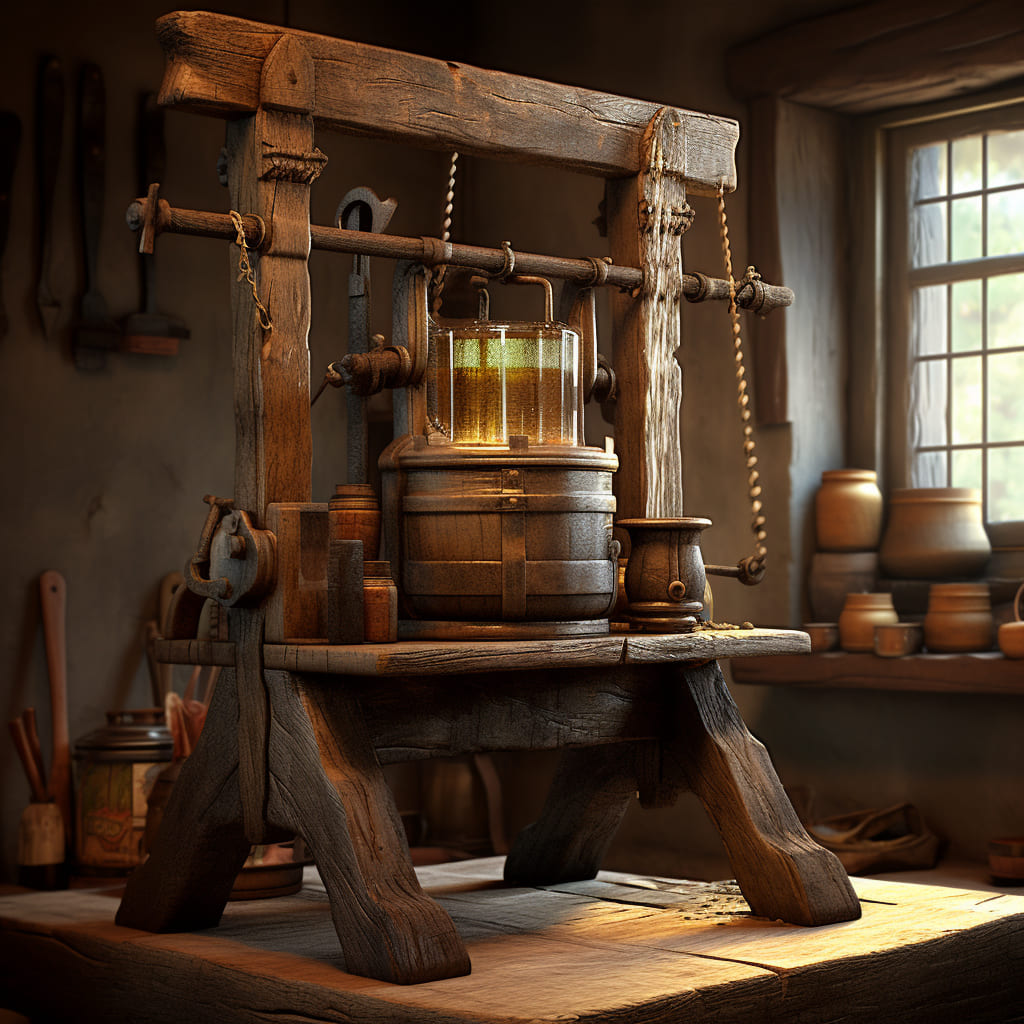
The history of oil extraction goes back to ancient times. Early methods were simple, relying mainly on manual pressing or the use of weights. With technological progress, more complex machines were developed, significantly increasing the efficiency of the process.
How Oil Presses Work
Modern oil presses are based on two main pressing technologies: cold pressing and hot pressing.
- Cold Pressing: This involves extracting oil at low temperatures, usually below 40°C, preserving nutrients, natural aroma, color, and taste.
- Hot Pressing: In this process, seeds are first heated, which increases the efficiency of oil extraction. However, heating can result in the loss of some nutritional values.
Applications of Oil Presses in the Food Industry
- Production of Edible Oils: The primary use of oil presses is producing edible oils. Oils such as rapeseed, sunflower, and nut oils are essential components of our diet.
- Production of Margarine and Plant-Based Butter: Extracted oils are often used as a base for margarine and other plant fats.
- Ingredients in Food Products: Vegetable oils are also used as ingredients in products like sauces, baked goods, and confectionery.
- Animal Feed Production: The by-products of pressing (oil cakes) are a valuable source of protein and are often used in animal feed.
Advantages of Modern Oil Presses
- Efficiency: Advanced technology allows modern oil presses to process significantly larger quantities of raw materials in less time.
- Quality: Precise control of the pressing process ensures oil of consistently high quality.
- Cost-Effectiveness: Automated presses reduce waste and maximize output, lowering production costs.
- Ease of Cleaning: Modern presses are designed for easy cleaning, reducing maintenance time and effort.
- Safety: Equipped with advanced safety systems, modern presses minimize the risk of accidents and equipment damage.
- Versatility: Many modern presses can process different types of raw materials, allowing flexibility in production.
Industrial vs. Home Oil Presses
Both industrial and home oil presses serve to extract oil from seeds and fruits. While their purpose is similar, they differ in several aspects, including size, efficiency, and the quality of the resulting product.
Industrial Oil Presses:
- Size and Design: Industrial oil presses are much larger than home models and are designed for continuous operation with large quantities of raw material.
- Efficiency: Due to their size and power, industrial presses can process several tons of seeds per day.
- Cost: More expensive to purchase and operate than home presses, but the high output compensates for the cost.
- Continuous Operation: Industrial presses can work continuously without downtime.
Home Oil Presses
- Size and Design: Home oil presses are much smaller and intended for domestic use. They are usually portable devices that can be easily stored in a kitchen.
- Efficiency: They process much smaller amounts of raw materials compared to industrial presses, typically a few kilograms of seeds per session.
- Technology: Most home oil presses use cold pressing, which helps preserve more of the nutritional value in the oil.
- Cost: Significantly cheaper to purchase and operate than industrial presses.
- Oil Quality: Oils obtained from home presses are often more aromatic and retain more nutrients, although the extraction process is less efficient.
- Key Difference: The main difference between industrial and home oil presses is the scale of operation. While industrial presses are designed for mass production and maximizing efficiency, home presses focus on oil quality and preserving its nutritional value. Cold pressing is preferred at home to maintain flavor and nutrients.
- Choosing the Right Press: The choice depends on individual needs. Large-scale oil producers must invest in industrial presses, while health-conscious enthusiasts who want to press fresh oil at home will find home presses ideal.
20 Most Frequently Asked Questions about Oil Presses in the Food Industry
1. What are the main applications of oil presses in the food industry?
The main use is extracting oil from various seeds and nuts, producing oils like sunflower, flax, soybean, rapeseed, and nut oils. The by-products (oil cakes) are protein-rich and often used in animal feed.
2. What is the difference between cold pressing and hot pressing?
Cold pressing extracts oil at low temperatures, preserving most nutrients but with lower efficiency. Hot pressing heats seeds first, increasing extraction efficiency but potentially reducing nutritional content.
3. Do industrially pressed oils differ in quality from home-pressed oils?
Yes. Industrial oils often use hot pressing, which can reduce some nutrients. Home presses usually use cold pressing, preserving more nutrients. Industrial oils may also be refined, affecting taste, color, and nutrition.
4. Which seeds and fruits are most commonly processed in the food industry?
Sunflower, rapeseed, soy, flax, peanuts, and in Mediterranean regions, olives for olive oil.
5. Are cold-pressed oils healthier than hot-pressed oils?
Cold-pressed oils retain more vitamins, antioxidants, and unsaturated fatty acids. Hot-pressed oils may lose some nutrients, though both methods have advantages depending on application.
6. Are additives used in the oil pressing process?
Not usually in traditional cold or hot pressing. Solvents like hexane may be used in industrial extraction to increase efficiency, but they must be removed from the final product.
7. What are the environmental aspects of oil production?
Large-scale production involves water use, greenhouse gas emissions, and waste generation. Modern plants aim to minimize impact through water recycling, energy efficiency, and by-product utilization.
8. Does the pressing process generate by-products?
Yes, the main by-product is oil cake, rich in protein and often used as animal feed or processed into protein flour.
9. Are vegetable oils the only products obtained from oil presses?
While oils are the main product, some presses can extract other valuable compounds like flavonoids, antioxidants, and vitamins for food, cosmetic, or pharmaceutical use.
10. Do all seeds and fruits produce oil efficiently?
Not all. Efficiency and quality depend on oil content, cost, availability, and desired properties.
11. Which technological parameters are important during pressing?
Key parameters include temperature, pressure, seed moisture content, and feed rate. Proper control ensures optimal oil yield and quality.
12. Does pressing affect oil shelf life?
Yes. Cold pressing preserves natural antioxidants, delaying oxidation, though these oils can be more sensitive to light, heat, and air than refined oils.
13. Is oil pressing energy-intensive?
Yes, especially hot pressing and solvent extraction, but modern technologies allow significant energy savings.
14. What are the main quality risks in the food industry?
Microbial contamination, pesticide residues, heavy metals, and solvent residues. Quality control is essential.
15. Are there quality standards for industrial oils?
Yes, international standards (FAO, WHO) define acceptable contamination, nutritional content, and other key parameters. Many countries also have local regulations.
16. Is cold pressing better than traditional methods?
Cold pressing preserves more phytochemicals, vitamins, and antioxidants but may reduce shelf life. The choice depends on quality, economic, and market considerations.
17. What are the steps in the industrial oil pressing process?
Cleaning, dehulling (if necessary), grinding, heating (for hot pressing), pressing, separating oil from residues, and optional refining.
18. Do oils from different raw materials have different properties?
Yes. Flaxseed, sesame, sunflower, and olive oils vary in taste, color, texture, and nutritional value.
19. Can pressing methods affect nutritional value?
Yes. Hot pressing, solvent extraction, or refining can reduce nutrients, but proper process control minimizes losses.
20. Which technologies improve cold-press extraction efficiency?
Modern methods include ultrasound extraction, supercritical CO₂ extraction, and enzymatic treatments, which increase yield while maintaining oil quality.
Oil Presses in the Food Industry: Innovation Within Your Reach!
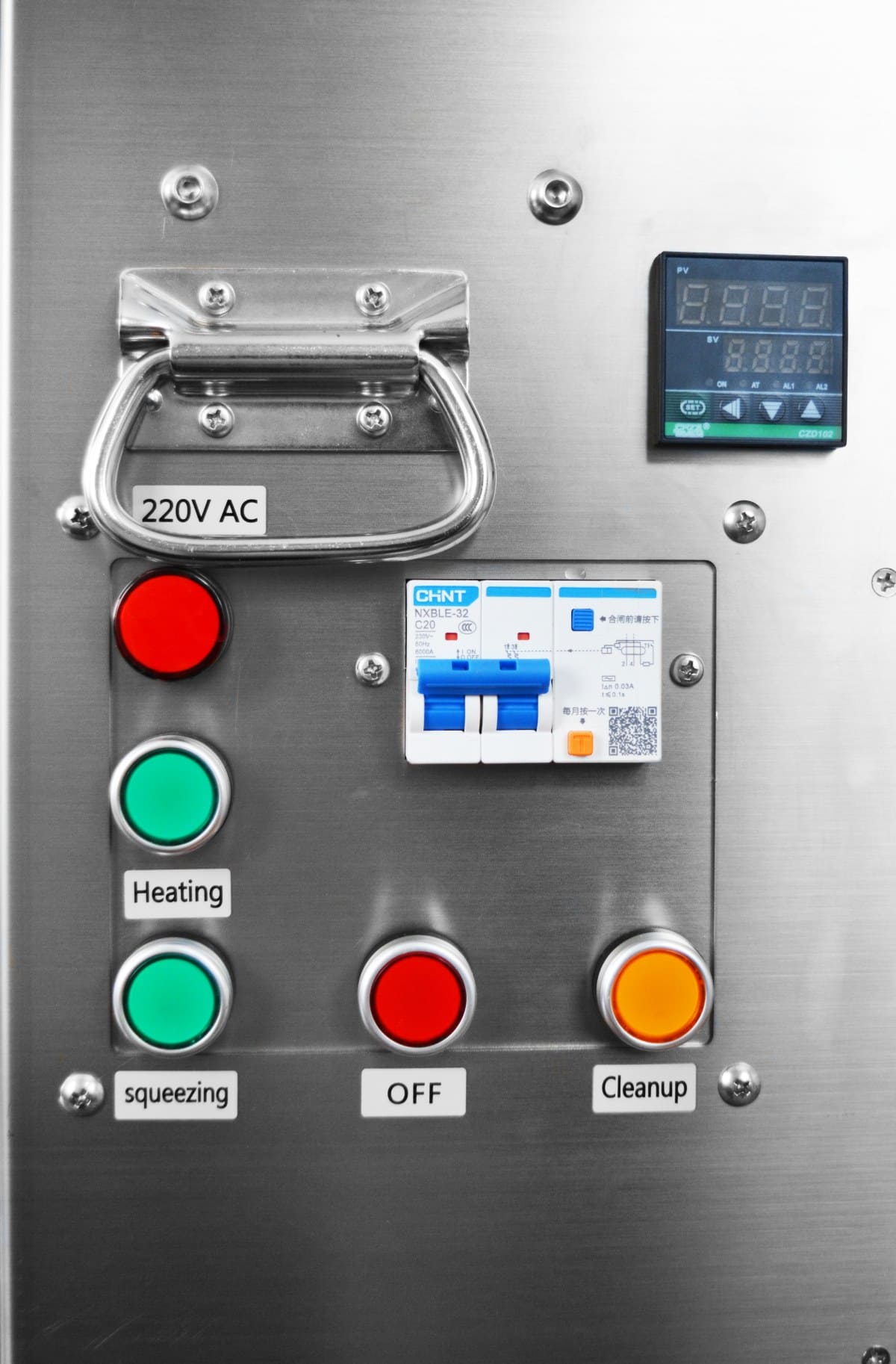
Extraction of vegetable oil plays a key role in the food industry. The right pressing technology ensures the preservation of essential nutrients, giving oils their unique flavor, color, and texture. Using modern pressing methods, such as cold pressing, not only produces a higher-quality product but also minimizes losses during the extraction process.
Did you know that the key to achieving the best results in oil production is choosing the right equipment? Whether you are a large-scale producer or a home oil enthusiast, the right oil press is the foundation of your success.
Invest in the future with PRIMA-TECH!
We are proud to present our range of top-quality oil presses. PRIMA-TECH, based in Kolonia Poczesna, specializes in providing technologically advanced oil presses that combine reliability, efficiency, and innovation.
Why choose oil presses from PRIMA-TECH?
Technology: Our presses use the latest technological solutions, ensuring efficient extraction while preserving the oil’s nutritional value.
Support: Our team of specialists is always ready to provide assistance, help you choose the right equipment, and offer technical advice.
Quality: We strive for excellence in every detail. Our oil presses are the result of years of experience and research to meet the highest quality standards.
Don’t wait! Join our satisfied clients and take your oil production to the next level!
PRIMA-TECH S.C.
ul. Górna 2A Sta. 7
42-262 Kolonia Poczesna
Contact us today to learn how we can support your business!