
Table of Contents
Grinding grain plays a key role in the food production process. Nowadays, grain grinders have become an essential part of households, restaurants, and food processing facilities, as they allow for freshly ground flours, groats, spices, or coffee that retain all their nutritional and flavor qualities. Here is a detailed overview of the different types of grain grinders and their applications.
Types of Grain Grinders
Manual Grinders
Manual grinders are traditional devices that have been used for centuries. They allow grain to be ground in a simple, mechanical way without the use of electricity. They are characterized by a compact design and easy operation.
Advantages of Manual Grinders:
- Eco-friendly: They do not require electricity, making them environmentally friendly.
- Durable: Due to their simple construction, manual grinders often last for many years.
- Independent of power: Ideal for emergency situations, such as power outages.
- Grinding precision: Users can adjust the pressure, giving full control over the coarseness of the grind.
Uses of Manual Grinders:
Manual grinders are suitable for grinding small quantities of grain. They are mainly used for making flour for personal use, grinding coffee, spices, or herbs. They work perfectly in households where grinding is done occasionally.
Examples of Manual Grinders:
Stone manual grinders: These devices are inspired by the tradition of grinding on stone millstones. They are ideal for grinding whole-grain flour.
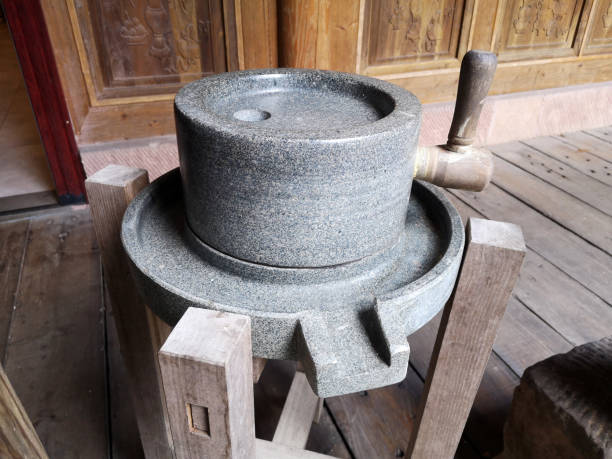
Screw Grinders: These grinders use a screw-based grinding mechanism, making them excellent for grinding small grains, coffee, and spices.
2. Electric Grinders
Electric grinders are gaining popularity due to their convenience and speed. These are powered devices that allow larger quantities of grain to be ground in a shorter time compared to manual grinders.
Advantages of Electric Grinders:
- Speed: Electric grinders are significantly faster than manual counterparts, making them ideal for larger households or restaurants.
- Versatility: Many electric grinder models offer adjustable grind settings, allowing you to produce both flour and groats with varying degrees of coarseness.
- Efficiency: They can grind large amounts of grain in a short time.
Uses of Electric Grinders:
Electric grinders are perfect for situations where high output is needed—small food processing facilities, bakeries, or homes where whole-grain flours are prepared regularly. They can also be used to grind spices, coffee, and other raw materials.
Examples of Electric Grinders:
- Blade grinders: These have rotating blades that crush the grain. They are simple and inexpensive but produce less precise results.
- Electric burrs grinders: These feature special grinding discs (burrs) that grind grain precisely without overheating it, preserving nutritional value. These devices often include adjustable grind settings, allowing you to easily control the final product’s coarseness with a single dial.
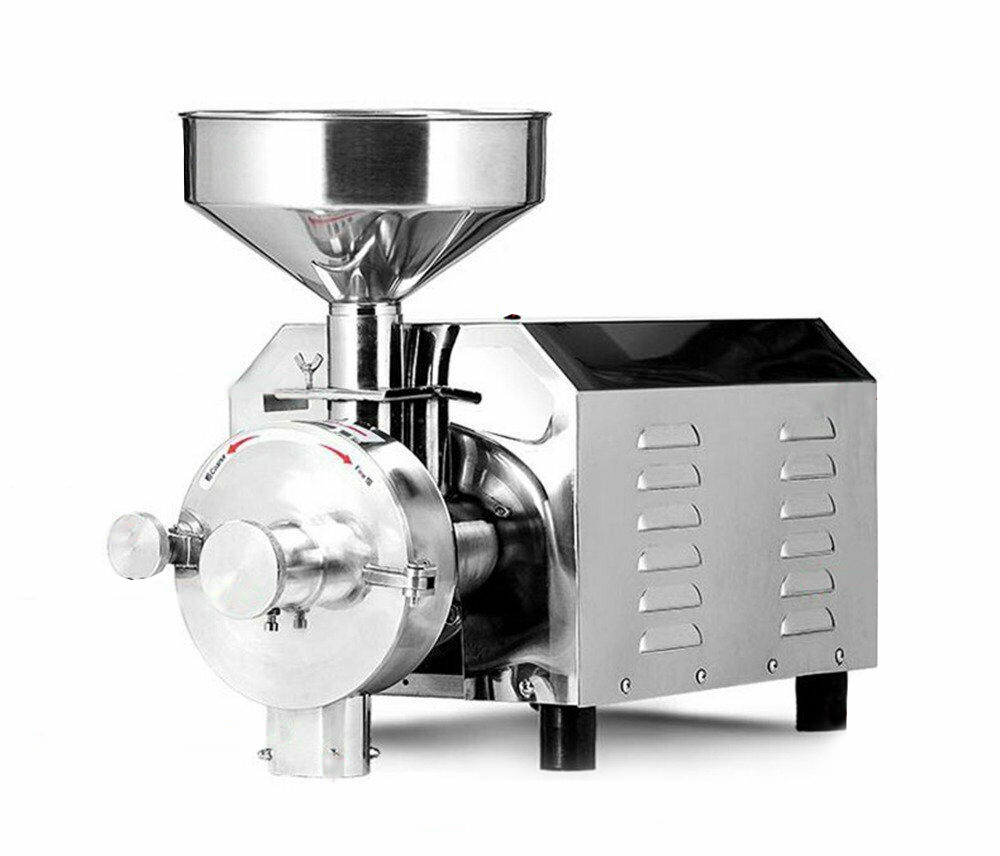
Only with us!
You can purchase an interchangeable grinding head that allows you to grind oil-rich seeds such as sunflower seeds, nuts, or pumpkin seeds. The head designed for grinding these raw materials is engineered to minimize clogging and mass buildup, which extends the device’s lifespan and makes grinding easier.
Industrial Grinders
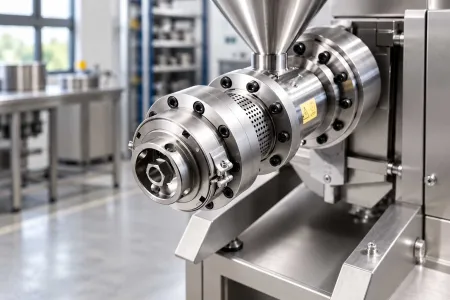
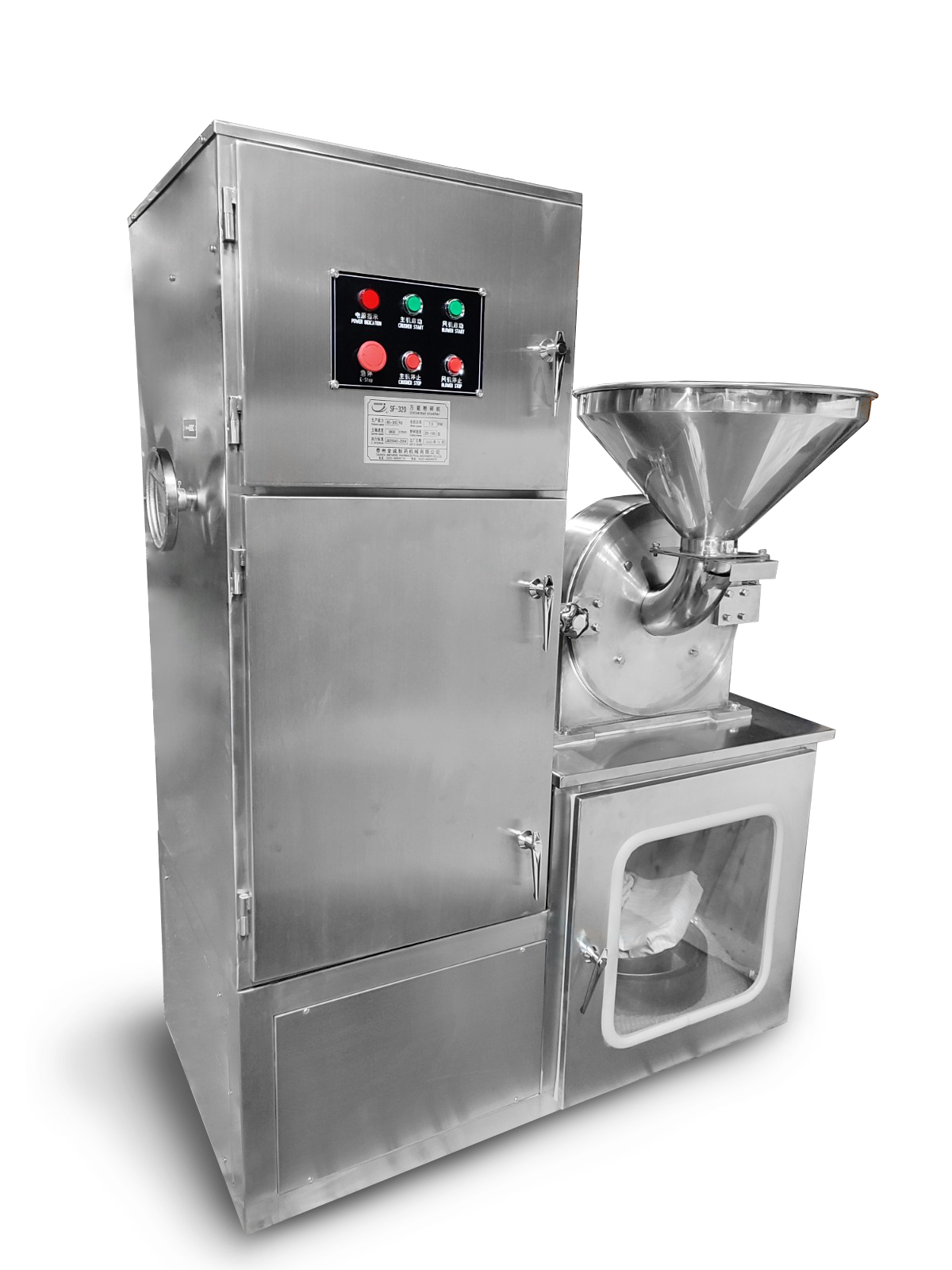
Industrial grinders are large, advanced devices designed for use in the food industry. Unlike home grinders, they can grind huge quantities of grain in a short time with high precision.
Advantages of Industrial Grinders:
- High efficiency: They allow for grinding large batches of grain in a short period.
- Precise adjustment: Many industrial grinder models offer advanced options for adjusting grind coarseness.
- Durability and strength: Built from robust materials that can withstand intensive use.
Uses of Industrial Grinders:
They are used in food processing, mills, and facilities producing flour, groats, or other grain products. In industry, these grinders are used to process large amounts of cereals, coffee, spices, cocoa, nuts, and other raw materials.
Examples of Industrial Grinders:
- Roller grinders: Feature rollers that crush grain into finer particles, often used in large mills.
- Hammer mills: Crush grain using rotating hammers. They are commonly used for feed production, but also in the food and pharmaceutical industries.
Applications of Grain Grinders
Grain grinders have a wide range of applications across different sectors, from home use to the food industry. Here are the main areas of their use:
1. Whole-Grain Flour Production
Home grinders, both manual and electric, allow for the preparation of fresh whole-grain flour. Such flour contains more fiber, minerals, and vitamins than refined flour, making it healthier. The ability to grind various types of grains (wheat, rye, oats) gives users great flexibility in selecting products.
2. Coffee Preparation
Freshly ground coffee has a much more intense flavor and aroma than pre-ground coffee available in stores. Manual and electric grinders are popular among coffee enthusiasts who want control over the grind size, which affects the quality of the brew.
3.Spice Grinding
Freshly ground spices retain more essential oils, resulting in stronger flavor and aroma. Manual and electric grinders are ideal for grinding spices like pepper, nutmeg, cinnamon, and herbs.
4. Feed Processing
In agriculture and animal husbandry, grinders are used to process grains intended for animal feed. Industrial grinders, such as hammer mills, are commonly used here, enabling efficient grinding of grains for feeding livestock.
5. Food Industry
In large processing plants, grinders are used to produce flour, groats, cocoa, and to grind nuts and seeds. These products are then used in the baking, confectionery, and foodservice industries.
FAQ – Frequently Asked Questions about Grain Grinders
1. Which grinder should I choose: manual or electric?
The choice depends on your needs. Manual grinders are ideal for occasional grinding or for those who appreciate traditional methods, e.g., grinding coffee or spices. Electric grinders are better when you need to grind larger quantities quickly, such as making flour at home.
2. What types of grains can be ground?
Grain grinders can process a variety of grains, such as wheat, rye, oats, barley, corn, spelt, or buckwheat. Depending on the model, they can also grind spices, coffee, herbs, seeds, and nuts. Ensure the grinder is suitable for the product you plan to grind.
3. Do electric grinders overheat the grains?
Some electric grinders, especially blade types, can generate higher temperatures during operation, potentially causing nutrient loss. Burr grinders (manual or electric) are better as they operate at lower temperatures, preserving more nutrients.
4. How to maintain a grain grinder?
- Regular cleaning: Residues can accumulate over time. Electric grinders can often be wiped clean, while manual grinders may need disassembly to clean the burrs.
- Avoid grinding wet grains: Grinders are intended for dry materials; moisture can clog the mechanism and cause mold.
- Lubricate moving parts: For manual grinders with metal components, occasional lubrication reduces friction and wear.
5. Are manual grinders efficient?
Manual grinders are less efficient than electric ones, but they offer precise control over grind size. Grinding small amounts is easy, but larger quantities can be time-consuming.
6. Can every grinder be used for coffee?
Not all grain grinders are suitable for coffee. Burr or ceramic grinders are preferred, as they allow grind adjustment without overheating the beans, which preserves aroma and flavor.
7. What types of flour can be obtained?
Depending on the grinder type and settings, you can produce coarse, medium, or fine flour. Whole-grain flour from home grinders is richer in fiber and nutrients than store-bought flour.
8. How do industrial grinders differ from home grinders?
Industrial grinders differ in size, performance, and technological sophistication. They handle large volumes and are more durable. Home grinders are sufficient for smaller, everyday use.
9. How often should the burrs be replaced?
Replacement depends on usage. Home grinder burrs can last several years, while industrial grinders under heavier loads may require more frequent replacement. Check burr condition regularly.
10. Can a grain grinder be used for other products, like spices or nuts?
Yes, some grinders (manual and electric) are multifunctional and can process spices, nuts, herbs, or coffee. Always check the grinder’s specifications to avoid damage.
11. Is home-ground flour healthier than store-bought flour?
Yes, home-ground flour is fresher and whole-grain, containing all parts of the grain – bran, germ, and endosperm. Store-bought flour often has nutrients removed for longer shelf life.
12. Are grinders noisy?
Electric blade grinders can be loud. Burr grinders, manual or electric, are quieter, while manual grinders are the quietest but require more effort.
13. Are grain grinders difficult to operate?
Most grinders are easy to use. Manual grinders require physical effort but are simple in design. Electric grinders typically feature intuitive controls and step-by-step instructions.
14. How much does a grain grinder cost?
Prices vary by type, quality, and features. Manual grinders start at modest prices, while advanced electric models range from hundreds to thousands of dollars. Industrial grinders are significantly more expensive due to size and capacity.
Summary
Grain grinders are versatile devices that allow you to enjoy freshly ground products with high nutritional value. Choosing the right grinder depends on your needs, the volume of grinding, and preferred coarseness. From manual to electric models, grinders can be tailored for both home and professional use.