
Table of Contents
- What Makes an Oil the Healthiest in the World?
- Ranking of the Healthiest Oils in the World
- The Revolutionary Importance of Cold Pressing
- Home Production of the Healthiest Oils
- The Best Raw Materials for Home Oil Pressing
- Culinary Uses of the Healthiest Oils
- Specialized Dietary Applications
- Proper Storage of the Healthiest Oils
- Scientific Evidence on the Effects of the Healthiest Oils
- Cultural Traditions of Using the Healthiest Oils
- Environmental and Social Aspects of Producing the Healthiest Oils
- The Future of the Healthiest Oils Market
- Practical Tips for Choosing the Healthiest Oil
- Summary – The Path to the Healthiest Choice
- Frequently Asked Questions (FAQ)
Choosing the Right Oil – One of the Most Important Kitchen Decisions Choosing the right oil is one of the most important decisions we make in the kitchen. In an era of growing health awareness, more and more people ask: what is the healthiest oil in the world? This seemingly simple question involves a complex understanding of nutritional content, production methods, and the impact on our health.
Interest in Healthy Eating Raises Questions: Which Oils Deserve the Title of the Healthiest, Why Cold Pressing Is Key to Preserving Nutritional Value, and How to Produce Top-Quality Oils at Home
What Makes an Oil the Healthiest in the World?
To determine which oil is the healthiest, we need to analyze several key factors that influence its nutritional value and impact on the body. The most important element is the fatty acid profile, which should have an optimal balance of different types of fats.
The healthiest oils contain approximately 60–80% monounsaturated fatty acids, primarily in the form of oleic acid. These compounds have particularly beneficial effects on the cardiovascular system, helping to lower levels of harmful LDL cholesterol while not negatively affecting the level of good HDL cholesterol.
Equally important is the presence of polyunsaturated fatty acids omega-3 and omega-6, which should exist in a proper ratio. The ideal omega-6 to omega-3 ratio is between 1:1 and 4:1, whereas in a typical Western diet it often exceeds 20:1, which can lead to inflammatory conditions in the body.
The content of saturated fatty acids in the healthiest oils usually does not exceed 15% of total composition, which minimizes the risk of cardiovascular diseases. However, not all saturated fats are equally harmful—for example, MCTs (Medium Chain Triglycerides) found in coconut oil can provide health benefits.
The second key factor is the content of natural antioxidants, which protect the body from harmful free radicals. The healthiest oils are rich in:
- Vitamin E, in the form of tocopherols and tocotrienols
- Polyphenols, especially present in olive oil
- Carotenoids, such as beta-carotene and lutein
- Squalene, a natural compound with anti-aging properties
- Thermal stability of the oil determines how well it maintains its properties during storage and cooking. It depends on:
- Smoke point – the temperature at which the oil begins to break down
- Resistance to oxidation – the ability to retain quality during storage
- Content of natural stabilizers – which protect against rancidity
Only oils that meet all of these criteria can be considered the healthiest and most valuable for daily nutrition.
Ranking of the Healthiest Oils in the World
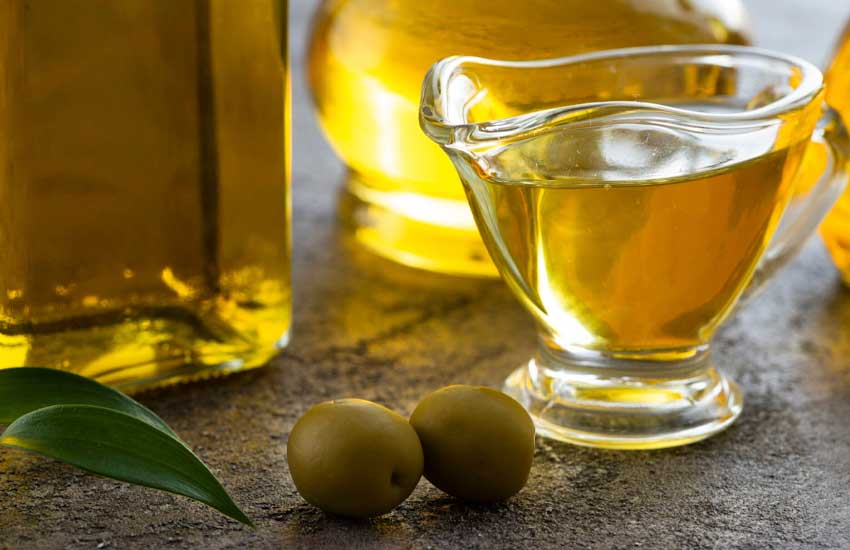
Extra Virgin Olive Oil – The Undisputed Leader
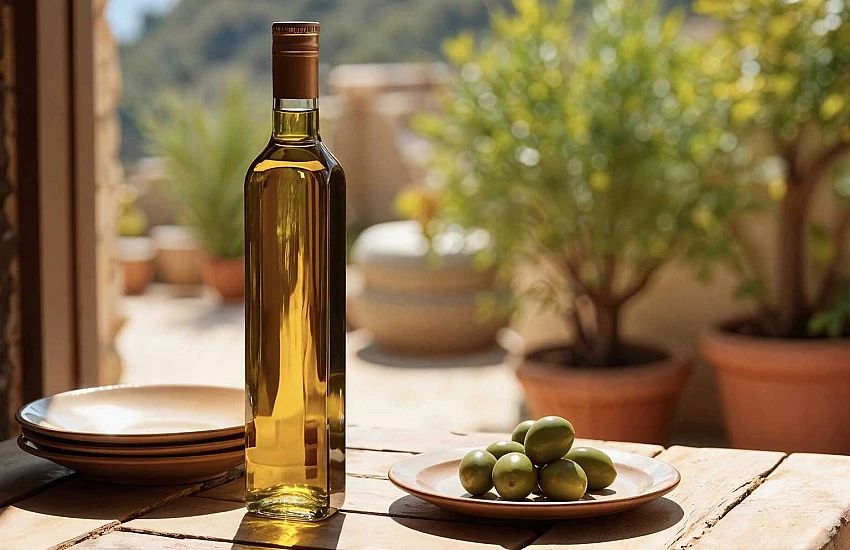
At the top of the ranking of the healthiest oils in the world is consistently extra virgin olive oil, obtained exclusively through cold pressing. This exceptional oil contains about 73% oleic acid (omega-9), which is primarily responsible for its cardiovascular benefits. Moreover, extra virgin olive oil boasts over 30 different polyphenols with strong anti-inflammatory properties that not only protect the oil from oxidation but also act as powerful antioxidants in our body.
A particularly valuable component is squalene – a natural compound that supports skin regeneration and exhibits anticancer properties. Vitamin E, at approximately 14 mg per 100 g of oil, further enhances its antioxidant potential. Numerous scientific studies show that regular consumption of extra virgin olive oil can reduce the risk of heart disease by 30%, support cognitive functions, and protect against certain types of cancer.
Recognizing authentic extra virgin olive oil requires some knowledge. A genuine oil should be stored in a dark glass bottle, protected from light, have a pressing date not older than 18 months, be certified with DOP or PDO labels, and its flavor should feature a slightly bitter taste with an intense aroma of fresh olives.
Flaxseed Oil – A Plant Source of Life-Giving Omega-3
Flaxseed oil deserves the title of a superfood due to its unmatched content of alpha-linolenic acid (ALA), the plant-based form of omega-3. One tablespoon provides up to 7 grams of this valuable nutrient, making it an essential part of vegan and vegetarian diets. In addition to omega-3, flaxseed oil contains natural lignans—compounds with phytoestrogenic properties that can support hormonal balance, especially in women during menopause.
A defining feature of flaxseed oil is its exceptional sensitivity to external factors. It must always be cold-pressed and refrigerated, as even minimal exposure to light, heat, or oxygen can cause rapid spoilage. Its saturated fat content is only 9%, making it one of the lightest oils on the market.
Regular consumption of flaxseed oil supports cardiovascular health, brain and nervous system function, skin elasticity and hydration, and may help maintain hormonal balance. Its delicate, slightly nutty flavor makes it ideal for salads and cold dishes.
Walnut Oil – Brain Power in a Bottle
Walnut oil is distinguished by a unique nutritional profile, making it particularly valuable for neurological functions. It contains about 53% linoleic acid (omega-6) and 10% alpha-linolenic acid (omega-3), which results in a relatively favorable ratio compared to many other plant oils. Its composition is complemented by tocopherols (natural vitamin E) and phytoestrogens with anti-inflammatory effects.
Scientific research confirms the beneficial impact on the nervous system and cognitive functions. Regular consumption of walnut oil can support memory and concentration, especially in older adults, and may help prevent neurodegenerative processes. Its intense, characteristic flavor pairs excellently with salads, desserts, and as a finishing touch to cooked dishes.
Chia Seed Oil – Liquid Superfood
Chia seed oil is a relatively new but highly promising addition to the list of the healthiest oils. Its main advantage is its exceptionally high alpha-linolenic acid (omega-3) content, which can reach up to 64% of total fatty acids. Additionally, it contains about 20% linoleic acid (omega-6) and a range of highly active antioxidants.
A unique feature of chia oil is its protein content with a complete amino acid profile, which is rare among plant oils. This combination makes chia oil ideal for athletes and anyone seeking plant-based sources of complete nutrients. Its neutral taste allows for easy incorporation into various dishes without altering flavor.
Rapeseed Oil – A National Treasure of Global Class
High-oleic rapeseed oil is often underrated but extremely valuable due to its excellent health profile. It contains about 61% oleic acid (omega-9), 21% linoleic acid (omega-6), and 11% alpha-linolenic acid (omega-3), with only 7% saturated fats. This combination makes it one of the most balanced oils available in the Polish market.
The main advantage of rapeseed oil is its almost ideal omega-6 to omega-3 ratio of around 2:1, outperforming most other plant oils. Its relatively good thermal stability and affordable price make it perfect for everyday cooking. Rapeseed oil works well in both cold dishes and gentle cooking, and its neutral flavor does not overpower the natural taste of ingredients.
Avocado Oil – Stability and Versatility
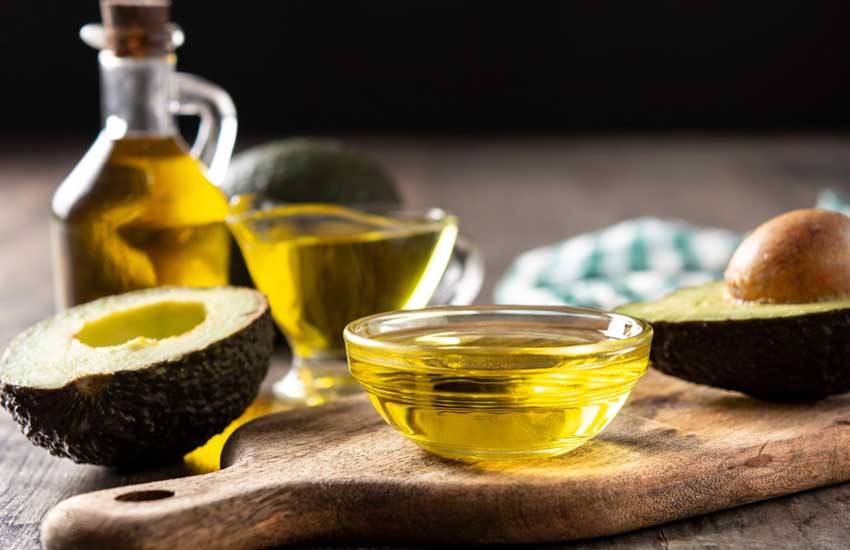
Avocado oil is gaining popularity due to its exceptional thermal stability and versatility. It contains about 70% oleic acid (omega-9), similar to olive oil, but its smoke point of up to 270°C makes it ideal for high-temperature cooking. This property is especially appreciated by those who prefer healthy frying and grilling.
In addition to a favorable fatty acid profile, avocado oil contains valuable carotenoids that support eye health and luteolin, which may protect against macular degeneration. Its rich, slightly nutty flavor complements salads and serves as a cooking medium for Asian or Mediterranean dishes requiring higher temperatures.
The Revolutionary Importance of Cold Pressing
Cold pressing is a method of extracting oil carried out at temperatures not exceeding 40°C, without using high heat or chemical solvents. This method is absolutely essential for producing the healthiest oils, as it preserves all natural nutrients in their unchanged, biologically active form.
During cold pressing, not only are delicate polyunsaturated fatty acids preserved—particularly sensitive to high temperatures—but also all natural antioxidants, fat-soluble vitamins, and aromatic compounds that give the oil its distinctive taste and aroma. Maintaining temperatures below 40°C ensures that tocopherols and tocotrienols (vitamin E) remain fully active, as do polyphenols and carotenoids.
Equally important is that cold-pressed oils contain no chemical solvent residues, commonly used in industrial refined oil production. The absence of hexane, gasoline, or other chemicals means the final product is completely natural and safe for long-term consumption.
The cold pressing process also preserves the natural flavor and aroma of the seeds or fruits from which the oil is derived. Unlike refined oils, which undergo bleaching, deodorization, and neutralization, cold-pressed oils maintain their distinct flavor profile, often adding culinary value.
However, cold pressing has limitations. Oils produced this way are more susceptible to oxidation and have a shorter shelf life compared to refined oils. They require stricter storage conditions and are generally more expensive due to the lower efficiency of the production process.
Home Production of the Healthiest Oils
The healthiest oils can be produced at home using professional oil presses. The online store pureoilpress.com offers a wide range of devices that allow for the production of top-quality oils in your own kitchen, giving full control over the production process and the quality of the final product.
Home pressing offers numerous advantages, the most important being complete control over raw material quality. You can select the best seeds or nuts, ensure their origin and freshness, and maintain cold pressing without compromise. Additionally, it eliminates the risk of added preservatives or artificial additives present in commercial oils.
From an economic perspective, home oil production can be a highly profitable long-term investment. While the initial cost of an oil press may seem significant, after a year of regular use, the investment pays off through savings on premium commercial oils. Furthermore, it allows experimentation with different seeds and nuts, creating unique oil blends tailored to individual taste and health needs.
The store prasyolejowe.pl offers a wide selection of home and semi-industrial oil presses. Home presses are compact and easy to use, enabling cold or warm pressing of various seeds and nuts in a comfortable kitchen setting. They ensure the production of fresh, natural oils that retain their nutritional and flavor qualities. Made from high-quality materials, these presses are durable and reliable for daily use.
Semi-industrial models, such as the LY-129, combine high efficiency with compact size, suitable for both home and small business use. They feature interchangeable screws and adjustable pressure, optimizing the pressing process for different raw materials. Constructed from stainless steel, these presses are easy to clean and ensure long-term durability.
Thanks to advanced technological solutions, the presses available at pureoilpress.pl allow efficient extraction of oil both cold and warm, preserving freshness and nutrients. The store also offers advisory support to help select the right press according to individual needs and production scale.
Simple to operate and easy to clean, these oil presses are ideal for people who value a healthy lifestyle and want full control over the quality of the oils they produce. They offer cost savings, allow experimentation with different raw materials, and provide the satisfaction of creating fresh, natural food products at home.
The Best Raw Materials for Home Oil Pressing
Choosing the right raw material is crucial for the quality of the resulting oil. Sunflower seeds are an excellent starting point for beginners in home oil production. They yield around 40–45% oil, are easy to press, and produce oil rich in vitamin E with a delicate, pleasant flavor. Additionally, sunflower seeds are widely available and relatively inexpensive.
Rapeseed, especially high-oleic varieties, provides an oil yield of 30–35% and produces oil with an optimal omega fatty acid profile. Its main advantages are local availability and the possibility of purchasing directly from Polish farmers, ensuring freshness and traceability. Homemade rapeseed oil significantly surpasses commercial industrial oils in quality.
Walnuts, despite a higher raw material cost, offer the highest oil yield, around 60–65%. They produce oil with exceptional nutritional properties and a distinctive, intense flavor, perfect for salads and desserts. Pressing walnuts is relatively simple and does not require special preparation.
Flax seeds require particular care due to the high sensitivity of the oil. Yield is 35–40%, and the resulting oil must be immediately stored in the refrigerator in dark glass bottles. Despite these limitations, fresh homemade flaxseed oil significantly exceeds store-bought versions in quality and retains maximum omega-3 content.
Culinary Uses of the Healthiest Oils
Choosing the right oil for a specific culinary application is crucial for both preserving health benefits and achieving optimal flavor. Oils vary in thermal stability and smoke points, determining their suitability for different cooking techniques.
For high-temperature cooking, such as frying or grilling, oils with a high smoke point are ideal. Avocado oil, with a smoke point of 270°C, is perfect for intense frying and grilling, maintaining stability even at very high temperatures. Its neutral flavor does not overpower the natural aromas of ingredients, making it a versatile culinary medium.
Coconut oil, with a smoke point of 180°C, works well in Asian cuisine and baking, imparting a delicate, exotic aroma. Its natural oxidation resistance allows it to retain properties even during prolonged cooking. Its richness in MCTs also makes it valuable for ketogenic diets.
For cold preparations like salads, sandwiches, or as a finishing oil, the best choices are oils rich in nutrients and flavor. Extra virgin olive oil, with its characteristic, intense taste and aroma, is a classic choice for Mediterranean salads and as an addition to prepared dishes.
Flaxseed oil, due to its delicacy and high omega-3 content, should only be used cold. Its lightly nutty taste complements raw salads, natural yogurts, and smoothies. It should be added only to cooled dishes to preserve maximum nutritional value.
Nut oils are excellent for desserts, fruit salads, and finishing vegetarian dishes. Their intense aroma means only small amounts are needed to impart a distinctive flavor.
Specialized Dietary Applications
Different diets require tailoring oil selection to specific metabolic and health needs.
Ketogenic diets, which rely on fats as the primary energy source, benefit from MCT oil from coconut, avocado oil, and clarified butter (ghee). These oils are metabolized quickly and support ketosis.
Vegan diets require attention to omega-3 intake. Plant sources include flaxseed oil and chia seed oil. Rotating these with walnut oil optimizes fatty acid balance without supplementation.
Anti-inflammatory diets focus on extra virgin olive oil, black cumin oil, and evening primrose oil, rich in natural anti-inflammatory compounds supporting the body against chronic inflammation and autoimmune conditions.
Proper Storage of the Healthiest Oils
Correct storage is essential for preserving health properties and prolonging shelf life. Cold-pressed oils are more sensitive than refined ones, requiring strict storage practices.
Temperature: Most delicate oils (flaxseed, chia) must be refrigerated at 4–8°C.
More stable oils (avocado, coconut) can be stored at 8–15°C, away from heat sources. Avoid temperature fluctuations, which accelerate oxidation.
Light: UV light is a major enemy of oil quality. Use dark, opaque glass bottles stored in cabinets, away from windows and fluorescent lighting, to extend shelf life and maintain antioxidant properties.
Air exposure: Contact with oxygen initiates oxidation, leading to rancidity and nutrient loss. Bottles should be tightly sealed immediately after use. For large containers, transfer oil to smaller bottles as it is used to minimize air exposure.
Shelf life: Stable oils like extra virgin olive oil or avocado oil: 6–12 months.
Flaxseed oil: 2–4 weeks after opening.
Nut oils: 3–6 months.
Signs of spoilage: Bitter or rancid taste, metallic aroma, musty odor, clouding in clear oils and color changes
Any of these signs indicate the oil has lost its properties and should not be consumed.
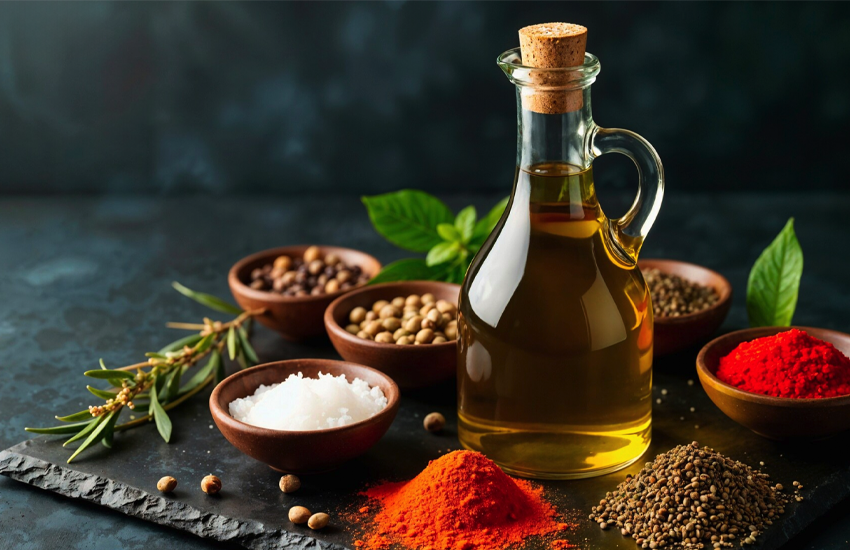
Scientific Evidence on the Effects of the Healthiest Oils
The impact of the healthiest oils on the human body is extensively documented in scientific literature, with numerous clinical studies confirming their beneficial effects on various aspects of health. Regular consumption of high-quality oils, particularly cold-pressed oils, provides measurable health benefits supported by international research.
Studies on the Mediterranean diet have shown that regular consumption of extra virgin olive oil can lower LDL (“bad”) cholesterol by 15–20%, while increasing HDL (“good”) cholesterol. This effect is primarily due to the presence of monounsaturated fatty acids, which positively influence the blood lipid profile, and polyphenols, which protect lipoproteins from oxidation.
Equally impressive are findings regarding blood pressure. A meta-analysis involving over 4,000 participants demonstrated that regular intake of extra virgin olive oil can reduce systolic blood pressure by 2–3 mmHg, translating to an approximate 10% reduction in heart attack risk and a 7% reduction in stroke risk. These seemingly small changes have significant population-level health implications.
Oils rich in omega-3 fatty acids, particularly flaxseed oil, play a crucial role in nervous system function. Alpha-linolenic acid (ALA), once converted in the body to EPA and DHA, supports neuronal cell membrane structure, enhances neurotransmission, and may promote neuroplasticity. Long-term observational studies suggest that a diet high in omega-3s can reduce the risk of Alzheimer’s disease by 40% and Parkinson’s disease by 25%.
The fatty acids in the healthiest oils strengthen the skin’s lipid barrier, reduce transepidermal water loss, and improve skin elasticity. Dermatological studies have shown that supplementing with flaxseed oil for 12 weeks can increase skin hydration by 39% and reduce roughness by 76%. These benefits extend to hair and nail health, supporting strength, shine, and resilience.
Oils provide essential building blocks for the synthesis of steroid hormones, including sex hormones and cortisol. Studies indicate that very low-fat diets can lead to hormonal imbalances, whereas adequate consumption of the healthiest oils supports proper hormone production and overall endocrine health.
In summary, scientific evidence confirms that incorporating high-quality, cold-pressed oils into the diet can support heart health, brain function, skin integrity, and hormonal balance, making them a cornerstone of a health-promoting lifestyle.
Cultural Traditions of Using the Healthiest Oils
The history of oil use across different cultures offers fascinating examples of intuitively recognizing their health benefits long before the advent of modern nutritional science. These traditional practices are often validated by contemporary research, highlighting the wisdom of generations in selecting the healthiest dietary ingredients.
Mediterranean Culture – Olive Oil as a Cultural and Health Staple
In Mediterranean cultures, olive oil has been more than just a culinary base; it has been a key element of cultural identity for thousands of years. On Crete, for example, residents consume an average of 35–40 liters of olive oil per person per year, which accounts for roughly 25% of their total caloric intake. This tradition translates into measurable health benefits: people in Mediterranean countries show the lowest incidence of heart disease in Europe, longevity exceeding the European average by 5–7 years, and lower rates of neurodegenerative diseases and certain cancers.
Traditional Chinese Medicine – Sesame Oil for Health
In Traditional Chinese Medicine (TCM), sesame oil has been used for centuries not only as a culinary ingredient but also as a therapeutic agent. According to TCM principles, sesame oil possesses “warm” properties, supports liver function, improves joint flexibility, and strengthens the immune system. Modern studies confirm the presence of sesamin and sesamol in sesame oil—compounds with strong hepatoprotective and anti-inflammatory properties.
Southeast Asian Cultures – Coconut Oil for Longevity
In Southeast Asia, coconut oil has been a dietary cornerstone for thousands of years. Populations in these regions exhibit low rates of metabolic diseases, despite high dietary intake of saturated fats. Modern research attributes this paradox to the medium-chain triglycerides (MCTs) in coconut oil, which positively affect metabolism without negatively impacting blood lipid profiles.
Northern European Traditions – Flaxseed Oil as Nutrition and Protection
In Northern Europe, flaxseed oil was historically used not only as a food source but also as a natural preservative and protective agent. In Scandinavia and northern Poland, flaxseed oil served as a primary source of omega-3 fatty acids before industrial fishing became widespread. Regular consumption of flaxseed oil may have protected populations from diseases associated with omega-3 deficiencies in harsh northern climates.
These examples demonstrate that the healthiest oils have been valued across cultures for both culinary and medicinal purposes, and modern science increasingly confirms the wisdom embedded in these traditions.
Environmental and Social Aspects of Producing the Healthiest Oils
Choosing the healthiest oil in the 21st century cannot be limited solely to analyzing its nutritional properties—environmental and social aspects of production are equally important. Sustainable production of high-quality oils requires a holistic approach that considers the impact on natural ecosystems, local communities, and the long-term availability of raw materials.
Environmentally responsible production begins at the cultivation stage. Seeds and nuts intended for the healthiest oils should come from organic farms free from pesticides, herbicides, and synthetic fertilizers. This approach not only eliminates chemical residues in the final product but also supports biodiversity, protects soil from degradation, and reduces the negative impact of agriculture on aquatic ecosystems.
Using locally sourced raw materials offers multiple ecological and economic benefits. Shortening the supply chain significantly reduces the carbon footprint associated with transportation, supports the local economy, and allows direct contact with producers, ensuring better control over quality and freshness. In Poland, favorable conditions for cultivating rapeseed, sunflower, and flax allow for the production of high-quality oils without relying on imports.
For oils made from imported raw materials, such as olives or nuts, Fair Trade certification guarantees fair wages for farmers, safe working conditions, and investment in the development of local communities. Choosing products with this certification supports sustainable development in producing regions and contributes to improving living conditions for local populations.
Maintaining the genetic diversity of oilseed plants is crucial for the future of the healthiest oil production. Supporting small farms that cultivate traditional seed and nut varieties helps prevent genetic erosion and preserves the unique properties of regional cultivars, which often have superior nutritional profiles compared to industrial varieties.
By integrating ecological, social, and economic considerations into oil production, we ensure that the healthiest oils are truly sustainable, both for human health and the planet
The Future of the Healthiest Oils Market
The market for high-quality oils is currently undergoing a dynamic transformation driven by growing consumer health awareness, technological advancements, and lifestyle changes. These trends are shaping the industry’s development and opening fascinating opportunities for enthusiasts of the healthiest oils.
Home Oil Press Technology
The development of home oil presses, offered by stores such as pureoilpress.com, is democratizing access to top-quality cold-pressed oils. The latest models are equipped with automatic temperature control systems, ensuring optimal pressing conditions, advanced filtration systems that remove impurities without affecting nutritional properties, and real-time quality monitoring that provides information on the ideal process parameters.
Personalized Nutrition
Personalized nutrition is becoming one of the most important trends in 21st-century dietary habits. Increasingly, people select oils based on genetic tests that determine metabolic predispositions, blood biomarker analyses indicating specific deficiencies, or individual health needs linked to age, sex, and physical activity level. This individualized approach maximizes the health potential of the best oils.
Supply Chain Transparency
Transparency in the supply chain is now an expected standard for informed consumers. Modern technologies such as blockchain allow tracing the origin of every batch of seeds—from the field through the pressing process to the end consumer. This traceability ensures the authenticity, quality, and ethical production of oils.
Nutritional Science and New Functional Oils
Ongoing research in nutrition science continues to uncover new properties of well-known oils and identifies promising sources of new functional oils. Studies on hemp seed oil, sea buckthorn oil, and black cumin seed oil highlight the significant potential of these lesser-known sources for specialized health applications.
The combination of technological innovation, personalized nutrition, supply chain transparency, and scientific discovery points toward a future where consumers can access oils that are not only nutritionally optimal but also sustainably and ethically produced.

Practical Tips for Choosing the Healthiest Oil
Choosing the healthiest oil for individual needs requires considering several key factors to make an informed purchase decision. The first and most important criterion is the production method—always choose cold-pressed oils, as this ensures the maximum retention of nutrients and natural antioxidants.
When selecting extra virgin olive oil, pay attention to the pressing date, which should be clearly visible on the label and not older than 18 months. DOP (Denominazione di Origine Protetta) or PDO (Protected Designation of Origin) certifications guarantee the authenticity and high quality of the product. True extra virgin olive oil should have an intense aroma of fresh olives and a characteristic slight bitterness in taste.
For flaxseed oil, it is crucial to check storage conditions in the store—it should be kept refrigerated in a dark glass bottle. The production date should not be older than 3–6 months, and once opened, the oil should be consumed within one month. High-quality flaxseed oil has a delicate, slightly nutty aroma and taste, without any signs of rancidity.
When purchasing nut oils, it is important that they are pressed from whole, unprocessed nuts, not from by-products of other nut-based products. The oil should have an intense, characteristic aroma and flavor corresponding to the type of nut from which it was made.
For those considering investing in a home oil press, pureoilpress.com offers professional guidance in choosing the right device. It is important to match the press capacity to the intended consumption—typically, a family of four will need a press with a capacity of 1–2 kg per hour, while larger households may require devices with a capacity of 3–5 kg per hour.
Summary – The Path to the Healthiest Choice
The search for the healthiest oil in the world takes us on a fascinating journey through nutrition science, culinary traditions, and modern food production technologies. Analysis clearly shows that there is no single universal oil that is best for everyone in every situation.
Extra virgin olive oil deserves the title of the most universally healthy oil, combining an excellent nutritional profile with versatility and a wealth of scientific research confirming its beneficial properties. Regular consumption can provide measurable benefits for cardiovascular health, cognitive function, and overall well-being.
Flaxseed oil is an indispensable source of plant-based omega-3, particularly important for those following a vegan diet or with limited access to fish. Its delicacy and storage requirements should not discourage consumption, as the health benefits of regular use far outweigh these minor inconveniences.
The key to maximizing the health potential of oils is variety and rotation—no single oil can provide all necessary nutrients in optimal proportions. A smart dietary strategy should include several different oils, used according to culinary applications and individual health needs.
Cold-pressing remains absolutely essential for preserving the health properties of every oil. Investing in high-quality cold-pressed oils, or even better, a home oil press available from pureoilpress.com, is an investment in long-term health and quality of life.
Proper storage and handling of high-quality oils require some knowledge and discipline, but these are minor requirements compared to the benefits of consuming truly healthy oils. Even the best oil will lose its properties if stored incorrectly.
Finally, choosing the healthiest oil should take into account not only health aspects but also ecological and social considerations. Supporting sustainable production, local suppliers, and ethical practices is an investment in the future of our planet and local communities.
The healthiest oil in the world is the one that best meets our individual needs, is produced sustainably and ethically, cold-pressed from the highest quality raw materials, and properly stored until consumption. This holistic approach, considering all aspects of production and consumption, allows for full utilization of the extraordinary health potential contained in the best plant oils.
Frequently Asked Questions (FAQ)
Which oil is the healthiest for daily use?
Extra virgin olive oil, cold-pressed, is the best choice for daily use due to its optimal health profile and versatility. It contains about 73% beneficial omega-9 oleic acid, over 30 different anti-inflammatory polyphenols, and natural antioxidants that protect the body from harmful free radicals. For salads and cold dishes, it pairs well in rotation with flaxseed oil, which provides essential omega-3 fatty acids. The key factor is choosing a cold-pressed oil, ideally freshly pressed using a press from prasyolejowe.pl, ensuring maximum preservation of nutrients and freshness.
Is it worth investing in a home oil press?
A home oil press is one of the best health investments, financially paying off after 12–18 months of regular use. Prasyolejowe.pl offers a variety of models tailored for home use, from compact presses with a capacity of 0.5–1 kg of seeds per hour to professional screw presses processing 3–5 kg per hour. Key benefits include full control over raw material quality, guaranteed cold-pressing below 40°C, no preservatives, the ability to experiment with different seeds, and significant long-term savings. Fresh homemade oil retains maximum nutritional value and surpasses even the most expensive commercial products, while the variety of available raw materials allows creating personalized blends tailored to individual health needs.
How long can cold-pressed oils be stored?
Shelf life depends on the oil type and storage conditions. Cold-pressed oils are more prone to spoilage than refined oils. Extra virgin olive oil, properly stored in a dark, cool place, retains its properties for 12–18 months from pressing. Flaxseed oil must be stored in the refrigerator in a dark glass bottle and consumed within 3–4 months of opening. Nut oils are best used within 6–8 months, while more stable oils like avocado can last up to a year. Key storage principles include protecting from light, keeping cool, minimizing air contact, and regularly checking taste and aroma. Signs of spoilage include a bitter or rancid taste, unpleasant odor, cloudiness, or color change.
Which oils are best for cardiovascular health?
Oils high in monounsaturated fats and with an optimal omega-3 to omega-6 ratio are most beneficial for heart health. Extra virgin olive oil leads this category, lowering LDL cholesterol by 15–20% while raising HDL cholesterol. Regular consumption can also reduce systolic blood pressure by 2–3 mmHg, corresponding to a 10% reduced risk of heart attack. Flaxseed oil provides alpha-linolenic acid (ALA), which the body converts to EPA and DHA, supporting cardiovascular function and reducing inflammation. High-oleic rapeseed oil offers nearly ideal omega-6 to omega-3 ratio of 2:1, far better than most other oils. Epidemiological studies show populations regularly consuming these oils have 30–40% lower risk of cardiovascular disease compared to those relying mainly on saturated fats.
Can cold-pressed oils be used for frying?
The suitability of cold-pressed oils for high-temperature cooking depends on their smoke point and thermal stability. Cold-pressed avocado oil, with a smoke point around 270°C, is ideal for frying, grilling, and baking without losing health benefits. Extra virgin olive oil (190–210°C smoke point) is suitable for gentle frying and moderate cooking but is best used raw to retain maximum nutrients. Coconut oil (230°C smoke point) is also suitable for higher temperatures due to its natural stability. Flaxseed oil, with a smoke point of only 107°C, must be used exclusively cold, as even minimal heating destroys its valuable omega-3s. High-oleic cold-pressed sunflower oil can be used for cooking up to around 210°C. However, heating reduces natural antioxidants and delicate nutrients, so cold-pressed oils are healthiest when used mainly for raw dishes and gentle cooking.