
Table of Contents
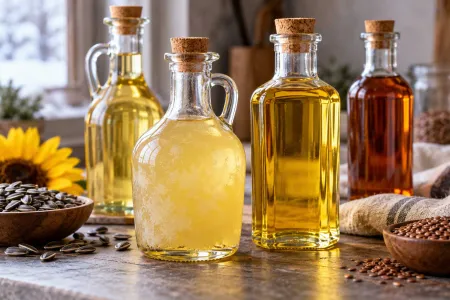
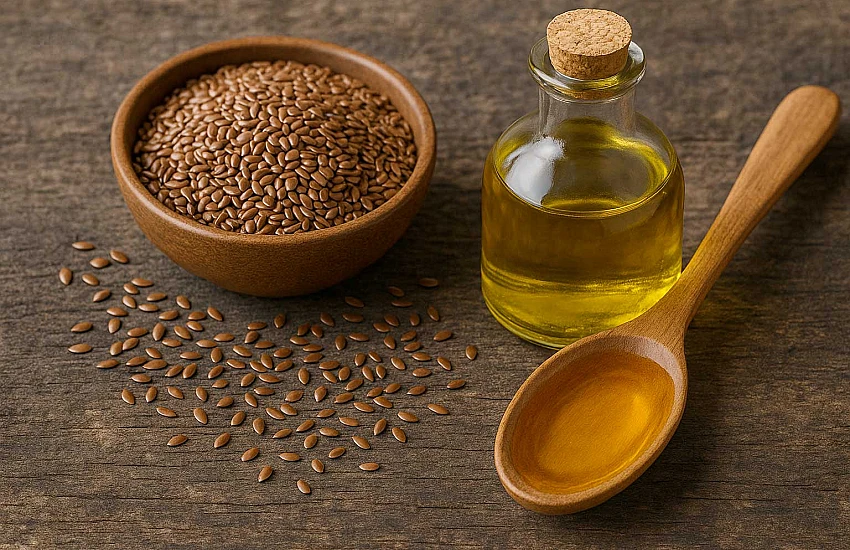
Nowadays, more and more people are looking for natural ways to improve their health and well-being. One of the most effective solutions are superfood oils — high-quality plant-based fats extracted from seeds and nuts that provide the body with essential nutrients. Pressing your own oils at home is becoming not only a trend, but also a practical and economical choice.
Owning your own oil press is an investment in your family’s long-term health, providing independence from industrial oil producers. With a home oil press, you have full control over the quality of the raw materials, can press oils on demand for maximum freshness, and adjust the types and proportions of seeds to suit your individual health needs. It’s also an excellent way to build nutritional awareness and educate children about where food comes from. Having your own press allows you to experiment with rare seed varieties, create unique oil blends, and develop a hobby that combines enjoyment with care for your well-being.
Why Press Oils at Home?
Industrial oil production methods often involve high temperatures, chemical solvents, and refining processes that destroy the natural properties of seeds. Home oil pressing preserves all the valuable nutrients, vitamins, and antioxidants that are essential for our health.
Quality control is the first and most important reason to press oils at home. You have complete oversight of the entire process—from selecting the seeds to the final product. You can be sure your oil contains no harmful additives or preservatives often found in industrial products. Freshness is another key factor—freshly pressed oil retains the maximum of its nutritional properties. Unlike store-bought oils, which can sit on shelves for months losing their valuable components, your oil will always be fresh and full of life-giving substances.
In the long run, an oil press is an investment that pays for itself. The cost of seeds for pressing is much lower than buying premium bottled oils, and you also gain the freedom to experiment with different seeds and create unique blends tailored to your specific health needs.
The Most Valuable Superfood Oils – A Guide to the Healthiest Seeds
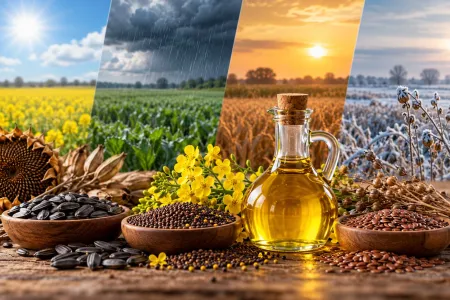
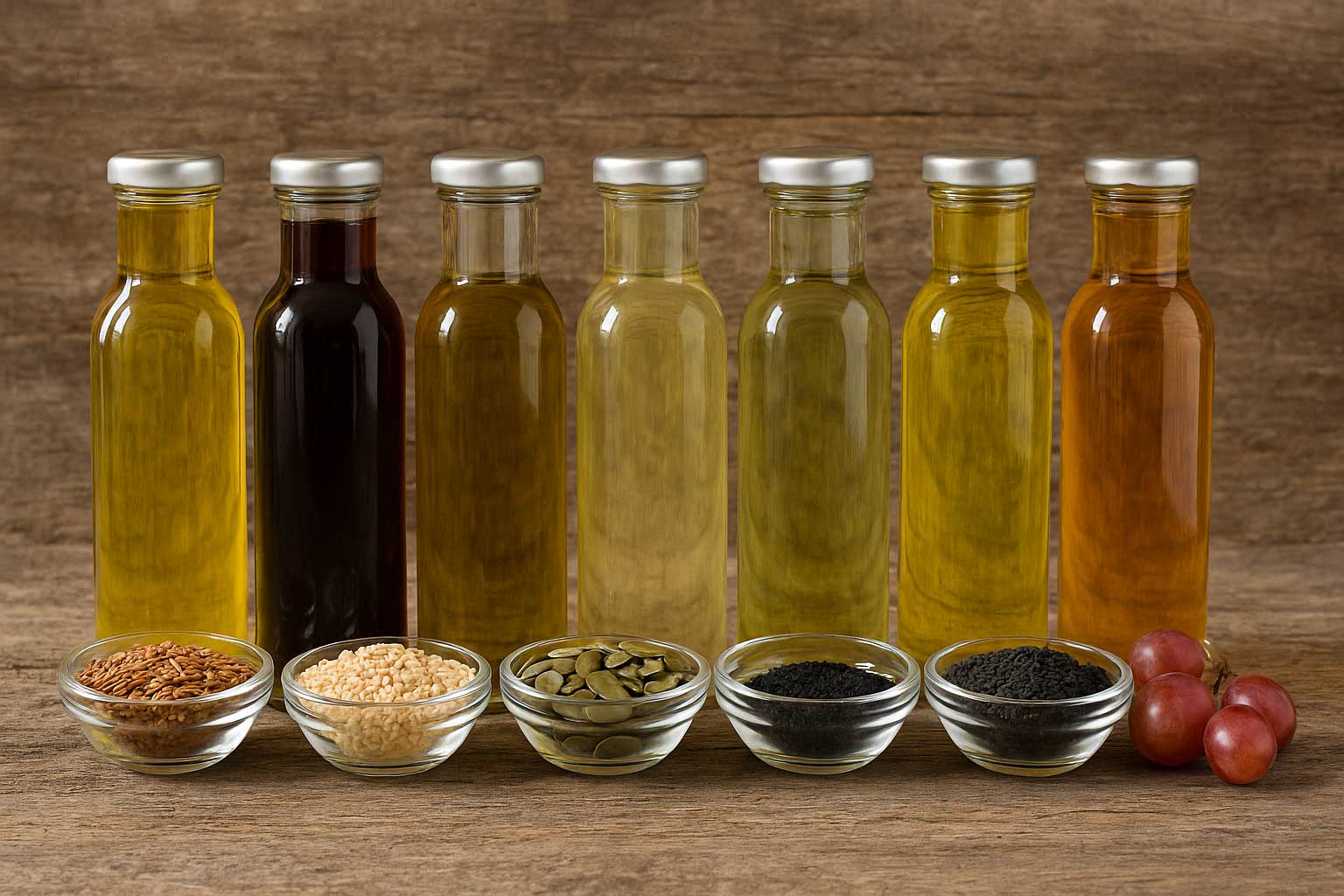
The world of superfood oils offers a wealth of opportunities for health-conscious individuals. Each type of seed has a unique nutritional profile, distinct flavor, and specific health benefits. Some oils are rich in omega-3 fatty acids, while others provide rare antioxidants or trace minerals. Understanding the properties of different seeds allows you to make informed choices and create a diet rich in diverse active compounds tailored to your individual needs.
Flax Seeds – The Omega-3 Powerhouse
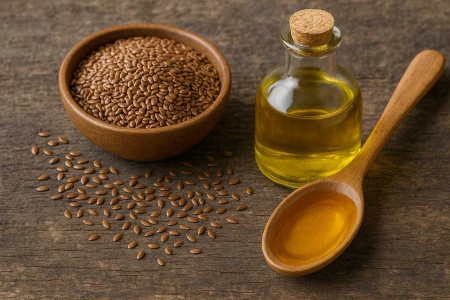
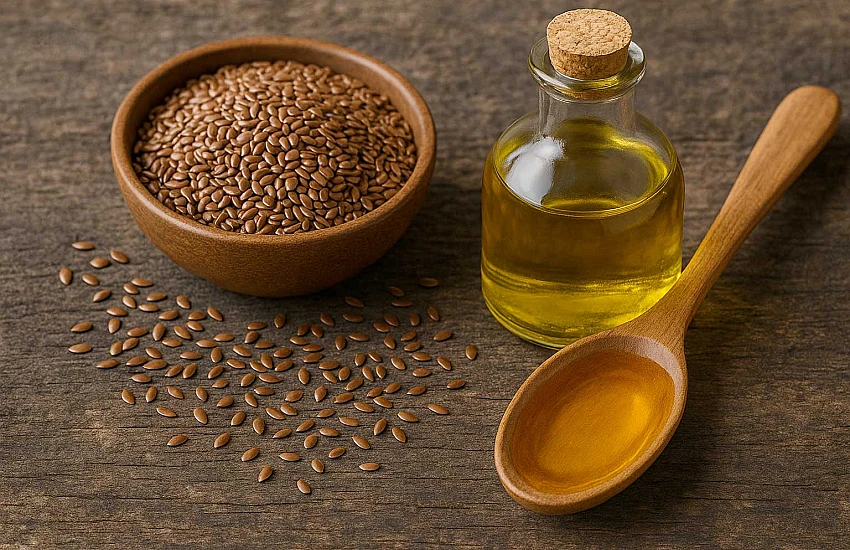
Flaxseed oil is truly a gift of nature, exceptionally rich in omega-3 fatty acids essential for the proper functioning of the brain, heart, and nervous system. One tablespoon of flaxseed oil provides around 5–7 grams of alpha-linolenic acid (ALA), which in most cases covers the daily requirement for this omega-3 type. This golden oil supports heart health by lowering cholesterol levels and stabilizing heart rhythm. Scientific studies confirm that regular consumption of flaxseed oil positively affects cardiovascular health, though there is no conclusive data quantifying a specific percentage reduction in coronary disease risk.
The anti-inflammatory properties of flaxseed oil are particularly appreciated by people suffering from autoimmune diseases and chronic inflammation. Omega-3 fatty acids also improve brain function and memory, making flaxseed oil an excellent addition to the diet of students and knowledge workers. For the skin and hair, flaxseed oil is a true elixir of youth—it regulates sebum production, moisturizes and regenerates, and also helps balance hormones, especially in women during menopause.
Flax seeds should be cold-pressed at temperatures not exceeding 40°C to preserve all their valuable nutrients. Flaxseed oil should be stored in the refrigerator and consumed within 2–4 weeks, as its high omega-3 content makes it susceptible to oxidation.
Sunflower Seeds – The Vitamin E Champion
Cold-pressed sunflower oil is an excellent source of vitamin E, one of the strongest natural antioxidants. One gram of sunflower oil contains about 0.6 mg of vitamin E, and 100 grams contains around 60 mg, covering a significant portion of the body’s daily requirement. Vitamin E protects cells from oxidative damage and supports the immune system, acting as a natural defense against free radicals.
A unique feature of sunflower oil is its high linoleic acid content, part of the omega-6 family, which is essential for maintaining a healthy skin barrier. This oil has a neutral flavor that makes it perfect for a wide range of culinary applications without overpowering the natural taste of foods. Once pressed, it also has a relatively long shelf life compared to other oils rich in polyunsaturated fatty acids.
Sunflower oil is suitable both for medium-heat cooking and as a dressing for salads. It has a mild, nutty aftertaste that enhances the natural aroma of vegetables and meats. Its versatility makes it one of the most popular choices for home oil pressing.
Rapeseed – The Balanced Fatty Acid Profile
Rapeseed oil stands out for its excellent fatty acid composition, featuring optimal proportions of omega-3, omega-6, and omega-9. It is one of the most nutritionally balanced oils, offering a wide range of health benefits. With a low level of saturated fatty acids—only about 7%—it’s an ideal choice for those who care about heart and vascular health.
Its alpha-linolenic acid content, part of the omega-3 family, helps support the body’s anti-inflammatory functions. At the same time, its high oleic acid content—around 60%—ensures stability and resistance to higher temperatures, making it an excellent oil for cooking.
Rapeseed oil has a subtle, slightly nutty flavor that doesn’t overpower dishes but gently enhances them. It’s also one of the easiest oils to press at home, offering high yield and a stable production process.
Chia Seeds – The Superfood of the 21st Century
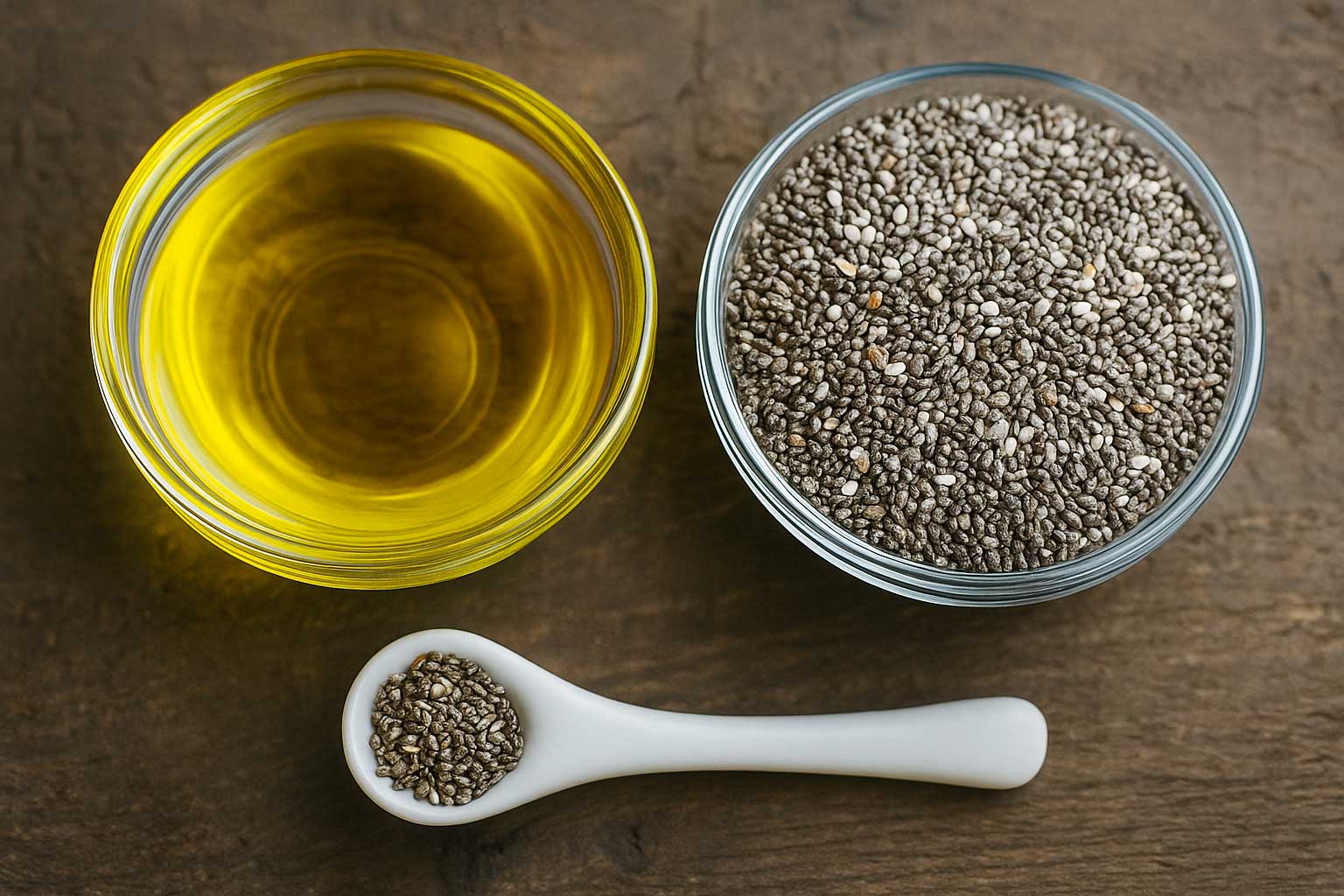
Chia seed oil is a relatively new player in the superfood market, but its health benefits are exceptional, surpassing many traditional oils. Chia seeds are rich in alpha-linolenic acid (ALA), a form of omega-3, and are an excellent source of plant-based protein with a complete amino acid profile. By weight, chia seeds contain more ALA than salmon (EPA/DHA), although these are different forms of omega-3 fatty acids.
Natural antioxidants found in chia oil, particularly quercetin and kaempferol, work synergistically with omega-3s, enhancing their anti-inflammatory and protective effects. This oil supports weight management thanks to its healthy fats, while the seeds themselves, rich in fiber, promote satiety and aid digestion. Additionally, chia oil helps regulate blood sugar levels, making it a valuable addition to the diet for people with type 2 diabetes.
Chia seeds require gentle pressing due to their small size and delicate structure. Optimal results are achieved at temperatures below 35°C, using a slow pressing process that preserves the maximum amount of active nutrients.
Hemp Seeds – The Ideal Omega Balance
Hemp seed oil, extracted from industrial hemp seeds, has a favorable omega-6 to omega-3 ratio of about 3:1, which is optimal for human health. This harmonious balance is rare in nature and makes hemp oil one of the most nutritionally balanced oils available. Additionally, it contains gamma-linolenic acid (GLA), a rare fatty acid that serves as a precursor to important hormonal and anti-inflammatory compounds.
Hemp oil’s benefits are particularly valued in dermatology. It supports skin health in conditions such as eczema, psoriasis, and atopic dermatitis, working both internally and externally. Its anti-inflammatory properties help alleviate inflammation throughout the body, while its regulatory effect on hormonal balance makes it a valuable ally in managing hormonal disorders.
Hemp oil also promotes joint health by aiding cartilage regeneration and reducing pain associated with degenerative conditions. It has a distinctive, slightly nutty flavor with hints of freshly cut grass, making it an excellent addition to salads and vegetarian dishes.
Black Cumin Seeds – The “Black Sesame” of Health
Black cumin oil has been used in natural medicine for thousands of years and is aptly called the “black sesame of health.” It contains thymoquinone – a powerful compound with anti-inflammatory, antibacterial, and antiviral properties, largely responsible for the oil’s therapeutic effects. Laboratory and preclinical studies suggest that thymoquinone may have anticancer potential, although there is no definitive clinical evidence confirming its effectiveness in humans.
Traditional uses of black cumin oil include strengthening the immune system, especially during periods of increased illness. It supports respiratory health by helping alleviate symptoms of asthma, allergies, and upper respiratory infections. It also has anti-allergic properties that may provide relief for individuals suffering from various food or airborne allergies.
Regular consumption of black cumin oil may help regulate blood pressure and support cardiovascular health. It has a strong, slightly bitter taste, which pairs well with honey or can be added to smoothies and juices. Due to its potency, it is recommended to start with small doses and gradually increase intake.
Pumpkin Seeds – A Source of Zinc and Magnesium
Pumpkin seed oil offers not only a delicate, nutty flavor but also a wealth of micronutrients often lacking in modern diets. It is particularly valued for its high content of zinc, magnesium, and iron, which are essential for proper bodily function. Zinc supports the immune system, wound healing, and hormone production, while magnesium is vital for muscle function and the nervous system.
For men, pumpkin seed oil has special significance due to its benefits for prostate health. Studies show that regular consumption can support prostate function, improve sperm quality, and enhance libido. Its phytosterols help regulate testosterone levels and promote overall male sexual health.
Pumpkin seed oil has a distinctive, intensely nutty flavor with a subtle hint of sweetness. It is perfect as an addition to autumn salads, creamy soups, and pumpkin-based dishes. In traditional medicine, it was also used as an anti-parasitic remedy, particularly effective against intestinal worms.
Sesame Seeds – A Natural Cosmetic
Sesame oil contains unique lignans – sesamol and sesamin – which have strong antioxidant properties, helping protect against oxidative stress. Additionally, sesame oil is rich in calcium, magnesium, and phosphorus, supporting bone and dental health.
The cosmetic properties of sesame oil have been valued for thousands of years in Ayurvedic medicine. It acts as a natural UV filter, protecting the skin from harmful sun exposure. It moisturizes and regenerates the skin, strengthens hair, and slows down the aging process. It can be used both internally and externally as a natural cosmetic.
In the kitchen, sesame oil adds a distinctive, intensely nutty aroma, forming the basis of many Asian dishes. Cold-pressed sesame oil is not suitable for high-temperature frying – it is best used cold or for brief warming. For frying, refined sesame oil is more appropriate.
Evening Primrose Seeds – Hormonal Harmony
Evening primrose oil is exceptionally rich in gamma-linolenic acid (GLA), which makes up about 8–10% of its composition. GLA is crucial for proper hormonal function, especially in women, as it influences the production of prostaglandins – compounds regulating many physiological processes. For women, evening primrose oil is a true natural treasure, helping alleviate PMS symptoms, regulate the menstrual cycle, and ease discomfort during menopause.
Scientific studies confirm the effectiveness of evening primrose oil in reducing breast pain associated with the menstrual cycle and in mitigating other premenstrual symptoms. It also supports skin health, particularly for hormonal issues such as acne or dryness caused by hormonal fluctuations.
Evening primrose oil has a delicate, slightly sweet taste that does not dominate dishes. Due to its high GLA content, it is sensitive to high temperatures and is best consumed cold as a salad dressing or directly. It is recommended to store it in the refrigerator and consume within 6–8 weeks of opening.
Grape Seed Oil – Youth in a Bottle
Grape seed oil is characterized by a high content of antioxidants, including proanthocyanidins, which exhibit strong antioxidant activity in laboratory studies. It is often claimed that their antioxidant power is several times greater than that of vitamins E or C, although such comparisons refer to in vitro studies and do not directly translate to effects in the human body.
The anti-aging properties of grape seed oil are not limited to skin protection. It strengthens blood vessels, improves capillary elasticity and permeability, which enhances blood flow and tissue nourishment. It also supports heart health by protecting against atherosclerosis and lowering LDL cholesterol levels.
In cosmetics, grape seed oil is valued for its light texture and rapid absorption, leaving no greasy residue on the skin. It has high oxidation resistance, allowing for longer storage than many other oils. In the kitchen, it has a neutral taste and moderate heat tolerance, making it ideal for salads and cold dishes.
Cold vs. Hot Pressing Techniques
Choosing the appropriate pressing method is crucial for the quality of the final product. Cold pressing involves temperatures below 40°C, which preserves all heat-sensitive nutrients, vitamins, and antioxidants. This method maintains the natural aromas and flavors of seeds, ensures maximum vitamin content, and eliminates the risk of oxidative damage. The result is oil of the highest nutritional quality, although the process has lower yield and may take longer. Additionally, more seed particles may remain in the oil, affecting appearance but not quality.
Hot pressing uses temperatures of 60–150°C, significantly increasing yield and allowing more oil to be extracted from the same amount of seeds. This method is especially useful when quantity is prioritized, for hard-shelled seeds, or when the oil is intended mainly for culinary rather than supplemental purposes. However, higher temperatures may affect some sensitive nutrients.
The choice of pressing method should depend on the type of seeds, the intended use of the oil, and personal preferences. For omega-3-rich seeds such as flax or chia, cold pressing is always recommended. For more stable seeds like sunflower or sesame, both methods yield satisfactory results.
Home Oil Press – An Investment in Health
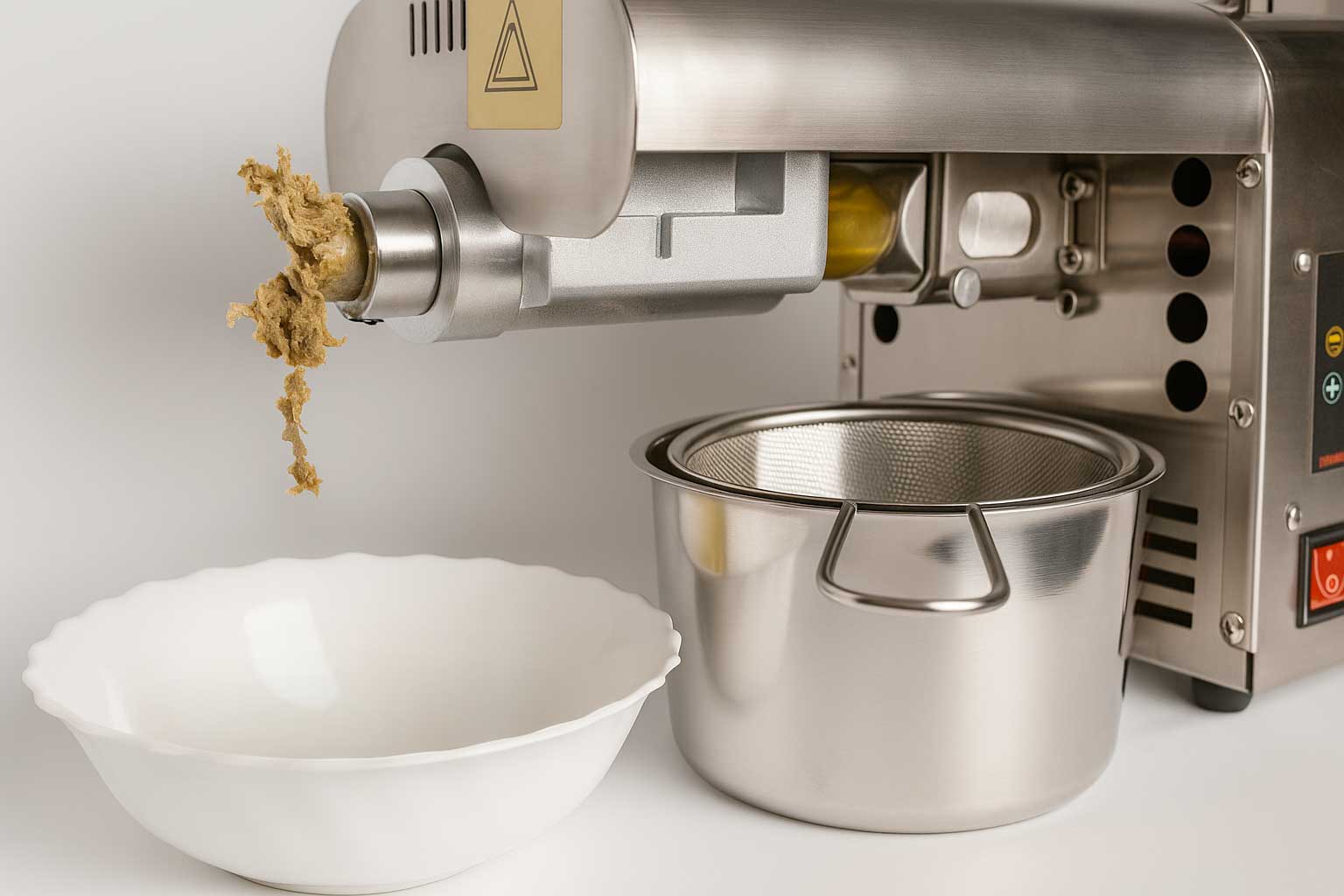
If you are serious about producing your own superfood oils, a home press capable of both cold and hot pressing is an investment that pays off quickly and provides long-term benefits for your health and budget. This professional press, with a capacity of 5–7.5 kg/h, offers full control over the pressing process and allows production of top-quality oils at home.
The versatility of this press lies in its ability to press both cold and hot, depending on the seed type and desired final product. You can adjust temperature and pressure to meet the specific requirements of each seed, ensuring optimal preservation of their nutritional properties. Its high efficiency of 5–7.5 kg/h allows effective oil production for household needs.
Ease of use is another advantage – the intuitive control system allows precise management of all parameters without requiring specialized technical knowledge. The sturdy stainless steel construction guarantees many years of trouble-free use, and all components are easy to clean and maintain.
From an economic perspective, the cost of seeds for pressing is 3–4 times lower than purchasing premium ready-made oil. With an average household consumption of 1 liter per month, seed costs are around 3–4 Euro, compared to 14–19 Euro for equivalent premium oil. The press pays for itself in 12–18 months and then generates pure savings for many years of use.
Storage and Preservation of Oils
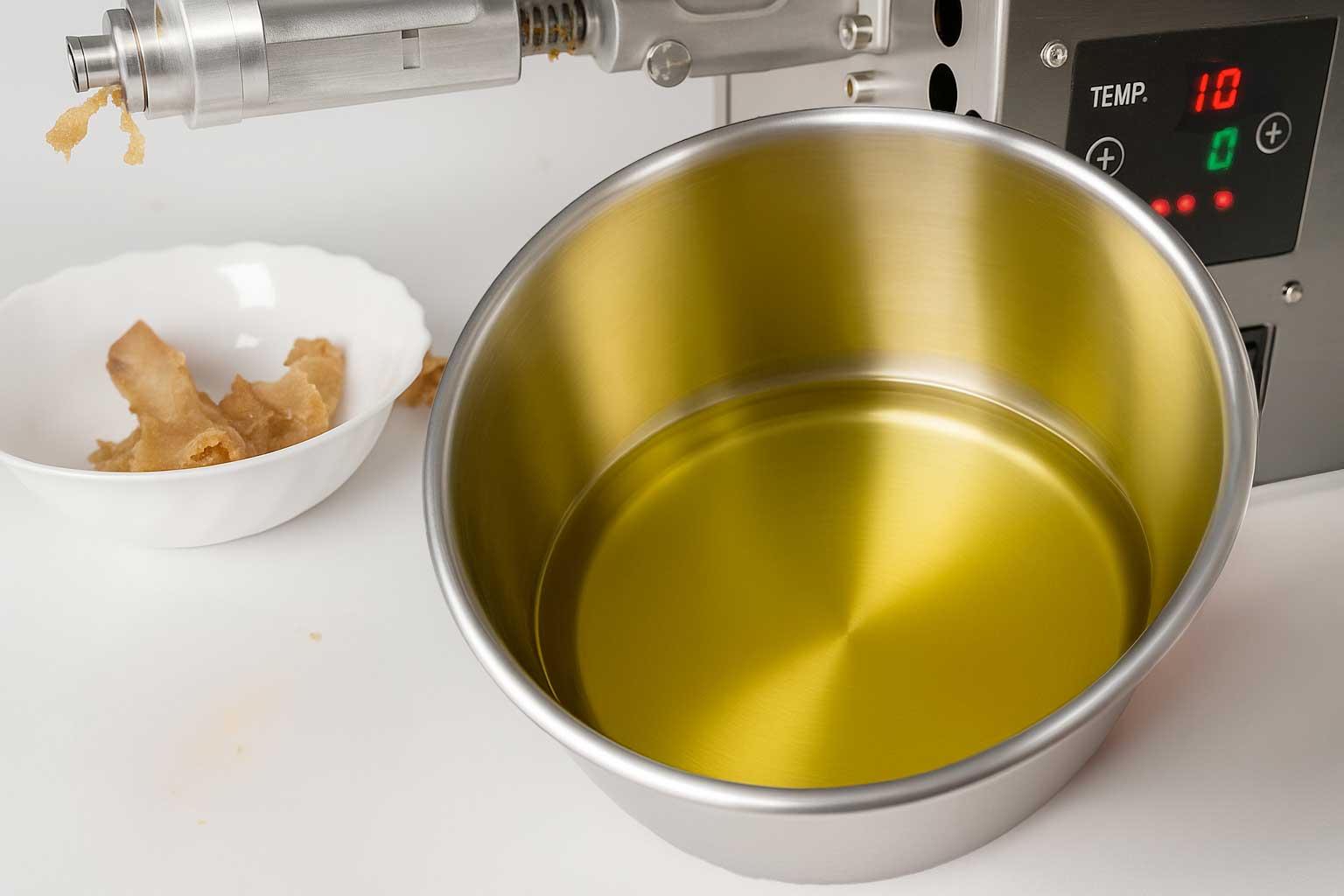
Proper storage of freshly pressed oils is crucial for maintaining their nutritional properties and extending shelf life. The storage temperature should be 10–15°C for most oils, although oils rich in omega-3, such as flaxseed or chia oil, require refrigeration at 2–6°C. Low temperatures slow down oxidation processes and prevent the oil from becoming rancid.
Sunlight is one of the most dangerous enemies of oils because it accelerates oxidation and degradation of active compounds. The best option is dark glass bottles that filter harmful UV rays. If dark bottles are unavailable, store oils in a dark place, away from windows and light sources.
Exposure to air leads to oxidation and rancidity, so bottles should be tightly sealed and filled to the top to minimize air in the container. If you have a large bottle of oil, consider transferring it to smaller containers as you use it to limit the surface area exposed to air.
Signs of spoiled oil include an unpleasant, rancid smell reminiscent of paint or glue, a darker color, a bitter taste, and a cloudy appearance. If any of these symptoms appear, the oil should be discarded, as consuming spoiled oil can be harmful to health.
Superfood Oils in the Kitchen
Using superfood oils in the kitchen requires knowledge of their properties and temperature limitations. Oils suitable for high-temperature cooking are primarily refined oils, which have a stable chemical structure and high smoke points. Refined sunflower oil can withstand temperatures up to around 225°C, refined rapeseed oil up to 200–240°C, and refined grape seed oil even up to 220°C. These oils are ideal for frying, baking, and sautéing. Cold-pressed oils, on the other hand, have much lower smoke points and are best used raw.
Oils intended for salads and cold dishes are mainly those rich in sensitive omega-3 fatty acids or oils with strong aromas that can be destroyed by high temperatures. Flaxseed, chia, hemp, and evening primrose oils are best added to prepared dishes, salads, smoothies, and shakes. These oils provide not only nutritional value but also unique flavors and aromas.
Versatile oils, such as refined sesame oil, can be used both for medium-heat cooking and raw applications. Sesame oil is a staple in Asian cuisine, often added at the end of cooking to enhance flavor. Pumpkin seed oil is best used exclusively cold—perfect for autumn salads and creamy soups.
An omega-3 smoothie is a great way to start a day full of energy. Mix one tablespoon of flaxseed oil with a banana, a glass of almond milk, a tablespoon of honey, and a handful of fresh spinach. This drink provides a comprehensive set of nutrients and omega-3 fatty acids. A detox salad with hemp oil is another suggestion—mix young salad greens with avocado and sunflower seeds, then drizzle with a dressing made from two tablespoons of hemp oil, lemon juice, and crushed garlic.
Health Benefits – What Science Says
Scientific research on superfood oils is providing increasing evidence of their positive impact on health. Meta-analyses have shown that regular consumption of flaxseeds, particularly in the form of whole seeds or lignans, can lower LDL cholesterol and total cholesterol levels, although the effect is moderate and depends on the form of consumption, sex, and baseline lipid levels. These effects are more pronounced in women, especially postmenopausal women, and in individuals with elevated cholesterol. For flaxseed oil, the LDL-lowering effect is less pronounced than for whole seeds. Studies also indicate beneficial effects of flaxseeds on blood pressure and other cardiovascular risk factors, but there is no clear evidence of a 23% reduction in coronary heart disease risk.
Black seed oil (Nigella sativa) and its main active compound, thymoquinone, show immunomodulatory and anti-inflammatory effects, confirmed in in vitro and animal studies. The anticancer properties of thymoquinone have also been demonstrated primarily in laboratory and animal models, not in human clinical trials. It is not possible to precisely quantify the percentage increase in immunity in humans from consuming black seed oil.
Grape seed oil is rich in antioxidants and polyphenols, which in laboratory studies show anti-aging and skin-protective effects. Cosmetic studies suggest that using grape seed oil preparations may improve skin hydration, elasticity, and firmness; however, these effects are moderate and mainly observed with topical application, not ingestion. There are no large clinical studies confirming a 25% reduction in wrinkles over 12 weeks.
Recommended daily doses vary depending on the type of oil and individual needs:
- Flaxseed oil: 1–2 tablespoons per day (10–20 g), preferably consumed raw.
- Hemp oil: 1–2 tablespoons per day.
- Black seed oil: usually 1 tablespoon per day, starting with smaller doses.
- Sunflower oil: 2–3 tablespoons per day.
Contraindications include bleeding disorders and the use of anticoagulant medications – in such cases, consumption of omega-3-rich oils, such as flaxseed and chia oil, should be limited. Pregnant women should consult a doctor before using black seed or evening primrose oil. Individuals with gallstones should avoid large amounts of oils that may stimulate gallbladder contractions.
Trends and the Future of Superfood Oils
The world of superfood oils is continuously evolving, with scientists discovering new, promising sources of valuable plant-based fats. Moringa seed oil is one of the latest trends, notable for its high content of unsaturated fatty acids (omega-3, 6, 9), antioxidants, vitamins, and minerals. The moringa tree, often called the “miracle tree,” provides seeds with exceptional nutritional value, and oil pressed from them could become an important component of functional foods, although it is not a source of all essential amino acids—these are mainly found in the leaves and moringa powder.
Sacha inchi oil, known as the Amazonian “gold,” contains an exceptionally high amount of omega-3 fatty acids (ALA) – from 35 to 50%, making it one of the richest plant-based sources of these fats. It is valued as a vegan alternative to fish oil, though it provides ALA rather than the EPA/DHA found in fish. This oil also stands out for its favorable omega-3 to omega-6 ratio and high levels of vitamin E and antioxidants.
Sea buckthorn seed oil is another emerging superfood, a rich source of the rare palmitoleic acid (omega-7), which supports the regeneration of mucous membranes and skin. This oil exhibits strong anti-inflammatory and antioxidant properties and also supports the digestive and cardiovascular systems. Omega-7 is also found in avocado, but sea buckthorn is the richest plant source.
Modern oil production technologies focus on maximizing the retention of active compounds and efficiency. Supercritical CO₂ extraction allows for the production of very high-quality oils without the use of high temperatures or chemical solvents, minimizing the loss of active substances. This method is becoming increasingly popular in the industry, although home use remains limited due to the high cost of equipment.
Microencapsulation is an innovative technology that extends the shelf life of oils and allows for controlled release of nutrients in the body. Encasing oil molecules in microscopic capsules protects them from oxidation and improves bioavailability, finding applications in both the food and pharmaceutical industries.
FAQ – Frequently Asked Questions
Can all seeds be pressed at home?
Most popular oil seeds are suitable for home pressing, but some require special preparation or adjustment of press settings. Flax, sunflower, rapeseed, sesame, pumpkin, chia, hemp, black seed, poppy, and nuts can be pressed in home machines, provided the oil content exceeds 15–25% and moisture does not exceed 10%. Hard nuts (macadamia, Brazil nuts) may require heating or crushing. Exotic seeds, such as moringa or sacha inchi, may require special temperature and pressure settings, and not every press can handle very hard seeds.
How long can freshly pressed oil be stored?
The shelf life of oil depends on the type of seeds and storage conditions. Oils rich in omega-3 (flax, chia, hemp, black seed) are very sensitive to oxidation and are best stored in the refrigerator in dark bottles, to be consumed within 2–4 weeks of opening. More stable oils (sunflower, rapeseed, olive oil) can be stored for 6–12 months in a cool, dark place. Flavored oils have a shorter shelf life—around 3 months. Always check the smell and taste before use—rancid aroma means the oil should be discarded.
Which oils are best for high-temperature cooking?
For frying and high-heat cooking, refined oils with high smoke points and stable chemical structures are best:
- Refined sunflower oil: 210–225°C
- Refined rapeseed oil: 200–240°C
- Refined grape seed oil: 215–251°C
- Refined sesame oil: 210–230°C
- Refined peanut, rice, and avocado oils: 220–270°C
Cold-pressed oils, especially those rich in omega-3 (flax, chia, hemp, pumpkin, black seed), are not suitable for frying—they lose their beneficial properties and may form harmful compounds.
How to recognize a high-quality home oil press?
A good home oil press should have several key features that ensure safe operation and high-quality oil extraction. The most important is temperature control, allowing both cold pressing (up to 40°C) and warm pressing (60–150°C), depending on the seeds. A solid stainless-steel construction ensures durability of parts in contact with seeds, easy cleaning, and eliminates the risk of heavy metal contamination. Ease of use and cleaning improves daily convenience. Manufacturer warranty and after-sales service reflect professional quality.
A home press with a 5–7.5 kg/h capacity for cold and warm pressing meets all these criteria, offering professional quality at an affordable price, ideal for both households and small businesses.
Summary
Superfood oils represent a true revolution in healthy eating, offering natural, concentrated sources of nutrients essential for optimal body function. Home pressing with a professional press not only guarantees the highest quality and freshness of the product but also provides a sound economic investment, paying off within a few years of use.
Each type of seed offers unique health benefits, from omega-3 in flax to powerful antioxidants in grape seeds. The variety of options allows for a diet rich in diverse active compounds, tailored to individual health needs and taste preferences. Controlling the entire production process—from selecting high-quality seeds to final bottling—ensures purity and nutritional value.
Key benefits of home pressing include full control over oil quality and freshness, significant long-term cost savings, access to the full spectrum of nutrients without losses from industrial processing, the ability to experiment with different seeds and create unique blends, and a guarantee of no harmful additives, preservatives, or chemical solvents.
Starting home oil pressing is a step toward a healthier lifestyle and greater nutritional independence. An oil press is an investment that will provide the purest, healthiest oils straight to your kitchen for years. Remember, the quality of oil depends not only on the press but also on the quality of the seeds and proper storage of the finished product.
Always choose seeds from trusted sources, preferably organic, maintain hygiene throughout the pressing process, and store finished oils properly, protecting them from light, high temperatures, and air exposure. Regularly check the freshness of oils and do not hesitate to discard any that show signs of spoilage.
Health is our greatest treasure, and superfood oils are one of the best ways to preserve and strengthen it. Investing in a high-quality oil press and regularly consuming freshly pressed oils is a decision whose benefits you will enjoy for years. Start your journey to a healthier life today and discover the magic of superfood oils pressed in your own home.