
Table of Contents
Vegetable oils are an essential component of many diets around the world. In recent years, due to growing awareness of healthy eating, unrefined oils have gained increasing popularity — often chosen for their natural properties and rich nutritional content. However, there is one important factor that is often overlooked in discussions about these oils — the smoke point.
What Is the Smoke Point?
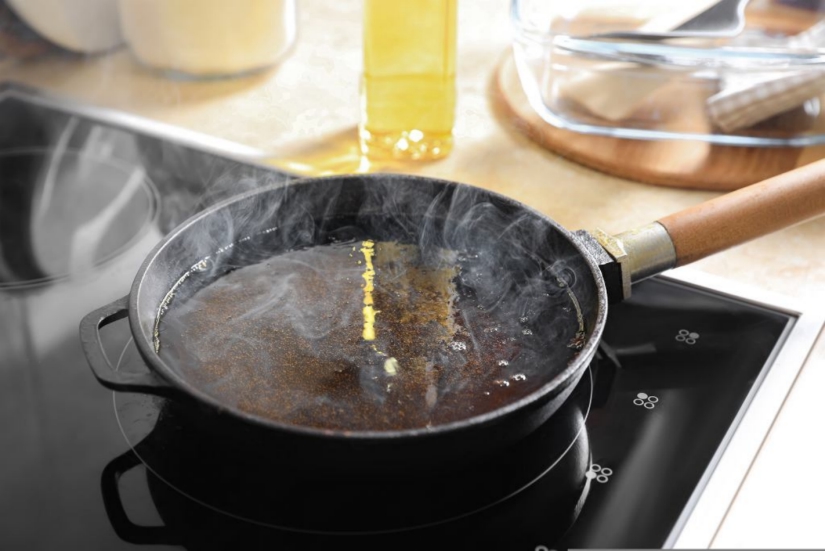
The smoke point is the temperature at which oil begins to produce visible smoke and a characteristic odor, indicating the onset of thermal degradation. This process occurs when the components of the oil — particularly fatty acids — start to break down under high heat.
Why Is the Smoke Point Important?
The smoke point plays a crucial role in cooking — especially during frying or deep-frying, when the temperature of the oil can rise to very high levels.
Once the oil exceeds its smoke point, not only does the flavor of the food deteriorate, but also harmful substances such as aldehydes and free radicals can form, which may be dangerous to your health.
How to Avoid Exceeding the Smoke Point
To prevent your oil from reaching or exceeding its smoke point during cooking, follow these practical tips:
Choose oils with an appropriate smoke point:
For high-heat cooking, use oils with a higher smoke point, such as coconut oil or canola oil.
Monitor the temperature:
Use a kitchen thermometer to track oil temperature while frying, and always follow the recommended temperature ranges for specific oils.
Avoid reusing oils:
Reheated oil may already have passed its smoke point, which accelerates oxidation and the formation of harmful compounds. It’s best to use fresh oil each time.
Summary
The smoke point is a key factor to consider when selecting and using cooking oils.
While unrefined oils are rich in nutrients and valuable compounds, they typically have lower smoke points than refined oils.
Monitoring temperature and following safe cooking practices allows you to enjoy delicious, healthy, and safe meals.
Smoke Point Chart for Unrefined Oils
| Type of Oil | Smoke Point (°C) |
|---|---|
| Black Cumin (Nigella sativa) Oil | 135°C |
| Pumpkin Seed Oil | 160°C |
| Camellia Oil | 232°C |
| Hemp Seed Oil | 165°C |
| Safflower Oil | 150°C |
| Flaxseed (Linseed) Oil | 110°C |
| Almond Oil | 216°C |
| Hazelnut Oil | 220°C |
| Walnut Oil | 165°C |
| Peanut Oil | 160–180°C |
| Rapeseed (Canola) Oil | 130°C |
| Sesame Oil | 177°C |
| Linseed Oil | 110°C |
| Sunflower Oil | 107°C |
| Soybean Oil | 166°C |
| Evening Primrose Oil | 135°C |
| Coconut Oil | 180°C |
Unrefined Oils vs. Refined Oils
Differences Between Unrefined and Refined Oils
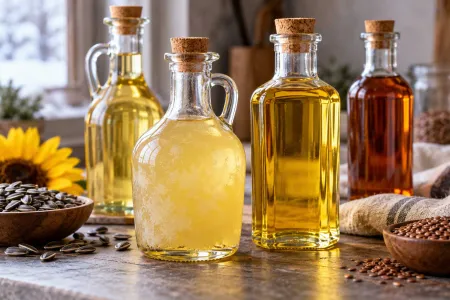
Unrefined oils — such as olive oil, coconut oil, or flaxseed oil — generally have lower smoke points than their refined counterparts. This is due to the presence of unfiltered compounds such as phospholipids and tocopherols, which have lower oxidation temperatures than fatty acids themselves.
Refined oils, on the other hand, undergo refining processes that remove these impurities, thereby raising their smoke points. However, refining can also lead to a loss of valuable nutrients.
Advantages and Disadvantages of Unrefined Oil
Advantages
Rich in Nutrients:
Unrefined oils retain a higher content of nutrients compared to refined oils. They contain vitamins, antioxidants, phytosterols, and other bioactive compounds beneficial for health.
Natural Flavor and Aroma:
Unrefined oils preserve the authentic flavor and aroma of the plants from which they are extracted. For instance, unrefined olive oil has an intense olive taste and aroma, appreciated by culinary enthusiasts.
Low-Temperature Extraction:
Unrefined oils are typically cold-pressed or extracted at low temperatures, helping preserve the integrity of nutrients and prevent heat-induced degradation.
High Antioxidant Activity:
Antioxidants like vitamin E and polyphenols in unrefined oils help protect cells from free radical damage, supporting overall health and well-being.
Versatile Use:
Unrefined oils are suitable for both culinary and cosmetic applications. They can be used in salad dressings, cold dishes, or as natural skincare and haircare ingredients.
Disadvantages
Shorter Shelf Life:
Due to the presence of active nutrients, unrefined oils are less stable and spoil faster, especially when stored improperly.
Lower Smoke Point:
Unrefined oils have lower smoke points, making them less suitable for high-temperature cooking like frying.
Less Stability:
Impurities such as phospholipids can reduce stability, leading to quicker oxidation and loss of quality.
Less Clarity:
Unrefined oils may appear cloudy or opaque, which can be undesirable in certain culinary or cosmetic uses.
FAQ — Frequently Asked Questions
1. What is the smoke point of unrefined oil?
The smoke point of unrefined oil is the temperature at which it begins to smoke and produce unwanted substances such as aldehydes, ketones, or free fatty acids.
2. Why is the smoke point of oil important?
Because exceeding it leads to oil degradation, loss of nutrients, and the formation of harmful compounds.
3. How can the smoke point of unrefined oil be measured?
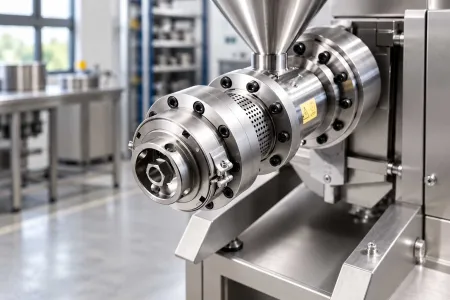
It can be determined using specialized laboratory equipment, such as a smoke point analyzer.
4. Are there differences between the smoke points of refined and unrefined oils?
Yes — refined oils usually have higher smoke points because impurities are removed during refining.
5. What factors affect an oil’s smoke point?
The type of fats, refining level, presence of impurities, and storage conditions all influence it.
6. Does the smoke point vary by oil type?
Yes. Different oils (e.g., coconut, olive, sunflower) have different smoke points due to their unique compositions.
7. What are the risks of consuming overheated oil?
Overheated oils can form toxic substances linked to heart disease and other health issues.
8. How can you prevent lowering the smoke point of oil?
Store oil in a cool, dark place, avoid repeated heating, and use it at appropriate cooking temperatures.
9. Can the smoke point of unrefined oil be increased?
Not directly — but proper storage and use can help maintain its original smoke point.
10. Do unrefined oils always have lower smoke points than refined ones?
In most cases, yes, though there are exceptions depending on the oil’s composition and processing.
Summary
Understanding the smoke point of unrefined oils is essential in every kitchen. Awareness of how temperature affects oil quality is crucial, particularly when frying or deep-frying.
Knowing the differences between refined and unrefined oils, as well as practical ways to avoid overheating, empowers consumers to make smarter, healthier cooking choices.
By managing temperature and using oils correctly, you can preserve nutrients, enhance flavor, and support better health through your everyday diet.