
Table of Contents
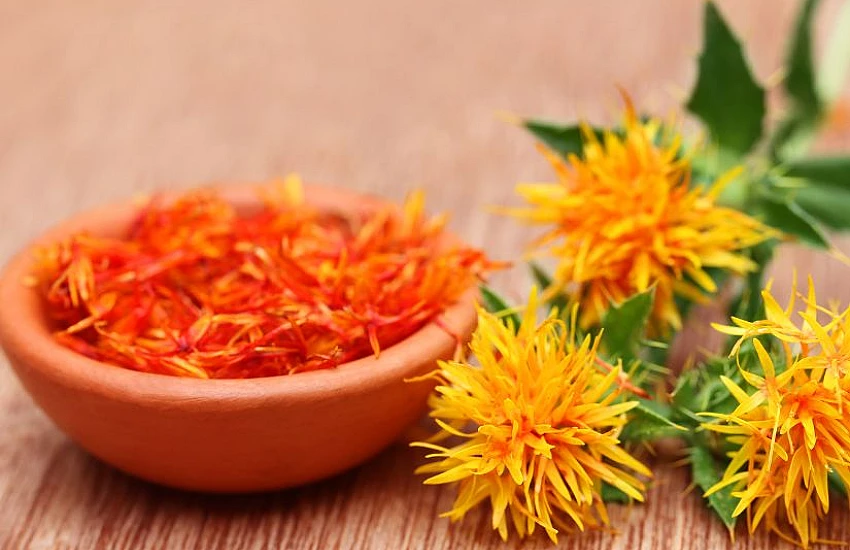
Safflower (Carthamus tinctorius) is a plant with a long and rich history, valued worldwide for its health, cosmetic, and industrial properties. Though not widely known by name, safflower is one of the oldest cultivated plants in the world, used across various cultures for thousands of years. In this article, we’ll explore the properties of safflower, its applications in medicine, cosmetics, and industry, as well as the numerous health benefits associated with its regular consumption.
1. What is safflower?
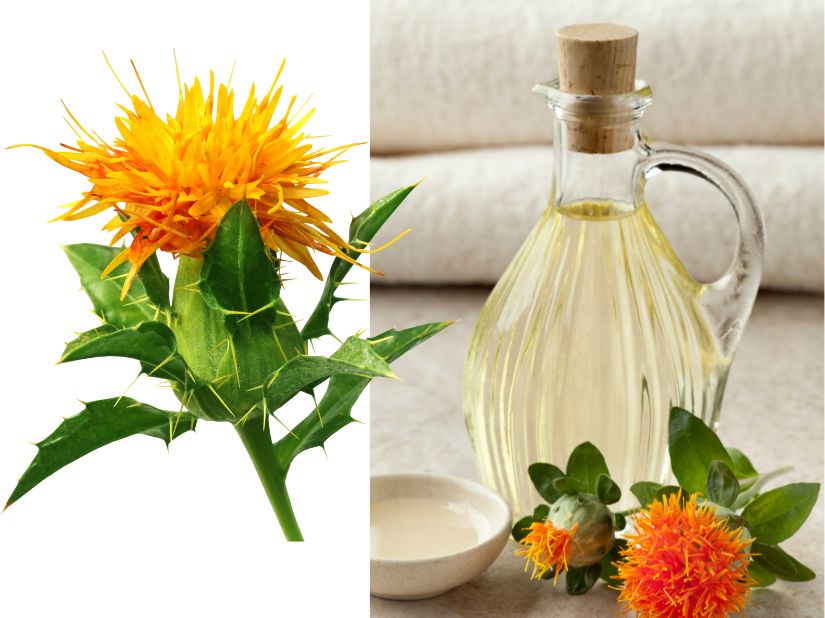
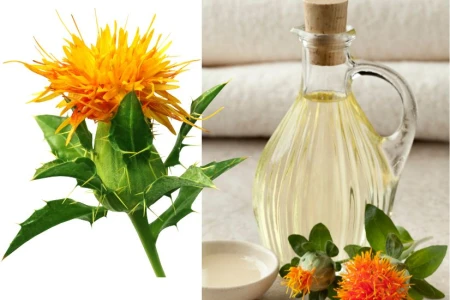
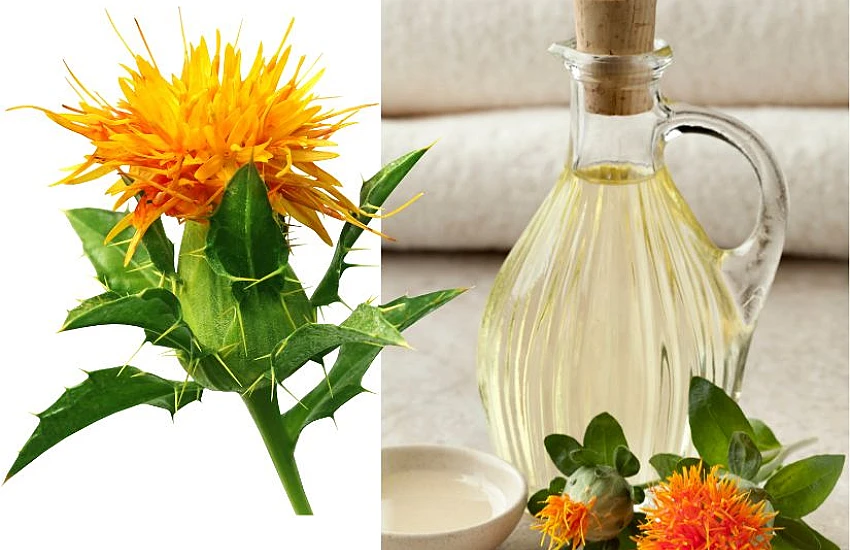
Safflower (Carthamus tinctorius) is an annual plant from the Asteraceae family, originating from Asia and Africa, but now cultivated worldwide, especially in regions with warm climates. Modern cultivation primarily takes place in China, India, Egypt, and parts of the United States. This plant is particularly valued for its dyeing properties as well as its health benefits.
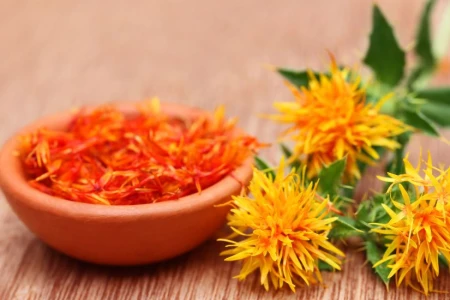
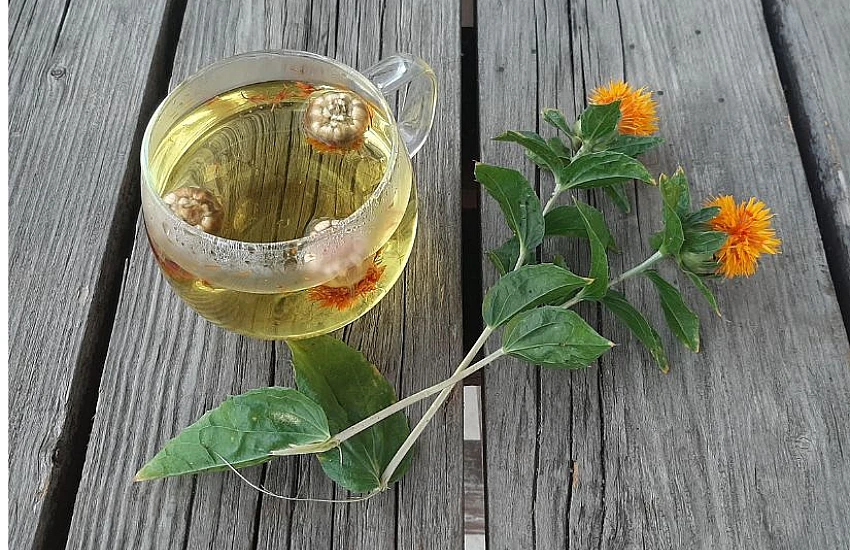
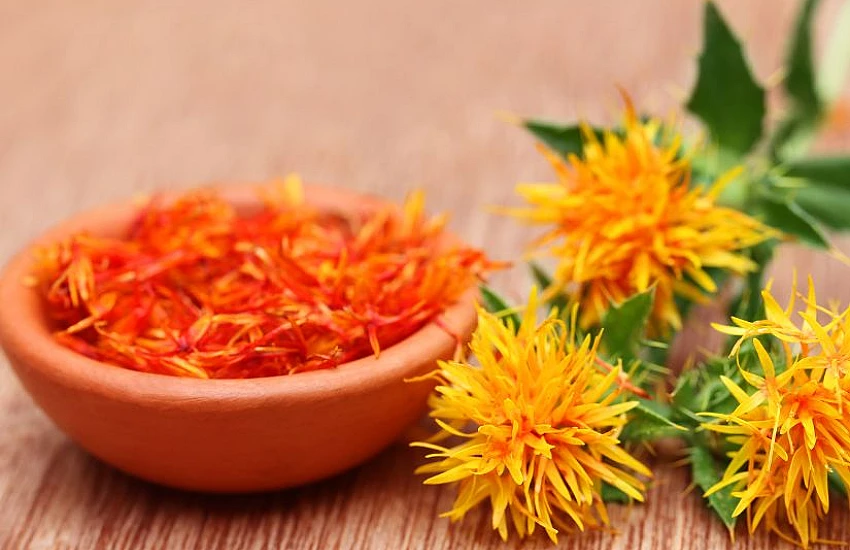
Safflower can reach a height of 30 to 150 cm and produces characteristic yellow-red flowers that are used to make dyes, as well as for culinary and medicinal purposes. In the past, before the introduction of synthetic dyes, it was widely used as a natural dye plant for fabrics.
2. Health Benefits of Safflower
Safflower, especially its seeds, possesses a range of beneficial health properties. The plant contains valuable active compounds that have a positive impact on the human body. Below are some of the most important health benefits of safflower:
a) Anti-inflammatory properties
Safflower is rich in compounds with strong anti-inflammatory effects, including linoleic acid and other fatty acids. Regular consumption of safflower seeds may help reduce inflammation in the body, which can be particularly beneficial in treating inflammatory conditions such as rheumatoid arthritis.
b) Supports heart health
One of the most important components of safflower is its unsaturated fatty acids, including linoleic acid. Studies have shown that safflower seed oil can help lower levels of “bad” cholesterol (LDL) and increase levels of “good” cholesterol (HDL), thereby improving heart health and preventing atherosclerosis.
c) Helps regulate blood sugar levels
Some studies suggest that safflower may help maintain normal blood sugar levels, which can be beneficial in preventing type 2 diabetes. Thanks to its anti-inflammatory and antioxidant properties, the plant may improve the body’s sensitivity to insulin, which is crucial for maintaining stable blood sugar levels.
d) Antioxidant effects
Safflower is a source of natural antioxidants, including tocopherols (vitamin E) and other phenolic compounds. Antioxidants help combat free radicals in the body, which can slow down aging processes, improve skin condition, and reduce the risk of cardiovascular diseases and cancer.
e) Supports the digestive system
Safflower oil can help alleviate digestive issues such as constipation or abdominal pain. This is due to the moisturizing and anti-inflammatory effects of the oil, which can support intestinal function and improve digestion.
3. Uses of Safflower
a) Safflower in traditional medicine
In traditional medicine, safflower has been used for centuries, particularly in Asia and the Middle East. In Chinese medicine, safflower flowers (known as Hong Hua) are used to stimulate blood circulation, relieve pain, and treat menstrual disorders. They are also believed to help in the treatment of cardiovascular diseases and skin conditions. In Ayurveda, safflower oil is used to support digestion, cleanse the body, and promote skin health.
b) Safflower Oil in Cosmetics
Safflower oil is highly valued in the cosmetics industry for its nourishing, moisturizing, and regenerating properties. It is a light, non-greasy oil that absorbs quickly into the skin, making it suitable for all skin types, including sensitive and acne-prone skin.
Thanks to its high content of linoleic acid (omega-6 fatty acid) and vitamin E, safflower oil helps restore the skin’s natural lipid barrier, preventing dryness and loss of elasticity. It supports the regeneration of damaged skin, soothes irritation, and may help reduce inflammation and redness.
In addition, safflower oil is often used in hair care products. It strengthens the hair structure, moisturizes the scalp, and helps combat dryness and brittleness. Regular use of safflower oil can make the hair smoother, shinier, and easier to manage.
Because of its light texture and beneficial composition, safflower oil is a common ingredient in face creams, serums, body lotions, and massage oils. It is also used in natural skincare and aromatherapy formulations.
c) Safflower as a Natural Dye
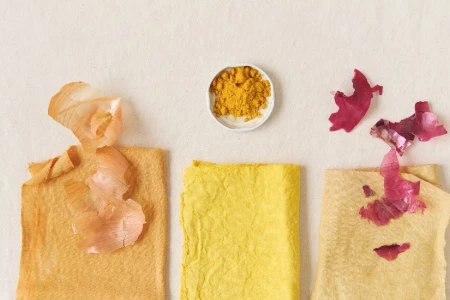
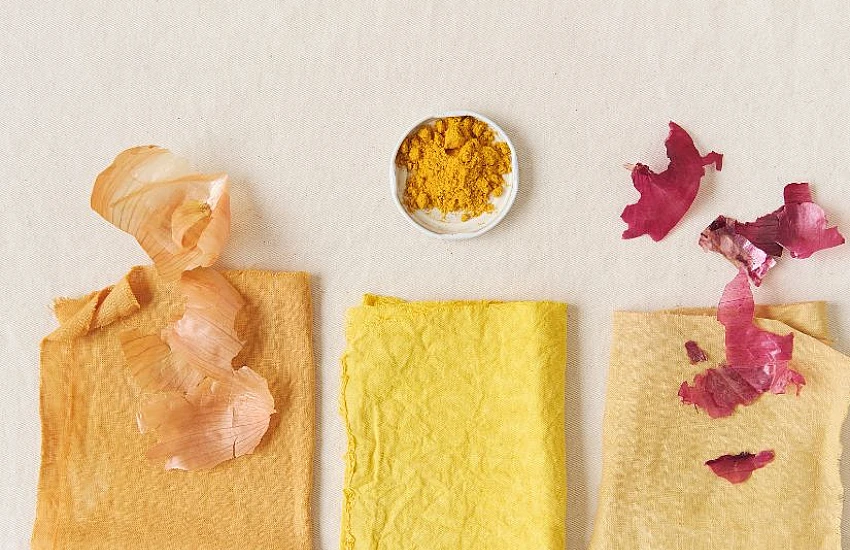
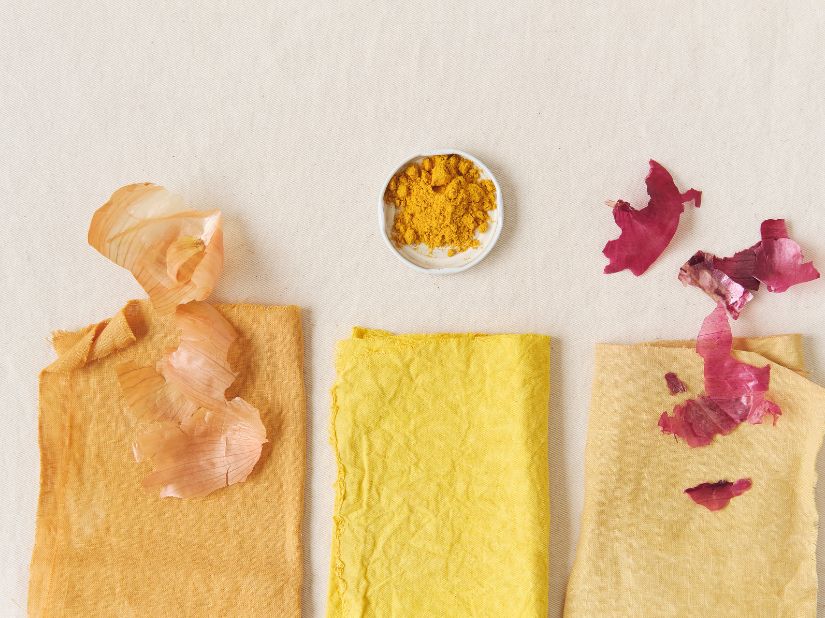
Safflower has been used for centuries as one of the oldest sources of natural dyes. The petals of the plant contain two main coloring compounds — a yellow dye (water-soluble) and a red dye known as carthamin, which is soluble in alcohol. Before the introduction of synthetic dyes, safflower was widely used to color textiles, cosmetics, and food products.
The yellow dye extracted from safflower was traditionally used to color silk, cotton, and wool fabrics in shades of yellow and orange. The red dye, on the other hand, was highly valued because of its intensity and durability, making it a popular choice for dyeing luxurious materials such as silk or fine linen.
In addition to its historical significance in the textile industry, safflower is still used today as a natural, eco-friendly alternative to synthetic dyes. Its extracts are employed in the production of natural cosmetics (for example, lipsticks and blushes) and as food colorants in organic and health-oriented products.
Thanks to the growing interest in sustainable and environmentally friendly materials, safflower has regained popularity in the modern textile and cosmetic industries, where it serves as a safe, biodegradable source of natural pigment.
4. How to Use Safflower in Cooking
Safflower oil is also valued in cooking for both its flavor and health benefits. It is a light-tasting oil that can be used for frying, baking, or as a salad dressing ingredient.
Safflower oil is excellent for frying because it has a high smoke point, which means it retains its nutritional properties even during heat processing.
Safflower spice:
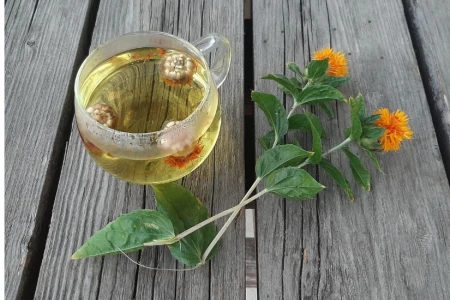
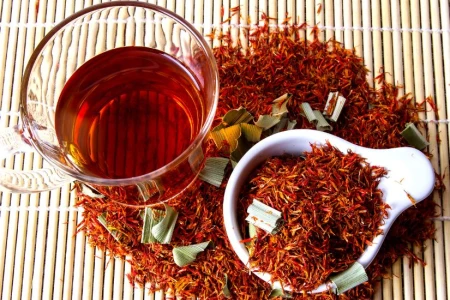
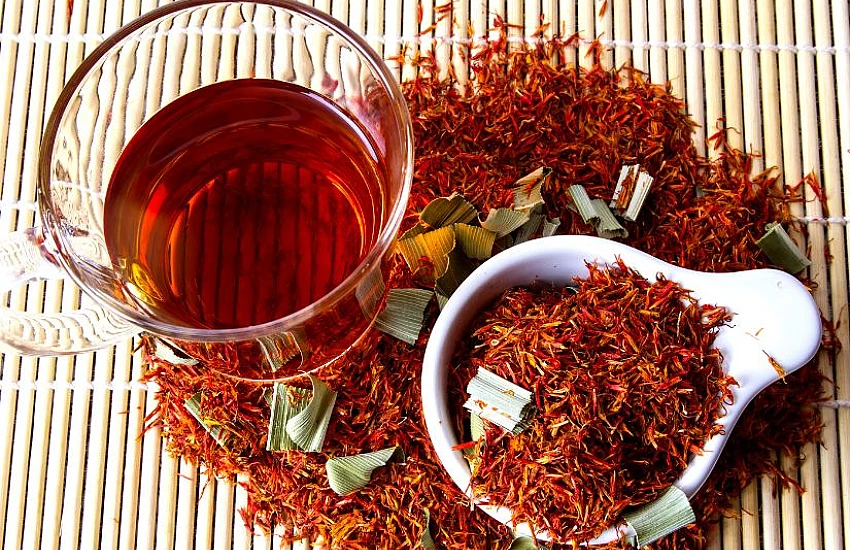
Safflower flowers can also be used as a spice, particularly in Asian and Mediterranean cuisine. They add a subtle, slightly spicy note to dishes and a warm color similar to saffron, which is why safflower is sometimes called “false saffron.”
5. Types of Presses for Extracting Safflower Oil
Safflower seed oil can be extracted in several ways, depending on the technology used and the desired oil quality. The main methods include:
Cold Pressing
Cold pressing is a process in which safflower seeds are mechanically pressed without the use of high temperatures. This method preserves the high quality of the oil, allowing it to retain valuable nutrients such as vitamin E, fatty acids, and other bioactive substances. Cold-pressed oil also has a better flavor and aroma.
Types of cold presses:
1.Screw presses: These are the most commonly used devices for cold pressing. They use a screw mechanism that crushes the seeds and extracts the oil. Although the process is relatively slow, it produces high-quality oil.
2.Hydraulic presses: These are used when even higher-quality oil is desired. Cold pressing with a hydraulic press is more precise and can achieve better yield, but it requires greater investment costs.
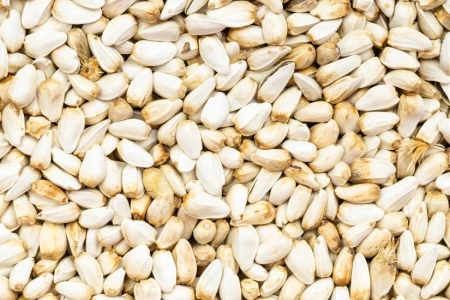
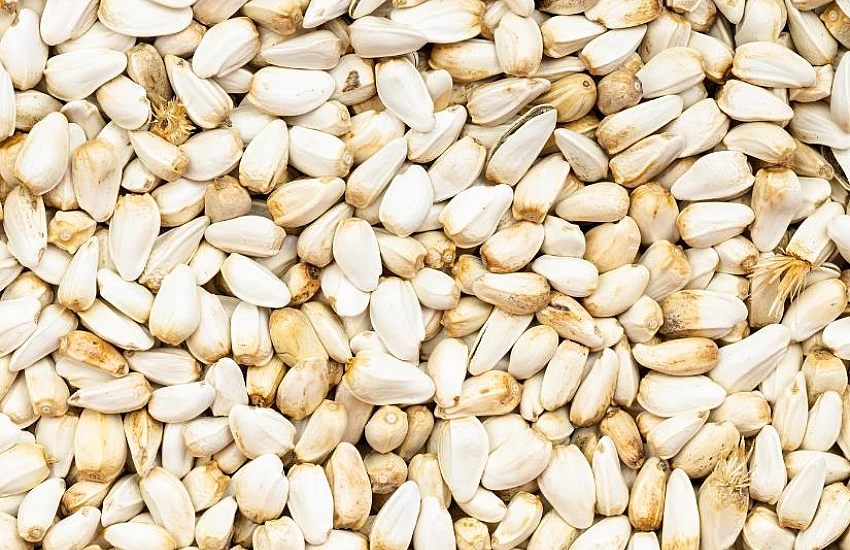
The oil content of safflower seeds is about 30–40%, which makes safflower a plant with a relatively high oil yield. Depending on the extraction method, oils with different properties can be obtained. Cold pressing yields oil of high quality and rich in nutrients, while hot pressing is more efficient but reduces oil quality.
For safflower oil extraction, screw or hydraulic presses are the most suitable, especially for cold-pressed oils. In industrial hot pressing, screw presses with heating systems are often used to increase process efficiency.
10 Most Frequently Asked Questions About Safflower
1. What is safflower and where does it come from?
Safflower (Carthamus tinctorius) is an annual plant from the Asteraceae family, originating from Asia and Africa. It is cultivated worldwide, especially in warm-climate countries such as China, India, Egypt, and the United States. Historically, it was widely used as a dye plant and in traditional medicine.
2. What are the health benefits of safflower?
Safflower is rich in linoleic acid and other fatty acids that have anti-inflammatory effects, support heart health, lower “bad” cholesterol (LDL), and help maintain proper blood sugar levels. It also has antioxidant properties that protect the body from free radicals and cellular aging.
3. What are the uses of safflower oil?
Safflower oil is widely used in cosmetics for moisturizing, skin regeneration, acne treatment, and soothing irritation. In cooking, it is used for frying, baking, and as a salad dressing because of its high smoke point. It is also found in dietary supplements due to its health-promoting properties.
4. Is safflower oil safe for use on the skin?
Yes, safflower oil is safe for topical use. It has moisturizing and soothing properties and does not clog pores, making it suitable for oily and acne-prone skin. It can also help with various skin issues, such as acne or psoriasis.
5. What are the health benefits of regularly consuming safflower oil?
Regular consumption of safflower oil can support heart health by lowering “bad” cholesterol levels. It also aids digestion, has anti-inflammatory effects, and improves insulin sensitivity, which helps prevent type 2 diabetes. Additionally, it can enhance skin health and strengthen the immune system.
6. What is the oil content of safflower seeds?
Safflower seeds contain about 30–40% oil, making them a rich source of valuable fatty acids such as linoleic acid.
7. How is safflower seed oil extracted?
Safflower seed oil can be extracted using two main methods: cold pressing and hot pressing. Cold pressing preserves the oil’s valuable nutrients, while hot pressing increases yield but may lead to nutrient loss. Screw and hydraulic presses are most commonly used for this process.
8. What are the differences between cold-pressed and hot-pressed safflower oil?
Cold-pressed oil is of higher quality because it is not exposed to high temperatures, which helps preserve its nutrients (e.g., vitamin E and fatty acids). It also has a better flavor and aroma. Hot-pressed oil is obtained after heating the seeds, which increases yield but can reduce its nutritional and sensory qualities.
9. Is safflower safe for people with allergies?
Safflower may cause allergic reactions in some individuals, particularly those allergic to other plants in the Asteraceae family (such as ragweed or chamomile). People with skin or food allergies should exercise caution when using safflower oil, especially internally.
10. Where can safflower oil and seeds be purchased?
Safflower oil and seeds can be found in health food stores, pharmacies, and online shops specializing in natural food and cosmetic products. It is best to choose cold-pressed oils, as they retain the highest nutritional and health value.