
Table of Contents
Roasting seeds plays a crucial role in the oil extraction process, significantly impacting the yield, flavor, and quality of the final product. Roasting is not just a method of processing raw materials — it is an art form that shapes the aroma and taste of many beloved foods, from coffee to nuts. In this article, we’ll take a closer look at how the roasting process facilitates oil pressing, what benefits it brings to the food industry, and why it holds such an essential place in the culinary world.
What Is the Roasting Process?
The roasting process is a heat treatment technique in which raw products are exposed to high temperatures without the use of water. The material being roasted is surrounded by hot air that evenly heats the seeds inside a roasting drum. The goal is to develop characteristic flavors and aromas while altering the internal structure of the seeds. As a result, the product becomes crunchy, gains a richer color, and develops new aromatic compounds.
Behind the Scenes of the Roasting Process:
1. Raw Material Preparation:
The process begins with careful preparation of the raw materials. Whether it’s coffee or nuts, the seeds must be properly cleaned and prepared. Removing impurities and excess moisture is essential to achieving optimal results.
2. Temperature Setting:
Next comes setting the right temperature. This varies depending on the type of product — for example, coffee is roasted at 205–220°C, while nuts usually require lower temperatures.
3. Actual Roasting:
Raw seeds are placed in specialized roasters adapted to the specific type of product. The roasting process can last anywhere from a few to several dozen minutes, depending on the material and the desired result.
4. Process Monitoring:
A key factor is careful monitoring. Experienced roasters know exactly when to stop the process to achieve the desired roast level. This requires sensory skills — taste, smell — and precision in controlling roasting parameters.
5. Cooling:
After roasting, the material must be cooled quickly to stop the process. Cooling is just as important as roasting itself since prolonged exposure to heat can negatively affect flavor and quality.
The Purpose of Roasting Seeds
Roasting seeds — whether coffee beans, nuts, or oilseeds — serves several key purposes that affect flavor, aroma, and texture. The degree of roasting is both a science and an art, depending on the seed type and the desired taste profile.
1. Developing Aroma and Flavor:
Roasting brings out and enhances the natural aromas and flavors of seeds. In coffee, for instance, it creates notes of caramel, fruit, or nuts. In nuts and oilseeds, it can add hints of toasted wood, sweetness, and depth.
2. Changing Texture:
Roasting affects the texture and crunchiness of seeds. For nuts, it provides crispness and a golden hue. In coffee, it determines the body and mouthfeel — from light and delicate to full-bodied and oily.
3. Removing Moisture:
Roasting removes moisture, which is crucial for product shelf life. Excess moisture can promote mold and spoilage. Drying seeds during roasting improves stability and freshness.
4. Creating Color:
The process also changes the color of the seeds. Coffee beans darken as they roast, while nuts turn golden brown — color plays a major role in consumer appeal.
5. Releasing Aromatic Oils:
In some seeds, like nuts, roasting helps release essential aromatic oils, enriching both taste and fragrance.
6. Reducing Acidity:
In coffee, roasting reduces acidity, creating a smoother, more balanced flavor profile.
The Mechanism of Roasting in Oil Pressing
Moisture Removal:
Roasting begins by removing moisture from raw seeds. Excess water can hinder oil extraction and promote microbial growth. Drier seeds are easier to press and yield more stable oil.
Softening Seed Structure:
High heat alters the internal structure of the seeds, making them more brittle and easier to crush. This structural change facilitates oil separation and improves pressing efficiency.
Releasing Aromatic Oils:
During roasting, natural oils are released. These not only enhance the flavor of the final oil but also act as natural lubricants during pressing, increasing fluidity and yield.
Benefits of Roasting for Oil Extraction
Improved Efficiency: Roasted seeds yield more oil due to structural softening.
Enhanced Flavor: Roasting gives the oil complex taste notes such as caramel, nutty, or toasted aromas.
Oxidation Prevention: Reduced moisture and structural changes help delay oxidation, keeping the oil fresh longer.
Conclusion: The Art of Roasting for Exceptional Oil
The roasting process plays a vital role in simplifying and improving oil extraction. It is both a science and an art that demands precision and expertise. Choosing the right roasting parameters — temperature, duration, and airflow — is essential for achieving high-quality results.
The food industry benefits from greater production efficiency and the ability to offer oils with unique and rich flavor profiles. Roasting seeds has thus become a cornerstone of premium oil production, blending scientific accuracy with culinary artistry.
Prima-Tech Seed Roasters
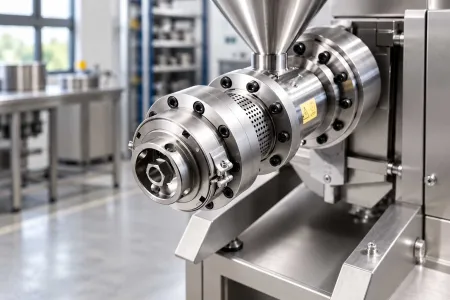
Prima-Tech seed roasters come in various capacities, allowing you to scale roasting operations to your production needs. With these machines, you can boost your oil pressing efficiency while infusing your final product with the distinctive aroma of freshly roasted seeds — producing oil with exceptional flavor depth and quality.