
Table of Contents
- Autumn’s Treasure Hidden Beneath an Orange Skin
- Green Gold – The Health Properties of Pumpkin Seed Oil
- The Pumpkin in Culture and Tradition – From Field to Table
- Autumn Harvest – When and How to Gather Pumpkins
- Homemade Oil Production – From Seed to Elixir
- Culinary Uses of Pumpkin Seed Oil
- Storage and Shelf Life of Homemade Pumpkin Seed Oil
- Pumpkin and Its Seeds — An Investment in Health and Tradition
- Frequently Asked Questions
- Summary
Pumpkin seed oil, once called the "green gold," has been valued for centuries in traditional European medicine, especially in the Styria region of Austria, where its production became almost an art form. Today, in the era of returning to natural products and conscious eating, this dark green, thick oil with a nutty aroma is experiencing a renaissance. More and more people are discovering that it can be produced at home, allowing full control over the quality and freshness of the oil that ends up on their table.
Autumn’s Treasure Hidden Beneath an Orange Skin
As leaves turn shades of red and gold and the air fills with the scent of damp earth and ripening fruit, pumpkins ripen in fields and gardens. These orange giants have become an inseparable symbol of autumn, embodying a wealth of flavor, health benefits, and deep cultural roots. Yet the true treasure of the pumpkin lies not in its juicy flesh, but in its flat, modest seeds.
Pumpkin Seeds – Nature’s Underrated Gift
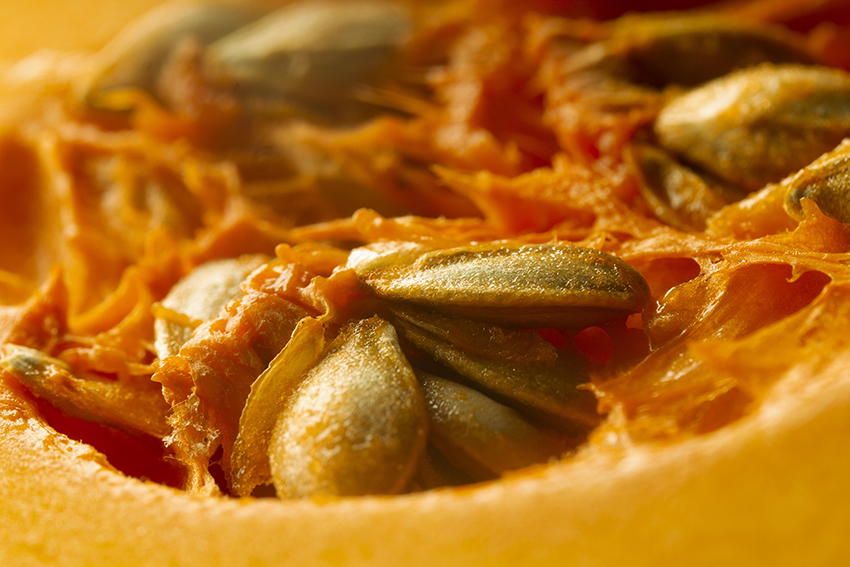
Pumpkin seeds have been known to humankind for thousands of years. Archaeologists have found their traces in ancient settlements of Central and South America, the cradle of the pumpkin. The native peoples of these regions quickly discovered that every part of the plant had a purpose — the flesh served as food, the hard rind as a vessel, and the seeds as a valuable source of fat and protein, especially vital before the onset of winter.
Within pumpkin seeds lies a true symphony of nutrients. They are rich in high-quality plant protein, healthy fats — including precious omega-3 and omega-6 fatty acids — and an abundance of minerals. Magnesium, zinc, iron, phosphorus, and manganese occur in concentrations that make just a handful or two a day a meaningful boost to your nutritional balance. Particularly noteworthy is zinc, of which pumpkin seeds are one of the best plant-based sources. This mineral plays a key role in immune system function, skin health, and reproductive wellness.
But that’s not all. Pumpkin seeds are also a source of phytosterols, plant compounds structurally similar to cholesterol, known to support cardiovascular health. They contain cucurbitin, a unique compound used in traditional medicine as a natural antiparasitic. The presence of tryptophan — an amino acid that serves as a precursor to serotonin and melatonin — means pumpkin seeds can also support healthy sleep and emotional balance.
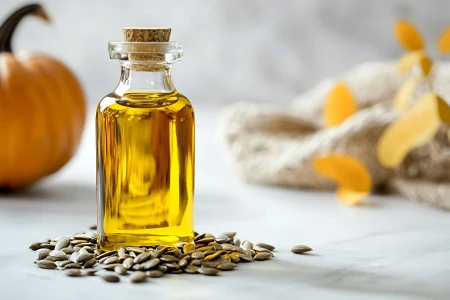
When these seeds are cold-pressed, all their valuable components pass into the oil, creating one of nature’s most beneficial products. Pumpkin seed oil captures the very essence of these small seeds, becoming not just a culinary delicacy, but a true elixir of health.
Green Gold – The Health Properties of Pumpkin Seed Oil
Dark green and dense, pumpkin seed oil is far more than a flavorful salad dressing. It’s a bottle of nature’s pharmacy, whose health-promoting properties have been the subject of numerous scientific studies. Though traditional medicine has used it for centuries, only modern science is now beginning to fully understand its mechanisms and confirm what our ancestors already knew by intuition.
Natural Support for the Urinary System
One of the most well-documented uses of pumpkin seed oil is its support of urinary tract health, especially in men. Studies show that regular consumption of this oil can ease the symptoms of benign prostatic hyperplasia (BPH) — a condition affecting many men over fifty. The compounds it contains, particularly phytosterols and fatty acids, have anti-inflammatory effects and may reduce the frequency of nighttime urination while improving urinary flow. It is a natural alternative that avoids the side effects typical of pharmaceutical treatments.
Heart and Circulatory Health
The oil’s benefits extend well beyond the urinary system. Its unsaturated fatty acids, especially linoleic and oleic acid, help maintain healthy cholesterol levels by improving the ratio between “good” HDL and “bad” LDL cholesterol. Phytosterols further enhance this effect by competing with cholesterol for absorption in the intestines. Including pumpkin seed oil regularly in your diet can thus be part of a natural strategy for cardiovascular disease prevention, still the leading cause of death in developed countries.
Support for Women’s Health and Hormonal Balance
For women, pumpkin seed oil offers its own set of unique benefits. It may help alleviate menopausal symptoms such as hot flashes and mood swings, likely thanks to its phytoestrogens and their balancing effect on hormonal metabolism. Vitamin E — present in significant amounts — acts as a powerful antioxidant, protecting cells from oxidative stress and supporting youthful, radiant skin. Zinc, another key nutrient in this oil, contributes to strong hair and nails, often weakened during hormonal changes.
Immune System Booster
The immune system also reaps the rewards of regular pumpkin seed oil intake. Zinc, vitamin E, and polyunsaturated fatty acids create a synergistic blend that enhances the body’s natural defense mechanisms. During the autumn and winter months — peak season for colds and flu — just one tablespoon a day can be a simple yet effective way to strengthen immunity naturally.
For Mind, Mood, and Focus
Pumpkin seed oil can also support mental and emotional well-being. It contains tryptophan, an amino acid that the body converts into serotonin — the “happiness hormone” — and melatonin, which regulates sleep. Together with magnesium, essential for nervous system health, this combination helps maintain calm, focus, and emotional balance. In an age of constant stress and information overload, such natural neurological support is more valuable than ever.
Antioxidant Shield and Cellular Protection
The antioxidants in pumpkin seed oil — including carotenoids, which give it its deep green hue — protect cells from free radical damage. This not only helps preserve youthful skin but also contributes to the prevention of chronic diseases, including certain cancers. While pumpkin seed oil is not a miracle cure, it can be a powerful element of a holistic lifestyle that minimizes disease risk and supports long-term vitality.
The Pumpkin in Culture and Tradition – From Field to Table
The history of the pumpkin reaches deep into humanity’s agricultural past. Archaeological evidence shows that pumpkins were cultivated in Mesoamerica around 10,000 years ago, making them among the oldest domesticated plants. For the Indigenous peoples of the Americas, pumpkins were not only a food source but also a vital part of their material and spiritual culture. Every part of the plant was used: the flesh was eaten fresh or dried, the seeds were pressed for oil or roasted as a snack, and the hard shell served as bowls, rattles, or ceremonial masks.
When Europeans arrived in the New World, they quickly recognized the pumpkin’s value and brought it back across the Atlantic. By the 16th and 17th centuries, it had spread throughout Europe, finding a special place in regions with temperate climates. In Poland, pumpkins became a staple of peasant gardens, valued as a nutritious addition to the winter diet, when fresh vegetables were scarce. Our grandmothers cooked sweet pumpkin with milk and semolina, baked it with honey, and preserved it in jars for the colder months.
Pumpkins soon became woven into local folklore and seasonal traditions. Across Europe, they came to symbolize autumn’s abundance and harvest prosperity. Harvest festivals often featured competitions for the largest and most beautiful pumpkins — a matter of pride for farmers. In Slavic cuisine, pumpkins appeared in many forms, from simple soups to elaborate holiday dishes. In parts of Ukraine and southern Poland, the so-called “watermelon wedding” tradition even used a pumpkin as a symbol of rejection — given by a bride’s family to suitors turned away.
From Jack O’Lanterns to Autumn Festivals
Pumpkins also hold a special place in All Saints’ Day traditions and the celebration of Halloween. Though today pumpkin lanterns are seen as a hallmark of American pop culture, their roots trace back to ancient Celtic customs in Ireland and Scotland, where people carved turnips and rutabagas to ward off evil spirits on All Hallows’ Eve. When Irish immigrants arrived in America in the 19th century, they replaced the scarce turnips with the plentiful New World pumpkins — larger and easier to carve. Thus was born the iconic Jack O’Lantern, with its glowing, mischievous grin.
While Halloween’s pagan roots make it controversial for some, it has undeniably become a global cultural phenomenon that restored the pumpkin to its rightful place in seasonal traditions. Each year, millions of pumpkins are transformed into lanterns, decorations, and costumes. For children around the world, carving pumpkins has become a cherished autumn ritual, bringing families together in creative joy. Ironically, this is also when most pumpkin seeds end up discarded — though they could be used to make valuable, nutrient-rich oil instead.
Yet the pumpkin’s story goes far beyond Halloween. In Poland, pumpkin festivals and autumn markets are becoming increasingly popular, showcasing hundreds of varieties — from tiny ornamental ones to giants weighing over 100 kilograms. These events are wonderful opportunities to appreciate the plant’s diversity and discover that each variety offers its own culinary and decorative uses.
Today, as interest in traditional foods and artisanal production grows, the pumpkin is reclaiming its place in the kitchen — not merely as a decoration, but as a nutrient-rich ingredient. Restaurants now serve pumpkin soups, risottos, dumplings, and desserts, celebrating its natural sweetness and creamy texture. Meanwhile, the long-overlooked pumpkin seed has made a comeback as a healthy snack and a source of precious oil — a perfect union of tradition and modern nutrition.
Autumn Harvest – When and How to Gather Pumpkins
Autumn is the season when fields and gardens turn into seas of orange hues. Pumpkins, which have spent the summer slowly growing and ripening, now reach their full size and are ready for harvest. The timing of the harvest is crucial — not only for the flavor and texture of the flesh, but above all for the quality and nutritional value of the seeds.
The best time to harvest pumpkins is before the first signs of winter, usually in September or October, depending on the variety and growing region. A ripe pumpkin should have a hard, uniform skin that doesn’t yield under gentle pressure. Its color should be deep and saturated — for orange varieties, a strong, even orange tone without green patches. Another reliable indicator is the stem: when it begins to dry and harden, it’s a sign that the pumpkin has finished growing and can be safely harvested.
It’s also important to collect pumpkins before the first frosts, which can damage the skin and shorten their shelf life. However, don’t rush the harvest either — unripe pumpkins have underdeveloped seeds, which are less flavorful and lower in nutrients. Choose a dry, sunny day, and carefully cut the pumpkin from the vine, leaving a few centimeters of stem. This helps the fruit store longer.
After harvesting, pumpkins should be allowed to “cure” — rest for a few weeks in a dry, well-ventilated place at room temperature. This process allows the skin to harden further, extending the pumpkin’s shelf life for several months. During this time, the seeds also continue to mature, becoming more flavorful and nutrient-rich. These fully matured seeds are ideal for oil pressing.
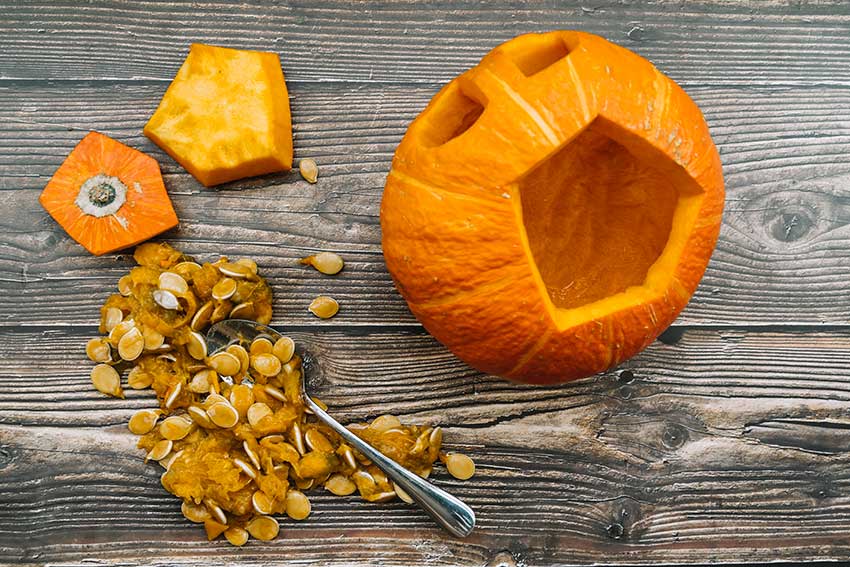
When the time comes to process your pumpkins — whether for soup, dessert, or seed extraction — take care not to waste any part of this wonderful gift of nature. The seeds should be carefully separated from the flesh, rinsed under running water, and dried thoroughly. You can eat them raw or roasted as a healthy snack, but their greatest value lies in oil production, where all their extraordinary properties are concentrated.
Homemade Oil Production – From Seed to Elixir
In an age of industrialized food and mass production, more and more people are seeking authentic, natural products whose origin and composition they can fully control. Making your own pumpkin seed oil is a return to tradition — to the days when every household had its own press, and oil was made fresh, preserving its full aroma and nutritional power.
Though oil pressing might sound complicated, it’s surprisingly simple when you have the right equipment. The first and most important step is proper seed preparation. After removing, rinsing, and drying the seeds, you can choose between two methods: cold pressing or warm pressing after roasting the seeds.
Cold pressing preserves the maximum nutritional value and delivers a delicate, nutty flavor. The seeds are not heated, so vitamins, fatty acids, and enzymes remain intact. Cold-pressed oil is lighter in color and milder in taste, though its yield is lower — you’ll get less oil from the same amount of seeds than with warm pressing.
Warm pressing, on the other hand, involves roasting the seeds beforehand, which produces a richer flavor and deeper green color. During roasting — ideally at 120–150°C (250–300°F) for 15–20 minutes — the seeds release more oil and develop their signature aroma. This is the traditional method used to create the distinctively aromatic oils known from Styrian or other artisanal European producers.
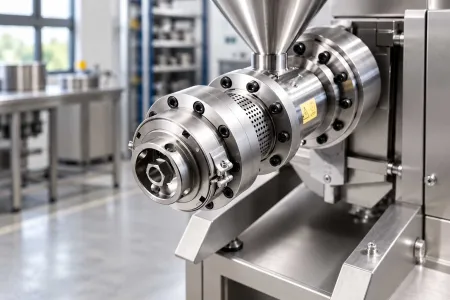
For home pressing, the domestic oil press from Pureoilpress.com is an excellent choice. The device combines ease of use with professional efficiency, allowing both cold and warm pressing. Its stainless steel construction ensures durability, while the built-in heating system provides precise temperature control — essential for maintaining the oil’s health benefits. With an output of 5–7.5 kg per hour, you can process seeds from a dozen pumpkins in a single afternoon, producing enough fresh oil to last your family for months.
The process itself is intuitive. After loading the prepared seeds into the press chamber, the machine gradually applies pressure, extracting the precious oil, which flows into a collection container. The leftover seed cake, known as press meal or “makuch”, is far from waste — it’s a nutritious byproduct rich in fiber and protein, perfect for adding to bread, pastries, smoothies, or even as a wholesome animal feed ingredient.
Freshly pressed oil has an intense aroma and flavor, often stronger than that of commercial products — a clear sign of authenticity and freshness. After pressing, filter the oil through gauze or a fine dark strainer to remove small particles, then pour it into dark glass bottles. Stored in a cool, dark place, it will keep for several months, though it’s best consumed as soon as possible to enjoy its full flavor and health benefits.
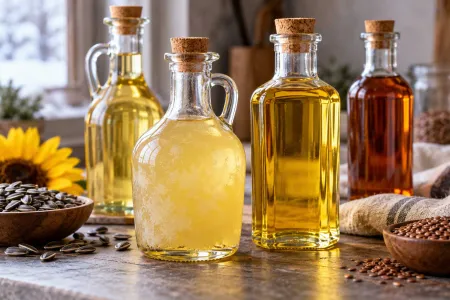
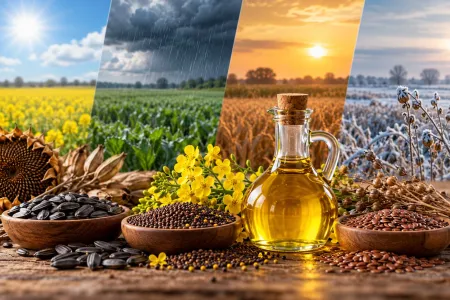
Owning your own oil press opens a whole new culinary dimension. Beyond pumpkin seeds, you can press oil from sunflower, flax, walnuts, or sesame. Each has its own unique properties and uses. Homemade oil production is not only economical — it guarantees that what reaches your table is a pure, chemical-free product, free from preservatives, fillers, or solvent residues typical of industrial extraction.
Culinary Uses of Pumpkin Seed Oil
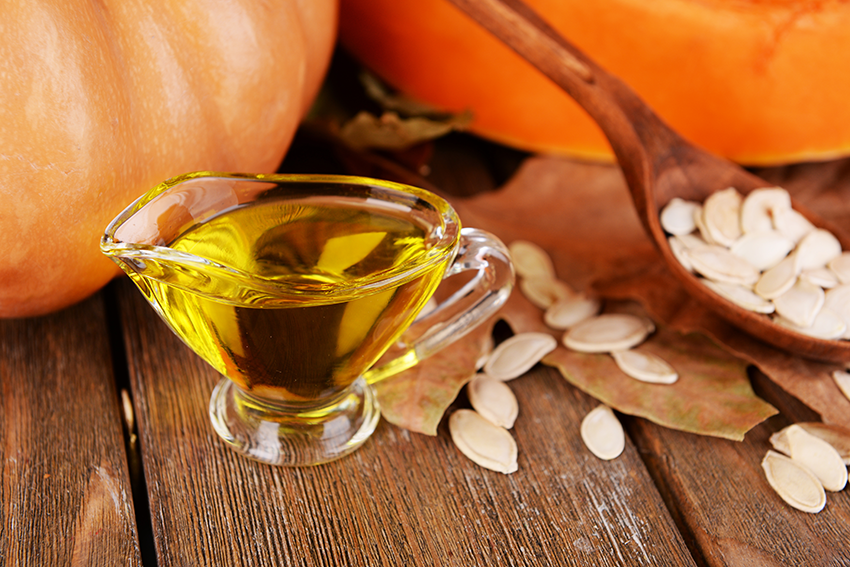
Pumpkin seed oil is not just a dietary supplement or salad ingredient — it’s a true culinary treasure that can transform everyday cooking. Its rich, nutty flavor and distinctive aroma give even the simplest dish a touch of sophistication.
The oil is most often used cold, as a dressing for salads. Simply combine it with a bit of balsamic vinegar, salt, and pepper to create a vinaigrette that perfectly enhances the flavor of young salad leaves, arugula, or spinach. It pairs especially well with blue cheese, caramelized walnuts, and pears — a combination that will delight even the most discerning palates.
In Austrian and Slovenian cuisine, pumpkin seed oil is an essential element of traditional dishes. It is drizzled over pumpkin soups just before serving, added to pumpkin risotto, or used as a finishing touch for creamy vegetable soups. Its deep green color creates a stunning visual contrast with the orange pumpkin flesh, resulting in a dish that’s both a culinary and aesthetic masterpiece.
It’s also worth experimenting with pumpkin seed oil in baking. A few tablespoons added to pumpkin bread, muffins, or cakes lend a richer flavor and extra moisture. It can even replace butter in some recipes for cold desserts or energy balls, enriching them with nutrients and a distinctive aroma.
Pumpkin seed oil also makes a wonderful addition to sandwich spreads. When blended with avocado, garlic, and lemon juice, it creates a creamy, flavorful paste perfect for toast or whole-grain rolls. It can also serve as a base for homemade pesto, replacing traditional olive oil. In this version, pesto gains a deeper, more robust character that pairs beautifully with whole-grain pasta or quinoa.
It’s important to remember that cold-pressed pumpkin seed oil should not be used for frying or cooking at high temperatures, as it can lose its beneficial properties and develop bitterness. Its true domain lies in cold preparations and finishing touches, where it can fully shine with its unique, nutty flavor and aroma.
Storage and Shelf Life of Homemade Pumpkin Seed Oil
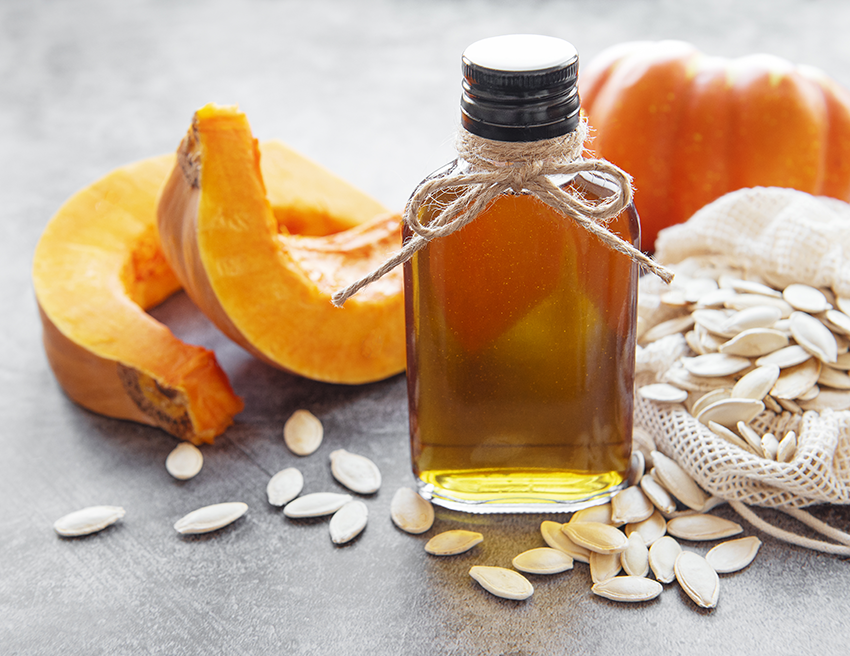
Pumpkin seed oil, especially when cold-pressed at home, is a living product that requires proper storage conditions. Unlike industrially refined oils that undergo numerous stabilizing processes and are stripped of their natural components, homemade oil retains all of its nutrients — but also a greater sensitivity to light, heat, and oxygen.
These three elements are the oil’s greatest enemies. When exposed to them, valuable unsaturated fatty acids begin to oxidize, forming compounds that not only lose nutritional value but can even become harmful. Therefore, the first rule of storing pumpkin seed oil is to keep it in dark, preferably glass bottles, in a cool place away from direct sunlight.
Once opened, the refrigerator is the ideal place for storage. The cold slows oxidation processes and significantly extends freshness. The oil may become slightly cloudy at low temperatures, but this is a completely natural and reversible process — once brought back to room temperature, it will regain its clarity. It’s also important to tightly seal the bottle after each use to minimize air contact.
Freshly pressed oil is best consumed within 3–6 months. Although it can remain edible for longer, its flavor and health-promoting properties gradually diminish. This is why pressing smaller batches — just enough for household use — is ideal. It ensures that you always enjoy fresh, aromatic oil at its nutritional peak.
A clear sign that the oil has gone bad is the appearance of a bitter taste or unpleasant odor. Fresh pumpkin seed oil should have a pleasant, nutty aroma and a subtly sweet flavor. If you notice off-notes, it’s best to discard it — rancid oil not only loses its benefits but can be harmful to health.
Don’t forget that the press cake (the solid residue left after pressing) can be frozen and reused gradually. Rich in fiber and protein, it makes a great addition to smoothies, porridge, or homemade energy bars. When stored in the freezer, it will keep for many months, providing an extra source of nutrition from your autumn pumpkins.
Pumpkin and Its Seeds — An Investment in Health and Tradition
Standing in a pumpkin field on an October afternoon, it’s easy to understand why this plant has held such an important place in human diets and culture for thousands of years. Pumpkin is much more than a seasonal decoration or soup ingredient — it’s a symbol of autumn, a link between tradition and modernity, a bridge between folk wisdom and contemporary science.
Pumpkin seeds, often dismissed as waste, are a true treasure of nature that can easily be transformed into a precious elixir of health. Making your own pumpkin seed oil at home isn’t just a way to obtain a pure, additive-free product. It’s also a return to the roots — to a time when people understood where their food came from and treated nature’s gifts with respect.
Investing in a good home oil press, such as those offered by Prasyolejowe.pl, pays off many times over — not only in the form of fresh, aromatic oil but also in better health and well-being for the whole family. It’s also an opportunity for children to see where food really comes from and to learn how something as simple as a seed can become a product of great value.
In an age when store shelves are crowded with dozens of oil varieties of often questionable quality, the ability to produce your own pumpkin seed oil is both a privilege and a responsibility. It’s a conscious, ecological, and local choice — and a way to preserve a tradition that helped generations live in harmony with nature.
So next time you slice open a pumpkin, pause for a moment over its seeds. Think of all the generations who valued them for their nourishing power. Imagine the dark green oil they can yield — its nutty aroma, velvety texture, and the wealth of health it brings to your body. This is not just oil. It’s the essence of autumn, the wisdom of nature, and an investment in your well-being.
Frequently Asked Questions
How many pumpkin seeds are needed to produce one liter of oil?
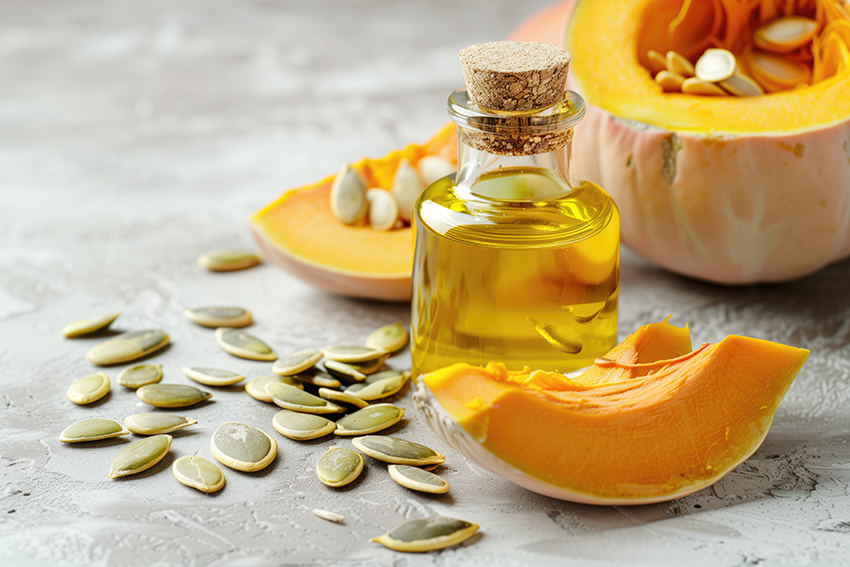
To produce one liter of pumpkin seed oil, you need about 2.5–3 kilograms of seeds, which corresponds to roughly 30–40 medium-sized pumpkins, depending on their variety and size. This explains why pumpkin seed oil has historically been considered so valuable — it was once known as “green gold.”
It’s worth noting that warm pressing (after lightly roasting the seeds) yields more oil than cold pressing — the difference can reach 20–30%. So if you want to maximize efficiency, consider gently roasting the seeds before pressing. A home oil press handles this task easily, ensuring that every batch of seeds is used effectively.
Can pumpkin seed oil be used on the skin?
Yes — pumpkin seed oil is an excellent natural cosmetic that has been used for centuries in skincare. Thanks to its content of vitamin E, zinc, and essential fatty acids, it nourishes, regenerates, and protects the skin while providing anti-inflammatory and anti-aging effects.
You can apply it directly to the face or body as a nourishing serum, or add it to creams and masks. It’s especially recommended for mature, dry, or sensitive skin. The oil helps heal minor wounds, soothes irritation, and supports the skin’s natural barrier. For best results, use cold-pressed, additive-free oil — ideally your own homemade batch, to ensure purity and freshness.
How long does homemade pumpkin seed oil last?
Homemade pumpkin seed oil — especially when cold-pressed — is a natural product with a limited shelf life. When stored properly in a dark, airtight glass bottle in the refrigerator, it retains its properties for about 3–6 months.
Oil pressed from roasted seeds (warm-pressed) tends to be slightly more stable and can stay good for 6–9 months. The key to freshness is minimizing exposure to air, light, and heat. It’s best to press smaller quantities that match your household needs.
If the oil develops a bitter taste or unpleasant smell, it’s a sign that oxidation has started — and it’s better not to consume it. Fresh pumpkin seed oil should have a pleasant, nutty aroma and a slightly sweet flavor.
Can I press oil from store-bought pumpkin seeds?
Yes, but with some caution. Many store-bought seeds sold as snacks are roasted, salted, or otherwise processed, which can affect the oil’s flavor and quality. For pressing, it’s best to use raw, unprocessed, organic seeds.
Note that oil yield varies by pumpkin variety — the best results come from hull-less (Styrian-type) pumpkins, whose seeds have a thin shell and large, oil-rich germ.
If you plan to press oil regularly, consider using seeds from your own harvest or local farmers. That way you ensure freshness and traceability, while turning the process from harvest to oil pressing into a satisfying autumn ritual.
How much pumpkin seed oil should you consume daily?
The recommended daily intake is 1–2 tablespoons (15–30 ml) of raw, unheated oil — for example, as a dressing for salads, soups, or bread. This amount provides your body with essential unsaturated fatty acids, zinc, vitamin E, and other valuable nutrients.
Avoid exceeding this dose, since the oil is calorie-dense — one tablespoon contains about 120 calories. For people using the oil to support specific conditions (such as prostate health), dosages may vary — it’s best to consult a doctor or nutritionist.
Remember that pumpkin seed oil should not be your only source of fat — combine it with other healthy oils, such as olive or flaxseed oil, for optimal balance.
Is a home oil press an expensive investment?
A home oil press is an investment that pays off quickly — especially for families who value natural, healthy food. A high-quality press, such as those offered by Pureoilpress.com, costs a few thousand złotys, but the long-term savings are significant.
A liter of premium pumpkin seed oil can cost 100–200 PLN in stores, while producing it at home costs mainly the price of the seeds — or practically nothing if they come from your own pumpkins.
Moreover, the press can be used for other seeds and nuts — flax, sunflower, sesame, or walnuts — further increasing its value. Beyond the financial benefit, you gain the assurance of quality and freshness, full control over production, and the satisfaction of creating something wholesome with your own hands. It’s truly an investment in health and family tradition.
Can children consume pumpkin seed oil?
Yes — pumpkin seed oil is safe and beneficial for children over one year old. It’s a great dietary addition, providing valuable omega-3 and omega-6 fatty acids, zinc for growth and development, and vitamin E.
You can add it to soups, salads, smoothies, or spreads. For young children, start with ½ teaspoon daily, gradually increasing to a full teaspoon or tablespoon as they grow. Introduce it slowly and observe the child’s reaction — allergies to pumpkin seeds are rare, but possible.
Most children enjoy its mild, nutty-sweet flavor, making it an easy and natural way to enrich their diet without resorting to supplements.
Summary
The pumpkin is much more than an orange symbol of autumn or a Halloween decoration — it is a true gift of nature, whose greatest value lies hidden in its small, often overlooked seeds. Once known as “green gold,” pumpkin seed oil is a health elixir that bridges ancient tradition and modern science.
By producing your own oil at home, you can be sure that what reaches your table is fresh, pure, and unprocessed. Investing in a home oil press from Pureoilpress.com is a step toward mindful, healthy living and a return to authentic, natural foods.
It’s also a way to preserve tradition, teach children where food truly comes from, and strengthen your connection with nature and nourishment.