
Table of Contents
- Why Autumn Is the Perfect Time for Oil Pressing
- The Immune System Facing Autumn and Winter Challenges
- Sunflower – Autumn Gold for Immunity
- Pumpkin Seeds – Autumn Power of Zinc and Magnesium
- Flaxseed Oil – Omega-3 on Guard Through Winter
- Nuts – Autumn Harvest for Winter Health
- The Home Oil Press – An Investment in Autumn and Winter Health
- Daily Dose of Immunity – How to Incorporate Fresh Oils into the Autumn-Winter Diet
- Gut Microbiota – The First Line of Defense in Winter
- Vitamin E – The Antioxidant Defender of Immune Cells
- Children During the Infection Season – How Oils Support the Youngest
- Seniors and Immune Support During the Toughest Season
- Stress, Sleep, and Immunity – A Holistic Approach to Winter Health
- Storage and Freshness – The Key to Maximum Health Benefits
- Oil Rotation – Variety for Optimal Support
- Local Sources – Supporting Communities and Freshness
- Oil Cake – A Valuable Byproduct for the Winter Menu
- Frequently Asked Questions (FAQ)
- Summary – Autumn Pressing as the Foundation of Winter Health
With the arrival of autumn, as the days grow shorter and temperatures begin to drop, the body faces the challenge of adapting to new conditions. The autumn and winter season is a time of increased activity of viruses and bacteria, as well as a heightened need for nutrients that support the immune system. It is precisely during this period that nature offers an abundance of ripe seeds and nuts, which can become the foundation for homemade oil production — true allies in maintaining health during the most demanding months of the year.
Why Autumn Is the Perfect Time for Oil Pressing
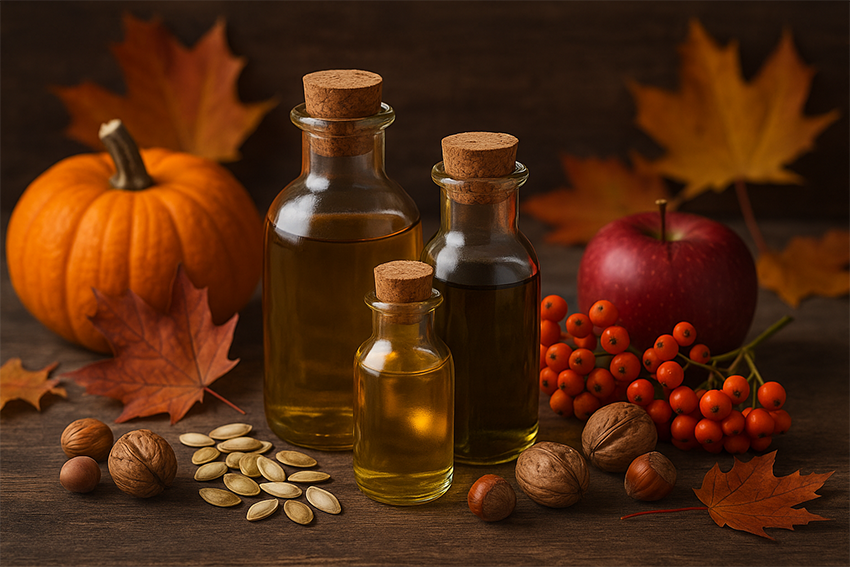
Autumn is the season of harvesting oil-bearing seeds. Sunflowers complete their vegetation cycle, pumpkins reach full ripeness, walnuts fall from the trees, and flax has already been harvested and properly dried. It’s the natural moment to stock up on the freshest raw materials that will yield the highest-quality oils. Freshly gathered seeds contain the maximum amount of active compounds — they haven’t yet lost their nutritional value through long-term storage.
Home oil pressing in autumn makes deep sense not only because of the availability of raw materials, but also from the perspective of health prevention. It is precisely now, before the peak of the infection season, that it’s worth strengthening the body with substances that will support the immune system throughout the winter. Regular consumption of freshly pressed oils for several weeks helps the body build a “reserve” of valuable nutrients that will sustain it through the colder months.
The Immune System Facing Autumn and Winter Challenges
The autumn and winter season presents special challenges for the immune system. Lower temperatures, dry air in heated indoor spaces, and greater concentrations of people in enclosed environments all promote the spread of infections. Additionally, the body experiences a natural weakening related to hormonal changes caused by shorter daylight hours.
The immune system needs constant support in the form of nutrients that enable the proper production and functioning of immune cells. Fatty acids, fat-soluble vitamins, polyphenols, and phytosterols are compounds that directly affect the efficiency of the body’s defense mechanisms. Deficiencies in these substances can lead to weakened immunity and increased susceptibility to infections.
Naturally cold-pressed oils provide comprehensive support for the immune system. Omega-3 fatty acids, found especially in flaxseed oil, are building blocks of anti-inflammatory compounds that help the body cope with chronic inflammation — the “silent enemy” of immunity. Vitamin E protects the cell membranes of lymphocytes and macrophages from damage caused by free radicals, allowing these cells to fight pathogens effectively.
Phytosterols, naturally occurring in vegetable oils, have immunomodulatory properties. Research shows they can influence the activity of immune cells, helping the body maintain balance between an excessive and insufficient immune response. This balance is crucial — a response that’s too weak doesn’t protect against infection, while an overly strong one can lead to inflammation and allergic reactions.
Sunflower – Autumn Gold for Immunity
Late summer and early autumn are when fields of sunflowers display their characteristic bowed heads, full of mature seeds. It’s at this time that the freshest sunflower seeds can be harvested — the basis for producing oil valued for its health-promoting properties.
Cold-pressed sunflower oil is one of the richest sources of vitamin E in the form of alpha-tocopherol. Just two tablespoons of freshly pressed oil can cover a significant portion of the daily requirement for this vitamin. Vitamin E acts as a powerful antioxidant, protecting cells from oxidative stress, which tends to increase during autumn and winter due to more frequent infections, air pollution, and overall fatigue.
In addition to vitamin E, naturally pressed sunflower oil provides linoleic acid — a polyunsaturated omega-6 fatty acid that, when balanced with omega-3s, supports the proper structure and function of cell membranes. Healthy cell membranes are essential for effective communication between immune cells and for a proper immune response.
Fresh sunflower seeds can be obtained directly from local farmers or from suppliers specializing in raw materials for home pressing. When choosing seeds, look for full, uniform ones without any signs of mold or damage. Store them in a dry, cool place in airtight containers to preserve their freshness until pressing.
Pumpkin Seeds – Autumn Power of Zinc and Magnesium
Autumn is also pumpkin season — and with it comes pumpkin seeds, an exceptional source of minerals essential for immunity. Pumpkin seed oil, known for its rich, slightly nutty flavor and deep green color, is a true concentrate of bioactive substances.
Zinc, which pumpkin seeds contain in abundance, is absolutely essential for the proper functioning of the immune system. It participates in the maturation of T lymphocytes, affects the activity of NK (natural killer) cells, and supports antibody production. Zinc deficiency — which often increases in the autumn and winter due to higher bodily demand — can weaken immunity and increase susceptibility to infections.
Magnesium, also richly present in pumpkin seed oil, indirectly supports the immune system by maintaining nervous system balance and reducing stress. Chronic stress is one of the main factors that weakens immunity, especially during the dark winter months when many people experience low energy and mood. Magnesium helps stabilize the nervous system, thereby supporting the stress-immunity axis.
Pumpkin seeds are best pressed fresh, right after the autumn harvest. Many people who cook with pumpkins — in soups, preserves, or snacks — dry their seeds at this time. You can also purchase ready-to-press seeds, but make sure they come from the current season and have been properly stored.
Flaxseed Oil – Omega-3 on Guard Through Winter
Although flax is harvested in summer, flaxseeds store well into autumn and winter, making them an excellent raw material for pressing during the season when the body most needs support. Flaxseed oil is the best plant-based source of alpha-linolenic acid (ALA), an omega-3 fatty acid that plays a key role in regulating inflammatory processes.
The autumn-winter season often comes with heightened immune system activity as it responds to numerous infections and environmental irritants. This constant activation can lead to chronic low-grade inflammation, which paradoxically weakens immune efficiency. Omega-3s from flaxseed oil help maintain balance by supporting the production of anti-inflammatory compounds that modulate the immune response without diminishing its effectiveness.
Flaxseed oil also contains lignans — plant compounds with antioxidant and potentially immunomodulatory properties. Combined with omega-3 fatty acids, they create a synergistic blend that supports health on multiple levels.
Freshly pressed flaxseed oil has a delicate, mildly nutty flavor, entirely different from the bitter notes characteristic of spoiled oil. Because of its high content of polyunsaturated fatty acids, flaxseed oil is especially sensitive to oxidation. Therefore, it’s best to press it in small quantities for immediate use and store it in a dark glass bottle in the refrigerator.
Nuts – Autumn Harvest for Winter Health
Autumn is the time to gather nuts — walnuts, hazelnuts, and in warmer regions, even almonds. Freshly harvested autumn nuts are the most aromatic and contain the highest nutritional value. Nut oils, though less common than flaxseed or sunflower oils, offer unique health-supporting profiles.
Walnut oil is a source of omega-3 fatty acids, similar to flaxseed oil, but it also offers a distinctive composition of polyphenols. Studies suggest that regular consumption of walnut oil can positively influence gut microbiota, promoting the growth of probiotic bacteria. And as is well known, a healthy gut is the foundation of a strong immune system — up to 70% of immune cells reside in the lymphatic tissue of the digestive tract.
Hazelnut oil is rich in oleic acid — the same monounsaturated fat that dominates olive oil. It has a mild, sweet flavor and a beautiful amber color. It is also a source of vitamin E, magnesium, and manganese — minerals that support immune functions.
After harvesting, nuts should be properly dried and stored in cool, dry conditions. Moisture and warmth promote mold growth, which can lead to dangerous mycotoxins, so it’s important to visually inspect nuts for quality before pressing.
The Home Oil Press – An Investment in Autumn and Winter Health
Deciding to purchase a home oil press is an investment that pays off many times over, especially when made in autumn — just before the season when the body needs the most immune support. The ability to press fresh oil daily ensures access to a top-quality product full of active nutrients.
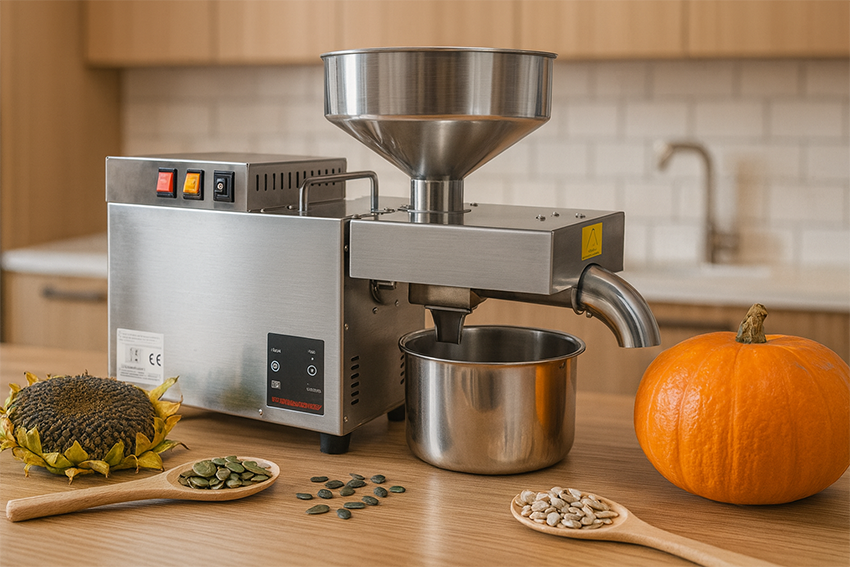
A home oil press with both cold and warm pressing functions provides the flexibility needed to work with different raw materials. The cold-press mode is ideal for delicate seeds like flax, where preserving omega-3 integrity is key. The gentle heating option increases efficiency when pressing harder seeds such as pumpkin or nuts, without compromising the oil’s nutritional value.
During autumn and winter, when regular immune support is most needed, a home press allows you to produce fresh portions of oil tailored to your family’s daily needs. You can press different seeds depending on availability and preference, rotating sources of fatty acids and bioactive compounds for optimal health benefits.
The pressing process is simple and requires no technical expertise. Seeds are poured into the chamber, the machine mechanically squeezes out the oil, and it flows into a prepared container. The entire process usually takes from several minutes to an hour, depending on the type and quantity of raw material. The by-product, known as press cake, is rich in protein and fiber and can be used in cooking or for making natural cosmetics.
Daily Dose of Immunity – How to Incorporate Fresh Oils into the Autumn-Winter Diet
The autumn-winter season is a time when diets often become less diverse, and many people reduce their intake of fresh fruits and vegetables. This is an additional reason why enriching your daily menu with natural oils is particularly valuable. A spoonful of freshly cold-pressed oil added to meals provides a concentrated source of nutrients in an easily absorbable form.
Morning meals are the perfect opportunity to introduce oil into your diet. A spoonful of flaxseed oil added to oatmeal, muesli, or yogurt not only enriches breakfast with healthy fats but also improves the absorption of fat-soluble vitamins from fruits and nuts. During a time when fresh fruits and vegetables are less available or more expensive, maximizing the absorption of nutrients from available foods becomes especially important.
Soups, which dominate autumn and winter tables, pair wonderfully with natural oils. A spoonful of sunflower oil or pumpkin seed oil added to hot (but not boiling) vegetable soup, cream soup, or broth enhances the meal and adds extra depth of flavor. Oils should not be cooked but can be added to warm dishes just before serving.
Autumn vegetable salads — made with cabbage, beets, carrots, or celery — gain a new dimension of flavor thanks to dressings based on freshly cold-pressed oils. You can mix different oils to create unique flavor and nutritional compositions. Walnut oil combined with flaxseed oil, a touch of mustard, and apple cider vinegar — is a simple way to make a delicious and healthy dressing.
Roasted vegetables, so popular in autumn and winter, can also be enriched with oils. Although it’s better to use more stable fats for baking, once the vegetables are out of the oven, you can drizzle them with a spoonful of fresh oil. The oil seeps into the warm vegetables, adding aroma and nutritional value.
Gut Microbiota – The First Line of Defense in Winter
During the autumn-winter period, the digestive system faces particular challenges. Dietary changes, more frequent viral infections, and antibiotic use can negatively affect the composition of gut microbiota. A healthy microbiota forms the foundation of a strong immune system, supporting the intestinal barrier and modulating immune responses.
Natural oils support gut health in several ways.
First, omega-3 fatty acids, particularly EPA and DHA, stimulate the growth of bacteria that produce short-chain fatty acids — especially butyrate, which is the main energy source for colonocytes and has strong anti-inflammatory effects. As a result, a healthy intestinal barrier is better able to protect against pathogens and toxins entering the bloodstream.
Second, polyphenols found in naturally pressed oils act as prebiotics, nourishing beneficial gut bacteria. A diverse microbiota produces metabolites that directly influence immune cells, helping maintain balance between tolerance and defense responses.
Third, natural oils support intestinal peristalsis, making regular bowel movements easier. This is particularly important in winter, when diets often contain less fiber due to a limited supply of fresh fruits and vegetables. Regular peristalsis helps the body eliminate toxins and pathogens more effectively, supporting overall immunity.
Vitamin E – The Antioxidant Defender of Immune Cells
The autumn-winter season is a period of increased oxidative stress. Infections, air pollution (especially during the heating season), and reduced physical activity outdoors all increase the production of free radicals in the body. Immune cells are particularly vulnerable to oxidative damage due to their intense metabolism and frequent exposure to pathogens.
Vitamin E, of which natural oils are an excellent source, is the first line of defense against oxidative stress. Incorporated into cell membranes, it protects them from lipid peroxidation — a process that can lead to loss of membrane integrity and cell death. For lymphocytes, macrophages, and other immune cells, well-functioning cell membranes are essential for effective activity.
Research shows that adequate vitamin E intake can improve immune response, especially in older adults whose natural immune mechanisms tend to weaken. Combined with other antioxidants present in natural oils — such as carotenoids, polyphenols, and phytosterols — vitamin E forms an effective antioxidant defense system.
Natural, freshly cold-pressed oils contain vitamin E in its biologically active form, often as a mixture of tocopherols and tocotrienols. This natural composition shows higher bioavailability and effectiveness than single vitamin E forms used in supplements, providing yet another reason to choose natural oils as a source of this vital nutrient.
Children During the Infection Season – How Oils Support the Youngest
Autumn marks the return to schools and kindergartens, which comes with a sudden increase in children’s exposure to various pathogens. The young, still-developing immune system must learn to recognize and fight new threats, which often manifests as frequent colds and infections.
Natural oils can provide valuable support for children’s immune systems. Omega-3 fatty acids from flaxseed oil support the development of the nervous system and brain while helping to regulate inflammatory responses. Vitamin E from sunflower oil protects cell membranes, and zinc from pumpkin seed oil supports the maturation of immune cells.
Introducing oils into children’s diets should be gradual — start with small amounts and observe how the body reacts. Mild-flavored sunflower oil is a good first choice. It can be added to vegetable purees, soups, oatmeal, or pasta. Older children can also be given flaxseed oil, ideally hidden in smoothies or mixed into fruit yogurt.
Engaging children in the process of home oil pressing is a wonderful educational experience. They learn where food comes from, observe the transformation of seeds into oil, and gain a greater understanding and appreciation for natural products. This builds the foundations of healthy eating habits that will benefit them throughout their lives.
Seniors and Immune Support During the Toughest Season
Older adults are particularly vulnerable to infection complications during the autumn-winter season. Immunosenescence — the natural process of immune system decline with age — makes it harder for seniors to fight off infections, recover after illness, and resist complications.
Proper nutrition is one of the key factors supporting the immune system in older adults. Natural oils, rich in antioxidants and anti-inflammatory omega-3 fatty acids, can help slow the aging of the immune system. Vitamin E protects immune cells from the increasing oxidative stress that comes with aging, while omega-3 fatty acids reduce chronic inflammation (inflammaging) that weakens immune responses.
For seniors, it is especially important that oils are absolutely fresh. The aging body has a reduced ability to neutralize toxic lipid oxidation products. Pressing small amounts of oil at home, as needed, ensures that the oil consumed is in optimal condition — rich in active substances that support health and free from harmful degradation products.
Stress, Sleep, and Immunity – A Holistic Approach to Winter Health
The autumn-winter season is often a period of heightened stress. Shorter days, lack of sunlight, pre-holiday rush, and illnesses within the family all negatively affect the nervous system and indirectly weaken immunity. Chronic stress impairs the body’s defense mechanisms, increasing susceptibility to infections.
Natural oils — particularly those rich in omega-3 fatty acids and magnesium — can support the nervous system and help the body cope with stress. Omega-3 fatty acids are structural components of neuronal membranes and influence neurotransmission, including serotonin production — the hormone responsible for good mood. Magnesium found in pumpkin seed oil has a calming effect, supports sleep quality, and helps manage tension.
Sleep is a time of intense regeneration and immune activity. During sleep, the body produces cytokines — proteins essential for fighting infection and inflammation. Chronic sleep deprivation weakens immunity and increases the risk of illness. Supporting good sleep through proper nutrition — including the intake of oils rich in magnesium and omega-3 — is an important factor in maintaining a strong immune system.
The ritual of preparing fresh oil can also have therapeutic value. It’s a moment to pause, focus on the present, and connect with natural processes. In our fast-paced world, such mindfulness practices are valuable for mental health, which is inseparably linked to physical well-being.
Storage and Freshness – The Key to Maximum Health Benefits
During the autumn-winter season, when indoor temperatures are higher due to heating, proper storage of freshly cold-pressed oils becomes especially important. Heat, light, and air exposure are the main enemies of oil quality, leading to oxidation and degradation of valuable nutrients.
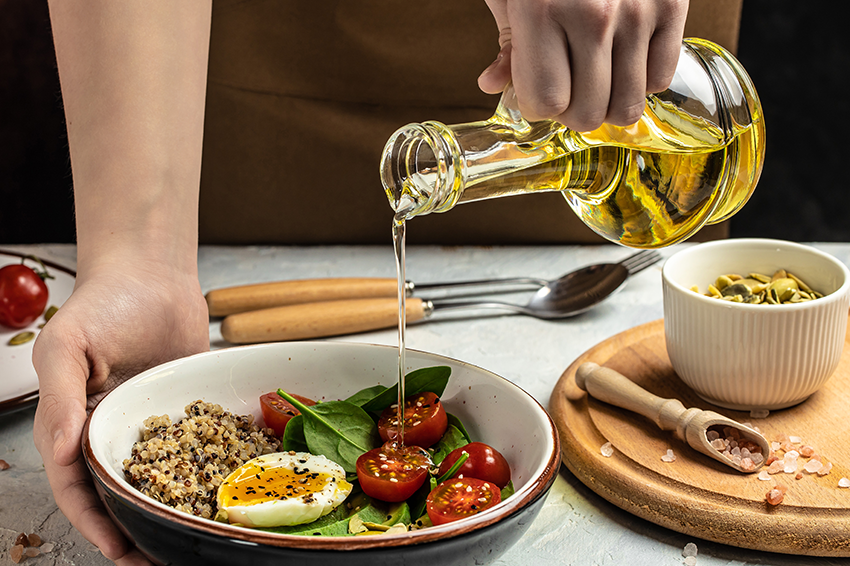
Freshly pressed oil should be poured into dark glass bottles of small capacity. Smaller bottles ensure that the oil is used up more quickly, minimizing its exposure to air. Bottles should be filled as full as possible to reduce oxygen presence. Tight sealing is absolutely essential.
The refrigerator is the best place to store naturally pressed oils. A low temperature (4–10°C / 39–50°F) significantly slows down oxidation and rancidity processes. Some oils, such as flaxseed oil, may become slightly cloudy in the fridge — this is a natural phenomenon that does not affect quality. Before use, simply remove the bottle for a few minutes or warm it gently in your hands to restore clarity.
Oils should be consumed as quickly as possible after opening. For flaxseed oil, this is typically 2–3 weeks; sunflower oil remains fresh for about 4–6 weeks, and more stable nut oils can stay fresh for 6–8 weeks. These are approximate time frames — it is always worth assessing the oil organoleptically before consumption. Spoiled oil has a bitter taste and an unpleasant odor, clear signs that it should not be consumed.
Oil Rotation – Variety for Optimal Support
In the autumn-winter season, when the body needs comprehensive support, it’s beneficial to consume a variety of oils instead of sticking to just one type. Different seeds offer unique nutrient profiles, and rotating them ensures holistic immune support.
A sample rotation plan might look like this:
Week 1: Flaxseed oil for maximum anti-inflammatory support.
Week 2: Sunflower oil for an intensive dose of vitamin E.
Week 3: Pumpkin seed oil for zinc and magnesium supply.
Week 4: Walnut oil for gut microbiota support.
Such rotation provides the body with a full spectrum of fatty acids, vitamins, minerals, and bioactive compounds.
You can also mix various oils to create personalized blends tailored to your individual needs and flavor preferences. Combining flaxseed and sunflower oils offers an optimal omega-3 to omega-6 ratio. Adding walnut oil enhances flavor depth and introduces additional polyphenols.
Oil rotation has another benefit — it prevents monotony and keeps your diet interesting and enjoyable. The variety of flavors and aromas makes eating more pleasant, which is particularly important during the dull winter months when meals can otherwise become less appealing.
Local Sources – Supporting Communities and Freshness
Autumn is the time when local farmers and producers offer freshly harvested seeds and nuts. Buying raw materials from local sources has multiple advantages — it supports the local economy but, most importantly, guarantees freshness. Seeds that haven’t spent weeks in storage or transport retain their full nutritional value.
Many organic farms offer sunflower, pumpkin, or flax seeds directly from their fields. Visiting such farms allows you to see the cultivation process, learn about storage conditions, and build trust and confidence in the quality of the raw materials.
In some communities, groups of people interested in home oil pressing are forming. They buy larger batches of fresh seeds together, share knowledge and experience, and exchange tried-and-true recipes and ways to use oils. This builds social bonds and creates a network of mutual support — something especially valuable during the challenging autumn-winter season.
Local markets and autumn fairs are excellent places to stock up on fresh seeds and nuts. You can often also find hand presses and other tools for homemade food production, as well as meet experienced producers eager to share their knowledge.
Oil Cake – A Valuable Byproduct for the Winter Menu
The oil-pressing process yields not only the oil itself but also oil cake — a protein- and fiber-rich byproduct that retains part of the minerals from the seeds. During the autumn-winter season, when the body needs additional nutritional support, oil cake can be a valuable addition to the diet.
Sunflower or pumpkin seed cake can be added to bread, pancakes, or fritters. It enriches them with protein and fiber, improves texture, and adds a nutty aroma. It can also be blended into smoothies, protein shakes, or oatmeal. Its fibrous structure supports intestinal peristalsis and helps maintain satiety.
During the winter months, oil cake can also be used to make homemade snacks and energy bars. Mixed with dried fruit, honey, nuts, and warming spices, then shaped into balls or bars — it becomes a healthy alternative to sweets, perfect for long winter evenings.
Oil cake also has uses beyond the kitchen. It can be incorporated into homemade facial masks, scrubs, or soaps. In winter, when skin often becomes dry due to heating and cold air, natural cosmetics based on oil cake can provide nourishment and regeneration.
Frequently Asked Questions (FAQ)
Why is autumn the best time for home oil pressing?
Autumn is the harvest season for oilseeds — sunflower, pumpkin, and various nuts. During this time, the freshest raw materials are available, containing the highest concentration of active compounds. Moreover, the period before autumn and winter is the perfect time to start regularly consuming natural oils to strengthen the immune system ahead of the increased activity of viruses and bacteria. Freshly harvested seeds yield oils of the highest quality, rich in substances that support immunity during the most demanding months of the year.
Which oils are best for supporting immunity during the autumn-winter season?
Flaxseed oil, rich in omega-3 fatty acids, supports the regulation of inflammatory processes and is especially valuable during periods of increased immune activity.
Sunflower oil provides large amounts of vitamin E, which protects immune cells from oxidative stress.
Pumpkin seed oil is a source of zinc — a mineral absolutely essential for the proper functioning of the immune system.
It’s best to rotate these oils or combine them to benefit from the full spectrum of nutrients they provide.
How much freshly pressed oil should be consumed daily to support immunity?
The recommended daily amount is 1–2 tablespoons (about 15–30 ml) of naturally cold-pressed oil. This can be divided into smaller portions throughout the day and added to various meals. It’s important not to heat cold-pressed oils — they should be added to prepared warm or cold dishes.
Individuals with specific health conditions or those taking medication should consult a doctor or dietitian before increasing their oil intake.
How long does freshly pressed oil retain its health properties?
Freshness is key to maintaining an oil’s nutritional value.
Flaxseed oil should be consumed within 2–3 weeks of pressing,
Sunflower oil within 4–6 weeks,
and more stable nut oils can stay fresh for 6–8 weeks.
All oils should be stored in dark, tightly sealed bottles in the refrigerator. Always check the oil before use — spoiled oil has a bitter taste and an unpleasant odor. That’s why pressing oil at home in small amounts, for current use, is the ideal solution.
Can children consume freshly pressed oils, and in what amounts?
Yes — children can and should consume natural oils, in age-appropriate amounts. Infants, once they start eating solid foods, can receive small amounts of oil added to purees.
Young children: ½ to 1 teaspoon per day
Older children: 1–2 teaspoons per day
It’s best to start with mild oils like sunflower oil, then gradually introduce others. Oils can be added to oatmeal, soups, vegetables, or yogurt. Involving children in the process of pressing oil at home is also a wonderful educational experience.
Should older adults pay special attention to oil quality?
Yes, quality and freshness are especially important for seniors. The aging body has a reduced ability to neutralize toxic lipid oxidation products that form in rancid fats. At the same time, older adults can gain significant benefits from natural oils — vitamin E supports the immune system weakened by aging, while omega-3 fatty acids help reduce chronic, low-grade inflammation associated with aging. Home pressing guarantees maximum freshness and full control over quality.
How do natural oils affect gut microbiota, and why is this important for winter immunity?
Natural oils — especially those rich in omega-3 fatty acids and polyphenols — have a positive effect on the gut microbiota, promoting the growth of bacteria that produce short-chain fatty acids with anti-inflammatory properties.
A healthy microbiota forms the foundation of a strong immune system — up to 70% of immune cells are located in the gut-associated lymphoid tissue. During the autumn-winter season, when the body faces numerous pathogens, healthy intestines and an intact gut barrier form the first line of defense. Supporting microbiota through a diet rich in natural oils can significantly enhance immunity.
Summary – Autumn Pressing as the Foundation of Winter Health
The autumn-winter season presents the body with unique challenges. Shorter days, lower temperatures, and increased pathogen activity all mean that the immune system operates in a state of constant readiness. Supporting it through a diet rich in bioactive compounds is a key preventive strategy.
Natural oils pressed at home are a concentrated source of nutrients that support immunity — from omega-3 fatty acids that regulate inflammatory processes, to vitamin E that protects immune cells, and zinc essential for antibody production. These oils are absolutely fresh, unaltered by industrial processing, and retain a full range of synergistic substances that work together to promote health.
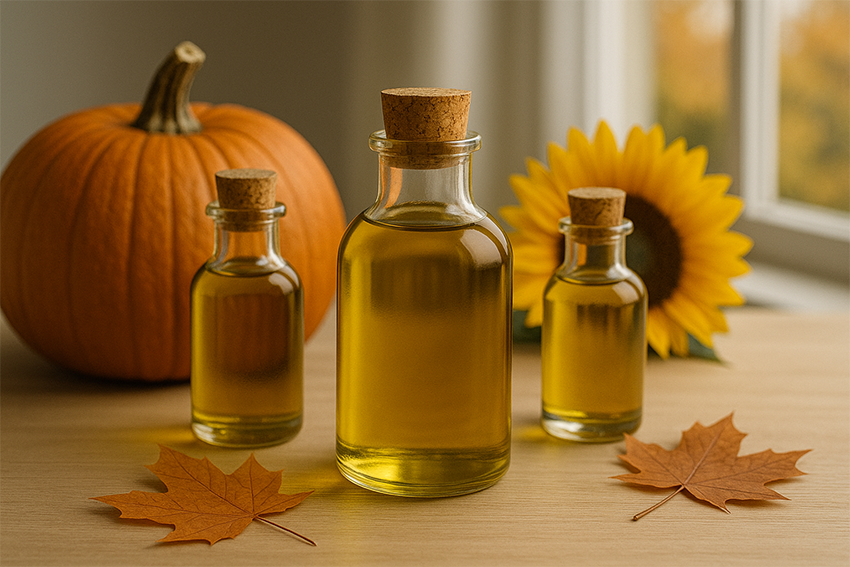
Autumn — the season of ripening seeds and nuts — is the natural time to begin home oil pressing. Fresh raw materials from current harvests, available from local producers, yield oils of the highest quality. Investing in a home oil press is an investment in long-term family health — ensuring daily access to a fresh, natural product that supports immunity throughout the entire autumn-winter season.
The process of making your own oil is also a moment of reflection — a reconnection with natural cycles and an appreciation of the simple transformation of seeds into a nourishing substance. In our busy world, especially during the colder months, such practices have value not only nutritionally but also therapeutically, supporting holistic health — both body and mind.