
Table of Contents
- Hemp in Culture and History – The Heritage of Our Ancestors
- Hemp on Slavic Lands and in Poland
- Oil Mills as Centers of Local Communities
- Hemp in Ancient Healing Traditions
- The Challenges of the 20th Century – Prohibitions and the Decline of Tradition
- The Modern Renaissance – A Return to the Roots
- The Composition of Hemp Oil – Nature in Its Purest Form
- Vitamins, Minerals, and Micronutrients
- Health Benefits – Why It’s Worth Adding Hemp Oil to Your Diet
- The Endocannabinoid System – The Key to Understanding Hemp Oil’s Effects
- Heart and Circulatory System – Natural Support for Healthy Vessels
- Brain and Nervous System – Fuel for Grey Matter
- Natural Relief for Pain and Inflammation
- Skin, Hair and Nails – Beauty from Within
- Immunity and Detoxification
- Gut Health and Digestion
- Hormonal Balance
- Stress Relief and Mental Well-Being
- Culinary Uses – Flavor and Health on One Plate
- Small-Scale Hemp Oil Production – From Seed to Bottle
- Frequently Asked Questions about Hemp Oil and Small Oil Presses
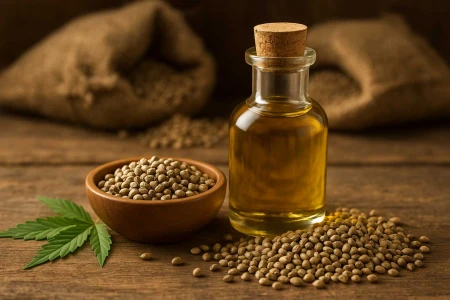
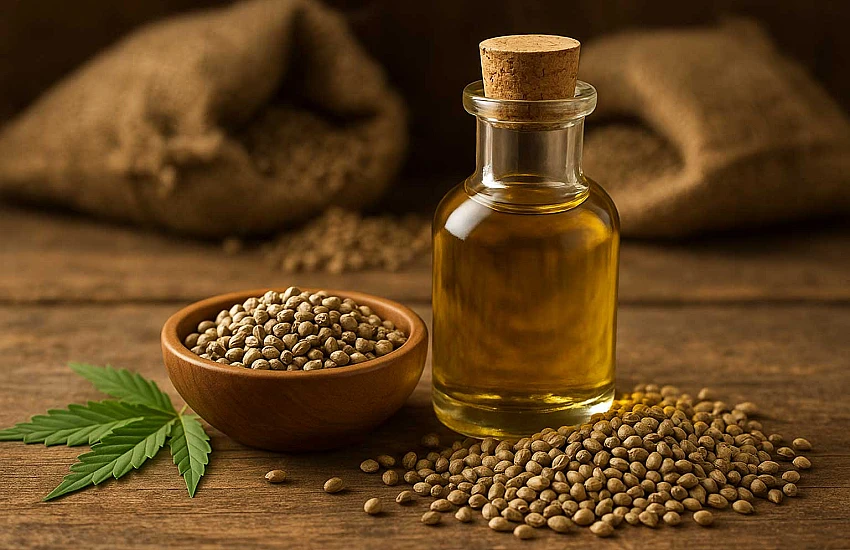
Cold-pressed hemp oil is one of the most valuable natural products, accompanying humanity for thousands of years on its path to health and well-being. In recent years, there has been a true renaissance of interest in this remarkable oil, which is hardly surprising given its exceptional composition and wide range of applications. This is not just another trendy superfood that will disappear from our awareness in a few months – it is a return to the roots, to the wisdom of generations who knew the properties of industrial hemp and how to make the most of them.
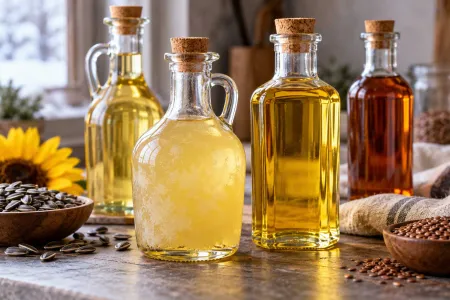
Cold pressing is a method that allows all the most valuable nutrients, enzymes, and vitamins to be preserved — elements that would otherwise be destroyed in the process of refining or hot pressing. When we talk about cold-pressed hemp oil, we mean a completely natural product, free from any chemical processing, retaining its full potency. It is precisely this method of production that makes hemp oil truly deserve the title of a “health elixir.”
What is particularly fascinating is that more and more small farms and local producers are beginning to produce hemp oil. These small oil mills, often family-run businesses, are a response to the growing consumer demand for local, ecological, and premium-quality products. This is not only a business opportunity but also a way to preserve traditional food production methods and build local communities centered around healthy living.
Hemp in Culture and History – The Heritage of Our Ancestors
Ancient Beginnings – From Taiwan to the Valleys of the Nile
The history of hemp cultivation stretches back to the dawn of human civilization. The oldest evidence of hemp use comes from Taiwan and dates to around 6500 BCE, where it was already being used to produce durable fibers. It is truly remarkable how early humans recognized the potential of this extraordinary plant.
Around 5000 BCE, in ancient China, hemp was considered one of the five essential crops, alongside rice, wheat, barley, and soybeans. This was no coincidence — hemp was used for clothing, paper, oil production, and as food. It played such a vital role in Chinese civilization that it became a foundation not only of the economy but also of medicine and culture.
The father of Chinese medicine, Emperor Shen Nung, as early as 2737 BCE, described the medicinal use of hemp for treating malaria, rheumatism, and gout. This is one of the oldest medical records documenting the therapeutic properties of the plant. From China, hemp spread further — around 2000 BCE it reached Korea, and a thousand years later India, where it was used to produce textiles, paper, food, and medicine, as well as a natural anesthetic.
Hemp was also highly valued in ancient Egypt. Around 1550 BCE, the famous Ebers Papyrus was written — an ancient Egyptian medical manuscript containing information about diseases, surgery, and medicinal plants. A substantial part of this document is devoted to hemp and its therapeutic uses, demonstrating its importance in early medicine.
Hemp on Slavic Lands and in Poland
In European tradition, hemp also played a key role. Research indicates that hemp arrived in Europe with Scythian Indo-European tribes around 1400 BCE. In Polish territories, it was already used in pre-Slavic times, where it played an important role in rituals and daily life. The stalks of hemp were used to make durable ropes and fabrics that served everyday needs.
Throughout Slavic regions, hemp was widely cultivated, and hemp oil was a staple of the peasant diet. Every village had its own small oil mill, often run by several generations of the same family. The mill master was a respected figure, as his skills determined the quality of the oil — a product used not only as food but also in everyday medicine. In traditional Polish cuisine, hemp oil was added to groats, potatoes, and soups, appreciated for its nutty flavor and nutritional value.
The first Polish literary mentions of hemp appeared in the 16th–17th centuries, thanks to the renowned botanist and physician Szymon Syreński, who emphasized both its industrial and psychoactive properties — proof of deep understanding of the plant. In the 18th century, Krzysztof Kluk, author of a botanical handbook, described hemp as a plant with medicinal, sedative, and pain-relieving properties, confirming traditional folk knowledge.
By the turn of the 19th and 20th centuries, hemp was widely cultivated in Poland and was one of the country’s main crops. It was a pillar of the rural economy in many regions, providing both industrial raw material and nourishment in the form of seeds and oil.
Oil Mills as Centers of Local Communities
In Russian and Ukrainian culture, there was the tradition of “konopliane czwarki” — communal gatherings where entire villages came together to crush hemp and press oil. These were not only work festivals but also moments of social cooperation and intergenerational knowledge transfer. Young apprentices learned from masters how to recognize ripe seeds, prepare them for pressing, and assess oil quality by its smell, color, and taste. This wisdom was passed down through generations, forming an essential part of intangible cultural heritage.
Small rural oil mills were much more than just production sites — they were social hubs where people met, exchanged news, and made agreements. The mill master was often also a local herbalist and folk healer, offering health advice. His workshop smelled of freshly pressed oil, and the rhythmic tapping of the press was as characteristic a sound of the village as the ringing of church bells.
Hemp in Ancient Healing Traditions
It is also worth mentioning the role of hemp in folk medicine across different cultures. In Ayurveda, the traditional Indian medical system, hemp seeds and oil were used to treat digestive disorders, strengthen the body, and support internal balance. Tibetan monks used hemp oil in meditation practices, believing it enhanced mental clarity and focus. In Celtic tradition, hemp was one of the nine sacred plants, and its oil was considered a gift from the gods, stored in special clay vessels and used during important ceremonies.
The Challenges of the 20th Century – Prohibitions and the Decline of Tradition
Unfortunately, in the 20th century, hemp fell victim to campaigns targeting its psychoactive relative — marijuana. The rise of conventional medicine and industrial technology caused hemp cultivation to lose its significance. During World War I, many farms and crops were destroyed. In the interwar period, the demand for hemp declined, making its cultivation largely unprofitable. In 1930, hemp was officially classified in Poland as harmful to health and was automatically placed among banned narcotic substances.
Ironically, during World War II, hemp became legal again, as it was recognized as a strategic raw material. However, after the war, it was once again demonized. International agreements under WHO and UN labeled hemp as a potential threat, with the United States leading the push for prohibition.
In the early years of the Polish People’s Republic, hemp cultivation and possession remained legal, and the plant was widely used for fiber production. However, in the second half of the 20th century, demand gradually declined. By 1985, cultivation without special permission was banned, with growing allowed only for industrial purposes. This led to the near disappearance of hemp cultivation in Poland.
Even in the 1950s and 1960s, local hemp oil mills still existed, especially in the eastern parts of the country, but they were gradually closed or transformed into large industrial plants producing refined oils.
The Modern Renaissance – A Return to the Roots
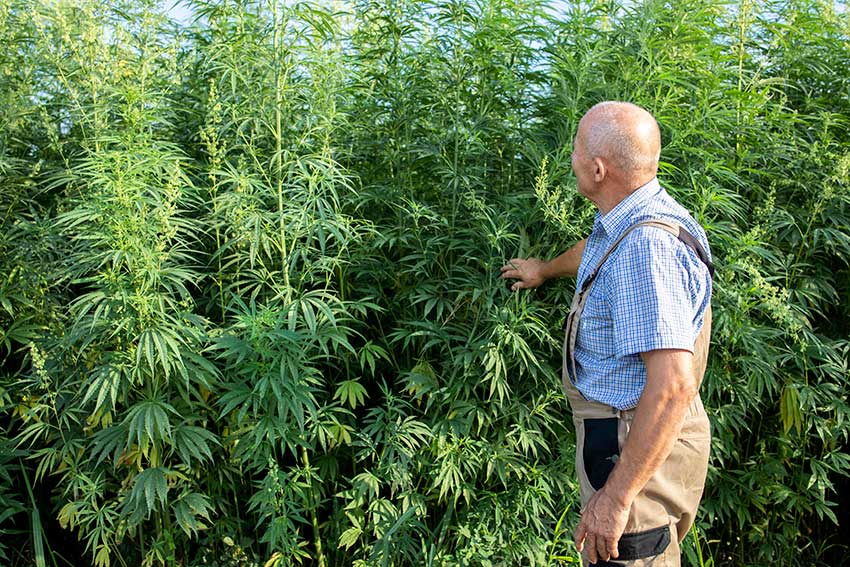
In 2002, according to the National Agricultural Census, only 71 farms in Poland were cultivating hemp, on a total area of about 83 hectares – a dramatic decline compared to the pre-war acreage. However, by 2004, this number had risen sharply to nearly 910 hectares, indicating a slow but steady return of interest in hemp cultivation.
In recent decades, we have witnessed a true renaissance of hemp (Cannabis sativa L.) and its products, including cold-pressed hemp oil. Today, we are part of a fascinating process of rediscovering our cultural heritage — the revival of small, local oil mills that combine traditional methods with modern knowledge of hygiene, quality, and food safety. This movement is also a response to growing consumer awareness — people increasingly choose local products, with short supply chains, where they know the producer and can trust the quality.
A key role in preserving knowledge about hemp in Poland has been played by the Institute of Natural Fibres and Medicinal Plants, which has conducted research on fibrous plants, including hemp, since 1930. The Institute has consistently emphasized the positive properties of the plant. Among its achievements is the development of several hemp varieties that are still used for industrial purposes in Poland today. Thanks to the work of this institution, we have not completely lost the knowledge of hemp cultivation and processing.
The Composition of Hemp Oil – Nature in Its Purest Form
The Perfect Balance of Fatty Acids
Cold-pressed hemp oil is a true treasure trove of nutrients. Its uniqueness lies primarily in its perfectly balanced fatty acid composition, virtually unmatched in the plant world. Hemp (Cannabis sativa L.) contains over 500 active compounds, and the oil derived from its seeds concentrates the most valuable of them in a form that is easily absorbed by the human body.
The health value of hemp oil is based on its fatty acid profile. It contains as much as 75–80% polyunsaturated fatty acids, of which the ratio of omega-6 linoleic acid (LA) to omega-3 alpha-linolenic acid (ALA) is particularly important. In hemp oil, this ratio is an ideal 3:1, which is precisely what the human body needs. The modern Western diet, by contrast, is characterized by an excessive dominance of omega-6 over omega-3 — often at ratios of 20:1 or even higher — contributing to numerous health problems. Hemp oil naturally helps correct this imbalance, supporting the body in maintaining optimal equilibrium.
Gamma-linolenic acid (GLA) is another hidden gem in hemp oil. This rare fatty acid occurs almost exclusively in hemp, borage, and evening primrose oil. GLA plays a key role in regulating inflammatory processes, supporting skin health, hormonal balance, and proper nervous system function. Its presence makes hemp oil especially valuable for people struggling with inflammatory diseases, skin conditions, or hormonal disorders.
Hemp oil is also a rich source of essential amino acids — those that the human body cannot produce on its own and must obtain from food. This is particularly important for people on plant-based diets, who may have difficulty getting a complete spectrum of amino acids from other sources.
Vitamins, Minerals, and Micronutrients
Fat-soluble vitamins find an ideal environment in hemp oil. Vitamin E, present in the form of tocopherols and tocotrienols, acts as a strong antioxidant, protecting cells from damage caused by free radicals. Its presence also gives fresh cold-pressed hemp oil natural resistance to oxidation — though only to a degree, which is why proper storage is essential. Vitamin A, found in smaller amounts, supports eye and skin health, while vitamin D, crucial in climates with limited sunlight for much of the year, is also present in this remarkable oil.
Hemp oil also provides a variety of minerals and trace elements.
Phosphorus supports bone and tooth health and proper nervous system function.
Magnesium, often called the “mineral of calm,” supports the heart, muscles, and nervous system.
Potassium regulates the body’s water balance and blood pressure.
Iron, though present in small amounts, enriches the diet — especially important for those following plant-based diets.
Zinc strengthens immunity and supports skin health.
Chlorophyll, which gives hemp oil its characteristic greenish hue, is a natural detoxifier. It supports the body’s cleansing processes, aiding the liver and kidneys, and has alkalizing effects, which is especially beneficial in a modern diet often dominated by processed, acid-forming foods. Small oil producers often note that the intense green color of the oil is a sign of quality — the fresher and better the pressing, the more vivid the color. It is a visual guarantee of a fresh, natural product.
Carotenoids, natural pigments found in hemp oil, act as antioxidants and support eye health. Phytochemicals present in cold-pressed hemp oil form a wide array of biologically active compounds whose full potential we are only beginning to understand. These compounds are particularly well-preserved in small-batch oils, where the production process is closely monitored, and the time between harvest and bottling is minimal.
Phytosterols support cardiovascular health by helping to regulate cholesterol levels. Phenolic compounds exhibit anti-inflammatory and antioxidant effects. Terpenes, responsible for the oil’s characteristic nutty aroma, have the potential to positively influence the body — though their role in hemp oil is still being actively studied.
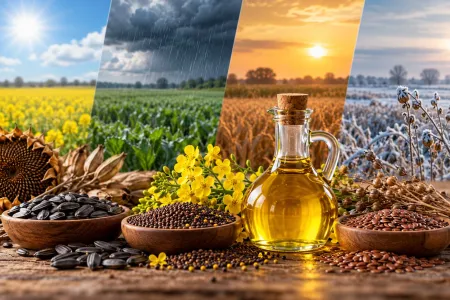
It is precisely these subtle flavor and aromatic nuances that make oil from small, local presses so distinct from industrial products — each batch has its own unique character, shaped by the variety of hemp, soil composition, and seasonal weather conditions.

Health Benefits – Why It’s Worth Adding Hemp Oil to Your Diet
Cold-pressed hemp oil is a true ally of human health. Its regular use can benefit virtually every system of the body — a fact supported both by centuries of traditional use and modern scientific research. Increasingly, doctors and nutritionists recommend hemp oil as part of a healthy, balanced diet, while small local oil presses are becoming trusted partners in building community health.
The Endocannabinoid System – The Key to Understanding Hemp Oil’s Effects
To understand how hemp oil works, we must first look at the endocannabinoid system (ECS) — a fascinating network within the human body that produces substances similar to plant-based cannabinoids. This system, discovered only in recent decades, consists of receptors located throughout the body — in the brain, organs, connective tissues, glands, and immune cells.
The ECS plays a central role in regulating many physiological processes, including pain perception, mood, appetite, sleep, immune response, and overall homeostasis. When we consume hemp oil, naturally occurring plant compounds (phytocannabinoids and fatty acids) can help support the ECS, promoting balance and optimal function across multiple body systems.
Heart and Circulatory System – Natural Support for Healthy Vessels
The cardiovascular system is perhaps where hemp oil shows its most significant benefits. The ideal ratio of omega-3 to omega-6 fatty acids supports vascular health, helping maintain elasticity and proper blood flow.
Research shows that regular consumption of hemp oil can help balance cholesterol levels — raising HDL (“good” cholesterol) while lowering LDL. Scientific studies also indicate that compounds in hemp oil may help reduce high blood pressure, making it beneficial for those with hypertension.
Gamma-linolenic acid (GLA), present in hemp oil, contributes to the regulation of blood pressure and supports proper vascular tone. Moreover, the oil’s anti-anxiety and stress-reducing properties can further aid in maintaining healthy blood pressure levels.
It’s important to note that hemp oil supports the cardiovascular system gently and naturally — not through abrupt intervention, but through gradual, cumulative effects achieved with consistent use.
Brain and Nervous System – Fuel for Grey Matter
The nervous system and cognitive function greatly benefit from hemp oil’s composition. Omega-3 fatty acids are essential building blocks of the brain — about 60% of our brain tissue consists of fats, and the quality of these fats directly affects neuron performance.
GLA helps in the production of prostaglandins, compounds that regulate nerve signaling and emotional balance. Additionally, certain compounds in hemp oil exhibit neuroprotective effects, helping protect brain cells from oxidative and inflammatory damage.
Many people who regularly consume hemp oil report improved concentration, memory, and stress resilience. This is no coincidence — the brain simply receives the nutrients it needs to function optimally.
Hemp oil may also be helpful for people with anxiety or sleep disturbances, offering calming, anti-anxiety support. Emerging studies suggest that sufficient intake of omega-3 fatty acids may play a role in preventing neurodegenerative diseases such as Alzheimer’s and Parkinson’s. While hemp oil is not a treatment for these conditions, regular consumption can be part of a preventive wellness strategy, especially for individuals with a family history of such diseases.
Natural Relief for Pain and Inflammation
Pain relief is one of the oldest known properties of hemp-based preparations, valued for thousands of years in traditional medicine. Cold-pressed hemp oil can support the body in managing chronic pain conditions, providing a natural, gentle alternative for symptom relief.
Its anti-inflammatory compounds — including omega-3, omega-6, and GLA — work to reduce inflammation at its source, rather than merely masking symptoms. This makes hemp oil particularly beneficial for those suffering from joint pain, arthritis, or inflammatory disorders.
Skin, Hair and Nails – Beauty from Within
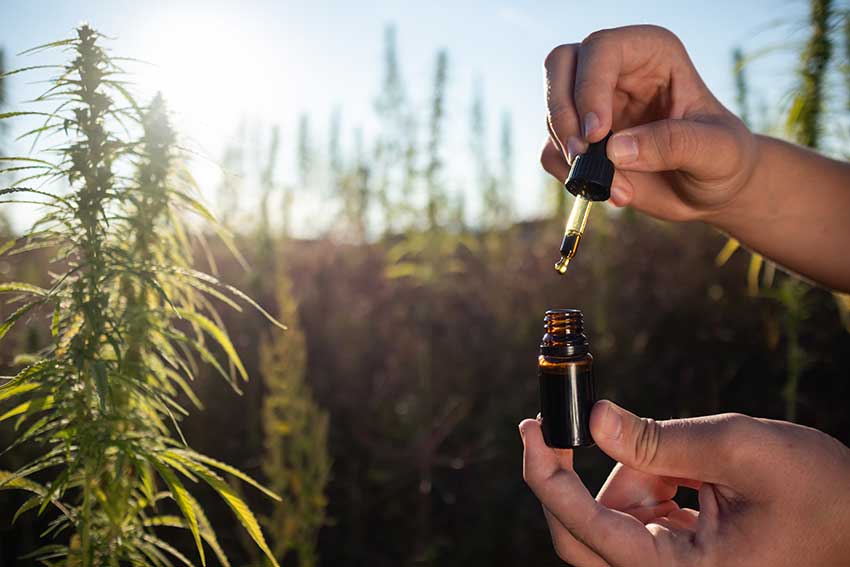
The condition of your skin, hair and nails is a visible reflection of your inner health, and cold-pressed hemp oil can contribute to a spectacular transformation. Gamma-linolenic acid (GLA) is particularly effective in supporting skin regeneration and may help with issues such as eczema, psoriasis, acne and dryness. Those suffering from chronic inflammatory skin conditions can benefit from using hemp oil both internally and externally.
Vitamin E protects skin cells from aging, while zinc supports wound healing and regulates sebum production. Interestingly, hemp oil can be applied directly to the skin — it absorbs quickly without leaving a greasy layer, and the results are often visible after just a few weeks of regular use.
Many small oil presses collaborate with local cosmetic companies, supplying them with high-quality hemp oil for creams, balms and serums. It’s an excellent example of regional cooperation and the growth of a natural product ecosystem.
Immunity and Detoxification
The immune system — our internal defense network — needs the right fats to function properly. Omega-3 fatty acids have immunomodulatory properties, helping balance the immune response: strengthening it when weak and calming it when overactive, as in autoimmune conditions. Zinc and vitamin E further support immunity, while chlorophyll aids detoxification processes, which are the foundation of strong immune health.
The antioxidants present in hemp oil protect immune cells from free-radical damage. In today’s world — with constant exposure to pathogens, stress, and environmental pollution — supporting the immune system has become a priority. Hemp oil, as a natural source of immunomodulating and antioxidant compounds, can be a valuable daily dietary ally for maintaining robust immunity.
Gut Health and Digestion
The digestive system is another major beneficiary of regular hemp oil consumption. Fats are essential for the absorption of fat-soluble vitamins (A, D, E, K), and hemp oil provides them in the most bioavailable form. It supports intestinal peristalsis, helping prevent constipation, while the anti-inflammatory effects of GLA can soothe intestinal irritation.
People suffering from chronic digestive inflammation — such as IBS or inflammatory bowel diseases — often experience improvement when including hemp oil in their diet. Traditional folk medicine recommended a spoonful of hemp oil on an empty stomach to aid digestion and gut health — a practice that modern science now confirms as beneficial.
Of course, hemp oil does not replace medical treatment, but it can complement it as part of a holistic approach to digestive wellness.
Hormonal Balance
Hormonal balance is another area where hemp oil can offer notable support — especially for women. GLA serves as a precursor to prostaglandins of the series 1, which help alleviate PMS symptoms, regulate the menstrual cycle, and support comfort during menopause.
Many women find that regular use of hemp oil reduces menstrual pain, improves mood during hormonal fluctuations, and helps them feel more in tune with their bodies. Preliminary research also suggests that hemp oil may ease menopausal symptoms, such as nervous tension and hot flashes, although further studies are needed.
Studies also show that GLA may support fertility in both women and men by improving the quality of reproductive cells — another reason why couples planning to conceive may benefit from adding hemp oil to their diet.
Stress Relief and Mental Well-Being
Chronic stress is one of the main disruptors of health today. Compounds in hemp oil exhibit anti-anxiety and calming properties, helping the body manage daily stress more effectively. Regular use may promote emotional stability, relaxation and better sleep quality, making it a valuable natural ally in maintaining psychological balance.
Culinary Uses – Flavor and Health on One Plate
Cold-pressed hemp oil is not only a nutritional supplement but also a culinary delight with a unique, nutty flavor that enhances many dishes. Because it’s rich in polyunsaturated fats, it should not be heated, but used cold in dressings, dips, smoothies, or ready-to-serve meals.
Direct Consumption and Smoothies
The simplest and healthiest way to use hemp oil is to take it pure, on an empty stomach, ideally in the morning. The recommended dose is 1–2 tablespoons per day. For overall wellness, this provides around 5 mg of natural cannabinoids found in full-spectrum hemp seed oil.
For those who find the flavor too intense, it can be blended into a morning smoothie — for example, banana, spinach, avocado, a few dates, and a spoon of hemp oil make a nourishing breakfast that provides long-lasting energy.
Salads and Cold Sauces
Salads are the natural home for hemp oil. A simple dressing made with hemp oil, apple cider vinegar, chives, whole-grain mustard, and a touch of honey pairs beautifully with almost any mix. Hemp oil complements arugula, walnuts, pear and goat cheese, or tomatoes, cucumber, red onion and dill, giving even simple salads a gourmet twist.
Many restaurants collaborating with local presses now include hemp oil in their menus — creating original dishes that blend tradition and modernity, while promoting local products and health education.
Cold Soups and Chilled Dishes
Hemp oil adds depth to cold soups such as Lithuanian cold beet soup (chłodnik) or Spanish gazpacho. Add a drizzle just before serving — never during cooking — to preserve its nutrients and aroma.
Grains, Pulses and Seeds
Grains like millet, quinoa and brown rice make an excellent base for hemp oil. Once slightly cooled, drizzle them with the oil and add your favorite herbs and vegetables. Try millet with hemp oil, roasted pumpkin, dried cranberries and toasted sunflower seeds, or brown rice with steamed vegetables and soy sauce for a simple, healthy meal.
Spreads, Dips and Pesto
Hummus gains a nutty depth when enriched with a spoon of hemp oil. Guacamole becomes even creamier, and pesto made with hemp oil instead of olive oil (with basil, garlic, nuts and parmesan) results in a uniquely aromatic variation of the Italian classic.
Potatoes and Root Vegetables
Boiled potatoes with dill and hemp oil are a simple yet nourishing traditional dish. Mashed potatoes enriched with hemp oil instead of butter are lighter and more nutritious. Young potatoes with hemp oil, chives and dill bring back the flavors of simpler, healthier times.
Dairy and Fermented Products
Cottage cheese and fermented dairy pair wonderfully with hemp oil. Mix it into cottage cheese with chives and radish for a hearty breakfast, or natural yogurt with fruit and honey for a healthy dessert. Kefir blended with hemp oil and herbs can even serve as a refreshing summer soup base.
Small-Scale Hemp Oil Production – From Seed to Bottle
Running a small hemp oil press is an endeavor that combines craftsmanship, scientific knowledge, and local entrepreneurship. It is also deeply rooted in community values and regional agriculture. In recent years, there has been a clear renaissance of small, local oil presses, driven by the growing demand for natural, eco-friendly, traceable products with short supply chains.
Choosing and Operating a Cold-Press Machine
The oil press is the heart of any small-scale operation — the key investment that determines the quality, efficiency, and longevity of the production process. Today’s market offers a range of presses varying in capacity, price, and automation level.
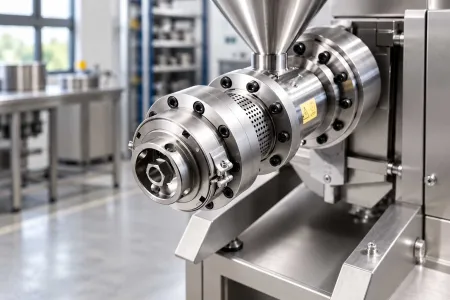
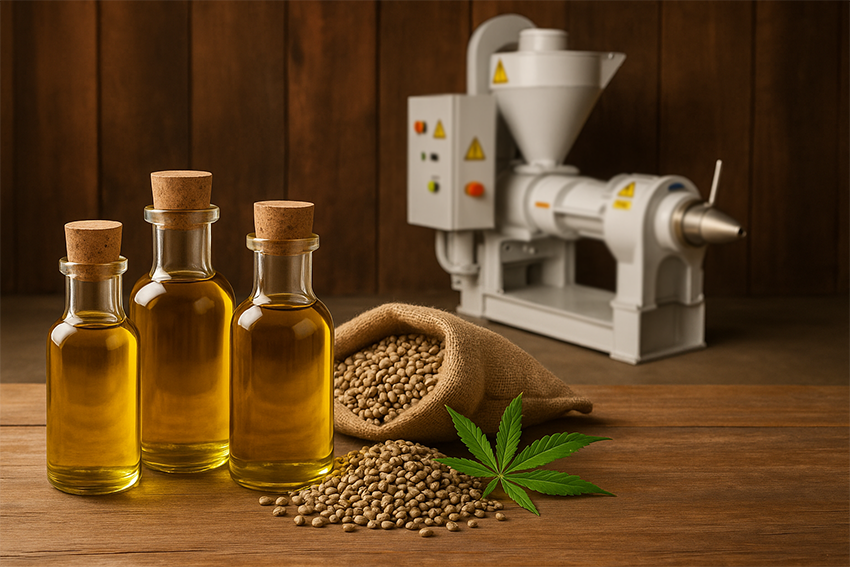
For small producers processing a few hundred kilograms of hemp seeds per month, an excellent choice is a screw-type cold press, such as the 3T/24h model available at pureoilpress.com. This machine combines professional-grade build quality with versatile performance, making it ideal for small and medium-sized producers.
The screw press works by gradually increasing pressure as seeds move through a narrowing channel, mechanically squeezing out the oil without the need for chemical solvents or excessive heat. This ancient method, refined through modern engineering, ensures a pure, cold-pressed oil that retains all of its natural nutrients.
With a capacity of 3 tons per 24 hours, such presses allow for flexible, small-batch production based on immediate needs — preserving freshness and preventing overuse of the machinery, which in turn extends its lifespan and lowers maintenance costs.
The Cold-Pressing Process
The key advantage of cold pressing lies in temperature control. During the process, the oil temperature does not exceed 40°C (104°F), which preserves essential fatty acids, vitamins, chlorophyll, and bioactive compounds. This is what defines “cold pressing” — in contrast to industrial hot-pressing methods that reach over 100°C, destroying a significant portion of nutritional value and altering the oil’s natural flavor and aroma.
Cooperation with Local Farmers
Collaboration with local farmers cultivating hemp is the key to the success of a small oil press. It is worth building long-term relationships based on mutual trust and fair exchange principles. Farmers need a stable buyer for their seeds, while the oil press needs the highest-quality raw material. Often, a press cooperates with several farms, allowing for supply diversification and protection against crop failures in one location. Some presses offer farmers the option of pressing their own seeds on request — the farmer provides their seeds and receives the finished oil, paying only for the pressing service.
Quality Control of Seeds and Preparation for Pressing
Receiving seeds requires thorough quality control. Each delivery should be checked for moisture content, purity, and absence of mold or other contaminants. Seeds should be stored in a dry, cool place, in paper bags or containers that ensure air circulation. A well-managed oil press keeps detailed documentation of the origin of each batch of seeds, which is important for both quality assurance and potential sanitary inspections.
Preparing seeds for pressing is an often underestimated stage, yet it has a huge impact on the final product's quality. Seeds must be carefully cleaned of impurities, husk fragments, and foreign seeds. If seeds are too moist, they should be gently dried, avoiding excessive drying that could reduce pressing efficiency. The ideal moisture content for hemp seeds is about 6-8%. Some presses invest in specialized seed cleaning and sorting machines to automate this process.
The Pressing Process and Production Documentation
The pressing process should be carried out in a controlled and documented manner. Each batch of oil should have its own production card recording the date of pressing, seed origin, amount of raw material used, pressing yield, and any process anomalies. This is not only a formal requirement but also a valuable source of knowledge that enables continuous process improvement.
The first pressing is always the most efficient and produces oil with the most intense flavor and color. The press cake remaining after the first pressing still contains some oil and can be pressed again, though oil from the second pressing will be lighter and milder. Hemp press cake is a valuable by-product — some presses sell it as animal feed additive, while others cooperate with local gardeners who use it as organic fertilizer. Some natural cosmetics manufacturers also utilize hemp press cake in their products.
Storage and Quality Control in the Press
A professional oil press must pay great attention to the storage of both raw materials and finished products. Hemp oil is a delicate product that requires special care to preserve all its valuable properties.
Hemp seeds should be stored in a dry, cool room, in paper bags or wooden crates that allow air circulation. Warehouse humidity should not exceed 60%, and the optimal temperature is 10-15°C. Seeds should be regularly checked for moisture and signs of mold. A well-managed press applies the FIFO (First In, First Out) principle — the oldest seeds are pressed first, ensuring product freshness.
Finished oil requires even more restrictive storage conditions. The oil warehouse should be cool (ideally 8-12°C), dark, and well-ventilated. Bottles should be stored upright, away from heat sources and sunlight. Many presses invest in refrigeration facilities to extend the oil's shelf life and maintain its quality.
Quality control is an integral part of professional production. Each oil batch should be evaluated organoleptically — color, aroma, and taste. An experienced press master can assess oil quality at a glance and by smell. Regular laboratory testing of physicochemical parameters (acid value, peroxide value, fatty acid composition) allows for an objective assessment of quality and monitoring of product stability over time.
Many small presses collaborate with accredited laboratories that conduct oil quality testing. This is not only a requirement for certain sales channels but, above all, a guarantee for customers that the product meets the highest standards. Certificates from these tests can be shared with customers, building trust in the brand.
The HACCP (Hazard Analysis and Critical Control Points) system, even in simplified form for small operations, helps identify critical control points in production and ensures food safety. Production documentation, quality controls, cleaning and disinfection procedures, and employee training all form part of the professional management of a small oil press.
The Future of Small Oil Presses – Trends and Prospects
The future of small, local hemp oil presses looks promising. Growing public health awareness, increasing interest in organic and local products, and the desire to shorten supply chains — all these trends favor the development of small producers.
New technologies can support small presses in various areas. Modern presses are becoming more efficient and easier to operate. Production monitoring systems allow precise control of temperature, efficiency, and oil quality. Online sales and social media open new distribution and communication channels with customers.
The growing awareness of agriculture's role in climate change means that hemp cultivation, which is relatively low-input and beneficial for the soil, may become even more popular. Hemp requires little fertilizer or pesticides, grows quickly, and regenerates the soil. It is a plant of the future in the context of sustainable agriculture.
The rise of culinary tourism and agritourism presents another opportunity for small presses. Increasingly, tourists seek authentic local food experiences. An oil press can become a tourist attraction, offering tours, tastings, and workshops. This creates additional income and promotes the region.
Safety of Hemp Oil Use
Cold-pressed hemp oil from hemp seeds is a completely safe and legal product. It is well tolerated by most people and has no psychoactive effects. However, a few important points should be kept in mind.
Legality and Lack of Psychoactive Effects
Hemp oil has no psychoactive properties and does not cause intoxication, unlike products containing high concentrations of THC. Hemp seeds used for oil pressing contain virtually no THC — according to Polish law, the THC content in industrial hemp cannot exceed 0.2%. Products such as hemp seed oil are non-addictive and entirely safe. Hemp oil is legal in Poland and can be easily purchased in stores or online.
Possible Side Effects
Hemp oil is generally safe, but some individuals may experience mild side effects, especially at the beginning of use or when taking larger doses. These may include gastrointestinal issues such as loose stools, mild stomach pain, or nausea. Increased drowsiness, fatigue, or irritability are rare but possible. Usually, these effects are temporary and subside after a few days.
Drug Interactions, Contraindications, and Cautionary Groups
Products containing hemp oil may affect the effectiveness of other medications. Therefore, before incorporating hemp oil into the diet, it is advisable to consult a doctor, especially if you are taking medication regularly. This is particularly relevant for those using anticoagulants (as hemp oil may enhance their effects), immunosuppressants, or drugs containing levothyroxine, warfarin, amiodarone, omeprazole, or phenytoin — these are just some substances whose blood concentration may change due to compounds present in hemp oil.
Hemp oil should not be used by people suffering from spleen failure or serious stomach disorders. During pregnancy and breastfeeding, introducing hemp oil into the diet should always be consulted with a doctor.
How to Choose High-Quality Oil
When purchasing hemp oil, it is important to pay attention to the reputation and credibility of the producer. In Poland, products containing hemp oil are classified as dietary supplements, meaning their composition and quality are not always strictly verified. Look for information confirming that the product was manufactured in compliance with Good Manufacturing Practice (GMP) standards. The best choice is to buy oils from small, local presses where you can meet the producer and learn about the production process. Never buy oil from unverified sources or unreliable sellers.
Summary – Hemp Oil as a Bridge Between Tradition and the Future
Cold-pressed hemp oil is an extraordinary product that combines millennia-old tradition with modern knowledge of health and nutrition. Small, local presses play a key role in preserving this tradition and adapting it to contemporary consumer expectations.
The decision to launch a small oil press is not only a business investment but also a commitment to the local community, the natural environment, and cultural heritage. It represents responsibility for product quality, honesty in relations with farmers and customers, and care for people's health.
For consumers, choosing oil from a small, local press means standing up for values they believe in — quality, locality, authenticity, and health. It also means building relationships with the producer, learning the product's story, and participating consciously in the local economy.
The future belongs to small, flexible, community-engaged enterprises that offer not just a product but also values, stories, and relationships. Small hemp oil presses are a perfect example of such a business model — rooted in tradition, open to the future, serving the health of people and the planet.
Frequently Asked Questions about Hemp Oil and Small Oil Presses
What is the economic viability of a small hemp oil press?
The profitability of a small oil press depends on many factors: production scale, investment costs, raw material and final product prices, and distribution channels. The initial investment in a press, room adaptation, and necessary equipment usually ranges from 20,000 to 50,000 PLN. From one kilogram of seeds (costing 15–40 PLN), you can obtain about 300–350 ml of oil, which sells for 40–80 PLN per 250 ml. With several hundred kilograms of seeds processed monthly and a strong distribution network, a press can achieve profitability within 1–2 years. The key is finding a market niche – it may be organic certification, exceptional quality, a local brand, additional services such as custom pressing, or derivative products. Many presses combine oil production with other activities (agritourism, local product sales), which increases the overall profitability of the business.
Where do small presses source hemp seeds, and how do they collaborate with farmers?
Cooperation with local farmers is the foundation of a small oil press. Many presses build long-term partnerships with several farms within a 50–100 km radius, ensuring fresh raw material and minimizing the carbon footprint of transportation. Farmers receive a fair price for their seeds (15–40 PLN/kg, depending on quality and certification), while the press gains the assurance of regular, trusted supply. Some presses offer farmers pre-season advances, helping them finance cultivation. Custom pressing is also popular – the farmer delivers their seeds, pays for pressing, and receives ready-to-sell oil, which can be marketed independently or through the press. Cooperative models, in which farmers become co-owners of the press, are also gaining traction. This system fosters strong relationships and shared responsibility for quality throughout the production chain, from field to bottle.
How long does the hemp oil pressing process take?
The pressing process itself is relatively quick – modern screw presses can process several dozen kilograms of seeds per hour. However, the full process from seed delivery to bottled oil involves several stages and usually takes 2–3 days. On the first day, seeds are received, inspected, weighed, and prepared for pressing (cleaning, possible drying). On the second day, pressing and initial filtration take place. Freshly pressed oil must rest for several hours to allow natural settling. On the third day, final filtration, bottling, and labeling are completed. Some presses let the oil rest longer, up to a week, believing it improves quality. In practice, a well-organized small press can operate on a weekly cycle – one day for seed intake and pressing, another for bottling the previous batch. This ensures product freshness and efficient workflow.
What are the biggest challenges in running a small hemp oil press?
The main challenges include maintaining consistent product quality, dealing with seasonal raw material supply, competing with cheap industrial oils, and educating consumers. Seed quality can vary between seasons and suppliers, requiring vigilance and flexibility in production. Hemp is harvested once a year, in autumn, meaning presses must store large quantities of seeds and manage their freshness throughout the year. Competing with cheap, refined oils requires clear communication of value – why cold-pressed oil from a small local press is worth a higher price. Many consumers still confuse hemp with marijuana, which demands patient education. Finding the right distribution channels, building a brand with a limited marketing budget, and meeting legal requirements with limited resources all require determination, knowledge, and passion. However, the growing market for natural and local products makes these challenges increasingly manageable.
Is oil from a small press really better than that from large-scale industrial production?
Yes, for several reasons. Freshness: a small press usually produces oil in small batches, meaning the product reaching the customer may be only a few days old. Industrial facilities make huge batches that can sit in warehouses for months. Temperature control: small screw presses maintain temperatures below 40°C, while industrial production often uses higher temperatures to increase yield. Refinement: many industrial oils are refined to extend shelf life and remove odors, but this destroys a significant portion of vitamins and bioactive compounds. Small-press oil is typically unrefined, preserving its full nutritional profile. Transparency: buying from a small, local press often allows customers to meet the farmer, see production, and ask questions. This level of trust and traceability is impossible with industrial products. Finally, supporting the local economy and sustainable agriculture is a value that extends beyond the product itself.
How can you recognize a professional, well-run small hemp oil press?
A professional press stands out through several features. Transparency: it willingly shares information about seed sources, production processes, certificates, and oil quality tests. Proper documentation: each bottle should display the production date, expiration date, ingredients, nutritional values, and producer information. High hygiene standards: clean facilities, well-maintained equipment, and trained staff. Community engagement: organizing open days, collaborating with schools, and participating in local initiatives. Focus on quality: using good bottles, labels, and attention to every detail. A professional press also maintains a website or social media presence, regularly communicating with customers and sharing behind-the-scenes insights. Positive customer reviews and partnerships with local health food stores and restaurants are also signs of credibility. Finally, the taste and aroma of the oil should be rich and pleasant, with no off-notes. If a press meets these standards, you can be sure you are dealing with a true artisan whose products can be trusted.