
Table of Contents
- Oilseed Pressing Products: Rapeseed, Sunflower, Flax – Values, Uses, and Benefits
- Sunflower Cake
- Flax – Flax Meal and Flax Cake
- Key Benefits of Oilseed Pressing Products
- When and in What Situations Farmers Can Feed Animals Oil
- Own Oil Press on the Farm – Practical Benefits and Applications
- Recommended Screw Oil Presses for the Farm
- Recommended Screw Oil Presses for the Farm
- Screw Oil Press 3T/24h
- Screw Oil Press 3.5–5T/24h
- Screw Oil Press 6T/24h
- Frequently Asked Questions (FAQ)
- Summary
Modern agriculture increasingly adopts technologies that maximize the potential of oilseed crops. Pressing oil from rapeseed, sunflower, or flax is not only a way to produce healthy vegetable oil but also an opportunity to obtain valuable by-products—cake and meal. These materials play a crucial role in animal nutrition, feed production, and even the food industry. Modern screw presses are key to this process, enabling efficient and environmentally friendly production.
Oilseed Pressing Products: Rapeseed, Sunflower, Flax – Values, Uses, and Benefits
Products obtained from pressing oilseeds such as rapeseed, sunflower, and flax are not only highly nutritious vegetable oils but also a range of valuable by-products—cakes and meals.
Rapeseed Cake
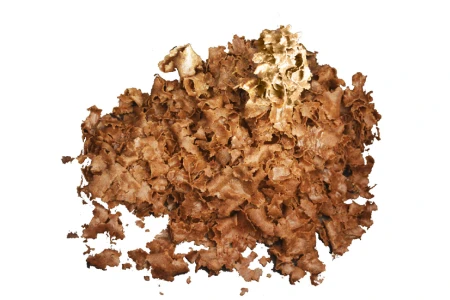
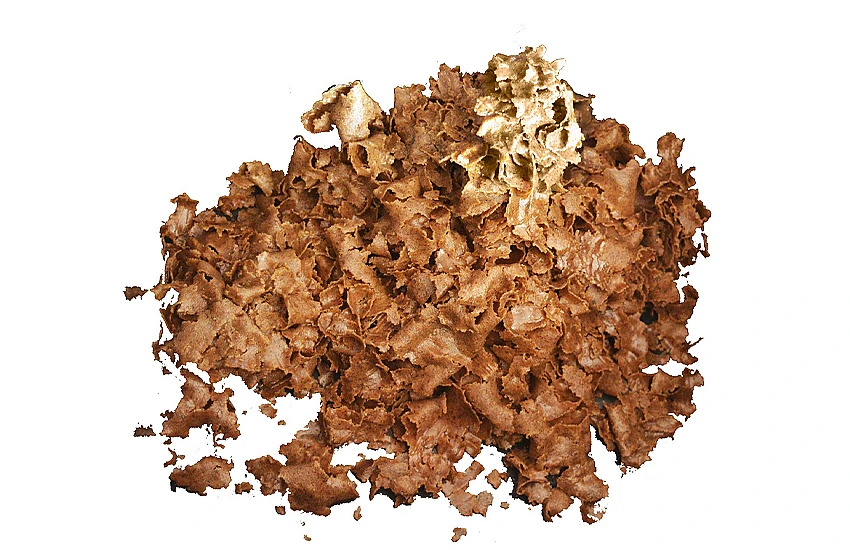
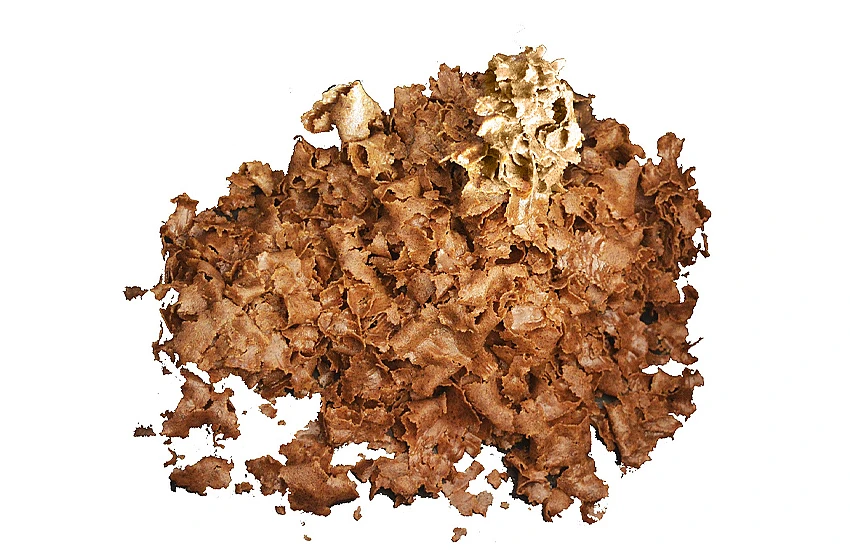
When rapeseed is naturally pressed, two main products are obtained: rapeseed oil and the by-product, rapeseed cake. The cake is produced after oil extraction and contains residual fat (depending on the press model and pressing technology – up to 10%), as well as significant amounts of protein and fiber, making it a valuable feed component for cattle, pigs, and poultry.
Properties and Uses of Rapeseed Cake
- High protein content (up to 35%), essential in livestock nutrition
- Source of energy and dietary fiber
- Contains valuable minerals and vitamins
- Used as a component in feed mixes for dairy cattle, fattening livestock, pigs, and poultry
- Can also be used in fish and other livestock diets
- Rapeseed cake is widely used on farms due to its availability and favorable price-to-nutrition ratio.
Sunflower Cake
Pressing sunflower seeds yields sunflower oil and sunflower cake. These by-products are rich in protein, fat, and minerals, making them an excellent base for livestock feed.
Characteristics and Benefits of Sunflower Cake
- Contains about 30–35% protein and significant fat
- Good source of fiber and B vitamins
- Supports digestive health in animals
- Can be fed to cattle, pigs, poultry, and rabbits
- Improves feed palatability and increases energy content
- Sunflower cake is especially valued in ruminant nutrition but is also used in feed mixes for other animal species.
Flax – Flax Meal and Flax Cake
Pressing flax seeds produces flax oil and defatted flax cake, which can be milled into flax meal. These products retain many of flax’s beneficial properties, including high protein, fiber, lignans, and residual oil content.
Advantages and Uses of Flax Products
- Flax meal is rich in protein, fiber, lignans, vitamins, and minerals
- Contains residual flax oil, rich in omega-3 fatty acids, supporting animal and human health
- Aids digestion, regulates intestinal motility, and protects the digestive tract
- Can be used as an additive in feed for cattle, horses, pigs, poultry, and pets
- In the kitchen, it is used in baking, muesli, smoothies, and vegan dishes
- Flax meal and cake are considered superfood products, suitable both for animal nutrition and human consumption.
Key Benefits of Oilseed Pressing Products
- Rapeseed cake: high-protein feed component widely used in livestock nutrition
- Sunflower cake: rich in protein and fat, improves feed palatability and energy value
- Flax meal and cake: source of protein, fiber, lignans, and omega-3 fatty acids, supporting digestive and overall health for animals and humans
All these products are natural, produced without chemical solvents, and can be fully utilized on the farm—for animal feed, in the kitchen, and in the food industry. They enable sustainable production and minimize raw material waste, aligning with modern agricultural and ecological trends.
When and in What Situations Farmers Can Feed Animals Oil
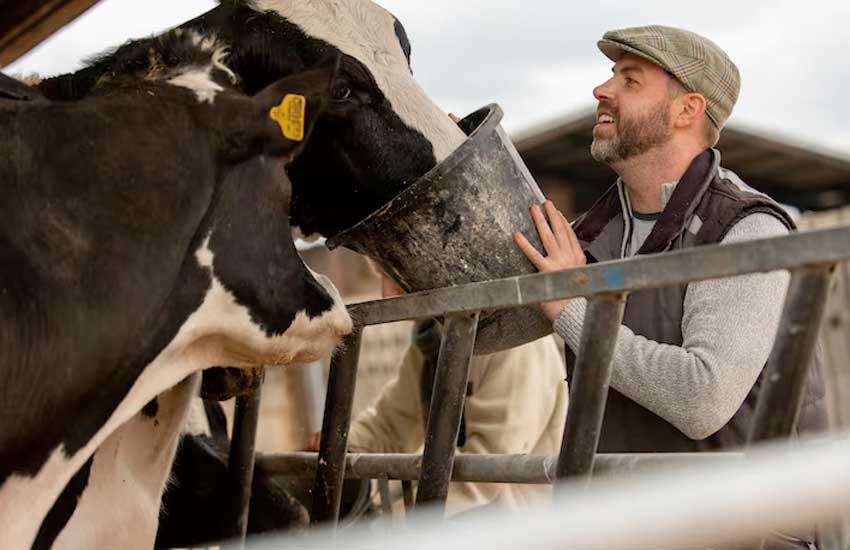
Introducing oils into the diet of livestock is becoming increasingly popular in modern farms. Vegetable oils, such as rapeseed, sunflower, or flax oil, can significantly enhance the nutritional value of feed, support animal health, and increase production profitability. Their use is particularly recommended in several key situations:
- Periods of Increased Energy Demand
Oils are a rich source of energy and are useful during periods of intensive growth, lactation, fattening, or meat and milk production.
- Supporting Health and Condition
Vegetable oils provide unsaturated fatty acids (omega-3 and omega-6) that positively affect immunity, skin, coat, and feather condition, and support the proper functioning of the nervous and cardiovascular systems.
- Improving Palatability and Feed Digestibility
Adding oil to feed enhances taste and improves feed intake, which is especially important for picky eaters or during periods of reduced appetite.
- Supporting Vitamin Absorption
Oils aid in the absorption of fat-soluble vitamins (A, D, E, K), allowing animals to better utilize nutrients from feed.
- Periods of Recovery and Health Support
Oils can be used as support during recovery periods, for skin problems, allergies, inflammation, or weakened immunity.
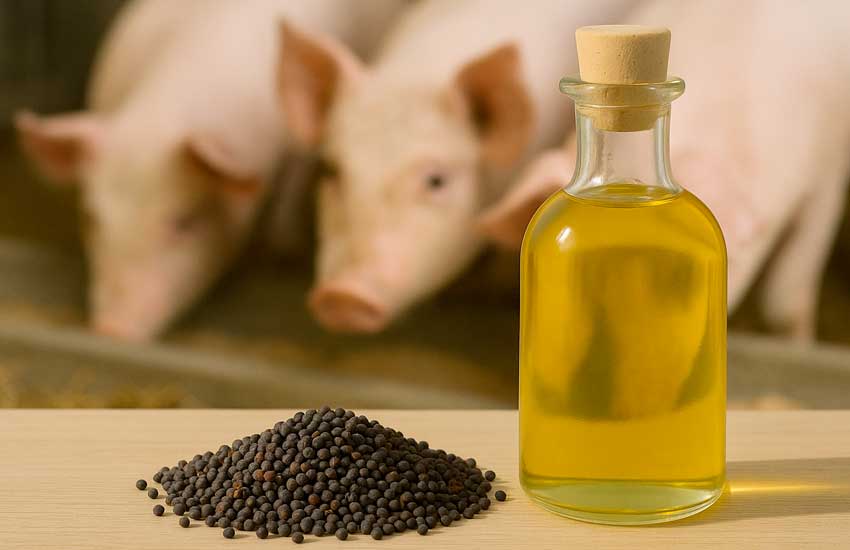
The most commonly used oils are rapeseed, flaxseed, sunflower, soybean, and fish oil. Flaxseed oil is valued for its high omega-3 content, which positively affects animal health and the quality of animal products. Rapeseed oil is safe and versatile – it can be given to cattle, pigs, poultry, as well as dogs and cats, usually mixed with the main meals.
It is important to introduce oils into the diet gradually, starting with small amounts and observing the animals’ reactions. Only fresh, unrefined oils from a reliable source should be used, preferably cold-pressed. Dosage should be adjusted according to the species, age, body weight, and health condition of the animal – in case of doubt, it is advisable to consult an animal nutritionist or veterinarian.
Plant oils (rapeseed, sunflower, flaxseed) are a valuable feed supplement, especially during periods of increased energy demand, intensive growth, lactation, recovery, and to improve skin, coat, and overall product quality. Using oil in animal diets is a solution that combines modern feeding practices with care for herd health and production efficiency.
Own Oil Press on the Farm – Practical Benefits and Applications
Recommended Screw Oil Presses for the Farm
More and more farmers are deciding to purchase their own oil press, seeing not only savings but also a real way to increase farm profitability. Pressing oil on-site allows full utilization of harvested oilseeds such as rapeseed, flax, sunflower, or hemp. This way, the farm can produce not only edible or technical oil but also a valuable feed raw material – press cakes rich in protein and fiber.
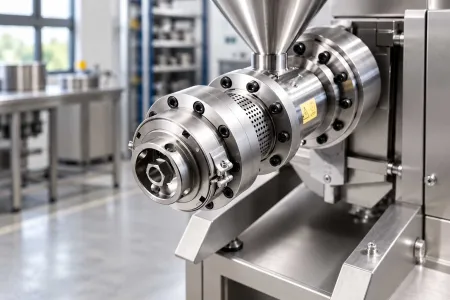
Modern oil presses available on the market are easy to operate, energy-efficient, and adapted for use in farm conditions. Their efficiency depends on the type of raw material and settings; for example, a Screw Oil Press 3.5~5t/24h can extract 300–350 liters of oil from 1 ton of rapeseed.
Producing oil on your own primarily means greater independence from fluctuating market prices and the possibility of selling surpluses – both oil and press cakes. Moreover, farmers can precisely control the quality of their products by adjusting pressing parameters to the specific needs of the farm. This makes investing in an oil press profitable for both small and large agricultural producers.
Recommended Screw Oil Presses for the Farm
Efficient and reliable screw presses are a key element of a modern farm that wants to maximize the potential of its own oilseed crops. Thanks to them, it is possible not only to obtain high-quality oil but also to produce nutrient-rich press cakes. Below, we present three models of screw presses that we particularly recommend for farms of varying production scales.
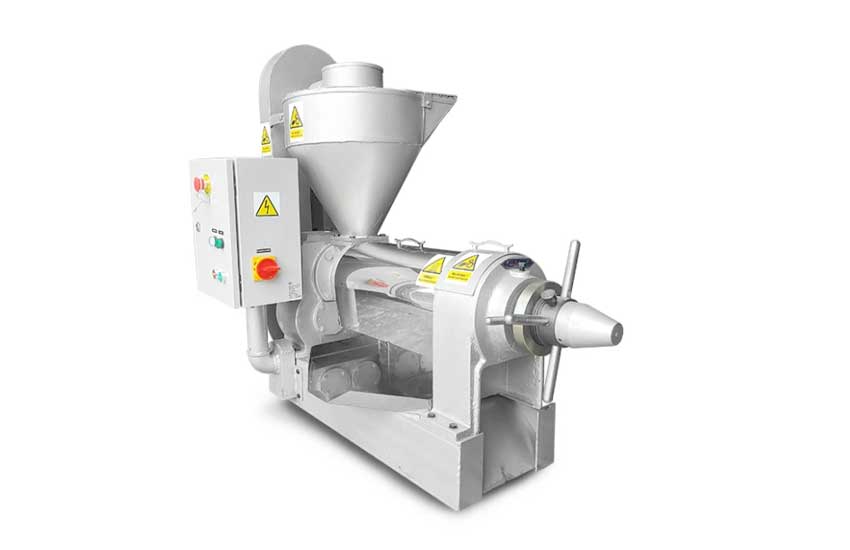
Screw Oil Press 3T/24h
This is a compact and efficient press designed for medium-sized farms and local oil mills. It allows pressing up to 3 tons of seeds per day, enabling continuous production of oil and feed from your own raw materials. Equipped with a 5.5 kW motor, it produces cake with a low oil content (up to 8%). The drip tray and chamber cover are made of stainless steel, ensuring durability and resistance to intensive use. Thanks to the natural 3-stage pressing method, the obtained oil retains its full nutritional value. The set also includes training support as well as warranty and post-warranty service, which is important for farmers who value safety and reliability.
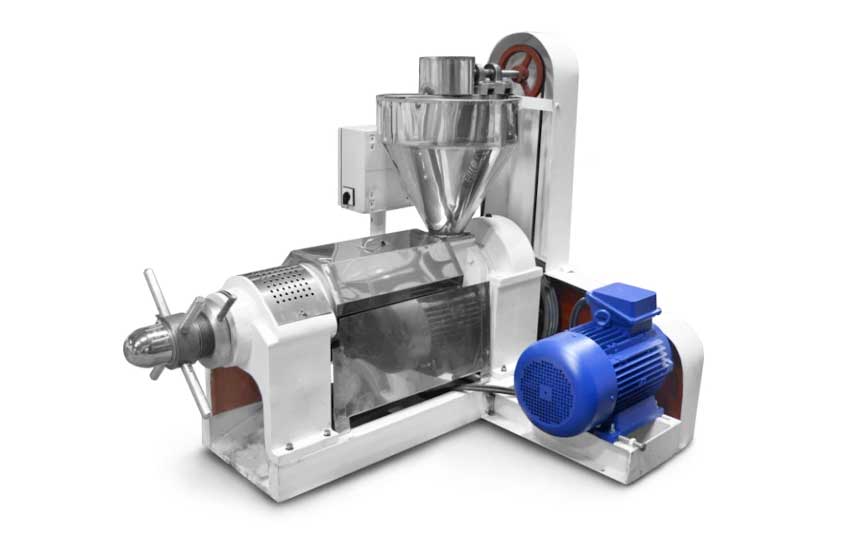
Screw Oil Press 3.5–5T/24h
This model is dedicated to larger farms and professional oil mills. It allows pressing from 3.5 to 5 tons of seeds per day, making it an optimal choice for entrepreneurs planning to expand production. The press features a sturdy steel construction and ease of operation, ensuring comfortable work even under heavy loads. It enables efficient pressing of a wide range of oilseeds, including rapeseed, flax, sunflower, as well as other raw materials such as sesame. This solution provides farms with flexibility and the ability to adjust production to current market needs.
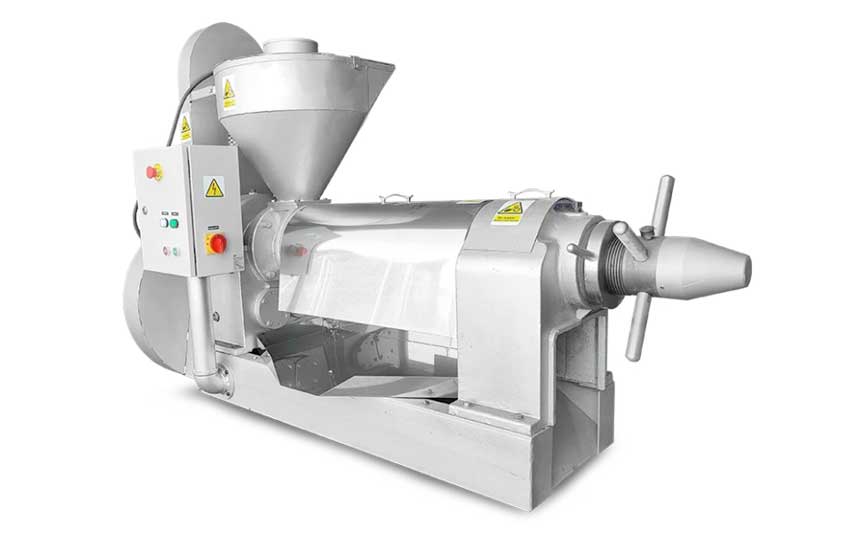
Screw Oil Press 6T/24h
This machine is designed for industrial oil production, ideal for large farms, agricultural cooperatives, and processing plants. It allows pressing up to 6 tons of seeds per day, ensuring high efficiency and reliable continuous operation. The drip tray and chamber cover are made of stainless steel, providing durability and resistance to mechanical damage. Thanks to modern technical solutions and high performance, this model enables a quick return on investment and full utilization of the potential of your own crops.
Frequently Asked Questions (FAQ)
Which seeds can be pressed in the recommended screw presses?
Screw presses can be used to press rapeseed, sunflower, flax, as well as sesame and other oil-bearing plants.
Are rapeseed, sunflower, and flax cakes and meal safe for all animals?
Yes, provided they are used according to feeding recommendations and with a properly balanced diet. They are most commonly given to cattle, pigs, poultry, horses, and rabbits.
How long can pressed cakes be stored?
Cakes are best stored in a dry, well-ventilated place. They can be dried or ensiled, which prolongs shelf life and preserves nutritional value.
What are the operating costs of screw presses?
Modern presses feature low energy consumption and high efficiency, which translates to a quick return on investment.
Does operating a screw press require specialized skills?
No, the devices are intuitive to operate, and manufacturers provide training and technical support.
In which situations is it beneficial to give animals vegetable oil?
Vegetable oil should be introduced into the diet during periods of increased energy demand (fattening, lactation, growth), to improve skin, coat, and immunity, as well as during recovery or periods of low appetite.
Summary
A modern farm can fully utilize the potential of its oilseed crops by investing in professional screw presses. They allow the production of healthy, fresh oil, as well as valuable cakes, meal, and by-products, which serve as important components for feed, food, and further processing. Proper introduction of oils into animal diets improves health, productivity, and product quality. By choosing recommended screw presses and applying proven feeding practices, you gain a competitive edge, cost savings, and direct control over the quality of production in your farm.
Want to learn more about modern screw presses or order a machine tailored to your needs? Visit pureoilpress.com for expert advice and technical support!