
Table of Contents
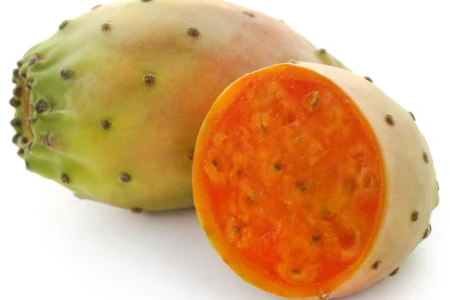
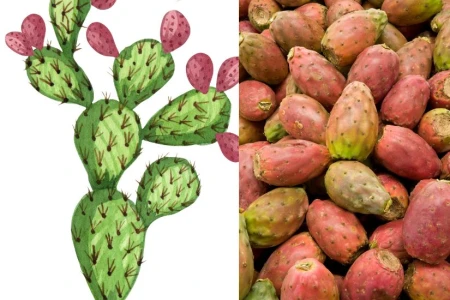
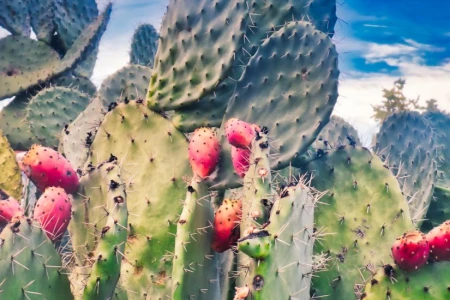
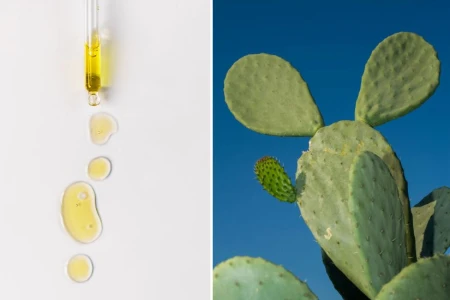
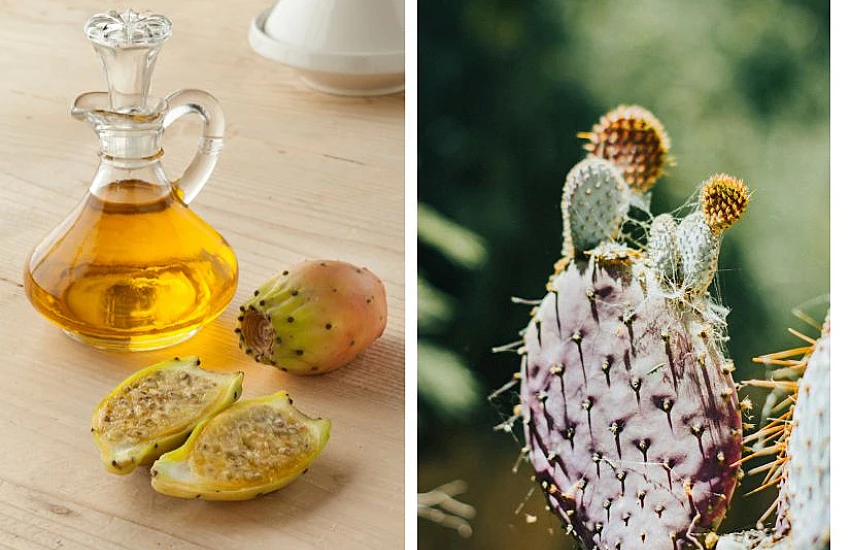
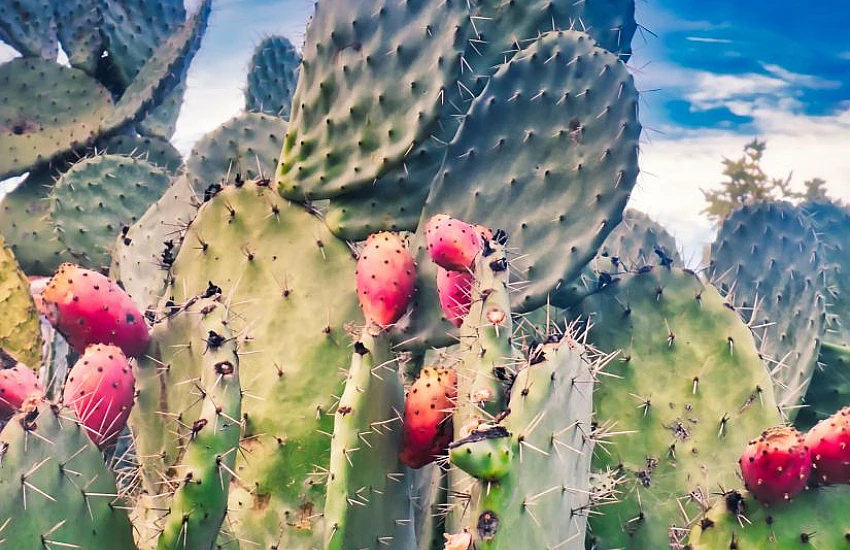
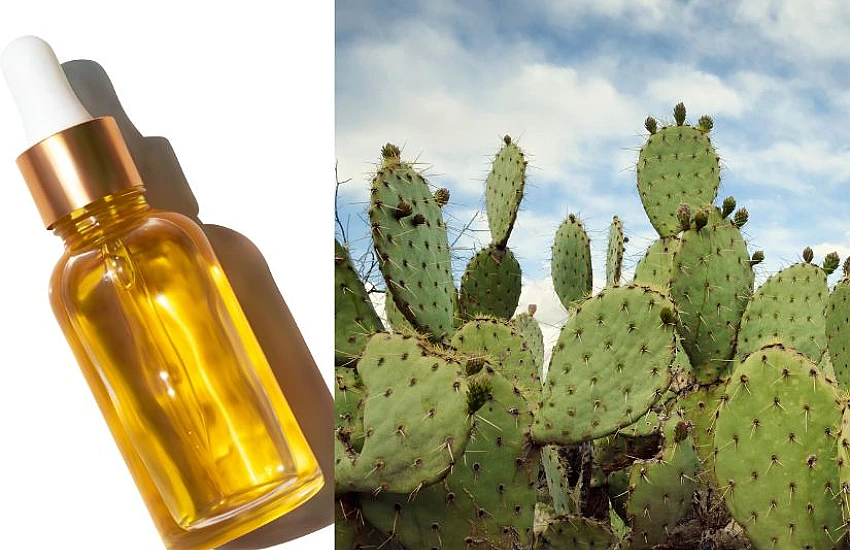
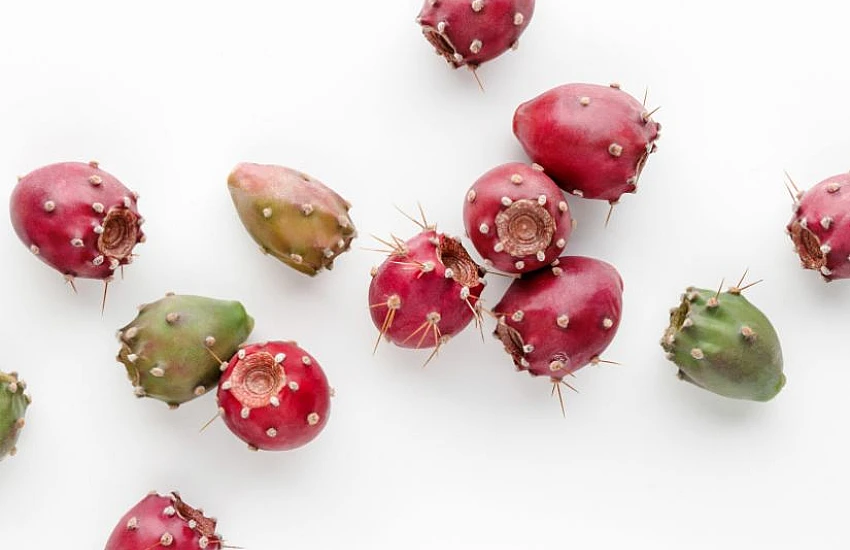
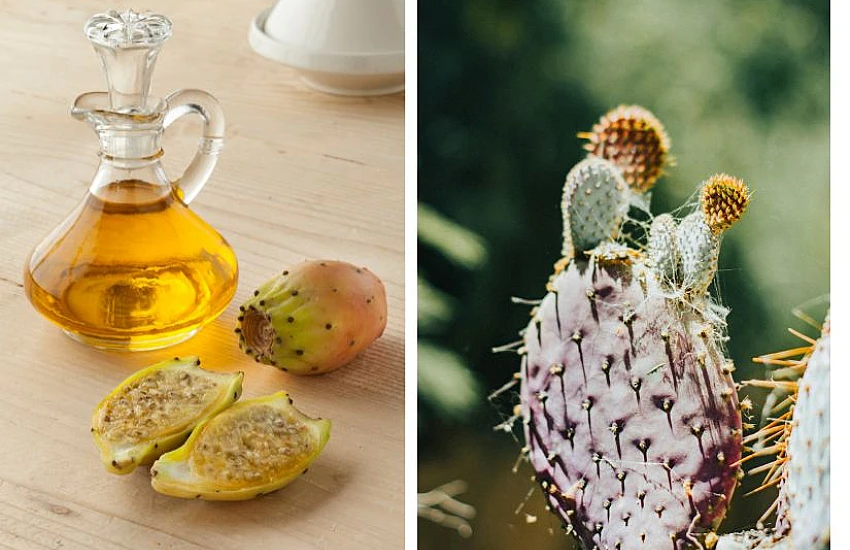
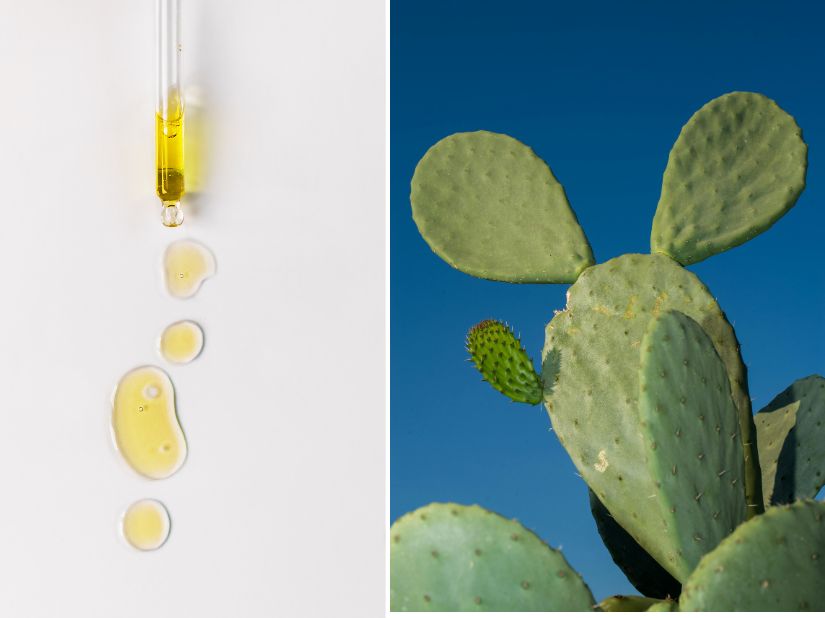
Prickly pear seed oil, also known as Opuntia ficus-indica seed oil, is one of the most exclusive and valuable plant-based oils in the world. Originating from desert regions, primarily Morocco, but also from South American and Mediterranean countries, it has earned the nickname “desert gold” due to its exceptional skincare properties and the labor-intensive extraction process.
Pressing Prickly Pear Seed Oil
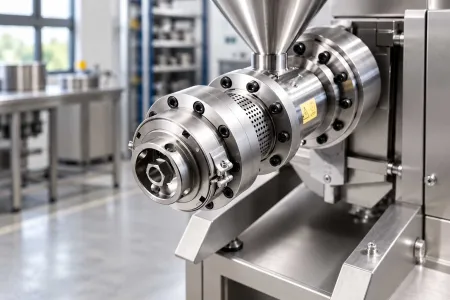
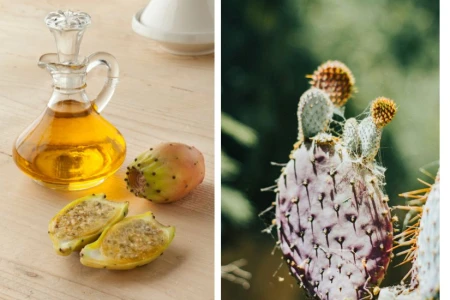
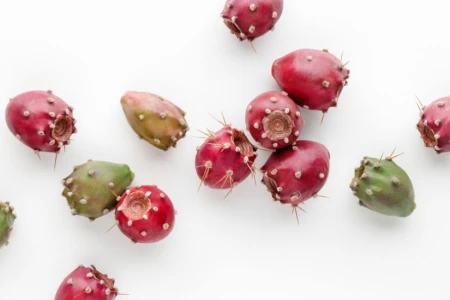
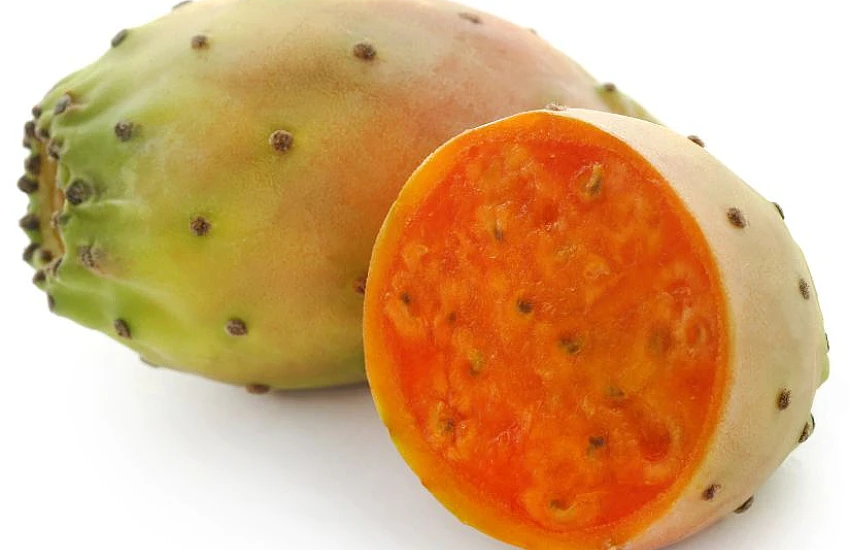
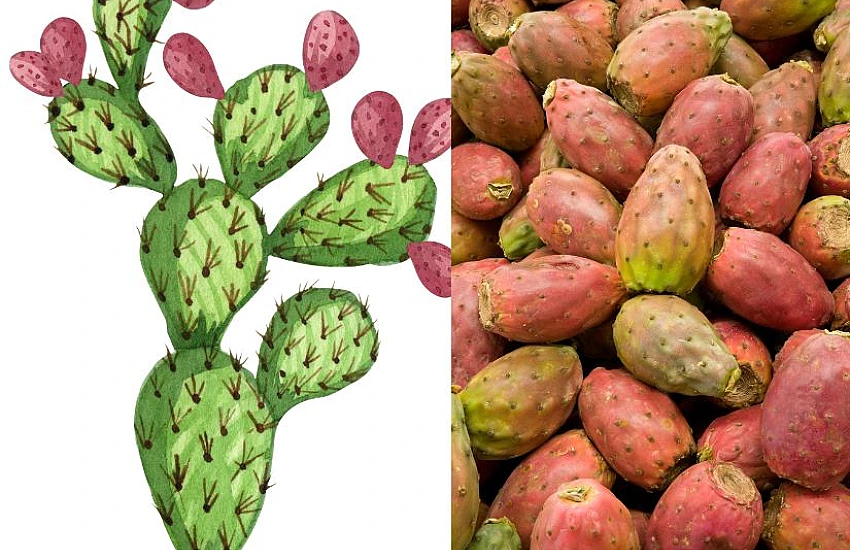
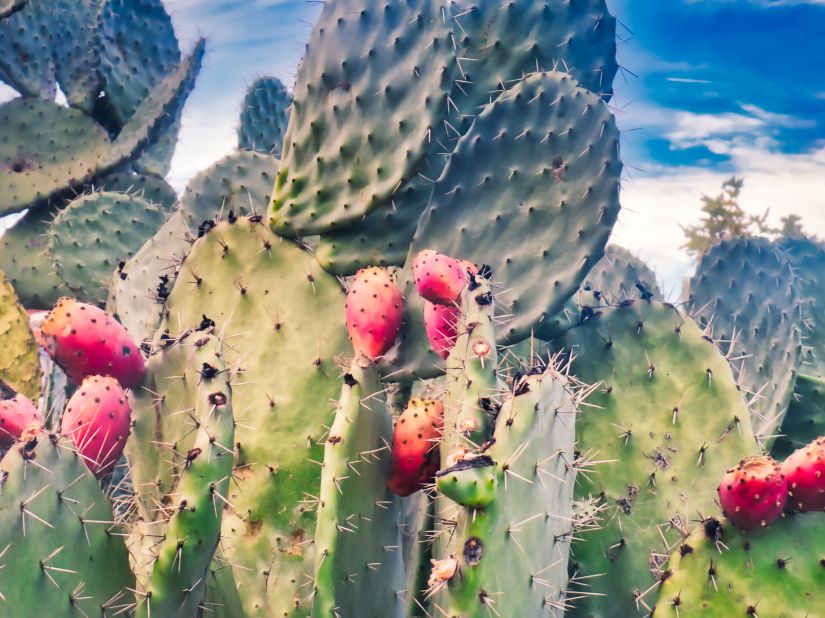
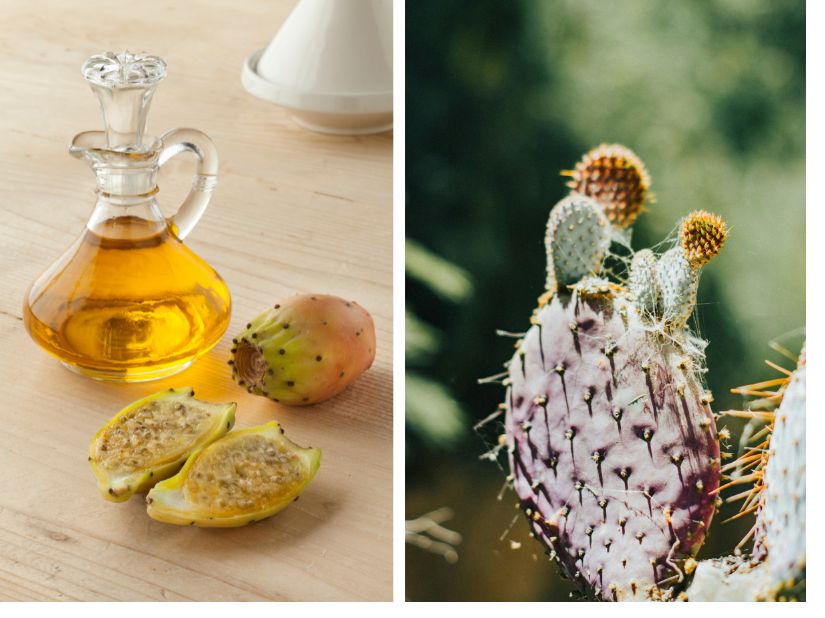
Producing prickly pear seed oil is a labor-intensive and time-consuming process. The most valuable oil is obtained through cold-pressing the seeds of prickly pear fruits. The fruits must be harvested manually, as the plant is covered with tiny, sharp spines. The pulp is then separated from the seeds, which must be dried and cleaned. To produce just 1 liter of oil, approximately 500 kg of fruits and up to 30 kg of seeds are required, making this oil one of the most expensive in the world.
Cold-pressing preserves all the active compounds, including antioxidants, fatty acids, and vitamins. Its high content of linoleic acid (omega-6), tocopherols (especially vitamin E), phytosterols, and polyphenols gives this oil a wide range of beneficial properties.
Properties and Uses
1. Skincare
Prickly pear seed oil is excellent for facial and body skincare. It is lightweight, absorbs quickly, and does not clog pores.
It works to:
- Reduce wrinkles
- Hydrate and regenerate the skin
- Brighten dark spots and pigmentation
- Improve skin elasticity
- Soothe inflammation and irritation
Thanks to its high vitamin E content, the oil protects the skin from oxidative stress and supports its regeneration. It is often used as a natural anti-aging serum, especially around the eyes and lips.
2. Hair and Scalp
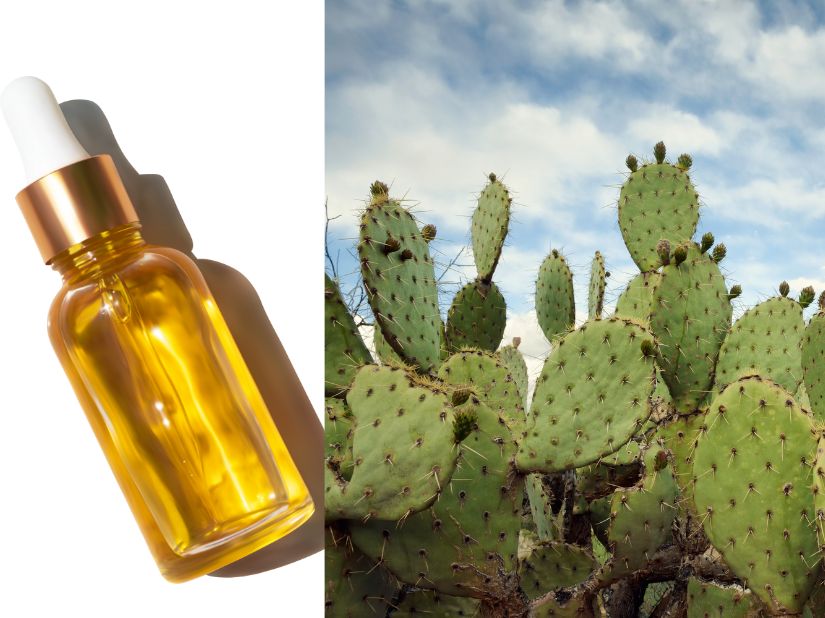
Prickly pear seed oil supports hair growth, strengthens hair follicles, and helps prevent hair loss. It can be used as an oil hair mask or a scalp treatment.
3. Nail and Cuticle Care
Regular application of the oil strengthens nails and moisturizes cuticles, preventing cracking and brittleness.
4. Health Benefits and Culinary Uses
Although prickly pear seed oil is most commonly used topically, it can also be consumed if it is unrefined and properly labeled. It has anti-inflammatory properties, supports the cardiovascular system, helps lower cholesterol levels, and aids digestion.
How to Identify Authentic Prickly Pear Seed Oil
Due to its high price and popularity, prickly pear seed oil is sometimes adulterated or mixed with cheaper oils. To ensure you are purchasing a genuine product:
Choose cold-pressed, unrefined, 100% pure oil.
Check the INCI label – it should contain only Opuntia Ficus-Indica Seed Oil.
Look for organic certification (e.g., ECOCERT, USDA Organic).
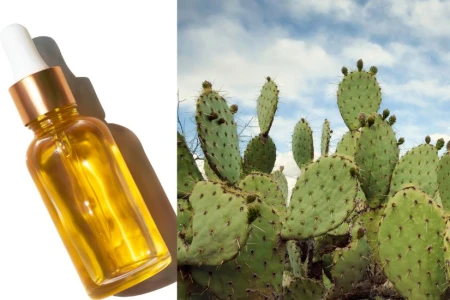
Pay attention to packaging – dark glass bottles protect the oil from light.
Be cautious of very low prices, which may indicate a diluted product.
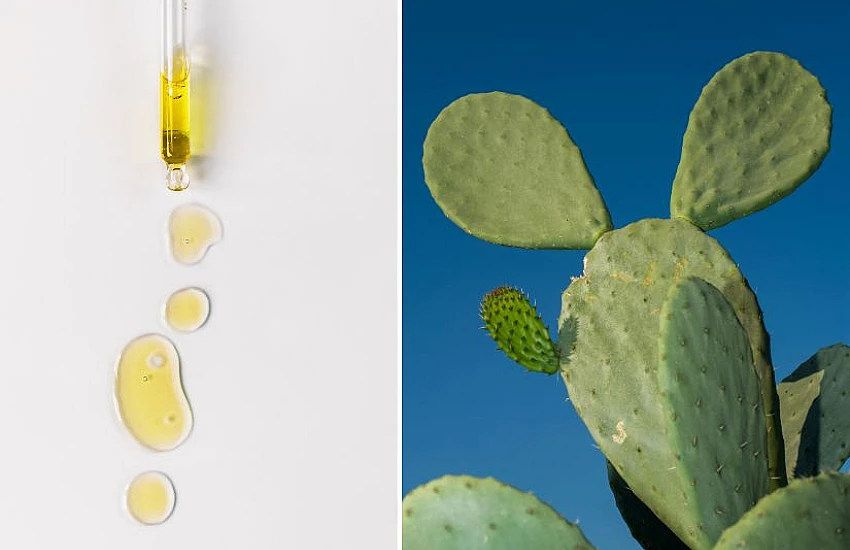
Sensory cues: The oil should have a slightly nutty aroma, a pale yellow color, a light, non-greasy texture, and absorb quickly into the skin.
Where to Buy?
You can purchase authentic prickly pear seed oil:
In quality natural cosmetics stores
In herbal shops and organic pharmacies
From trusted online retailers (e.g., Biogo, EcoAndWell, Naturalissa, Moroccan specialty stores, etc.)
Directly from Moroccan producers with certification
Always ensure that the seller provides information about the country of origin and the extraction method.
FAQ – Frequently Asked Questions About Prickly Pear Seed Oil
Is prickly pear seed oil suitable for all skin types?
Yes, it is suitable for all skin types, including sensitive, acne-prone, dry, and mature skin.
Can the oil be applied under the eyes?
Yes, thanks to its lightweight texture and gentle composition, it is perfect for the under-eye area.
How often can I use the oil?
It can be used daily, both in the morning and evening.
Can it be used with cream?
Yes, it can be applied alone or mixed with a cream or serum.
Does the oil clog pores?
No, it has a low comedogenic rating and does not block pores.
What is the shelf life of the oil?
Typically 12–18 months from pressing. Store in a cool, dark place.
Is it safe for pregnant women?
Yes, it is a natural and safe product. However, it’s always best to consult a doctor.
Does the oil have a scent?
Yes, a slightly nutty, natural aroma.
How can I tell if the oil has gone bad?
A sour or rancid smell indicates that the oil is no longer suitable for use.
Can the oil be consumed?
Only if it is certified for culinary use and properly labeled.
Summary
Prickly pear seed oil is a luxurious, natural product with versatile applications. Although its price is relatively high, its skincare and health benefits fully justify the investment. Always choose cold-pressed, unrefined oil, preferably with organic certification. It works wonders for both the skin and the body from within, which is why it is often called the “elixir of youth.”