
Table of Contents
In an era of growing awareness about healthy lifestyles, we increasingly pay attention to what ends up on our plates. It is important not only which products we choose but also how we prepare them and ensure their cleanliness. One device that can significantly enhance hygiene standards in the kitchen is the ozone-ultrasonic washer. Initially used mainly in medicine, jewelry making, and the electronics industry, it is now gaining popularity in both home and professional kitchens. By combining ultrasonic and ozone technologies, this washer provides effective cleaning and disinfection of vegetables, fruits, meat, fish, and seafood. In this article, we will take a closer look at how an ozone-ultrasonic cleaner works, the benefits of using it in the kitchen, and its impact on food safety.
How does an ozone-ultrasonic cleaner work?
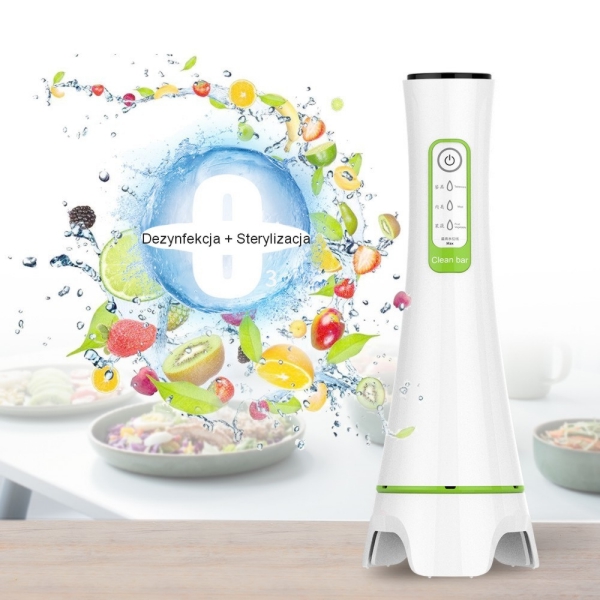
An ozone-ultrasonic cleaner combines two advanced technologies that together provide maximum effectiveness in removing contaminants, pesticides, bacteria, and viruses from food products.
Ultrasonic Technology:
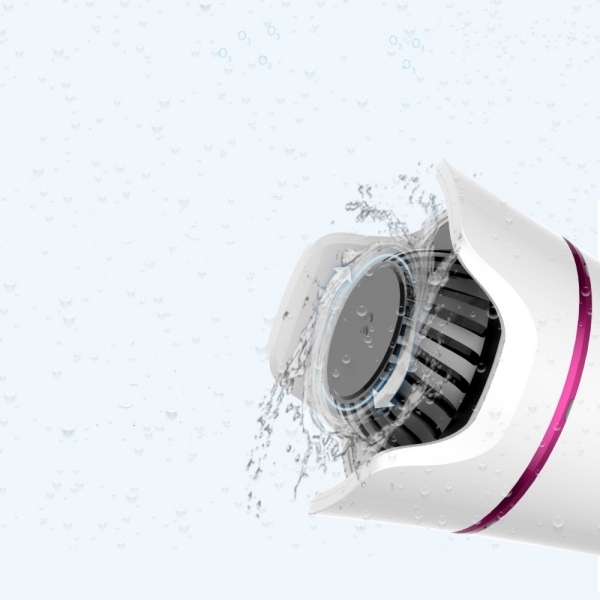
Ultrasonic waves emitted by the cleaner (usually in the range of 20 to 40 kHz) create a phenomenon called cavitation, which is the formation and implosion of microscopic bubbles in water.
These bubbles “explode” on the surface of the products, effectively removing dirt, chemical residues, and microorganisms from vegetables, fruits, meat, fish, and seafood. Ultrasonic waves reach even hard-to-access areas, such as crevices in lettuce leaves or the surface of fruit skins.
Ozonation:
Ozone (O₃) is a strong, natural disinfectant capable of destroying bacteria, viruses, molds, and other microorganisms. In the cleaner, ozone is generated from oxygen in the air and then dissolved in water.
Ozone effectively removes pathogens from the surface of food products and neutralizes pesticide and toxin residues. Ozonation is especially effective when cleaning raw meat, fish, and seafood, which may contain harmful bacteria such as Salmonella, E. coli, or Listeria.
Applications of the Ozone-Ultrasonic Cleaner for Food Products
1. Cleaning Vegetables and Fruits
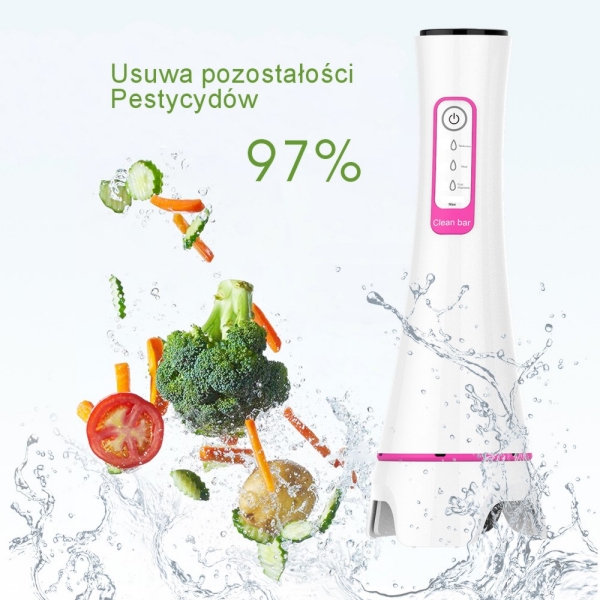
Vegetables and fruits eaten raw are often exposed to pesticides, chemical fertilizers, and contaminants from soil and air. Even thorough rinsing with water does not guarantee complete removal of these substances. An ozone-ultrasonic cleaner not only cleans the surface of products effectively but also neutralizes chemical residues.
- Leafy vegetables: Ultrasonic bubbles penetrate leaf crevices, which is difficult to achieve with traditional washing. Ozone further disinfects the vegetables, destroying bacteria and fungi.
- Fruits with delicate skins: Fruits like strawberries, raspberries, and grapes are particularly prone to surface contamination. The ultrasonic cleaner gently cleans them without damaging their structure.
- Hard fruits and vegetables: Apples, pears, carrots, and potatoes, which often come into contact with fertilizers, are thoroughly cleaned of pesticide residues and bacteria.
Benefits of Using an Ozone-Ultrasonic Cleaner for Vegetables and Fruits:
Removal of pesticides, chemicals, and bacteria.
Increased freshness and extended shelf life of products.
Thorough cleaning even in hard-to-reach areas (e.g., crevices in leafy vegetables).
2. Cleaning Meat
Meat, especially raw meat, can be a source of potential health hazards such as Salmonella, E. coli, and other pathogens. Traditional washing with water may remove some contaminants but does not guarantee the elimination of bacteria and viruses.
Cleaning meat in an ozone-ultrasonic cleaner removes blood residues, fat, and other organic contaminants that can promote bacterial growth.
Ozonation of meat effectively destroys bacteria that may be present on the surface, increasing food safety.
Benefits of Cleaning Meat in an Ozone-Ultrasonic Cleaner:
Effective elimination of pathogens such as Salmonella and Listeria.
Removal of blood and fat residues, improving the taste and quality of the meat.
Extended shelf life of stored meat.
3. Cleaning Fish and Seafood
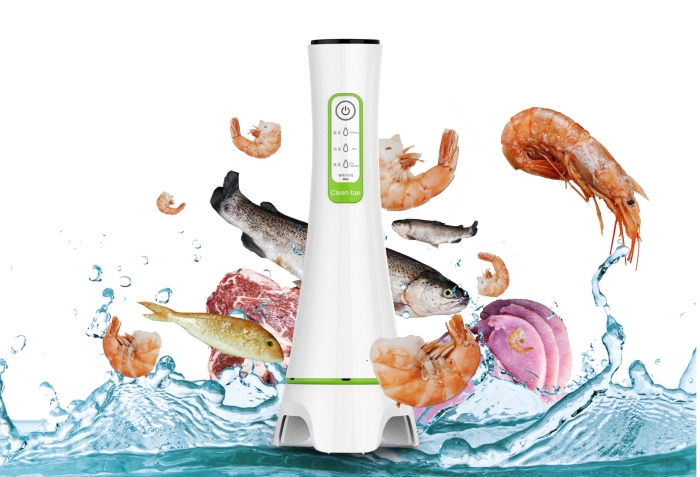
Like meat, fish and seafood are susceptible to bacterial contamination and parasites. Seafood may also contain traces of heavy metals and other chemical contaminants, especially when sourced from polluted waters.
Fish: An ozone-ultrasonic cleaner effectively removes scales, blood residues, and membranes that may harbor bacteria. Ozone additionally disinfects the surface of the fish, enhancing food safety.
Seafood: Shrimp, oysters, and squid are delicate and require careful handling. Ultrasonic waves thoroughly clean their surfaces without damaging the fragile tissues, while ozone eliminates microorganisms that could be harmful to health.
Benefits of Cleaning Fish and Seafood:
Removal of scales, membranes, and chemical residues.
Reduced risk of bacterial and parasitic contamination.
Cleansing seafood without damaging its delicate structure.
Benefits of Using an Ozone-Ultrasonic Cleaner in the Kitchen
- Effective disinfection: Thanks to ozone, the device not only removes dirt but also destroys bacteria, viruses, and other microorganisms. This is particularly important when cleaning meat, fish, and seafood, which can be sources of serious infections.
- Removal of pesticides and chemicals: The ultrasonic cleaner effectively neutralizes pesticides and chemical fertilizers often present on fruits and vegetables. This makes the food healthier and safer to eat.
- Extended product shelf life: Cleaning with an ozone-ultrasonic cleaner helps extend the shelf life of food products, especially vegetables, fruits, and meat. Ozonation prevents rapid spoilage by destroying bacteria responsible for decay.
- Food safety: The cleaner eliminates hazards associated with food contamination, which is particularly important for meat, fish, and seafood, which are more prone to pathogen growth.
- Gentle yet effective cleaning: Ultrasonic waves are highly effective at removing dirt while being gentle enough not to damage the structure of products, such as fruits with thin skins or delicate seafood.
- Drawbacks of Using an Ozone-Ultrasonic Cleaner
- Cost: Ozone-ultrasonic cleaners can be more expensive than traditional cleaning methods. However, their advantages, such as efficiency and food safety, may justify the higher price.
- Limited capacity: Some cleaner models have limited capacity, which can be a challenge when cleaning larger quantities of products.
Summary
The ozone-ultrasonic cleaner is an innovative device that revolutionizes the cleaning of food products. By combining ultrasonic waves and ozone, it effectively removes dirt, bacteria, viruses, and chemicals from the surface of vegetables, fruits, meat, fish, and seafood. It is an excellent solution for those who care about health and hygiene, as well as for anyone looking to extend the freshness and shelf life of food. Investing in such a device can bring tangible benefits in the form of healthier and safer food on our tables.