
Table of Contents
In the world of cold-pressed oils and homemade oil production, one of the key steps in achieving a high-quality product is the oil clarification process. Oil settling tanks play a crucial role in this process, allowing sediments and impurities to separate from the clear liquid. In this blog, we’ll discuss what oil settling tanks are, how they work, why they are important, and how to use them in homemade oil production.
What is an oil settling/sedimentation tank?
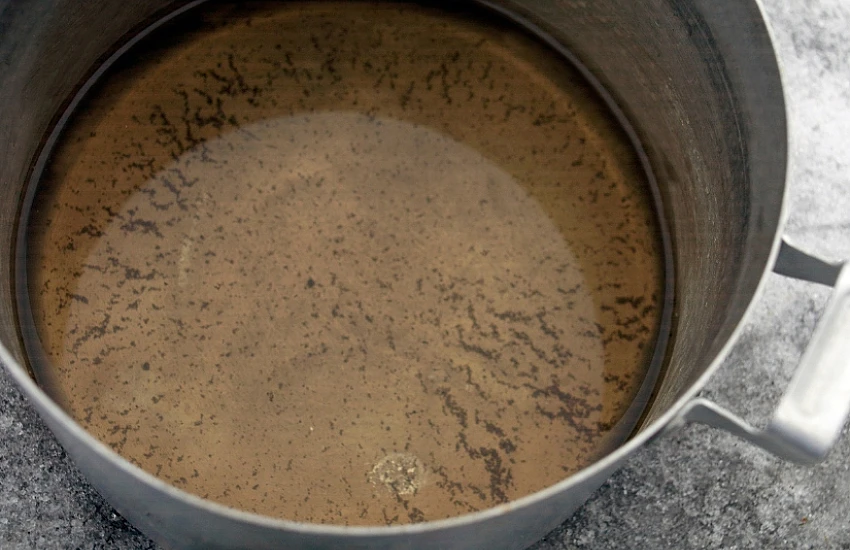
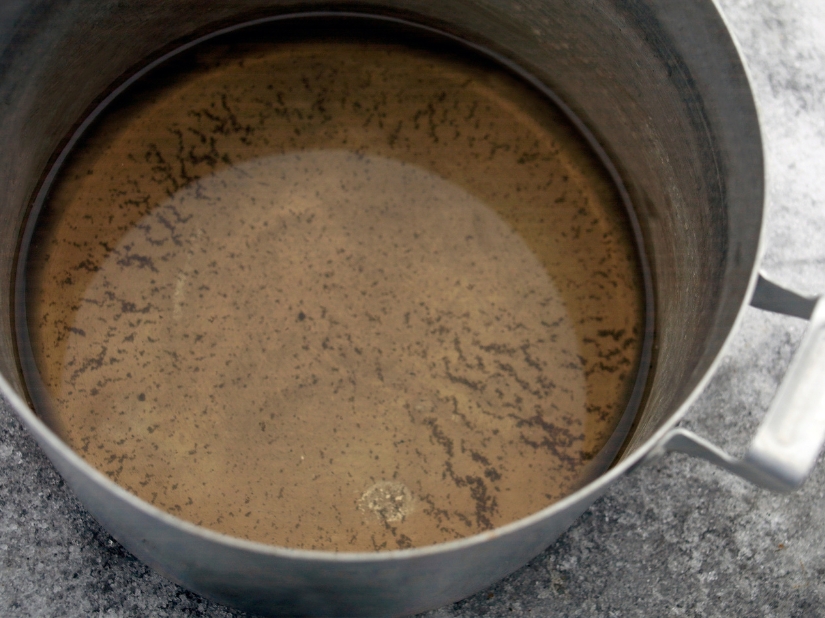
An oil settling tank is a container or device used to separate the oil phase from water, sediments, and impurities that can form during the oil pressing process. This separation occurs naturally due to the difference in density between the oil and the heavier particles. The lighter oil rises to the surface, while heavier components, such as seed residues or proteins, settle at the bottom.
How do oil settling tanks work?
Oil settling tanks operate on the principle of sedimentation. Gravity causes solid particles heavier than the oil to sink to the bottom, leaving clear oil on top. The settling time depends on the type of oil, its density, and the amount of impurities produced during pressing. Settling tanks are commonly used to make the oil clearer, free of particles, and extend its shelf life.
Why is using oil settling tanks important?
Improved oil quality: Oil that hasn’t gone through a settling process may contain seed particles, impurities, or even traces of water, which can negatively affect its taste, aroma, and overall quality.
- Longer shelf life: Oils with sediments and impurities spoil faster because these contaminants can accelerate rancidity.
- Aesthetics: Clear oil looks more appealing, especially when used in cold dishes or as a finishing touch in salads, sauces, or marinades.
- Optimized storage: Clean, filtered oil has a much longer shelf life, which is particularly important when pressing larger quantities of oil for extended storage.
Types of Oil Sedimentation Tanks
Depending on your needs and production scale, there are different types of oil settling tanks:
1. Simple settling containers
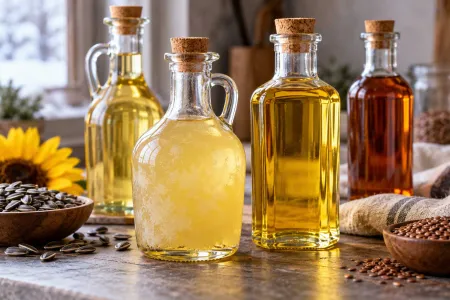
These are the most basic vessels, often made of glass or plastic, that allow the natural separation of oil from sediments. They are ideal for home use and small-batch oil production. Simply pour freshly pressed oil into the container, let it sit for several hours or days, and then carefully pour off the clear oil, leaving the sediments behind.
2. Settling tanks with a spigot
These containers have a tap at the bottom, allowing you to drain the clear oil easily without disturbing the sediments. This type is convenient for slightly larger batches and reduces the risk of mixing the oil with the settled solids.
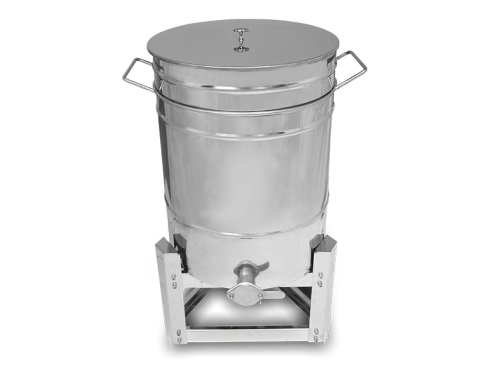
- This type of device is more advanced and is usually made of stainless steel. They feature spigots at the bottom, allowing the oil to be poured out without tilting the container, which reduces the risk of mixing the oil with the sediment.
- The spigots allow precise control over the pouring process, enabling gradual separation of the clear oil.
- With accurate control, spigot-equipped settling tanks maximize the amount of usable oil while minimizing waste. In standard containers without a spigot, pouring often causes the oil to mix with sediments, reducing the yield of clear oil.
- Settling tanks with spigots can also be used for other liquids that require separation, such as wines, honey, juices, or infusions. This versatility makes the device useful in various culinary and fermentation processes.
Large-capacity settling tanks (20–50 liters and more)
Advantages:
- Ideal for larger-scale producers: Large settling tanks are essential for professional oil presses and for those producing oil for sale on a larger market. With such capacity, significant amounts of raw material can be processed at once, increasing efficiency and productivity.
- Longer clarification process for maximum quality: Bigger tanks allow more time for sediments to separate from the oil, yielding a higher-quality, clear product. Slower sedimentation in larger volumes promotes natural purification.
- Less frequent refilling: Large tanks mean less frequent filling, which is particularly convenient when pressing oil in bulk. You can start processing the next batch while the previous one is clarifying.
- Labor savings: With larger capacities, fewer draining and refilling operations are needed, reducing manual work. In large-scale oil production, minimizing these operations is a significant advantage.
- Durability and strength: Large tanks, especially stainless steel ones, are typically very durable and resistant to damage. They can be used for many years in intensive oil production, making them a long-term investment.
Industrial oil settling tanks
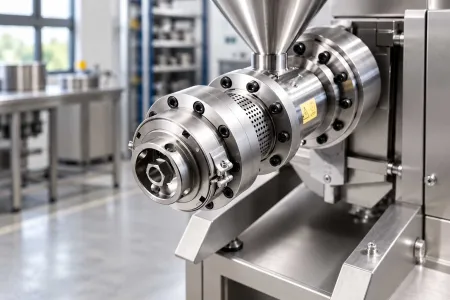
For large-scale production, specialized industrial devices are used to automatically separate oil from impurities. Examples include centrifuges, which speed up separation, or gravity separators, commonly used in large oil mills.
While these devices are more complex and costly, they fully automate the process, which is invaluable for high-volume oil production.
How to use an oil settling tank
Using a settling tank is straightforward but requires some precision for the best results:
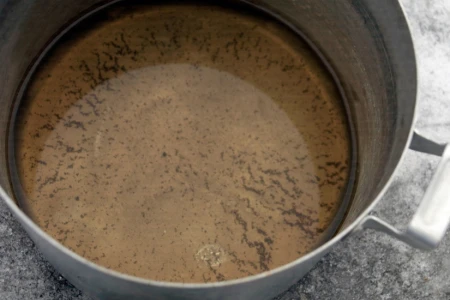
Press the oil: First, extract oil from your chosen raw material, e.g., flax, sunflower seeds, or nuts. Freshly pressed oil will usually be cloudy with visible sediments.
Let the oil settle: Pour the oil into the settling tank and allow it to “rest.” Depending on the type of oil, this can take from a few hours to several days. Lighter oils, like nut oils, may require less time, while denser oils, such as flaxseed oil, may need longer.
Drain the clear oil: Once a distinct layer of clear oil forms on top, carefully drain it, avoiding mixing with the sediment. If using a settling tank with a spigot, this process is more precise and minimizes losses.
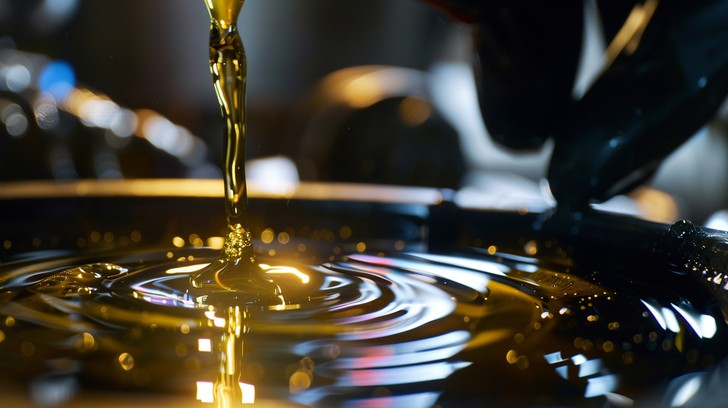
Removing sediments: The remaining sediments that have settled at the bottom can be removed manually or repurposed for other uses, such as fertilizers or cosmetic additives.
Which oils are worth settling?
Most cold-pressed oils require at least a short settling period to remove excess sediments. This process is commonly used for:
- Flaxseed oil: Contains a high amount of natural sediments that can affect shelf life.
- Sunflower oil: Although usually quite clear, settling allows for additional purification.
- Nut oils: Oils from walnuts, hazelnuts, or almonds often contain fine protein particles and other impurities that should be removed.
- Coconut oil: While coconut oil rarely requires long settling, giving it time to naturally separate solids is beneficial.
How to store oil after purification
After settling and clarifying, it’s important to store oils properly:
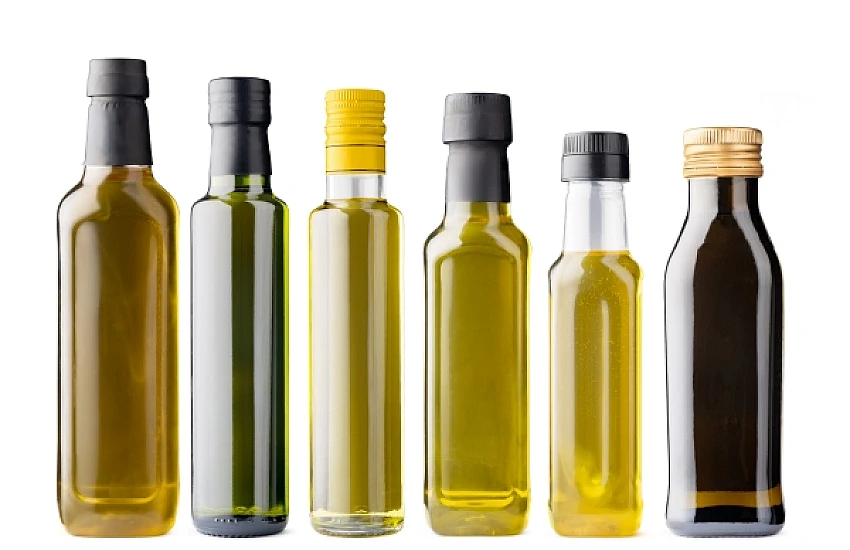
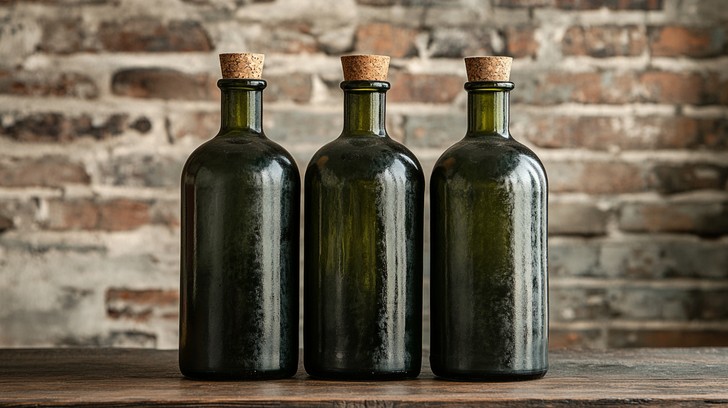
- Dark glass bottles: Cold-pressed oils are sensitive to light, which can accelerate spoilage. Dark glass bottles provide the best protection.
- Low temperature: Some oils, especially those rich in unsaturated fatty acids like flaxseed oil, should be stored in the refrigerator to prevent rancidity.
- Protection from oxygen: Seal bottles tightly to minimize contact with air, which can also speed up oil degradation.