
Table of Contents
- What is Oil Sedimentation?
- Components Subject to Sedimentation
- Why Conduct Oil Sedimentation?
- Improving Flavor and Aroma
- Impact of Oil Viscosity
- Flocculation and Coagulation Processes
- Sedimentation in Home Production
- Sedimentation Vessels for Home Use
- Optimal Sedimentation Time
- Sedimentation Temperature
- Practical Tips for Home Oil Producers
- Sediment in Oil – Enemy or Friend?
- How to Handle Sediment?
- Professional Settler – Key to Success
- Summary
- Frequently Asked Questions (FAQ)
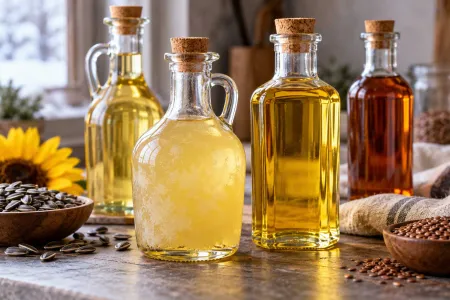
Anyone who has ever pressed oil in their own kitchen or workshop knows this sight well: a freshly pressed golden liquid that, after a few hours, begins to separate, forming a darker sediment at the bottom. This is oil sedimentation – one of the most important processes that determines the quality, taste, and shelf life of homemade or artisanal oil. Although at first glance it may seem like a problem, in reality it is a natural ally for any producer who values purity and the health benefits of their product.
What is Oil Sedimentation?
Oil sedimentation is a completely natural physical process in which the solid particles contained in freshly pressed oil settle at the bottom of the container under the influence of gravity. The term comes from the Latin word sedimentum, meaning sediment or settled substance. In the context of oil production, sedimentation is one of the oldest and most traditional methods of purifying vegetable oils, used for millennia across different cultures worldwide.
Mechanism of Gravity
This process is based on a simple law of physics: particles with a higher density than the oil gradually move toward the bottom of the container. This happens because the gravitational force acting on these particles exceeds the resistance of the viscous oil medium. In practice, this means that freshly pressed, cloudy oil left undisturbed for the right amount of time naturally clarifies itself, becoming increasingly clear and transparent.
Components Subject to Sedimentation
During cold pressing, various substances from seeds or oil fruits enter the final product. Understanding exactly what is present in freshly pressed oil helps to better appreciate the significance of the sedimentation process for the quality of the final product.
Seed and Shell Fragments
Fragments of seeds and shells make up the largest fraction of sediment. During mechanical pressing in a screw press, small particles of plant material inevitably get into the oil. These are mainly seed coat elements, endosperm fragments, and remnants of cell membranes. These relatively large particles settle the fastest, forming the bottom layer of sediment.
Proteins and Phospholipids
Proteins and phospholipids form another important group of substances subject to sedimentation. Oil seeds are a natural source of proteins, which partially transfer into the oil during pressing. Phospholipids, which are components of plant cell membranes, are particularly significant. These substances tend to form suspensions and can cause cloudiness in the oil. During sedimentation, they settle more slowly than solid fragments but eventually also accumulate at the bottom.
Water and Water-Soluble Compounds
Water and water-soluble compounds are an inseparable part of freshly pressed oil. Seeds contain a certain amount of moisture before pressing, which partially passes into the oil during the process. Since water is insoluble in fats, it forms tiny droplets dispersed throughout the oil. During sedimentation, these droplets merge and settle at the bottom of the container.
Waxes and Protective Substances
Waxes and wax-like substances are compounds found in the outer layers of seeds that serve a protective function. During pressing, they partially transfer into the oil, giving it a characteristic cloudiness. At lower temperatures, waxes tend to crystallize and settle, which is especially noticeable in oils stored in the refrigerator.
Sedimentation vs. Other Purification Methods
Sedimentation is one of several methods used to purify vegetable oils, distinguished by its naturalness and simplicity. Unlike more invasive techniques, it does not require chemicals or complex equipment, making it ideal for producers who prioritize the natural quality of their products.
Mechanical Filtration
Mechanical filtration uses physical barriers—filters of various porosities—to trap solid particles. This method is faster than sedimentation but requires appropriate equipment and may remove some beneficial components from the oil. Filters with pores that are too small can retain valuable phospholipids and natural antioxidants.
Centrifugation
Centrifugation is an accelerated form of sedimentation that uses centrifugal force instead of gravity. Industrial centrifuges can purify large quantities of oil quickly, but they require significant investment and are mainly used in large-scale production.
Chemical Refining
Refining is a multi-step chemical-physical process that includes degumming, neutralization, bleaching, and deodorization. While it produces oil of very high purity and a neutral taste, it simultaneously removes many valuable nutrients, vitamins, and natural antioxidants. Refined oils lose the characteristic flavor and aroma of the original raw material.
Why Conduct Oil Sedimentation?
Oil sedimentation is not just an aesthetic concern—it is fundamental to the quality, shelf life, and safety of the final product. Understanding the benefits of properly performed clarification helps appreciate its value in both home and artisanal production.
Extending Oil Shelf Life
Protection Against Microorganisms
One of the main benefits of sedimentation is significantly extending the oil’s shelf life. Solid particles in unrefined oil serve as a breeding ground for microorganisms and accelerate oxidation processes. Removing sediment through sedimentation eliminates these factors, allowing the oil to remain fresh much longer.
Preventing Rancidity
Residual proteins and phospholipids in oil are particularly susceptible to enzymatic degradation. Lipases—enzymes that break down fats—release free fatty acids, resulting in an unpleasant, rancid smell and taste. Sedimentation removes most of these substances, slowing down the rancidity process.
Moisture Elimination
Water present in oil promotes the growth of mold and bacteria. Even small amounts of moisture can lead to microbiological contamination, especially in elevated temperatures. Sedimentation allows the natural separation of the water fraction from the oil, significantly reducing the risk of spoilage.
Improving Flavor and Aroma
Cleaner Taste of Oil
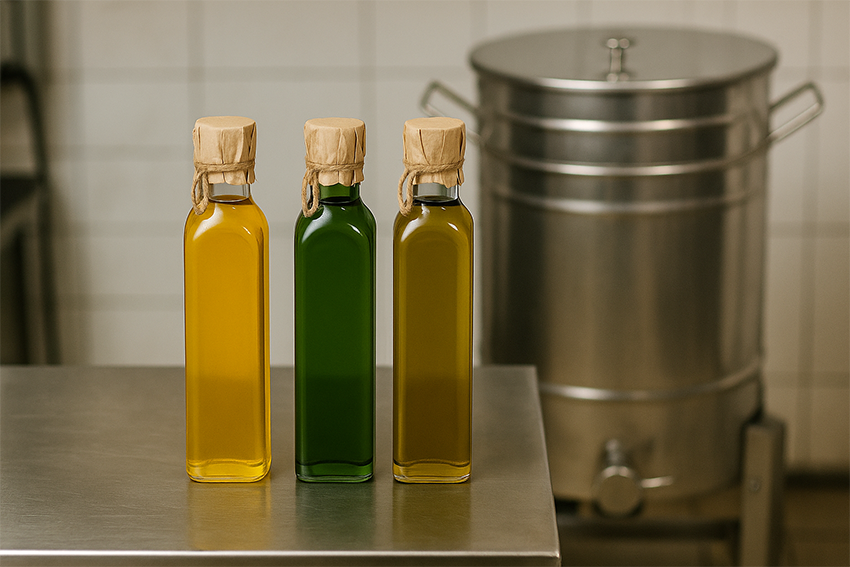
Properly clarified oil is characterized by a cleaner, more pronounced taste and aroma. Sediment remaining in the oil can introduce notes of bitterness, astringency, or metallic aftertaste, masking the delicate, desirable flavor nuances specific to the raw material.
Revealing Natural Aroma
Rapeseed oil after proper sedimentation delights with a gentle, nutty flavor without unpleasant bitterness. Sunflower oil develops sweet, slightly floral notes, while flaxseed oil reveals its characteristic, intense aroma. Clarification allows full appreciation of the natural flavor qualities of each type of oil.
Product Aesthetics
The clarity of oil also has aesthetic importance, particularly for producers selling their products. Customers often associate transparency with quality, although paradoxically, slight cloudiness in cold-pressed oil indicates its authenticity and lack of refining.
Preserving Nutritional Value
Protection of Vitamins and Antioxidants
Unlike refining, sedimentation does not strip the oil of valuable nutrients. Vitamins E and K, carotenoids, plant sterols, and natural antioxidants remain in the oil, making it a fully nutritious food product. This is especially important for people choosing cold-pressed oils for their health benefits.
Retaining Lecithin
Phospholipids, though partially removed during sedimentation, are not completely lost. Lecithin and other compounds in this group remain present in clarified oil, supporting proper nervous system function and metabolic processes. Sedimentation allows gentle purification of the oil without drastically reducing its nutritional value.
Utilizing Sediment
It is worth noting that the sediment left after sedimentation also contains valuable components. In traditional oil mills, this sediment is often used as animal feed or for the production of natural fertilizers, supporting the concept of a zero-waste economy.
Impact of Oil Viscosity
Viscosity and Settling Rate
Oil viscosity plays a fundamental role in the sedimentation process—the more viscous the oil, the slower solid particles settle. The viscosity of vegetable oils primarily depends on the composition of fatty acids and temperature. Oils rich in saturated fatty acids are usually more viscous than those containing mainly unsaturated acids.
Temperature Effect on Viscosity
Temperature directly affects oil viscosity—as it increases, viscosity decreases. Therefore, sedimentation occurs faster at room temperature than in a refrigerator. On the other hand, too high a temperature can accelerate oxidation processes, so it is important to find optimal conditions for each type of oil.
Differences Between Oils
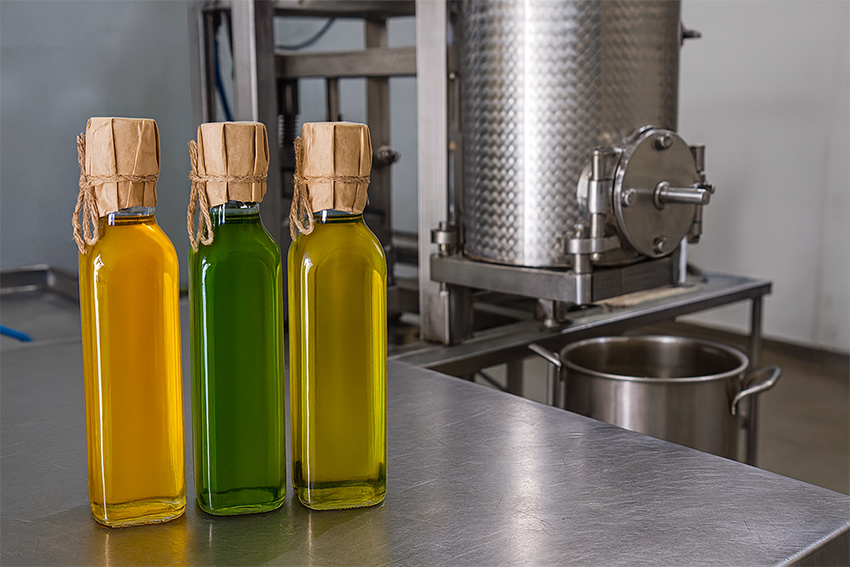
Flaxseed oil, which has relatively low viscosity, clarifies faster than thick castor oil. Sunflower and rapeseed oils are intermediate, requiring several days to achieve optimal clarity. Understanding these differences allows adjusting sedimentation time according to the type of pressed oil.
Flocculation and Coagulation Processes
Flocculation Phenomenon
In addition to simple gravitational settling, flocculation and coagulation processes occur in oil, accelerating clarification. Flocculation is the phenomenon of small particles joining into larger aggregates, called flocs. Larger clusters settle faster than single, dispersed particles.
Protein Coagulation
Protein coagulation is particularly important in the first hours after pressing. Due to changes in temperature and pH, proteins in the oil lose stability and begin to clump together, forming larger structures. These coagulated proteins quickly settle to the bottom, carrying some smaller impurities with them.
Role of Natural Emulsifiers
Natural emulsifiers present in the oil can both slow down and accelerate sedimentation. Phospholipids, which are natural surfactants, initially stabilize the suspension, hindering particle settling. Over time, however, they aggregate and settle, speeding up the clarification of the remaining fractions.
Sedimentation in Home Production
Producing oil in your own kitchen or small workshop is a highly satisfying activity. The knowledge that the product on your table is 100% natural, made from controlled raw materials, is invaluable. Properly performed sedimentation is the final step in the production process, determining the quality and shelf life of homemade oil.
Sedimentation Vessels for Home Use
Choosing the right vessel for sedimentation is crucial for the success of the process. At home, various solutions work well, from simple jars to specialized settling tanks. Key factors include sufficient capacity, the ability to observe the process, and easy separation of clarified oil from the sediment.
Glass Jars and Bottles
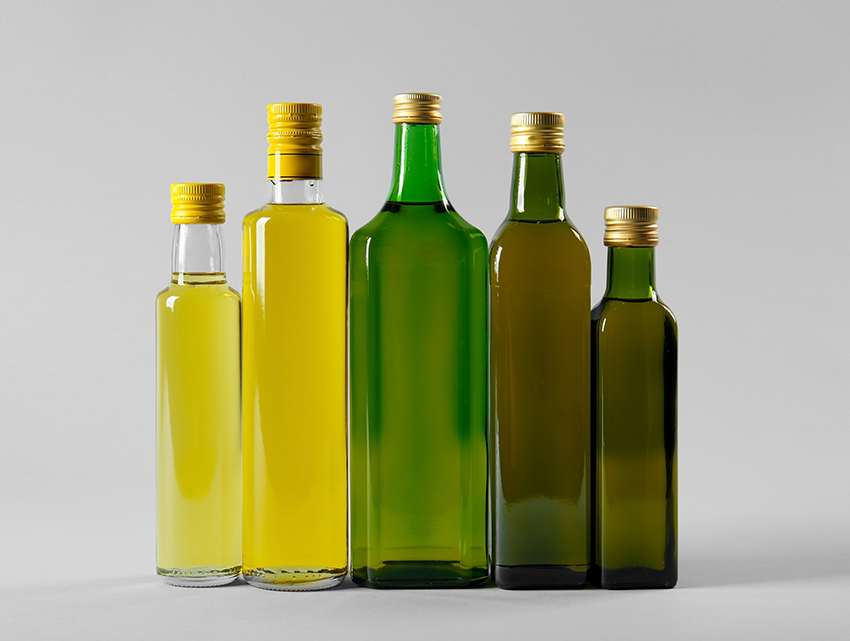
Glass jars and bottles are the simplest and most affordable solution for beginner oil makers. Transparent glass allows you to monitor the progress of sedimentation, assess the clarity of the oil, and determine the right moment to pour it off the sediment. The downside is that careful pouring is required to avoid mixing the oil with the sediment.
Containers with a Tap
Containers with a tap offer a much more convenient option. A tap located at the bottom allows gradual removal of sediment and then pouring of clean oil without the risk of contamination. This solution is ideal for people producing oil regularly in quantities exceeding a few liters per month.
Professional Stainless Steel Settlers
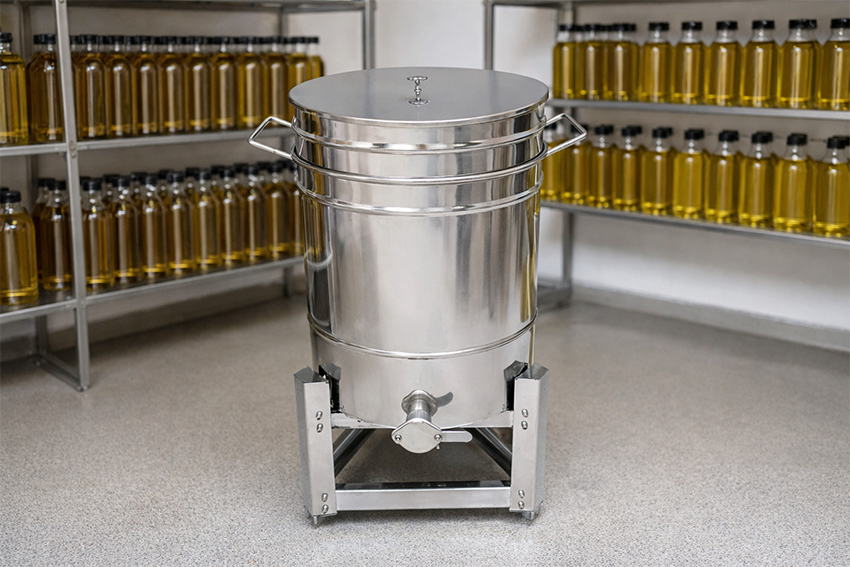
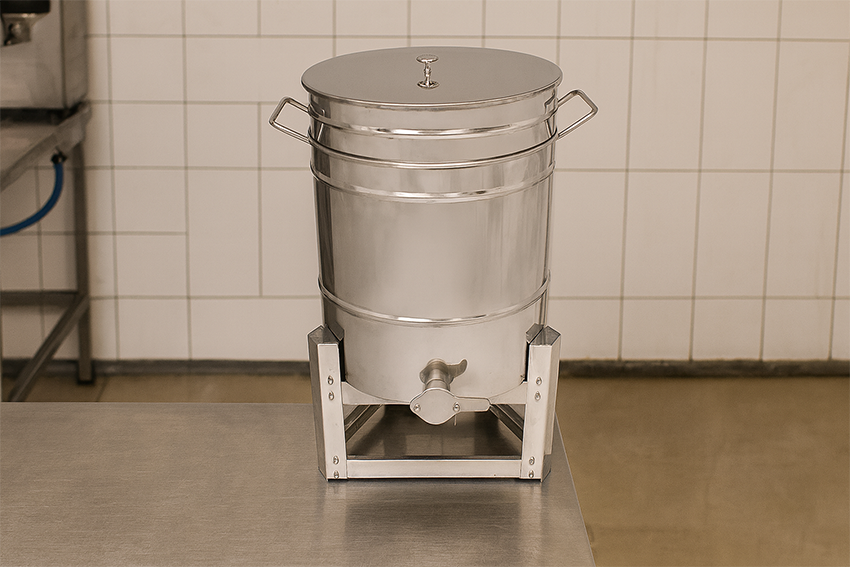
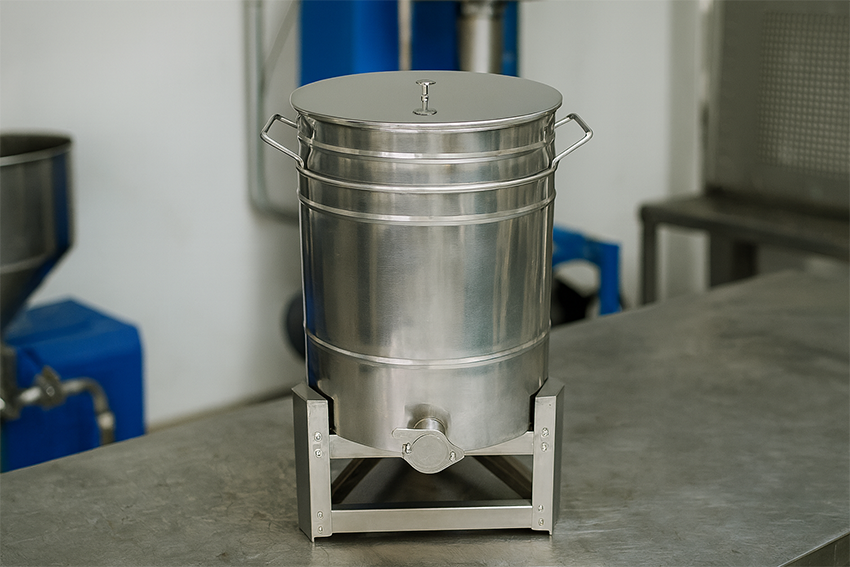
Professional stainless steel settlers represent the highest standard of home oil production equipment. They offer precise control over the pouring process, ease of cleaning, and top-level hygiene. A 30-liter settler available from pureoilpress.com is an excellent solution for demanding producers, combining functionality with an affordable price. Equipped with a 6/4-inch drain valve, it allows convenient and controlled oil removal at various stages of sedimentation.
Optimal Sedimentation Time
The time required for effective sedimentation depends on the type of oil, ambient temperature, and desired clarity. The minimum resting time is usually 24 to 48 hours, though extending this period to 7–14 days is recommended for optimal results.
Stages of Sedimentation
In the first hours after pressing, sedimentation is most intense. The largest particles settle within the first 30–60 minutes, forming a visible sediment layer at the bottom of the vessel. After about 24 hours, the oil becomes significantly clearer, though it may still contain fine suspensions.
Complete Clarification
Full sedimentation of the smallest particles takes more time. After 3–5 days, the oil reaches a good level of clarity that satisfies most home producers. For maximum transparency, waiting 10–14 days is recommended, especially for higher-viscosity oils.
Continuity of the Process
It is important to remember that sedimentation is a continuous process—even for oil that has already been poured. Therefore, a slight sediment may appear at the bottom of bottles of cold-pressed oil over time. This is entirely normal and indicates the natural quality of the product. Simply gently shake the bottle before use.
Sedimentation Temperature
Optimal Temperature
Ambient temperature affects the speed and efficiency of sedimentation. The optimal temperature for most vegetable oils is between 15–20°C (59–68°F). Under these conditions, oil has the right viscosity to allow particles to settle freely while maintaining chemical stability.
Too Low Temperature
A too-low temperature, while slowing oxidation, increases oil viscosity and prolongs sedimentation. In refrigerator conditions, sedimentation may take several times longer than at room temperature. Additionally, waxes and saturated fatty acids may crystallize at low temperatures, disrupting oil clarity.
Too High Temperature
Higher temperatures accelerate sedimentation but also increase the risk of oil oxidation. Temperatures above 25°C (77°F) are not recommended for long-term sedimentation. A good compromise is preliminary clarification at room temperature for 24–48 hours, followed by moving the oil to a cooler location.
Practical Tips for Home Oil Producers
The success of sedimentation depends not only on proper equipment and conditions but also on following a few simple rules. Attention to detail at every stage translates directly into the quality of the final product.
Avoiding Vibrations
The sedimentation vessel should be placed in a location free from vibrations and shocks. Any movement of the vessel mixes the settling sediment with the oil, reversing the clarification process. It is best to assign a fixed spot for settlers, away from running appliances and foot traffic.
Protection from Light
Protecting the oil from light is equally important. Sunlight and artificial lighting accelerate photo-oxidation, leading to oil degradation. Store oil in a dark place or in opaque containers. If using glass vessels, shield them from direct light.
Limiting Air Exposure
Minimize air exposure. The vessel should be covered, but not airtight—the oil may release gases in the first hours after pressing. After 24 hours, the container can be sealed more tightly.
Keeping Records
Keeping records helps optimize the process. Noting pressing dates, oil quantity, sedimentation temperature, and time needed to achieve clarity allows you to develop reliable methods tailored to your conditions and types of oils.
Sediment in Oil – Enemy or Friend?
The sight of sediment at the bottom of an oil bottle often worries consumers. Accustomed to perfectly clear refined oils, they may see cloudiness and sediment as signs of spoilage or poor quality. In cold-pressed oils, however, sediment is natural and even a mark of authenticity and value.
Natural Origin of Sediment
Where Sediment Comes From
Sediment in cold-pressed oil is a residue of the natural sedimentation process, which—as we know—is continuous. Even oil that seemed perfectly clear after several days may form additional sediment over time. This happens because the tiniest particles settle very slowly, and the process is accelerated by temperature changes during storage.
Composition of Sediment
Sediment composition is similar to that of freshly pressed oil—it contains seed fragments, proteins, phospholipids, and waxes. These substances are not harmful; on the contrary, they are a source of valuable nutrients. Consuming oil with a small amount of sediment is completely safe and may even enhance its nutritional value.
Sediment as a Sign of Authenticity
Quality Marker of Natural Oil
Paradoxically, the presence of sediment is a positive signal for informed consumers. It indicates that the oil has not undergone refining or aggressive filtration. Refined oils lack any suspension and never produce sediment but are also poorer in natural nutrients.
Consumer Education
Producers of high-quality cold-pressed oils often indicate on labels that sediment may form, presenting it as an advantage rather than a flaw. Educating consumers in this regard is an important part of promoting natural, unrefined oils.
How to Handle Sediment?
Consuming Oil with Sediment
If the sediment in the oil bottle does not bother you, you can gently shake the bottle before use to distribute it. Oil with dispersed sediment is just as valuable and safe as perfectly clear oil. Many traditional cuisines worldwide intentionally use oils with suspension, appreciating their richer flavor and aroma.
Separating Sediment
If you prefer to use oil without sediment, simply pour it carefully into a smaller vessel, leaving the sediment at the bottom of the original bottle. This sediment can be used for cosmetic purposes, such as an ingredient in natural hair masks, or added to pet feed.
Refrigerated Storage
Storing oil in the refrigerator accelerates sediment formation but may also cause cloudiness throughout the oil due to wax crystallization. This phenomenon is reversible—warming the oil to room temperature restores clarity. It does not indicate spoilage but reflects the oil’s natural composition.
Professional Settler – Key to Success
For those regularly producing oil in quantities exceeding a few liters per month, investing in a professional settler is a step toward higher quality and production efficiency. A well-chosen settler facilitates the sedimentation process, minimizes oil loss, and saves time.
Features of a Good Settler
Material
Material quality is crucial for the durability and safety of the settler. Food-grade stainless steel is the best choice—it does not react with oil, is easy to clean, and resistant to mechanical damage. Food-safe plastics are a cheaper alternative but are less durable.
Capacity
The settler’s capacity should match the production scale. For home producers pressing a few liters per month, vessels of 5–10 liters are sufficient. For commercial or larger-scale production, consider settlers of 20–50 liters.
Oil Drain System
The oil drain system differentiates simple containers from professional settlers. A valve or tap at the bottom of the tank allows controlled removal of sediment followed by clear oil. The best settlers have valves at different heights, enabling precise separation of fractions.
Recommended Product: 30 L Settler
Professional Solution for Demanding Producers
The pureoilpress.com store offers a professional 30-liter settler, an ideal solution for demanding oil producers. Made in Poland from high-quality materials, it combines functionality with an affordable price.
Technical Specifications
The settler is equipped with a 6/4-inch drain valve, allowing fast and controlled oil removal. Importantly, the valve can be installed at any position during production, adapting the device to the user’s needs.
Optimal Capacity
A 30-liter capacity is ideal for small and medium-sized home oil producers. It allows processing a larger batch at once, saving time and ensuring product consistency. Product details are available at: https://www.pureoilpress.com/en/product/sedimentation-tank-30l
Summary
Oil sedimentation is a natural, time-tested purification process that preserves the full nutritional value of the product. Unlike chemical refining, it does not strip the oil of valuable vitamins, antioxidants, and other beneficial components. For producers valuing naturalness and quality, sedimentation remains the method of choice.
In home production, sedimentation requires patience and proper conditions but rewards with oil of excellent quality and authentic character. Simple glass vessels work well for beginners, while professional stainless steel settlers help optimize the process on a larger scale.
In industrial production, sedimentation is often assisted by centrifuges and filtration systems, allowing large volumes of oil to be processed quickly. Nevertheless, the principle remains the same—using the laws of physics to naturally clarify oil from suspensions and impurities.
Sediment in cold-pressed oil is not a defect but a sign of authenticity and natural origin. Informed consumers increasingly appreciate this feature, choosing unrefined oils as a healthier alternative to industrial supermarket products.
We encourage experimenting with your own oil production and discovering the satisfaction of creating natural, valuable products. Proper equipment, such as a professional settler from prasyolejowe.pl, makes this process easier and helps achieve excellent results.
Frequently Asked Questions (FAQ)
How long does oil sedimentation take at home?
The minimum standing time for oil should be 24–48 hours; however, for optimal clarity, 7–14 days is recommended. This duration depends on the type of oil, ambient temperature, and desired level of transparency. Oils with lower viscosity, such as flaxseed oil, clarify faster than thicker oils.
Does sediment in the oil bottle mean it is spoiled?
Absolutely not. Sediment in cold-pressed oil is a natural phenomenon, indicating the oil has not been refined and retains its full nutritional value. Before use, you can gently shake the bottle or carefully pour the clear oil off the sediment.
At what temperature is sedimentation best conducted?
The optimal temperature for sedimentation of most vegetable oils is 15–20°C (59–68°F). Too low a temperature slows the process and may cause wax crystallization, while too high a temperature accelerates oil oxidation.
Can I speed up the sedimentation process?
At home, sedimentation can be slightly accelerated by maintaining an optimal temperature and using vessels with a large surface area relative to their depth. However, the most effective way to speed up the process is through mechanical filtration or centrifugation, which requires appropriate equipment.
How does sedimentation differ from oil filtration?
Sedimentation uses natural gravity to allow particles to settle at the bottom of the vessel, while filtration involves passing the oil through a porous barrier that traps impurities. Sedimentation is slower but requires no equipment. Filtration is faster but may remove some beneficial components from the oil.
Which settler should I choose for home production?
For beginners, simple glass jars or bottles are sufficient. For regular production of larger quantities, investing in a professional stainless steel settler with a drain valve, such as the 30 L Settler available at prasyolejowe.pl, is recommended. It allows convenient and controlled oil decanting without mixing it with the sediment.
What to do with the sediment remaining after sedimentation?
Sediment from oil sedimentation can be used in many ways. Most commonly, it is added to animal feed as a valuable source of protein and fat. It can also be used as a natural fertilizer or as an ingredient in homemade cosmetics. Some producers recover oil from the sediment through re-pressing or centrifugation.