
Table of Contents
An oil press machine is a key tool in the process of extracting vegetable oil from oilseeds. This advanced device contributes to the production of high-quality oil, which finds applications in various areas of life, from cooking to the cosmetic and pharmaceutical industries.
Oil Press Machine
Oil is one of the most important ingredients in our daily diet. We use it for frying, preparing salads, or as a component in many dishes. However, few people consider the processes that must take place before this oil reaches our plates. This is where the oil press machine comes into play – a device that plays a crucial role in the production of vegetable oil.
The Role of the Oil Press Machine
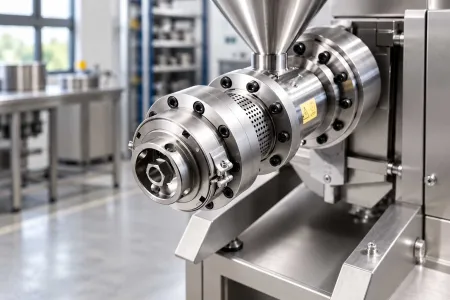
The oil press machine, also known as an oil expeller, is a device designed to extract oil from oilseed plants. This process plays a crucial role in food production, as well as in the cosmetics and pharmaceutical industries. Without oil press machines, we would not be able to enjoy all the benefits that various types of vegetable oils provide.
The Oil Extraction Process
The oil extraction process is fairly complex but extremely important. Initially, raw oilseeds are cleaned to remove any impurities and plant residues. Next, the seeds are crushed and passed through the pressing process to extract the oil. This results in a mixture of oil and fat, which must then be purified and separated to obtain clean vegetable oil.
Types of Oil Press Machines
There are several types of oil press machines, each designed for processing specific types of seeds:
Hydraulic Presses: These machines use hydraulic force to extract oil from seeds. They are relatively easy to operate and suitable for processing various types of seeds.
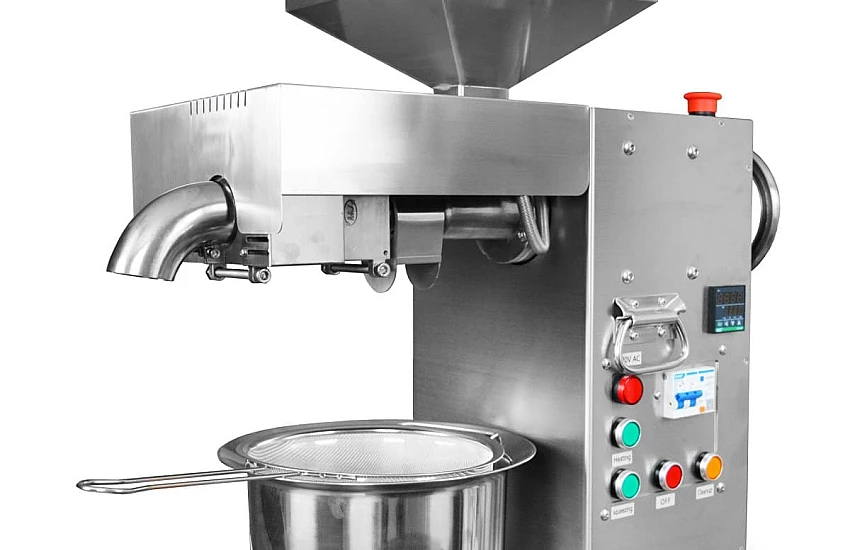
Screw Presses: Screw presses operate using a rotating screw that moves through the pressing chamber, pushing oil out of the seeds. They are effective for seeds with low oil content.
Roller Presses: These presses use rollers to crush seeds and extract oil. They are ideal for processing seeds with high oil content, such as sunflower seeds.
Uses of Vegetable Oil
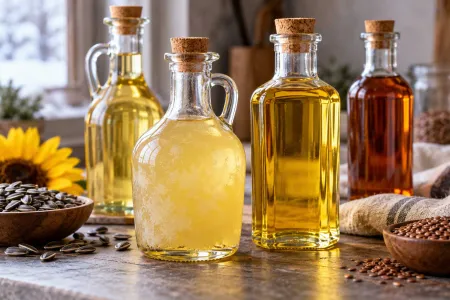
Vegetable oil has numerous applications, both in the kitchen and beyond. It is used for frying, baking, and preparing sauces and salads. Additionally, vegetable oils are utilized in the cosmetics industry for producing soaps, creams, and lotions. In natural medicine, these oils are often used as remedies due to their beneficial health properties.
The oil press machine is an essential tool in the production of vegetable oils. Its use allows us to enjoy a variety of oils that are not only flavorful but also healthy and beneficial for our bodies. Appreciating the work performed by oil press machines helps us recognize the diversity and availability of vegetable oils on our tables.
Oil Press Machine: A Case Study
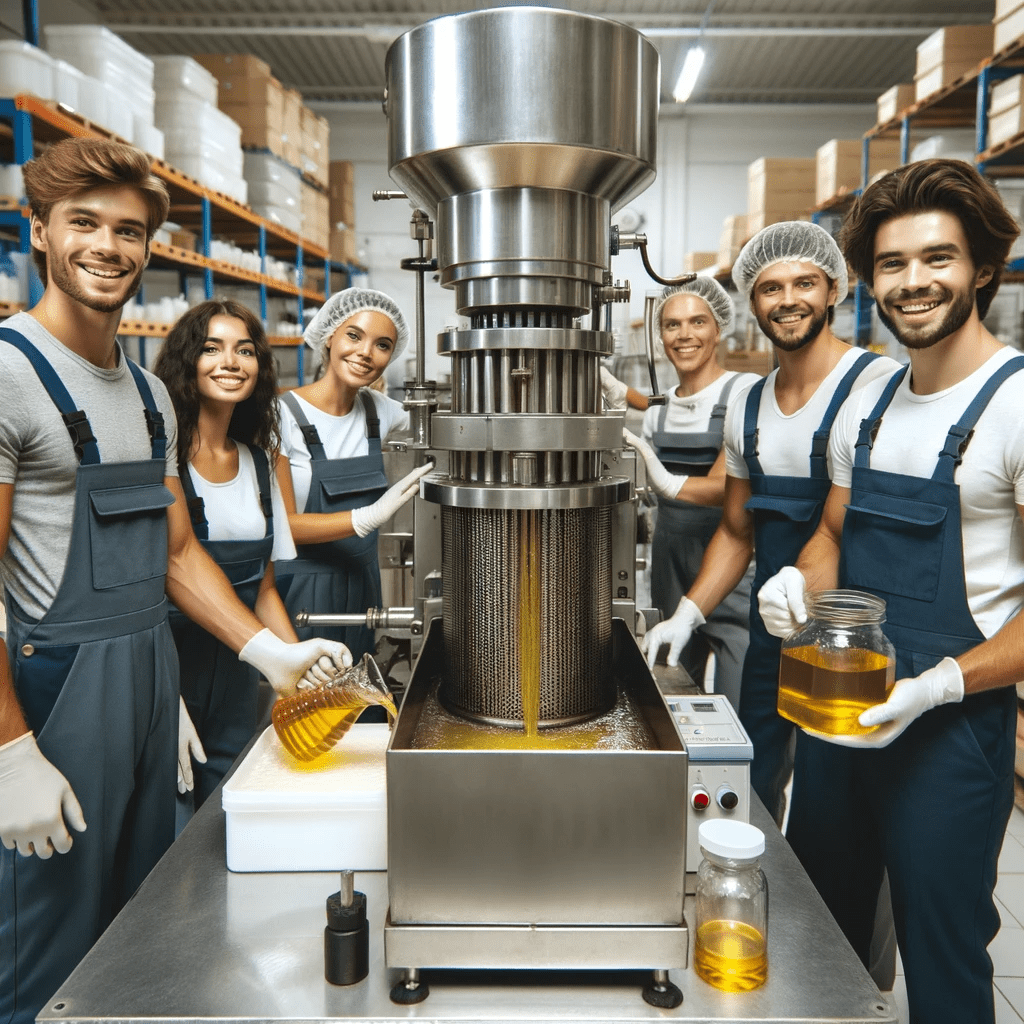
PRIMA-TECH is a renowned supplier of oil press machines, specializing in providing high-quality industrial equipment for vegetable oil processing.
In this case study, we will examine PRIMA-TECH and see how their oil press machine contributed to improving efficiency and production quality at a local oil processing plant.
The Oil Processing Plant
The Oil Processing Plant is a local enterprise specializing in the production of vegetable oils extracted from rapeseed, sunflower, and soybean seeds.
The company is known for its commitment to delivering high-quality products and maintaining environmental responsibility.
Client Challenges
Before collaborating with PRIMA-TECH, the Oil Processing Plant faced several issues:
Low pressing efficiency: Existing oil press machines were outdated and insufficiently efficient, resulting in lower production and higher operational costs.
Oil quality: The oil pressing process did not consistently produce high-quality oil, affecting the company’s reputation and customer loyalty.
Rising production costs: Old oil press machines were energy-intensive and required frequent maintenance, increasing production expenses.
PRIMA-TECH Solution
After conducting a detailed analysis of the client’s needs and the type of raw materials they processed, PRIMA-TECH recommended a modern screw press oil machine. This solution brought the following benefits:
Efficiency and productivity: PRIMA-TECH’s new oil press machine was significantly more efficient than the previous equipment. Thanks to innovative screw press technology, the oil extraction process became more effective, resulting in increased oil production.
Oil quality: The new machine provided a gentler pressing process, improving oil quality. PRIMA-TECH recommended customizing the machine according to the client’s raw materials, resulting in oil with excellent taste and properties.
Energy savings: The modern oil press machine was more energy-efficient, lowering electricity costs and reducing environmental impact.
Results and Outcomes
After implementing the new PRIMA-TECH oil press machine, the Oil Processing Plant experienced significant benefits:
- 30% increase in oil production, boosting company revenue.
- Improved oil quality, attracting new customers and retaining existing ones.
- Reduced operational costs due to the energy-efficient design, enhancing production profitability.
This case study demonstrates how PRIMA-TECH helped a local oil processing plant by providing a modern oil press machine.
Thanks to this solution, the company gained higher efficiency, better product quality, and cost savings, contributing to increased competitiveness in the market.
It is an excellent example of how innovative technologies and solutions can enhance efficiency and production quality in the vegetable oil processing industry.
Frequently Asked Questions about "Oil Press Machines"
1. What is an oil press machine?
An oil press machine is an industrial device used to extract vegetable oil from oilseed plants. The process involves mechanically separating the oil from the seeds through pressing, squeezing, or crushing the raw material.
2. What are the main types of oil press machines?
There are several main types of oil press machines, including:
- Hydraulic presses: Use hydraulic force to extract oil from seeds.
- Screw presses: Operate using a screw that moves along the pressing chamber, pushing oil out of the seeds.
- Roller presses: Use rollers to crush seeds and extract oil.
3. What is the purpose of an oil press machine?
Oil press machines are used in the food, cosmetic, and pharmaceutical industries to produce vegetable oils, which can be used in cooking, cosmetics, or medicinal products.
4. What raw materials can be processed with an oil press machine?
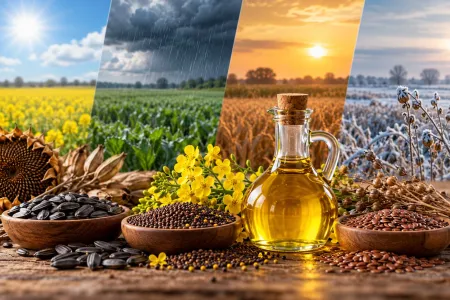
These machines can process a wide variety of oilseeds, such as rapeseed, sunflower, soybean, sesame, coconut, olives, walnuts, and more, depending on the type of machine and its configuration.
5. How does the oil pressing process work?
The oil pressing process usually involves several stages:
- Raw material preparation: Seeds are cleaned and may be roasted or dried.
- Crushing: Seeds are crushed to facilitate oil extraction.
- Pressing: Oil is separated from the seeds using the appropriate machine.
- Purification and separation: Oil is separated from residual fractions like meal or seed remnants.
- Refining (optional): Sometimes the oil is refined to remove impurities and improve its smoke point.
6. What are the benefits of using oil press machines?
Increased production efficiency
High-quality oil output
Time and labor savings
Ability to process various raw materials
Reduced production costs
7. Are oil press machines environmentally friendly?
Modern oil press machines are designed to minimize energy consumption and optimize production processes, making them relatively eco-friendly compared to older, less efficient models.
8. What are best practices for operating and maintaining oil press machines?
Key practices include regular maintenance, cleaning after each use, replacing worn or damaged parts, and following the manufacturer’s instructions.
9. What are typical uses for vegetable oil produced by oil press machines?
Vegetable oil can be used for frying (refined oil), salad preparation, food production, cosmetics, soaps, balms, and as an ingredient in various dishes and snacks.
10. Are oil press machines available in different sizes and configurations?
Yes, they come in various sizes and configurations, from small manual presses to large automated production lines, to meet the needs of different oil processing facilities.
11. What are the main advantages of using oil press machines in the food industry?
Ensures fresh, high-quality oil
Provides control over the production process
Allows customization for different seed types
Increases market competitiveness with high-quality products
12. Are oil press machines easy to operate?
They can be relatively easy to use, depending on the model and manufacturer. Proper employee training is essential for safe and effective operation.
13. What factors influence the choice of an oil press machine?
Factors include raw material type, production capacity, energy availability, budget, and facility space.
14. Do oil press machines require regular maintenance?
Yes, regular maintenance is necessary to maintain high efficiency and prevent breakdowns. Maintenance includes cleaning, lubrication, and technical inspections.
15. Are oil press machines available in automatic and semi-automatic versions?
Yes, machines are available in automatic, semi-automatic, and manual versions, depending on the manufacturer and desired level of automation.
16. Are oil press machines safe to use?
They are designed with user safety in mind, but it is important to follow safety procedures and provide employee training.
17. What are the trends and innovations in oil press machines?
Current trends include energy efficiency improvements, production automation, and more precise quality control. Innovations also include advanced monitoring and control technologies.
18. Are oil press machines available on the second-hand market?
Yes, but it’s important to check the technical condition and ensure the machine meets current safety standards.
19. Does oil production with these machines impact the environment?
Oil production can impact the environment if proper standards are not followed. Modern machines are designed to minimize environmental impact through energy savings and waste reduction.
Summary
The article “Oil Press Machines” covers key aspects of machines used in vegetable oil production.
An oil press machine is an essential tool in the vegetable oil processing industry, used to extract oil from seeds such as rapeseed, sunflower, soybean, and more. The process involves preparing raw materials, crushing seeds, pressing, purification, and optional refining.
Main types include hydraulic presses, screw presses, and roller presses. Choosing the right machine depends on the raw material and desired production output.
Benefits include increased efficiency, improved oil quality, reduced operational costs, and the ability to adapt to market demands. Modern machines are also environmentally friendly.
Machines are available in various configurations and sizes, allowing producers to customize them for their needs. Regular maintenance and cleaning are crucial for long-term performance.
Innovations focus on energy efficiency, automation, and quality control. Using oil press machines positively impacts the food, cosmetic, and pharmaceutical industries by providing high-quality vegetable oil for cooking, cosmetics, and more.