
Table of Contents
Cooking oils are an essential part of any kitchen arsenal and serve as a key ingredient in many delicious dishes. In today’s blog, we’ll share some culinary recipes where oil takes center stage. It’s time to explore flavors, aromas, and embark on new culinary adventures!
Here are some of the main uses of oils in the kitchen:
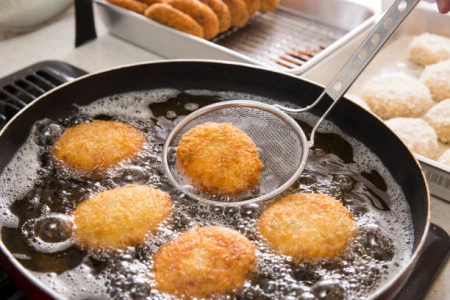
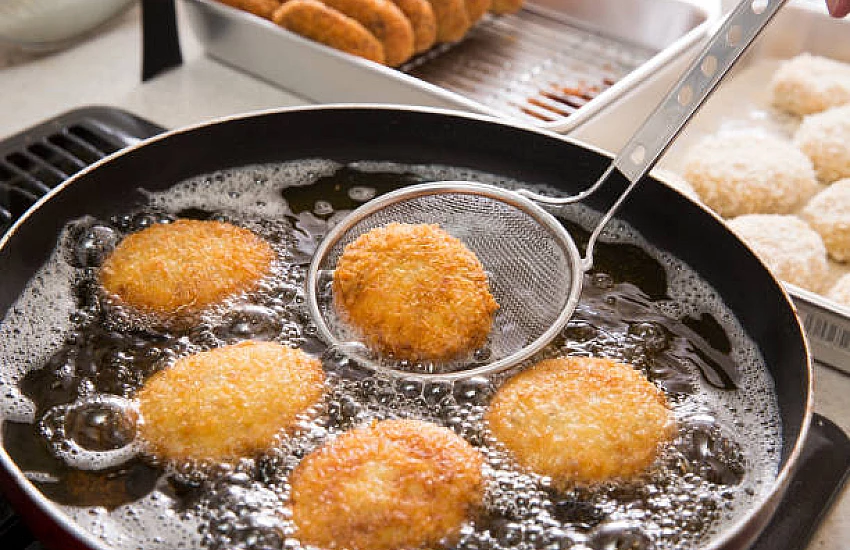
Frying: Cooking oils are commonly used for frying. Oils suitable for frying should have a high smoke point, meaning they remain stable at high temperatures without breaking down. Canola oil, sunflower oil, peanut oil, and coconut oil are great options for frying.
Baking: Oils are an important ingredient in many baking recipes, adding moisture and flavor to cakes, breads, and cookies. Canola oil, sunflower oil, olive oil, and coconut oil can be used in baked goods depending on your flavor preferences.
Marinating and Seasoning: Cooking oils are excellent carriers of flavors when preparing marinades for meat, fish, or vegetables. Olive oil, sesame oil, and flaxseed oil impart unique taste and aroma to dishes.
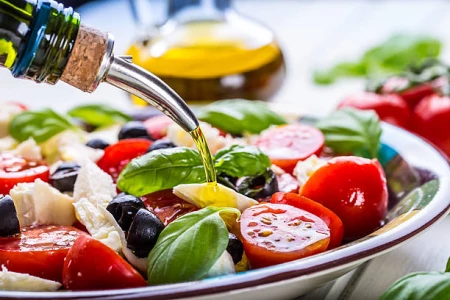
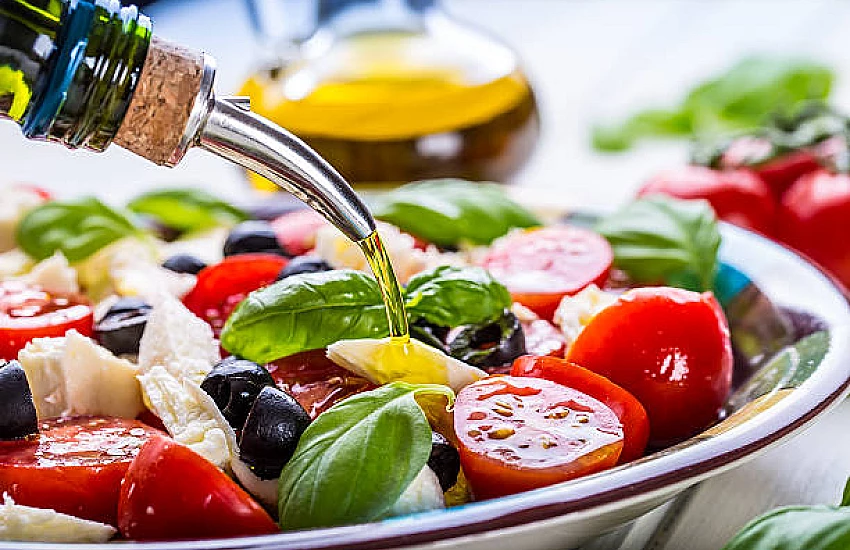
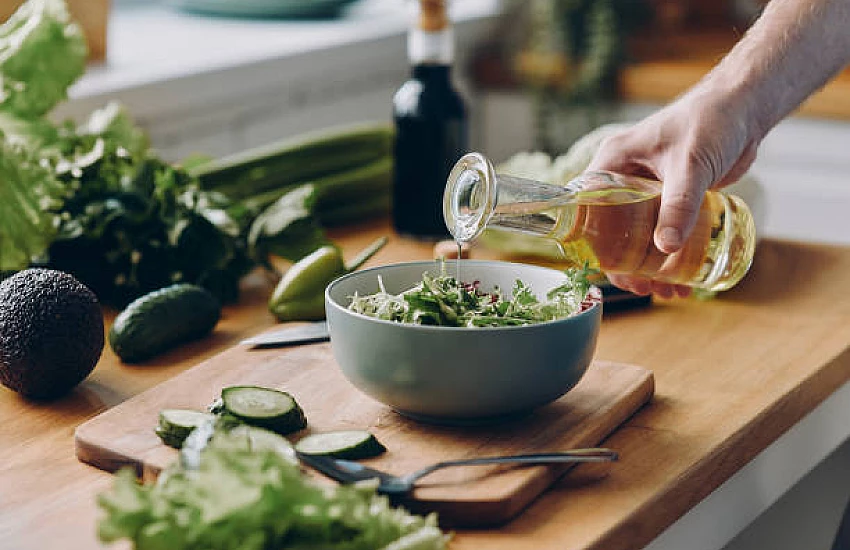
Salads: Oils form the base of many salad dressings. Olive oil, flaxseed oil, and grape seed oil are popular choices for making light and healthy salad dressings.
Steaming: Cooking oils, especially those with strong flavors like sesame oil, can be used to add aroma to steamed dishes. For example, you can drizzle steamed vegetables with sesame oil to give them a distinctive, oriental taste.
Finishing Dishes: Oils with intense flavors, such as truffle oil, can be used as a finishing touch just before serving to enhance flavors and add an exclusive aroma to the dish.
Baking Fats: Some oils, like coconut or canola oil, are used as substitutes for traditional fats in baking recipes, allowing for lighter versions of favorite cakes and dishes.
Smoke Point of Oil
When choosing an oil for a specific use, it’s important to pay attention to its smoke point.
The smoke point of oil is the temperature at which the oil begins to smoke and release fumes. This is a critical property, especially if you plan to use the oil for frying. Exceeding the smoke point can lead to the loss of nutrients, unpleasant odors, and even the formation of harmful substances.
Oils differ in their smoke points depending on their type and composition. Here are some examples of smoke points for a few popular unrefined oils:
Olive oil:
Smoke point: around 190°C
Canola oil:
Smoke point: around 130°C
Sunflower oil:
Smoke point: around 110°C
Coconut oil:
Smoke point: around 180°C
Flaxseed oil:
Smoke point: around 110°C
Sesame oil:
Smoke point: around 177–210°C
Peanut oil:
Smoke point: around 160–190°C
When frying, it is recommended to use oils with a smoke point higher than the temperature at which you are cooking. For deep-fried dishes, where temperatures can get relatively high, it is best to choose oils with higher smoke points, such as canola oil or sunflower oil. Oils with lower smoke points, like flaxseed oil, are better suited for dishes prepared at lower temperatures, such as salads or sauces.
It is always important to check and follow the recommended smoke point for a specific oil to preserve the flavor of the dish while avoiding the negative effects of exceeding that temperature.
Uses of Cold-Pressed Oils
Oils extracted using cold-press methods are often valued for their rich nutrient content and intense flavor. Here are a few example uses for cold-pressed oils, such as flaxseed oil, canola oil, or hemp oil:
.jpg)
Sample Recipes Using Cold-Pressed Oils
1. Arugula Pesto with Flaxseed Oil
Ingredients:
2 cups arugula
1/2 cup walnuts
1/2 cup grated Parmesan cheese
2 garlic cloves
Juice of 1 lemon
1/2 cup flaxseed oil
Salt and pepper to taste
Instructions:
In a blender, combine arugula, walnuts, Parmesan, garlic, and lemon juice.
Gradually add flaxseed oil while blending into a smooth paste.
Season with salt and pepper.
Serve the pesto with pasta, as a dip for vegetables, or as a sandwich spread.
2. Quinoa Salad with Cold-Pressed Canola Oil
Ingredients:
1 cup cooked quinoa
1 red bell pepper, diced
1 cucumber, diced
1/2 red onion, chopped
1/4 cup fresh dill, chopped
Juice of 1 lime
1/3 cup cold-pressed canola oil
Salt and pepper to taste
Instructions:
In a large bowl, combine cooked quinoa, bell pepper, cucumber, onion, and dill.
In a small bowl, mix lime juice, canola oil, salt, and pepper.
Pour the dressing over the salad and mix well.
Serve warm or chilled.
3. Green Vegetable Salad with Hemp Oil
Ingredients:
4 cups mixed greens (arugula, spinach, lettuce)
1 cucumber, sliced
1 avocado, diced
1 bunch radishes, sliced
1/2 red onion, thinly sliced
1/4 cup chopped walnuts (optional)
Dressing:
3 tbsp hemp oil
2 tbsp apple cider vinegar
1 tbsp honey
1 tsp Dijon mustard
Salt and pepper to taste
Instructions:
In a large bowl, combine the greens, cucumber, avocado, radishes, and onion.
In a small bowl, whisk together hemp oil, apple cider vinegar, honey, Dijon mustard, salt, and pepper.
Toss the salad with the dressing, adding walnuts if desired.
Serve immediately, warm or chilled.
Tip: Hemp oil provides a nutty flavor and valuable omega-3 and omega-6 fatty acids. Do not heat hemp oil to preserve its nutrients.
FAQ: 10 Most Common Questions About Using Oils in Cooking
1. Which oils are best for frying?
Oils with a high smoke point are ideal for frying, as they remain stable at high temperatures. Canola, sunflower, peanut, and coconut oils are good choices.
2. What is the difference between cold-pressed and refined oils?
Cold-pressed oils are extracted mechanically, preserving most nutrients and natural flavors. Refined oils undergo processing that removes some components but typically increases smoke points.
3. Which oils are best for salads?
Mild-flavored oils like extra virgin olive oil, flaxseed oil, or sesame oil enhance salads and vegetables.
4. How should oils be stored?
Store oils in dark glass or metal bottles away from heat and light. Cold-pressed oils, especially those rich in omega-3, should be refrigerated.
5. Do cold-pressed oils have health benefits?
Yes, oils like flaxseed, extra virgin olive, and canola retain more nutrients, including antioxidants and omega-3s, which provide health benefits.
6. Which oils are suitable for Asian cuisine?
Strong-flavored oils like sesame oil work well in Asian dishes—for frying, marinating, or finishing dishes.
7. Can coconut oil be used for high-heat cooking?
Yes, coconut oil has a high smoke point and is stable at high temperatures, making it suitable for frying and baking.
8. What are the health benefits of olive oil?
Olive oil is rich in monounsaturated fats, which may lower cholesterol, and antioxidants that support heart health.
9. Can flaxseed oil be used for frying?
No, flaxseed oil has a low smoke point. It’s best used in salads, dips, or sauces for omega-3 benefits.
10. Which oils can substitute butter in baking?
Neutral oils like canola, sunflower, or liquid coconut oil can replace butter. Extra virgin olive oil can also be used in some desserts for unique flavor.
Summary
Kitchen oils are not just ingredients—they are key elements that enhance flavor, aroma, and texture. Check your oil collection, choose the right oil for each recipe, and explore culinary adventures by experimenting with flavors and textures. Cook with passion and enjoy your creations!