
Table of Contents
In this article, you will learn about ways to care for your skin and hair, as well as which oils are worth trying.
Oil In Cosmetics
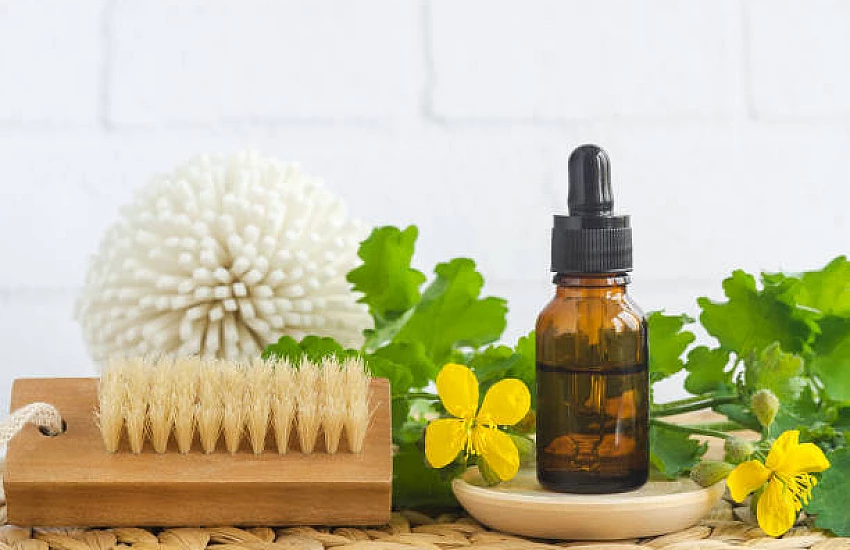
In today’s world, full of cosmetics with complex ingredients, more and more people are turning to natural solutions. One such natural treasure is plant oil, which can transform your beauty care routine.
What is oil in cosmetics?
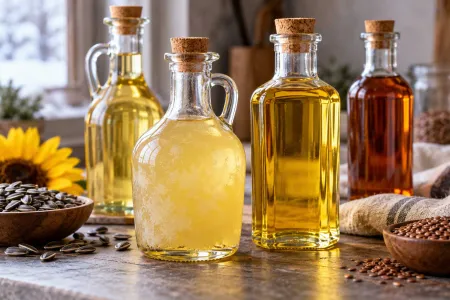
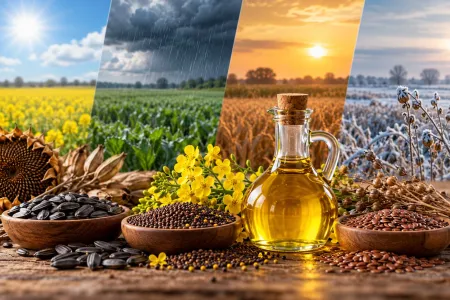
Plant oils have long been used in cosmetics for their numerous nourishing and caring properties. They are rich in fatty acids, vitamins, minerals, and antioxidants, which benefit both skin and hair. Oils can be used alone or as ingredients in products such as creams, balms, masks, and shampoos. Oils obtained from a variety of our OIL PRESSES can serve as moisturizers for skin and hair. Here are some examples of how oils are used in cosmetics:
Oils for skin
- Coconut oil: A versatile oil suitable for both skin and hair care. It moisturizes and prevents moisture loss. Ideal for dry and sensitive skin.
- Jojoba oil: Resembles liquid wax rather than typical oil. Similar to the skin’s natural sebum, it regulates its production, helping with excess shine and acne. It acts as a natural UV filter and emollient and helps with conditions like eczema and psoriasis.
- Argan oil: Rich in vitamin E and fatty acids. Perfect for mature skin, reducing wrinkles and improving elasticity.
- Pomegranate seed oil: Known for its antioxidant and anti-aging properties. Protects skin from free radicals and slows down skin aging.
- Hazelnut oil: Contains linoleic, linolenic, and palmitic acids, along with vitamin E. Prevents flaking, nourishes, and protects the skin from the sun.
Oils for hair
- Castor oil: Commonly used for hair care. Prevents hair loss, stimulates growth, and adds shine and vitality.
- Avocado oil: Deeply moisturizes dry and brittle hair. Rich in vitamins, minerals, and fatty acids, nourishing hair from roots to tips.
- Almond oil: Gentle, ideal for sensitive scalp. Moisturizes and prevents dryness. Historically used in cosmetics since ancient times. Often mixed with vitamin E or other oils to extend shelf life.
- Grapeseed oil: Lightweight with antioxidant properties. Protects hair from environmental damage.
Ways to use oils in cosmetics
- Masks and wraps: Oils can be applied as hair masks for several hours or overnight, and as face masks.
- Massage: Ideal for body massage, providing relaxation and skin hydration.
- Cosmetic additives: Often added to creams, balms, shampoos, and conditioners to enhance properties.
- Makeup removal: Oils like coconut oil gently remove makeup, even waterproof types.
- Purity matters: Use oils that are pure and chemical-free, ideally unrefined. Home cold-pressing is a great solution. A home oil press is compact and allows you to control quality and purity, avoiding chemical additives—especially important for sensitive skin. However, using an oil press requires knowledge and care to maintain hygiene and safety.
FAQ – Frequently Asked Questions
1. Which oil is suitable for my skin type?
It depends on your skin. For example, coconut oil is great for dry skin, while jojoba oil suits oily skin.
2. Can oils clog pores?
Not all oils clog pores. Non-comedogenic oils, like jojoba, are less likely to cause breakouts.
3. How should I apply oils to skin?
Oils can be applied directly or mixed with other cosmetics, on damp skin or combined with creams.
4. Can oils be used on the face?
Yes, many oils like argan or pomegranate seed oil are ideal for facial care.
5. Are oils suitable for body care?
Plant oils benefit body skin and can be used as body lotions or massage oils.
6. Can oils help with skin problems like acne?
Yes, certain oils, such as black seed oil, have antibacterial and antiviral properties helpful against acne.
7. Can oils be used for hair care?
Absolutely—castor and argan oils are used in masks, conditioners, or serums.
8. Can oils help prevent wrinkles?
Yes, oils rich in antioxidants, like pomegranate seed oil, help reduce wrinkles and slow skin aging.
9. Are there any contraindications for using oils in cosmetics?
People allergic to plant oils should avoid them. Always perform a patch test before starting a new oil routine.
10. Why use oils in cosmetics?
Plant oils are rich in nutrients like fatty acids, vitamins, and antioxidants. They nourish the skin and hair and create a protective layer, supporting healthy, glowing skin and hair.
Summary
Plant oils are natural elixirs that can transform your beauty care routine. Their moisturizing, nourishing, and regenerating properties make them ideal for those seeking natural alternatives in cosmetics. No matter your skin or hair type, there is an oil to help you achieve a healthy, radiant look. Always perform a patch test before starting a new oil-based care routine to avoid allergic reactions.