

Table of Contents
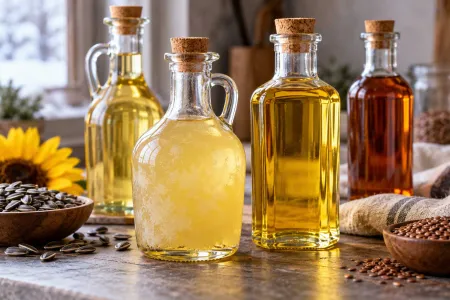
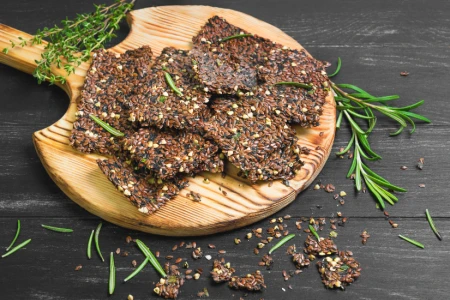
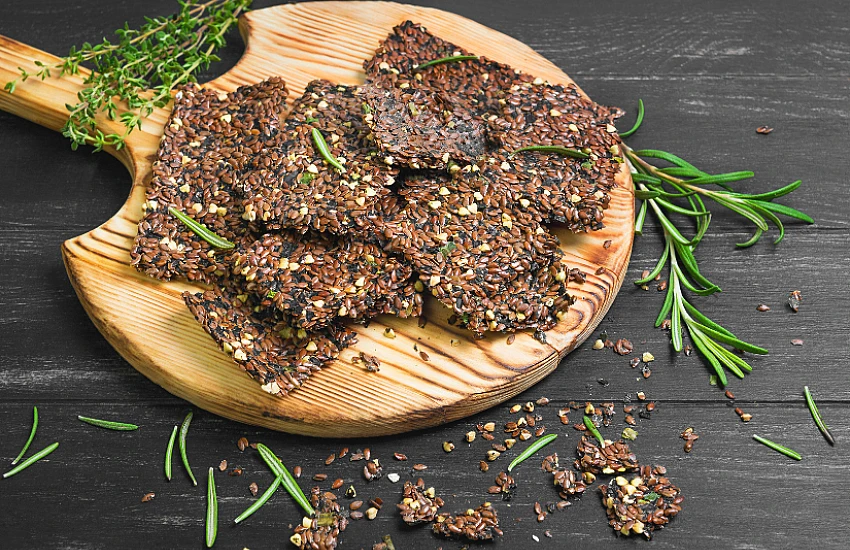
Oil cake, a by-product of pressing oil from oilseeds (such as rapeseed, flaxseed, or sunflower), is a valuable source of protein, fiber, and minerals. Although it is most commonly used in agriculture as animal feed, it is increasingly finding its way into the kitchen. Thanks to its rich nutritional value and unique texture, oil cake can enhance a variety of dishes, adding a distinctive flavor and extra health benefits. Discover how you can incorporate oil cake into your diet!
Why Use Oil Cake in Cooking?
Oil cake contain:
- High protein content – ideal for plant-based diets and athletes.
- Fiber – supports digestion and provides a feeling of fullness.
- Valuable minerals – including calcium, magnesium, zinc, and other essential micronutrients.
- Natural antioxidants – support overall health and help prevent cellular aging.
The ideal equipment for grinding oil cake is a grinder. This device is used to break down the hard residues left after pressing oil from seeds such as rapeseed, flaxseed, or sunflower. Ground oil cake can be used in a variety of ways – as an ingredient in baked goods, smoothies, or even as a base for snacks.
Recipes Using Oil Cake
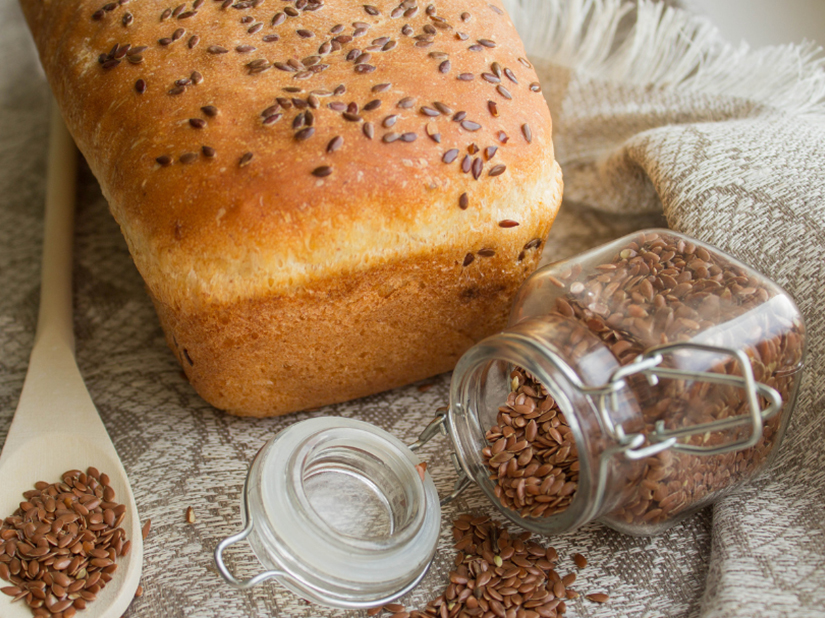
1. Bread with Flaxseed Oil Cake
Ingredients:
2 cups whole wheat flour
½ cup flaxseed oil cake
1 cup water
1 tsp salt
1 tsp sugar
20 g fresh yeast (or 7 g dry yeast)
2 tbsp olive oil
Preparation:
Dissolve yeast and sugar in warm water. Set aside for 10 minutes.
Mix flour, oil cake, and salt, then add the yeast mixture.
Add olive oil and knead the dough for about 10 minutes.
Cover with a cloth and let it rise for 1 hour.
Transfer to a baking pan and bake at 180°C (356°F) for 40 minutes.
2. Oat Cookies with Sunflower Oil Cake
Ingredients:
1 cup rolled oats
½ cup sunflower oil cake
½ cup spelt flour
2 tbsp honey
1 egg
1 tsp baking powder
¼ cup coconut oil
A handful of raisins or nuts
Preparation:
Mix all ingredients in a bowl until well combined.
Form small cookies and place them on a baking sheet lined with parchment paper.
Bake at 180°C (356°F) for 15 minutes.
Allow to cool before serving.
.jpg)
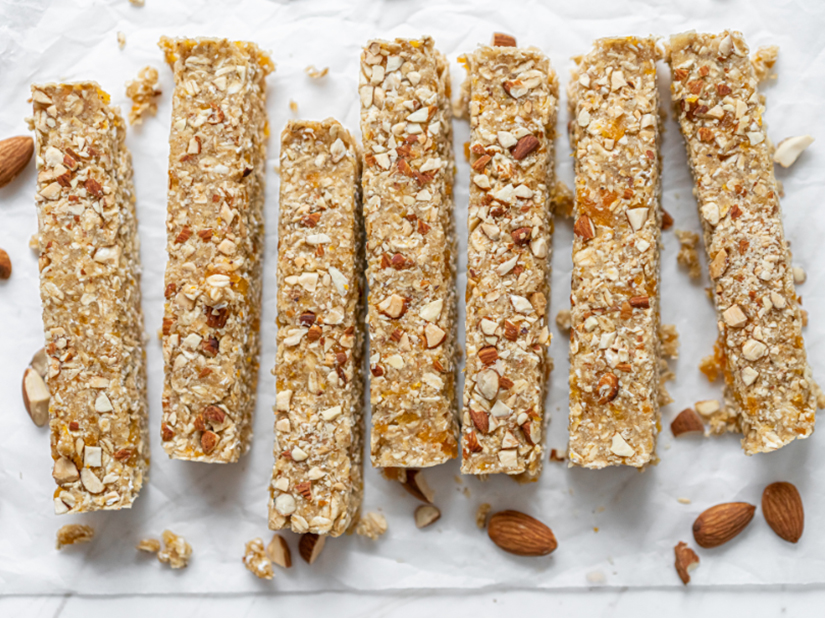
3. Energy Bars with Rapeseed Oil Cake
Ingredients:
1 cup rapeseed oil cake
½ cup dates, soaked in water
½ cup almonds
2 tbsp peanut butter
2 tbsp cocoa powder
1 tsp cinnamon
2 tbsp honey or maple syrup
Preparation:
Blend all ingredients until smooth.
Transfer the mixture to a baking pan lined with parchment paper.
Refrigerate for at least 2 hours.
Cut into rectangular bars and enjoy.
4. Protein Smoothie with Flaxseed Oil Cake
Ingredients:
1 banana
1 cup plant-based milk (e.g., almond milk)
2 tbsp flaxseed oil cake
1 tsp honey
1 tsp cocoa powder
Preparation:
Blend all ingredients until smooth.
Serve chilled and enjoy.
.jpg)
FAQ – 10 Most Frequently Asked Questions About Using Oil Cake in Cooking
1. What is oil cake, and can it be eaten?
Oil cake is a by-product of pressing oil from oilseeds such as rapeseed, flaxseed, or sunflower. It is rich in protein, fiber, and minerals, so it can be consumed in appropriate amounts and after proper preparation.
2. What are the health benefits of oil cake?
Oil cake contains a high amount of plant-based protein, fiber that supports digestion, and valuable minerals such as calcium, magnesium, and zinc. It can help boost metabolism and provide energy.
3. Which types of oil cake are suitable for consumption?
The most commonly used in cooking are flaxseed, sunflower, and coconut oil cakes. Rapeseed or soybean oil cake can also be used, but in smaller amounts due to their specific taste and the presence of anti-nutritional compounds.
4. How can oil cake be used in cooking?
Oil cake can be added to baked goods (bread, cookies), smoothies, energy bars, granola, or used as a thickener in soups and sauces. It can also replace a portion of flour in recipes.
5. Can oil cake be used as a flour substitute?
Yes, but in limited amounts. Oil cake has less starch and different properties than flour, so it’s best to mix it with traditional flour (up to 20–30% in baked goods).
6. What does oil cake taste like?
Flaxseed oil cake has a mild nutty flavor, sunflower – slightly sweet, and coconut – exotic and aromatic. Rapeseed oil cake may have a slightly bitter taste.
7. Can oil cake be eaten raw?
Yes, in small amounts. It can be added to smoothies, yogurt, or muesli. However, heat processing (baking, cooking) often improves its taste and digestibility.
8. Is oil cake suitable for vegans and high-protein diets?
Yes! It is an excellent source of plant protein and fiber, making it a great choice for vegans, vegetarians, and athletes.
9. How should oil cake be stored to maintain freshness?
Oil cake should be kept in an airtight container, in a cool, dry place, ideally in the refrigerator, to prevent the residual oil from becoming rancid.
10. Can oil cake cause allergies?
It may, particularly in people allergic to oilseeds (e.g., sesame, sunflower). People with food allergies should test small amounts before consuming larger quantities.
Summary
Oil cake is an underrated but highly valuable ingredient that can enrich your diet with protein, fiber, and minerals. It can be used in baked goods, snacks, and even smoothies. Not only does it enhance the flavor of dishes, but it also boosts their nutritional value. If you’re looking for new, healthy ways to diversify your cooking, try incorporating oil cake into your recipes!