
Table of Contents
- In the Era of Growing Awareness: How Cake Meal Is Gaining Popularity in Equine Nutrition
- What Is Cake Meal and Why Should Horse Breeders Pay Attention?
- Basics of Horse Nutrition – Where Does Oil Cake Meal Fit In?
- Nutritional Composition of Oil Cake – A Treasure Trove of Valuable Nutrients
- Benefits of Introducing Cake Meal into a Horse’s Diet
- Types of Cake Used in Horse Feeding
- Proper Use of Oil Cake in Horse Feeding
- Homemade Cake Production – An Investment in Quality
- Screw Oil Press – A Professional Solution for Breeders
- Benefits of Producing Your Own Cake
- Cake Production Process in a Screw Press
- Safety and Contraindications
- Proper Storage of Cake
- Cake in Feeding Different Groups of Horses
- Economic Aspects of Using Cake in Horse Feeding
- Trends and the Future of Cake in Horse Feeding
- Frequently Asked Questions (FAQ)
- Summary
Contemporary horse farms are increasingly turning to traditional, natural feed ingredients that have proven their value over the years in livestock nutrition. One such product is cake meal for horses – a valuable feed supplement that can significantly enhance the condition, health, and performance of our four-legged companions.
In the Era of Growing Awareness: How Cake Meal Is Gaining Popularity in Equine Nutrition
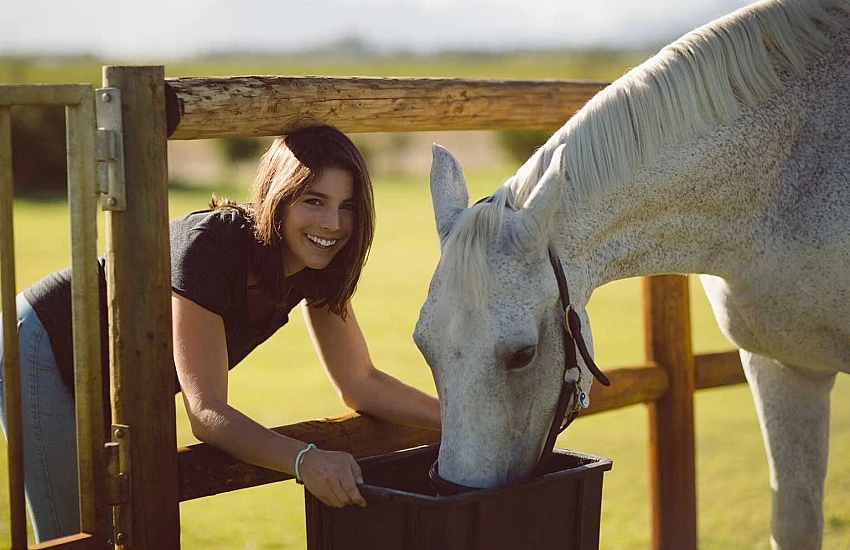
In an age when horse owners are increasingly conscious of feed quality and seek natural alternatives to industrial feed, cake meal is gaining popularity as an economical and effective way to enrich the equine diet. But do we really know how to properly use this valuable by-product of oil pressing?
What Is Cake Meal and Why Should Horse Breeders Pay Attention?
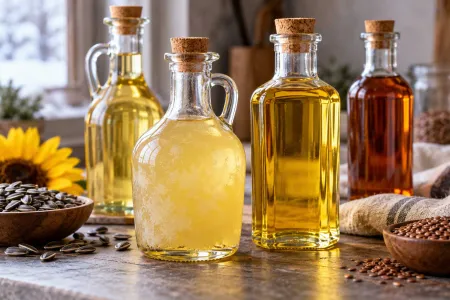
Cake meal is a by-product obtained during the pressing of oil from various oilseeds. This age-old process involves mechanically extracting the oil, leaving behind a concentrated residue rich in protein, fiber, and other valuable nutrients.
Unlike solvent-extracted meals produced through chemical processes using solvents, cake meal is entirely natural, obtained solely through mechanical methods. This characteristic makes it particularly attractive to breeders who prefer natural feeding methods.
Basics of Horse Nutrition – Where Does Oil Cake Meal Fit In?
To fully understand the role of cake meal in a horse’s diet, it is important to recall the basic principles of equine nutrition. Horses are herbivores adapted to consuming large amounts of fibrous, low-energy forage. In natural conditions, they spend 16–20 hours a day grazing, taking small portions of food continuously throughout the day.
The foundation of every horse’s diet is roughage – hay, haylage, straw, or pasture grass – which should constitute 60–80% of the total daily ration. These feeds provide essential fiber, crucial for proper digestive function.
Concentrates (oats, barley, corn, bran) supplement the diet, providing additional energy and nutrients. They make up 20–40% of the ration for working horses, while recreational horses often do well on forage alone if the hay quality is sufficient.
Oil Cake meal fits into the category of concentrates as a high-protein supplement, typically comprising 5–15% of the total daily ration. In practice, this means that for an average horse weighing 500 kg and consuming about 10–12 kg of dry matter daily, cake meal should constitute 0.5–1.5 kg per day. This amount effectively supplements protein deficiencies in the diet without disrupting the natural nutritional balance.
Nutritional Composition of Oil Cake – A Treasure Trove of Valuable Nutrients
The nutritional value of cake meal depends on the type of seeds from which it is produced, but general characteristics remain similar:
- Protein – Cake meal contains 25–45% protein depending on the raw material. It is high-quality protein, containing all essential amino acids necessary for proper growth and bodily function.
- Fat – Despite the pressing process, cake meal retains 8–15% fat, providing an additional source of energy and essential fatty acids vital for healthy skin, coat, and nervous system function.
- Fiber – The fiber content supports proper digestion, which is key for horses whose digestive systems are adapted to process large amounts of fiber.
- Vitamins and minerals – Cake meal provides B vitamins, vitamin E, and minerals such as phosphorus, magnesium, potassium, and zinc.
This natural, nutrient-rich by-product offers a valuable tool for breeders aiming to improve the overall health, condition, and performance of their horses.
Benefits of Introducing Cake Meal into a Horse’s Diet
Strengthening the Digestive System
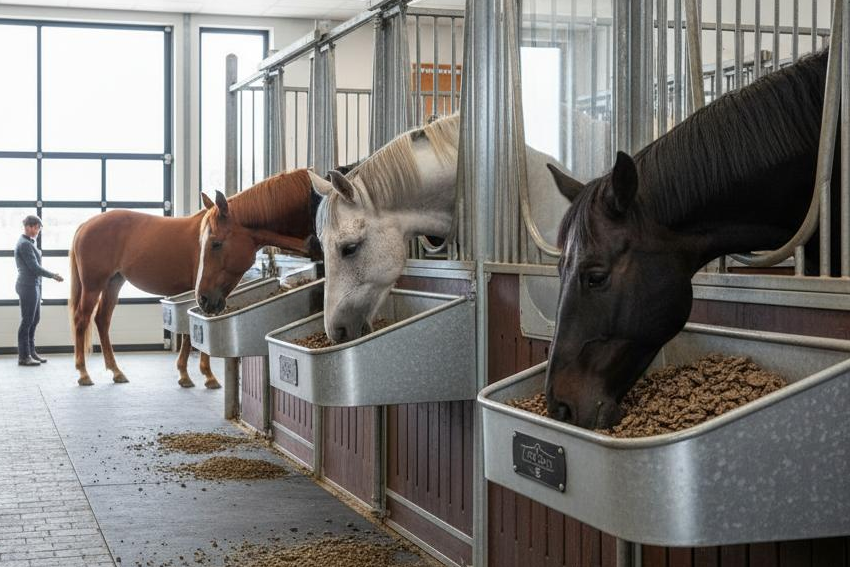
Regular supplementation of horses with cake meal brings measurable benefits to their digestive system. Its high dietary fiber content supports natural fermentation processes in the large intestine, contributing to a healthy gut microbiota. A balanced microbiota not only improves digestion but also strengthens immunity and enhances the synthesis of certain vitamins.
Research conducted by the University of Kentucky showed that horses receiving cake meal in their diet exhibited better digestibility of their basic feed and a lower incidence of gastrointestinal issues compared to the control group.
Improving Condition and Appearance
The high-quality protein in cake meal is an excellent building block for muscle tissue. Sport horses, young growing horses, and pregnant or lactating mares particularly benefit from this additional source of amino acids.
Moreover, the fatty acids and vitamin E present in cake meal positively affect skin and coat health. Owners who regularly feed cake meal often observe:
- Increased coat shine
- Improved skin elasticity
- Faster healing of minor cuts and abrasions
- Stronger and healthier hooves
Economical Alternative to Commercial Supplements
In times of rising horse maintenance costs, cake meal represents an attractive and cost-effective alternative to expensive industrial feed mixes. Its price is significantly lower than ready-made concentrates while still providing equally valuable nutrients.
For larger-scale breeding operations, the cost difference can be substantial. For example, the monthly cost of feeding a horse with cake meal is approximately 13–17 EUR, whereas equivalent quantities of commercial supplements can cost 44–66 EUR.
Types of Cake Used in Horse Feeding
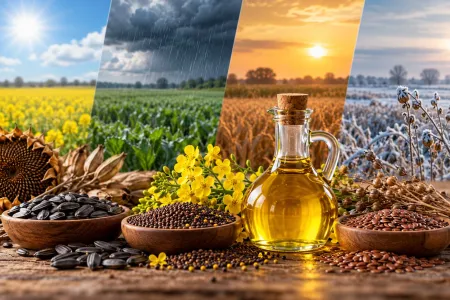
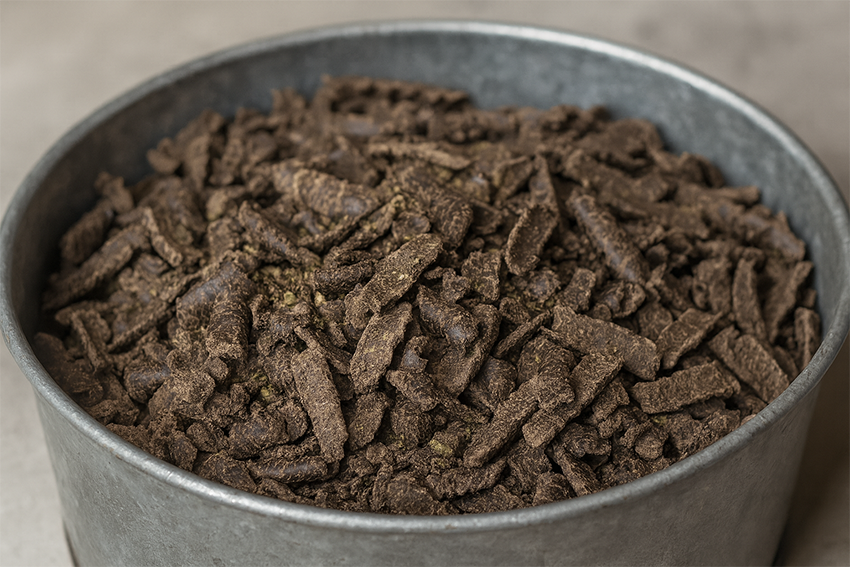
Sunflower Cake – The King of Horse Cake Meals
Sunflower cake is considered one of the best for horses due to its optimal nutrient composition. It contains approximately 28–35% protein and 10–12% fat, making it an ideal supplement for working horses and young growing animals.
It has a pleasant, slightly nutty taste that even the pickiest horses enjoy. Additionally, sunflower cake has a favorable calcium-to-phosphorus ratio, supporting proper bone development.
Recommended dosage: 0.5–1.5 kg per day for an adult horse, depending on body weight and activity level.
Flaxseed Cake – Rich in Omega-3
Flaxseed cake stands out for its exceptionally high omega-3 fatty acid content, essential for proper nervous, cardiovascular, and immune system function. These valuable compounds are not synthesized by the horse’s body and must be supplied through the diet.
Flaxseed cake also has anti-inflammatory properties, which can be particularly beneficial for older horses or those with joint issues. Regular feeding may help reduce inflammation in the body.
Dosage: Due to its high fat content, flaxseed cake should be fed in smaller amounts – 0.3–0.8 kg per day.
Rapeseed Cake – A Source of Valuable Protein
Rapeseed cake has a very high protein content – up to 38–42%. This is high-quality protein containing a complete set of essential amino acids, making it especially valuable for sport horses with increased protein requirements.
However, rapeseed cake has a slightly less appealing taste than sunflower cake, so it should be introduced gradually, allowing horses to adapt to the new flavor.
Dosage: 0.4–1.0 kg per day, preferably mixed with other feeds.
Soybean Cake – A Complete Amino Acid Source
Soybean cake contains the most complete amino acid profile of all plant-based cakes. It is particularly rich in lysine and methionine – amino acids often deficient in horse diets. This makes it ideal for young horses, broodmares, lactating mares, and recreational horses.
Soybean cake has a neutral taste and is generally well accepted by horses. Its high digestibility ensures nutrients are efficiently utilized by the body.
Proper Use of Oil Cake in Horse Feeding
Introducing Oil Cake – The Principle of Gradualness
Any dietary change should be made gradually, and introducing cake meal is no exception. Sudden dietary changes may cause digestive issues such as colic or diarrhea.
Introduction schedule:
- Days 1–3: 100–150 g per day, divided into 2–3 portions
- Days 4–7: 200–300 g per day
- Days 8–14: 400–600 g per day
- From Day 15: Target dose according to the horse’s needs
Observe the horse’s reaction during introduction – appetite, behavior, and manure consistency. Any concerning signs should prompt slowing the introduction rate or consulting a veterinarian.
Methods of Administering and Preparing Cake Meal
Cake meal can be given in several ways depending on the horse’s preference and available options:
- Dry cake meal – simplest method, mixed with other feeds. Some horses, especially older ones with dental issues, may have difficulty eating dry cake.
- Soaked cake meal – soaking in warm (not hot) water for 15–30 minutes makes it more digestible and palatable. Recommended for older horses or in winter.
- Steamed cake meal – for horses with sensitive digestion, pour boiling water over the cake and leave covered for 1–2 hours. This makes it easier to digest.
Combining Cake Meal with Other Feeds
Cake meal pairs well with traditional horse feeds. Proven combinations include:
- Cake meal + oats – a classic mix where cake provides protein and oats provide energy from carbohydrates. A 1:2 ratio (cake: oats) works for most horses.
- Cake meal + bran – excellent for horses with digestive issues. Bran adds fiber, supporting gut function.
- Cake meal + chopped forage – ideal for older horses or fast eaters. Chopped forage slows eating and encourages thorough chewing.
Homemade Cake Production – An Investment in Quality
For breeders who value the highest quality feed and want full control over the production process, investing in an oil press is an excellent solution. This allows the production of fresh cake from carefully selected seeds, ensuring their origin and quality.
Screw Oil Press – A Professional Solution for Breeders
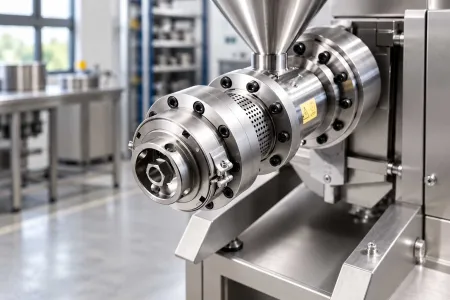
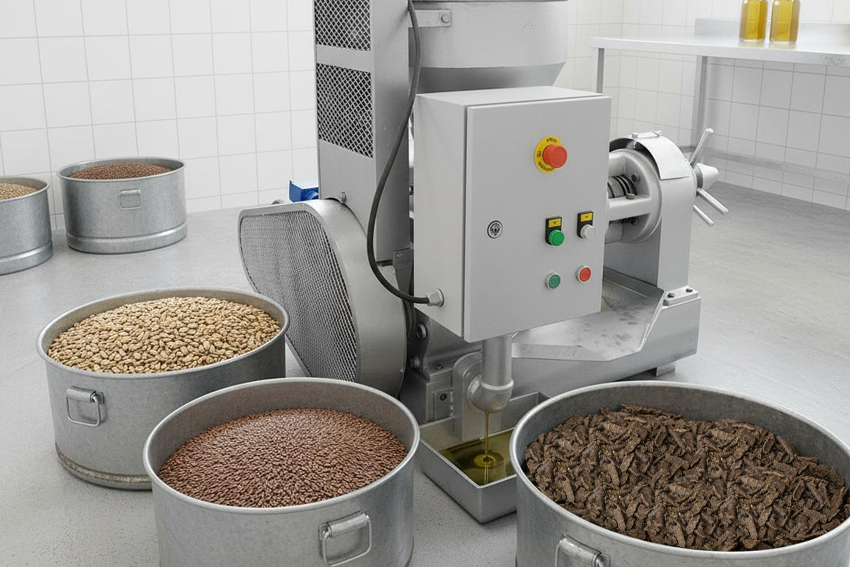
Particularly recommended is the 3t/24h screw oil press available at pureoilpress.com. This professional device enables efficient production of high-quality oil and cake from sunflower, flax, and rapeseed seeds in a home setting or small-scale facilities.
Advantages of this press:
- High efficiency – 3 tons of processed material in 24 hours
- Screw technology – ensures optimal oil extraction while preserving the nutritional value of the cake
- Versatility – capable of pressing various types of oil seeds
- Durability – robust construction ensures years of trouble-free operation
- Cost-effectiveness – rapid return on investment with regular use
Benefits of Producing Your Own Cake
Producing cake in-house offers several advantages:
- Quality control – full oversight of the raw material, from seed selection to finished product. The ability to choose the highest quality seeds, often directly from producers.
- Freshness – cake used immediately after production retains maximum nutritional value, avoiding degradation during storage or transport.
- Economic efficiency – for larger breeding operations, the cost of self-production is significantly lower than buying ready-made cake. Additionally, valuable oil is obtained, which can be sold or used on the farm.
Customization – the ability to produce cakes from different seeds depending on animal needs and seasonality.
Cake Production Process in a Screw Press
Producing cake in a screw press is relatively straightforward but requires adherence to certain principles:
- Raw material preparation – seeds should be clean, dry, and of high quality. Moisture should not exceed 8–10%.
- Press warming – heat the device to the appropriate temperature (usually 50–80°C depending on the seed type).
- Pressing process – seeds are fed into the press, where the screw moves and compresses them. Oil flows out through rings, and the cake is expelled at the end of the device.
- Process monitoring – temperature and feed rate should be monitored to ensure optimal efficiency.
- Cooling and storage – fresh cake should be cooled before storage and kept in a dry, ventilated area.
Safety and Contraindications
When Not to Feed Cake
Despite its benefits, cake is not suitable for all horses in every situation. There are cases where feeding it may be inadvisable or require special caution:
- Overweight horses – due to its high energy content, cake may contribute to further weight gain in horses with obesity issues.
- Horses with liver problems – high protein content can strain the liver; veterinary consultation is recommended.
- Horses with food allergies – some horses may be sensitive to certain types of cake, particularly rapeseed or soybean.
- Young foals – horses under 6 months should not receive cake, as their digestive system is not yet fully adapted to processing this type of feed.
Signs of Overfeeding and Adverse Reactions
Overfeeding cake may lead to:
- Digestive issues (diarrhea, colic)
- Excessive weight gain
- Skin problems (rash, itching)
- Electrolyte imbalances
If any of these symptoms occur, stop feeding the cake immediately and consult a veterinarian.
Proper Storage of Cake
Like other feeds, cake requires proper storage conditions:
- Moisture – maximum moisture should not exceed 12%. Higher moisture encourages mold and bacterial growth.
- Temperature – store at room temperature, avoiding areas with extreme fluctuations.
- Ventilation – the storage area should be well-ventilated but protected from drafts.
- Packaging – store in sealed bags or containers to protect from rodents and insects.
- Storage time – fresh cake should be used within 3–6 months of production. Older cake loses nutritional value and may spoil.
Cake in Feeding Different Groups of Horses
Sport and Racing Horses
Horses used in equestrian sports have increased requirements for high-quality protein and energy. Cake perfectly supplements these needs, providing amino acids essential for muscle recovery after intense exercise.
For sport horses, sunflower or soybean cake is particularly recommended, fed at 1–2 kg per day depending on training intensity. It is advisable to combine cake with easily digestible carbohydrate sources, such as oats or molasses.
Pregnant and Lactating Mares
During pregnancy and lactation, mares’ protein requirements increase by 50–70%. Cake is an excellent source of high-quality amino acids essential for fetal development and milk production.
Pregnant mares are recommended to receive 1–1.5 kg of cake per day from the 9th month of gestation. Lactating mares may receive up to 2 kg daily, depending on milk production.
Young Horses
Young horses during periods of rapid growth (6 months – 3 years) have particularly high protein and energy requirements. Cake provides not only essential amino acids but also minerals important for skeletal development.
Young horses can receive 0.8–1.5 kg of cake per day, gradually increasing the dose as they age and develop.
Older Horses
Older horses (over 15 years) often have difficulty digesting traditional feeds. Cake, especially soaked or steamed, is easier to digest and helps maintain proper body condition.
For older horses, sunflower cake is recommended at 0.5–1 kg per day, preferably soaked or steamed.
Economic Aspects of Using Cake in Horse Feeding
Introducing cake into horse diets can bring significant savings to a breeding operation’s budget. Cake is a protein-and-fat supplement, not a complete concentrated feed, so the required doses are much lower than for traditional mixtures. In practice, a horse weighing around 500 kg usually receives 0.5–1.0 kg of cake per day, with higher amounts for horses in intensive training.
Current Prices (2025) – Small Packs vs. Bags
Flax cake – small packs: approx. €2.20/kg (1 kg) or €1.45–1.55/kg (5 kg); large bags: 20 kg for approx. €18 (≈€0.91/kg) or 25 kg for €20–24 (≈€0.72–0.96/kg).
Sunflower cake – small packs: €2.20–3.10/kg; large 25 kg bags: €20–29 (≈€0.72–1.15/kg).
Rapeseed cake – small packs: €5.80–8.90 for 5 kg (≈€1.16–1.78/kg); large 20 kg bags: approx. €13.80 (≈€0.97/kg).
Supplementation Costs for a Herd of 10 Horses
At a dose of 0.5 kg per horse per day, annual consumption for a herd of 10 horses is approx. 1825 kg of cake. This translates to:
- Flax cake (25 kg bags): approx. €1,467–1,778 per year
- Sunflower cake (25 kg bags): approx. €1,467–2,111 per year
- Rapeseed cake (20 kg bags): approx. €1,267 per year
At a dose of 1.0 kg per day, annual consumption rises to 3650 kg for 10 horses, with costs:
- Flax: €2,933–3,556 per year
- Sunflower: €2,933–4,222 per year
- Rapeseed: €2,533 per year
Homemade Production
When producing cake in-house, the cost can be assumed at €0.44–0.55/kg. This means:
- At 0.5 kg/day: approx. €811–1,022 per year
- At 1.0 kg/day: approx. €1,622–2,044 per year
Cost-Benefit Analysis
In practice, the most relevant comparison is between flax and sunflower cake purchased in 25 kg bags, as these are the most commonly used in horse feeding. For a herd of 10 horses at 0.5 kg/day, in-house production saves approx. €444–1,000 per year; at 1 kg/day, savings can reach €889–1,778 per year. For the cheapest rapeseed cake, savings are smaller, usually around €222–444, so it is not considered a standard option in calculations. Considering the additional value of the pressed oil, investing in an oil press typically pays off within 2–3 years, and even faster for more expensive cake types.
Impact on Health and Reduction of Veterinary Costs
Regular use of cake can contribute to overall improved horse health, leading to lower veterinary expenses. Better condition, stronger immunity, and a healthier digestive system reduce the risk of disease and health problems.
Breeders who regularly use cake report:
- A 30–40% reduction in colic cases
- Improved coat and skin condition
- Fewer respiratory infections
- Better reproductive performance
Trends and the Future of Cake in Horse Feeding
Growing Popularity of Natural Feeding
Modern horse owners are increasingly conscious about their animals’ nutrition. The trend toward natural, minimally processed feeds is gaining strength, and cake fits perfectly within this philosophy.
Market research shows that over the past five years, sales of cake as horse feed have increased by more than 150%, reflecting growing trust among breeders in this traditional feed ingredient.
Innovations in Production and Processing
Technological advancements are making cake production more efficient and environmentally friendly. Modern presses, such as the previously mentioned screw press, allow for maximum utilization of raw materials with minimal energy consumption.
Research on New Sources of Cake
Scientists are exploring the use of new oilseed plant species for cake production. Investigated alternatives include:
- Industrial hemp seeds
- Grape seeds
- Walnuts
- Watermelon seeds
These alternative sources may, in the future, offer even better nutrient profiles tailored to the specific needs of horses.
If you want, I can combine this section with all your previous translated horse cake content into one cohesive English guide, fully formatted and ready for use. Do you want me to do that?
Frequently Asked Questions (FAQ)
Can cake completely replace commercial horse feeds?
Cake is an excellent supplement to a horse’s diet but should not be the sole source of nutrition. Horses require a balanced diet that includes hay, concentrated feed, minerals, and vitamins. Cake can constitute 10–20% of the total feed ration, depending on the horse’s age, activity level, and health status. High-quality hay or pasture should always be available as the foundation of the diet.
How long can cake be safely stored?
Fresh cake with a moisture content below 12% can be safely stored for 3–6 months under proper conditions. Key factors include storing it in a dry, cool, and well-ventilated area in airtight containers to protect against rodents. After this period, the cake begins to lose nutritional value, and the risk of spoilage increases. Always check the smell and appearance before feeding – it should have no moldy odor or visible signs of deterioration.
Can all horses receive the same amount of cake?
No, cake dosage must be tailored to the individual needs of each horse. Factors such as age, body weight, activity level, health status, and reproductive condition (pregnancy, lactation) influence requirements. Young horses and lactating mares need more protein, while older or overweight horses require smaller amounts. Always start with small quantities and gradually increase while observing the horse’s response.
What are the signs that a horse is receiving too much cake?
Overfeeding cake can cause digestive issues such as loose stools, colic, or excessive gas. Other symptoms may include rapid weight gain (especially in low-activity horses), skin problems such as rashes or itching, and in some cases, hyperactivity due to excess energy. If any of these signs appear, reduce or temporarily stop feeding cake and consult a veterinarian.
Is it worth investing in a press to produce your own cake?
Investing in a cake press is worthwhile for stables with at least 8–10 horses or if you plan to sell surplus cake. Benefits include full quality control, freshness, cost savings (up to 40–50% for larger quantities), and additional income from oil sales. A 3t/24h screw press usually pays off within 12–18 months of regular use. However, operating costs, energy consumption, and space must be considered.
Which season is best for introducing cake into a horse’s diet?
Cake can be introduced at any time of the year, but autumn and winter are especially suitable. During colder months, horses require more energy for thermoregulation, and cake provides both protein and fats as energy sources. Additionally, hay quality often declines in winter, so cake helps supplement nutrient deficiencies. In summer, careful dosing is advised due to the risk of overheating from extra energy.
Summary
Using cake in horse feeding combines tradition with modern practices, offering breeders an economical way to improve their animals’ nutrition. Regular use can provide measurable benefits such as improved condition, better coat and skin quality, and enhanced digestive health.
The key to success is proper usage – gradual introduction, appropriate dosing tailored to each horse’s needs, and choosing a high-quality product. For breeders seeking maximum control over quality and cost-effectiveness, investing in a professional oil press can be a worthwhile long-term decision.
Always remember that any dietary change should be implemented carefully and ideally under the supervision of an experienced equine nutritionist or veterinarian. Cake is a powerful tool in the hands of a knowledgeable breeder, and when used correctly, it can significantly contribute to the health and well-being of horses.
In an era of growing nutritional awareness and the search for natural alternatives to commercial feeds, cake remains a proven, traditional solution that works well in modern breeding operations. Its versatility, availability, and demonstrated effectiveness make it a valuable addition to the arsenal of any responsible horse breeder.