
Table of Contents
- What Makes Niche Oils Stand Out
- Why You Won't Find Them in Regular Stores
- From Black Cumin to Apricot Kernels – A Review of the Most Valuable Oils
- Health Properties and Culinary Values of Niche Oils
- Challenges in Producing Oils from Difficult Raw Materials
- Home Production Versus Semi-Industrial
- How to Choose a Press for Niche Oil Production
- Seasonality and Raw Material Availability
- Market and Development Prospects
- FAQ
- Summary
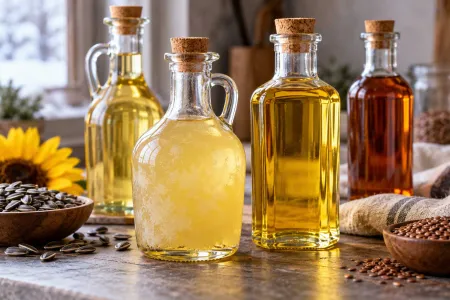
Standing in front of the oil shelf in a typical supermarket, we usually see the same limited selection: rapeseed oil, sunflower oil, perhaps olive oil. Meanwhile, the world of plant oils is incomparably richer. There are dozens of oil types with exceptional health properties, unique flavors, and applications that are difficult to find on store shelves. These niche oils, pressed from seeds and kernels that remain unknown to most consumers, represent a true treasure trove of nutrients and culinary possibilities.
What exactly are niche oils and why does large-scale retail ignore them? The answer lies in the specifics of their production, short shelf life, and limited raw material availability. Oil from black cumin, camelina, apricot kernels, passion fruit, or evening primrose are products that require fresh pressing, proper storage, and quick consumption. They are not suitable for months of sitting on shelves in artificially lit retail halls. Their production, especially cold-pressed, requires precise equipment and proper knowledge about the properties of individual raw materials.
What Makes Niche Oils Stand Out
Exceptional Concentration of Biologically Active Compounds
Niche oils are primarily products with an exceptional concentration of biologically active compounds. While popular edible oils are mainly carriers of energy and basic fatty acids, niche oils function almost like natural dietary supplements. They contain not only unique profiles of omega-3, omega-6, and omega-9 fatty acids, but also phytosterols, tocopherols, carotenoids, and phenolic compounds in amounts significantly exceeding those found in common oils.
Diversity of Applications and Properties
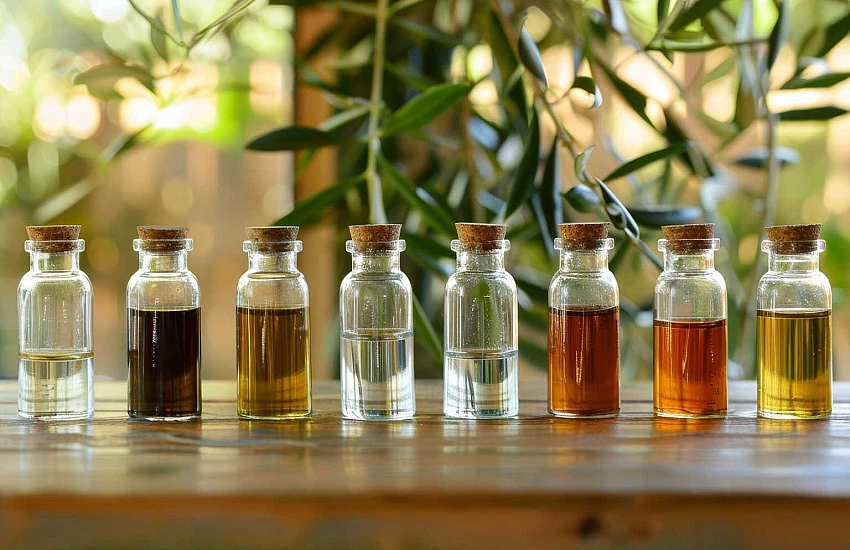
The diversity of niche oils is impressive. Black cumin provides thymoquinone, a substance with documented anti-inflammatory and immunomodulating effects. Camelina, related to flax but producing much smaller seeds, offers oil with an intense nutty flavor and high alpha-linolenic acid content. Apricot kernels contain not only vitamin E-rich oil but also a characteristic almond aroma that gives dishes a completely new flavor dimension.
Not all niche oils are intended exclusively for direct consumption. Some, like evening primrose or raspberry seed oil, find their main application in cosmetics and dermatology due to their regenerative and anti-aging properties. Others, like grape seed or passion fruit oil, work well both in the kitchen and in skin care, exemplifying the versatility of natural plant products.
Why You Won't Find Them in Regular Stores
Shelf Life and Storage Issues
The reasons for the absence of niche oils in standard retail offerings are complex and mutually reinforcing. First and foremost is the issue of durability. Cold-pressed oils, especially those rich in polyunsaturated fatty acids, oxidize relatively quickly. While refined sunflower oil can sit at room temperature for a year without significant quality loss, fresh camelina or black cumin oil begins to turn rancid after just a few months and loses its health properties.
Logistics and Distribution Requirements
Large-scale retail logistics relies on long expiration dates, central distribution, and the ability to store products without special conditions. Niche oils require storage at low temperatures, in dark bottles, preferably under nitrogen atmosphere. All of this significantly complicates and increases the cost of distribution, making it unprofitable for retail chains focused on mass sales.
Limited Raw Material Availability
Limited raw material availability is another significant factor. While rapeseed or sunflower is cultivated on hundreds of thousands of hectares, production of black cumin, camelina, or fenugreek occurs on a much smaller scale. Many of these plants are not grown industrially in many countries, which means the need for imports or reliance on small, local sources. Irregular supplies and variable raw material prices don't fit the business model of large chains, which require stable, predictable supply chains.
Price represents a natural barrier to entry for niche products into mass distribution. Oil from passion fruit seeds or raspberry can cost many times more than standard sunflower oil, resulting from both the labor-intensive nature of obtaining the raw material and lower pressing efficiency. Consumers accustomed to paying a few dollars per liter of oil may not be ready to spend tens of dollars for a quarter liter of a specialty product, even if its health properties are incomparably better.
From Black Cumin to Apricot Kernels – A Review of the Most Valuable Oils
Black Cumin – Ancient Medicine in Modern Cuisine
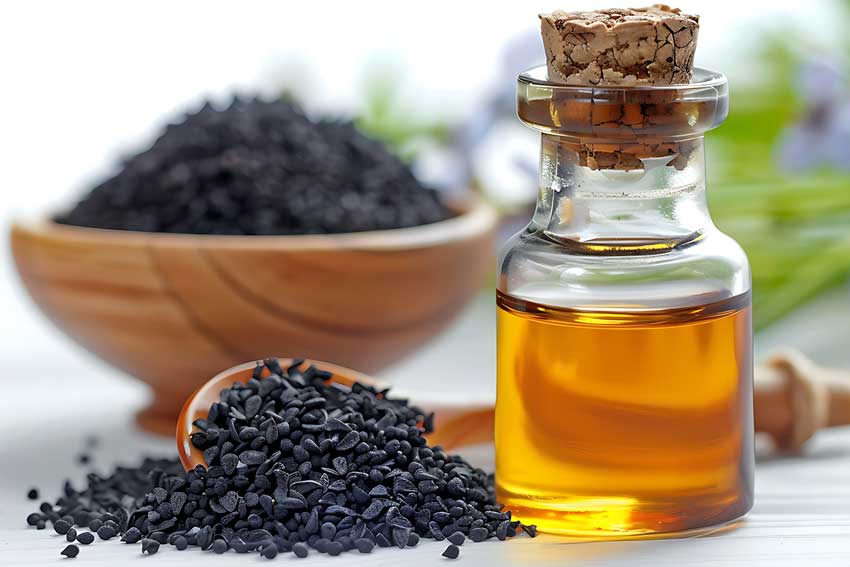
Among niche oils, black cumin occupies a special place, a plant known in natural medicine for thousands of years. Black cumin oil stands out with its dark brown color and characteristic, slightly spicy flavor. It contains about eighty percent unsaturated fatty acids, predominantly linoleic and oleic acids. However, the true strength of this oil is its thymoquinone content, a substance showing antibacterial, antiviral, and immune system-supporting activity.
Camelina and Its Intense Nutty Aroma
Camelina, despite the name similarity to flax, is a completely different plant with much smaller seeds. Camelina oil is characterized by an intense, nutty aroma and golden color. In terms of composition, it resembles flaxseed oil, being an excellent source of alpha-linolenic acid from the omega-3 group, but offers a more complex flavor profile. It is traditionally used in Eastern European cuisines, especially for cold dishes, salads, and vegetarian meals.
Apricot Kernels – From Waste to Valuable Oil
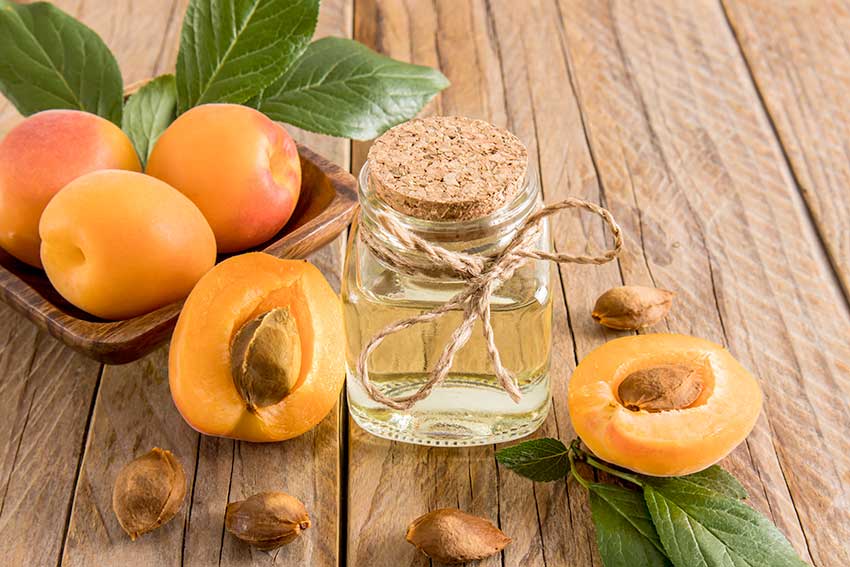
Apricot kernels were long treated as waste in dried fruit production. Only the development of cold-press oil technology allowed their potential to be appreciated. Apricot kernel oil contains high concentrations of oleic acid, similar to olive oil, but supplemented with linoleic and palmitic acids in proportions close to natural human skin sebum. This makes it excellently absorbed and used in both culinary and cosmetic applications.
Evening Primrose and Other Therapeutic Oils
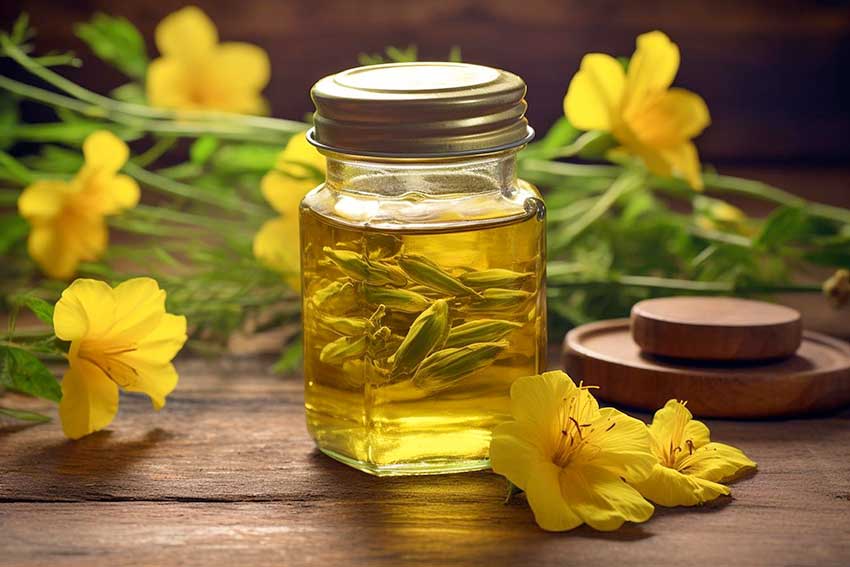
Evening primrose provides one of the most characteristic therapeutic oils. Evening primrose oil contains an exceptionally high concentration of gamma-linolenic acid, a precursor to prostaglandins E1, compounds regulating inflammatory processes in the body. It is used primarily in treating skin diseases, premenstrual syndrome, and hormonal disorders. Its production requires special care, as the fine evening primrose seeds easily overheat during pressing.
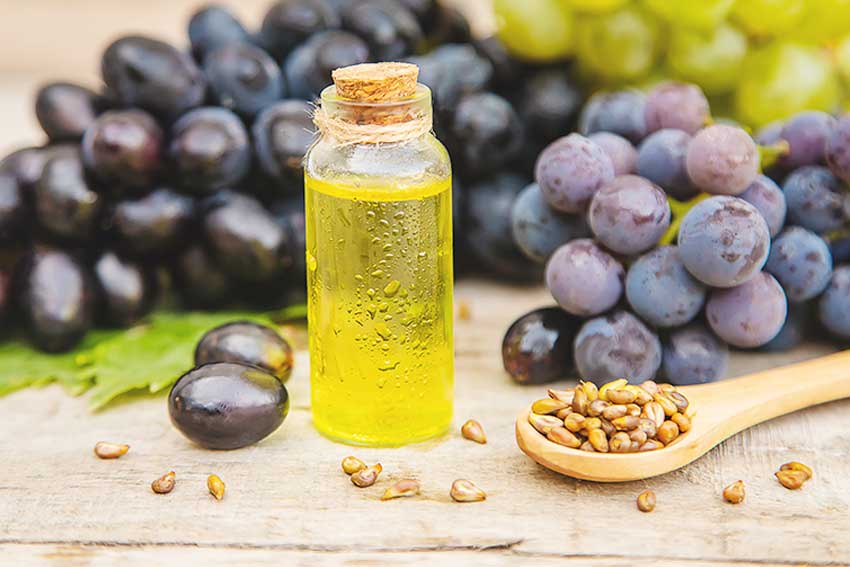
Grape seeds, being a byproduct in wineries, have become a valuable oil raw material in recent years. Grape seed oil features a light green color and delicate, slightly fruity flavor. It contains significant amounts of proanthocyanidins, powerful antioxidants supporting cardiovascular health. In cuisine, it is valued for its relatively high smoke point, allowing its use for cooking at higher temperatures.
Small, black black cumin seeds, often confused with nigella, produce oil with an intense, piquant flavor and characteristic aroma. Black cumin oil contains almost identical profiles of active substances as nigella oil, hence the similarity of their therapeutic applications. Traditionally used in Middle Eastern cuisine, it is now gaining popularity as a dietary supplement supporting immunity and digestive functions.
Health Properties and Culinary Values of Niche Oils
Unsaturated Fatty Acids as the Foundation of Health
Unsaturated fatty acids form the foundation of the health value of niche oils. Unlike saturated fatty acids, which the body can produce independently, polyunsaturated omega-3 and omega-6 fatty acids must come from food. Oils such as camelina, black cumin, or hemp provide these essential components in an easily absorbable form and in proportions close to optimal for the human body.
Phytosterols and Natural Protection Against Cholesterol
Phytosterols, natural plant compounds with a structure similar to cholesterol, occur in niche oils at significantly higher concentrations than in refined oils. Oil from pumpkin seeds, evening primrose, or unhulled sunflower contains phytosterols in amounts that, with regular consumption, can contribute to lowering LDL cholesterol levels in the blood. Their mechanism of action involves competing with cholesterol during intestinal absorption, resulting in reduced amounts of cholesterol entering circulation.
Vitamin E and Natural Antioxidants
Tocopherols and tocotrienols, commonly known as vitamin E, occur in niche oils in various forms and proportions. Oil from apricot kernels, sunflower, or hazelnuts contains mainly alpha-tocopherol, the most biologically active form of vitamin E. Rice bran oil, on the other hand, features high tocotrienol content, rarer forms of this vitamin with stronger antioxidant properties. These natural antioxidants protect both the oil itself from rancidity and body cells from oxidative stress.
Culinary Applications and Thermal Limitations
The culinary applications of niche oils are as diverse as their health properties. Oils with neutral flavors, such as grape seed or apricot kernel, are suitable for preparing light sauces and marinades. Intensely aromatic oils, such as camelina, black cumin, or walnut, are used as finishing additions to finished dishes, where their characteristic flavor can shine without the risk of destruction by high temperature.
It's worth remembering that most cold-pressed niche oils are not suitable for frying. Their delicate components quickly decompose under high temperature, and the resulting oxidation products can be harmful to health. These oils work best in cold cooking, as an addition to smoothies, nutritional shakes, salads, and dishes served at room temperature or slightly warmed.
Challenges in Producing Oils from Difficult Raw Materials
Individual Approach to Each Seed Type
Pressing oils from niche seeds requires a completely different approach than producing standard edible oils. Each seed variety is characterized by a different structure, shell hardness, moisture content, and oil content, which translates into the need for individual adjustment of pressing process parameters. Black cumin, with its small, hard seeds, needs completely different press settings than soft apricot kernels or moist pumpkin seeds.
Stable Torque – Key to Effective Pressing
Stable torque is a key parameter when pressing difficult raw materials. Unlike popular oilseeds, such as rapeseed or sunflower, which press relatively easily, fine seeds of black cumin, camelina, or black cumin require even, constant pressure throughout the process. Momentary drops in torque can lead to the press screw being blocked by cake, process interruption, and the need for time-consuming equipment cleaning.
Temperature Control and Cold Pressing
Pressing temperature has fundamental significance for the quality of the final product. True cold pressing should not exceed forty degrees Celsius, which allows preserving all heat-sensitive nutrients. In practice, maintaining such a low temperature when pressing high-hardness seeds is a challenge requiring precise control of screw rotation speed, appropriate outlet gap adjustment, and sometimes even active press head cooling.
Efficiency and Production Economics
The pressing efficiency of niche oils is usually lower than in the production of standard vegetable oils. Fine seeds of black cumin or camelina tend to escape through gaps in the press head, and their small mass makes it difficult to generate appropriate pressure. This means a slower process, less oil obtained per kilogram of raw material, and higher production costs. For small producers, these challenges can represent a significant barrier to market entry.
The purity of raw material has critical significance for oil quality and process efficiency. Admixtures of pebbles, soil clumps, or stem fragments can damage delicate press elements, and biological contaminants lead to faster product spoilage. Before pressing, niche seeds require careful cleaning, sifting, and sometimes washing, which additionally lengthens and complicates the production process.
Home Production Versus Semi-Industrial
Renaissance of Home Oil Pressing
Home production of niche oils is currently experiencing a renaissance, aided by the growing availability of compact oil presses. Small households and healthy food enthusiasts are discovering the joy of producing fresh oils in their own kitchens. This process allows full control over raw material quality, pressing conditions, and final product freshness. Freshly pressed oil from black cumin or camelina has incomparably better taste and aroma than even the best product bought in a store after several weeks of storage.
The scale of home production has its natural limitations. A typical home press processes three to ten kilograms of raw material per hour, which is sufficient to meet the needs of a family and close friends but does not allow conducting commercial activity. For someone who simply wants to regularly supply their kitchen with fresh niche oils, this efficiency is quite sufficient and allows experimenting with different seed types without excessive investment.
Small Oil Mills and Commercial Production on a Small Scale
Semi-industrial production of niche oils is located at an interesting point between home hobby and large-scale industrial manufacturing. Small local oil mills, agritourism farms, and health food stores are increasingly deciding on their own oil pressing as an element of their offering attracting conscious customers. Efficiency of fifteen to twenty-five kilograms of raw material per hour allows serving the local market, selling at markets, or supplying food service points on a limited but commercially sensible scale.
Equipment Requirements for Professional Production
Equipment for semi-industrial production differs from home presses not only in efficiency but primarily in durability, adjustment capabilities, and automation level. A professional press for niche oils should offer precise temperature control, smooth rotation speed adjustment, and the ability to change pressing nozzles depending on the type of seeds being processed. These functions are crucial when working with difficult raw materials requiring an individual approach.
For producers facing equipment selection, device versatility is important. A press capable of processing a wide range of seeds, from fine black cumin through apricot kernels to hemp and sesame, allows flexible response to market demand and seasonal raw material availability. The ability to cold press with precise temperature control and the option of heating the head for raw materials requiring higher temperatures give the producer full freedom in assortment selection.
How to Choose a Press for Niche Oil Production
Determining Production Scale and Scope
Choosing the right press for pressing niche oils is a decision requiring consideration of many factors. The fundamental question is the planned production scale and diversity of raw materials to be processed. For someone who wants to press only flaxseed and pumpkin seeds for their family's needs, a simple home press suffices. However, a person planning local sales of various niche oils needs equipment with greater capabilities.
The Importance of Stable Torque
Torque stability is an absolutely crucial feature when choosing a press for niche seeds. Cheap devices with belt drives and simple motors often cannot handle sudden resistance changes when pressing hard or fine seeds. A press with direct drive, special gearing, and a powerful motor ensures even operation even when processing the most demanding raw materials. This feature determines whether we can successfully press oil from black cumin, camelina, or apricot kernels without constant stoppages and the need for manual intervention.
Precise Work Parameter Control
The ability to precisely control work parameters is another essential element. Each seed type has an optimal temperature and pressing speed at which we achieve the best efficiency without degrading oil quality. A press allowing smooth adjustment of screw speed and digital control of head temperature gives the producer a tool for achieving repeatable, high-quality results regardless of the type of raw material being processed.
Versatility and Wide Range of Raw Materials
Versatility of application is a significant advantage, especially for producers working with diverse seeds. A press like the Hot & Cold Oil Press model with 14 kg/h capacity, which can process nearly fifty different types of seeds and kernels – from peanuts through black cumin, camelina, and apricot kernels to evening primrose and grape seeds – provides unparalleled flexibility. The ability to change pressing nozzles allows adjusting work parameters to the specifics of each raw material, which is impossible in simpler designs.
Hygiene and Ease of Operation
Hygiene and ease of cleaning take on special significance with frequent changes in the types of processed seeds. A press made from medical-grade stainless steel, whose elements can be washed in a dishwasher, significantly simplifies daily operation and allows maintaining the highest cleanliness standards. This is particularly important when pressing oils intended for therapeutic or cosmetic purposes, where contamination can be not only unsightly but actually harmful.
Energy efficiency and compact dimensions matter for both home and semi-industrial producers. A device with about 750 watts of power, weighing less than fifty kilograms and occupying just eighty centimeters of length, can be placed in a home kitchen, small workshop, or market stall without the need for a dedicated room or special power installation. Direct drive without transmission belts ensures low power consumption and quiet operation.
Seasonality and Raw Material Availability
Harvest Cycles and Production Planning
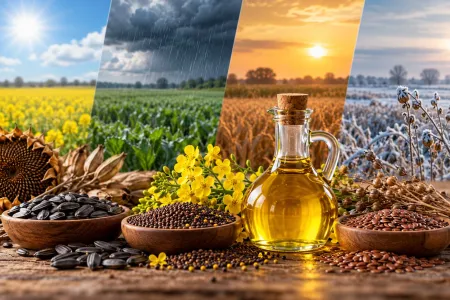
The production of niche oils is closely tied to the seasonality of individual plant harvests. Most oilseeds mature in autumn, making this period the most intensive time for oil producers. Black cumin is usually harvested in September, flaxseed and camelina in August and September, and pumpkin seeds are obtained during autumn vegetable harvests. Awareness of these cycles allows planning production and ordering raw materials at times when they are freshest and most available.
Seed Storage and Conditioning
Seed storage requires appropriate conditions to preserve their oil value. Oilseeds should be stored in dry, cool rooms, in sealed containers protecting against moisture and pests. Most niche seeds can be stored for a year without significant quality loss, although of course the fresher the raw material, the better the oil. Some seeds, like black cumin or caraway, even benefit from several months of aging, which allows seeds to fully dry and stabilize moisture content.
Local Alternative Crops
Local raw material sources are becoming increasingly available thanks to growing interest in alternative crops. Farmers are increasingly reaching for oilseed plants other than rapeseed or sunflower, recognizing a market niche and better prices for less popular species. Black cumin, flax, hemp, or evening primrose appear in fields, often as part of organic crops, giving oil producers access to the highest quality raw materials without the need for imports.
Import of exotic seeds opens completely new possibilities for niche oil producers. Passion fruit seeds from South America, moringa from India, nyjer from Ethiopia, or dragon seeds from Asia allow creating oils with unique properties and flavors unavailable elsewhere on the market. Of course, import involves higher costs and logistics problems, but for producers seeking market differentiation, it may be a strategy worth considering.
Market and Development Prospects
Trends Driving Demand for Niche Oils
Demand for niche oils is steadily growing, driven by several parallel social trends. First, consumer health awareness is increasing, with people seeking natural sources of nutrients instead of synthetic supplements. Second, the market for local and artisan products is developing, where freshly pressed oils perfectly fit the expectations of customers valuing authenticity and quality. Third, more people are interested in ethnic cuisines and unusual flavors, which opens space for exotic oils.
Distribution Channels and Reaching the Customer
Distribution channels for niche oils differ significantly from standard food sales paths. Direct sales at markets, fairs, and promotional stands allow the producer direct contact with the customer and education about product properties. Health food stores, cafes, and restaurants serving vegan or vegetarian dishes are natural distribution points. Online sales are also gaining increasing importance, eliminating geographic limitations and allowing reach to customers across the country.
Storytelling and Product Added Value
The added value of niche oils extends beyond the product itself. The story of the raw material, production method, local origin, and the producer's personal passion become part of the offering for which customers are willing to pay a higher price. A story about hand-collected black cumin from organic cultivation or apricot kernels from a family orchard has real marketing value that distinguishes the product from anonymous industrial production.
Customer education remains a key challenge for niche oil producers. Most consumers simply don't know what camelina is, what properties black cumin oil has, or how to use evening primrose oil. A producer taking on the role of educator, organizing tastings, conducting workshops, and sharing knowledge through social media, builds not only sales but an entire culture of conscious use of natural plant products.
Is home production of niche oils profitable?
The profitability of home niche oil production depends primarily on how we understand the concept of profitability. If we look purely from a financial perspective, comparing the cost of raw materials and equipment with the price of finished oil in stores, the balance may not be obvious. However, the true value of home pressing lies elsewhere – in the guarantee of freshness, the ability to control the quality of raw materials and processing, and access to oils that simply cannot be bought in retail.
Investment in an oil press pays off faster the more frequently we use it and the larger the share of high-quality oils in our diet. A family regularly consuming fresh cold-pressed oils can save an amount comparable to the price of a good press within two to three years, while being certain they are consuming the highest quality products. Additionally, the ability to experiment with different seeds and create custom oil blends adds a dimension of culinary creativity.
FAQ
Which seeds are the most difficult to press?
The most difficult to press are usually seeds combining several unfavorable characteristics simultaneously. Black cumin, camelina, and black cumin stand out with their small size, hard shell, and tendency to spill through gaps in the press. Apricot and cherry pits are very hard and require great pressing force, which with inadequate equipment can lead to oil overheating. Hemp seeds, though relatively easy to press, have very low oil content, resulting in low efficiency and the need to process large amounts of raw material.
Seed moisture is another complicating factor. Overly moist seeds, such as freshly harvested pumpkin, create paste instead of dry cake, making oil separation difficult. Conversely, over-dried seeds crack in the press, yielding cloudy oil with a large amount of suspension. Optimal moisture for most oilseeds ranges from six to eight percent, often requiring drying or conditioning of raw material before pressing.
How long can niche oils be stored?
The durability of niche oils depends mainly on fatty acid composition and storage conditions. Oils rich in polyunsaturated fatty acids, such as camelina, hemp, or black cumin, are most susceptible to oxidation and should be consumed within three to six months of pressing. Storage in the refrigerator, in dark glass bottles, preferably under a layer of inert gas, can extend this period to eight to nine months.
Oils with higher monounsaturated fatty acid content, such as apricot kernel, hazelnut, or avocado, are more stable and can maintain freshness for a year, sometimes longer. The key is storage temperature below fifteen degrees Celsius, lack of light exposure, and minimizing contact with air. After each use, the bottle should be tightly closed, and when oil is running low, it's worth transferring it to a smaller container to limit the air space above the oil surface.
Can different niche oils be mixed?
Mixing niche oils is an excellent way to create unique flavor compositions and nutritional profiles. By combining, for example, delicate apricot kernel oil with intense black cumin, we can obtain a product more versatile in cooking than both ingredients separately. Similarly, a blend of camelina and nut oil can balance the very intense flavor of the former while maintaining high omega-3 content.
When composing blends, one must remember the compatibility of fatty acid profiles and similar durability of ingredients. Mixing very stable grape seed oil with quickly spoiling hemp oil makes no sense, because the overall durability will be determined by the weaker component. Conversely, combining oils with similar stability but complementary nutritional profiles can yield a product better than the sum of its parts.
Why are niche oils so expensive?
The price of niche oils reflects the actual complexity and costs of their production. Raw material constitutes the first significant price component – black cumin seeds, passion fruit kernels, or evening primrose cost many times more than sunflower or rapeseed, both due to more difficult cultivation, smaller production scale, and lower oil content requiring processing larger amounts of seeds per liter of oil. To this are added the costs of importing exotic raw materials, which often travel thousands of kilometers.
The cold-pressing process is slower and less efficient than industrial extraction or refining. Where a large plant processes tons of raw material per hour, a small oil mill produces tens of kilograms. Smaller scale means higher unit costs for energy, labor, and equipment depreciation. Additionally, cold-pressed oils require more careful storage and faster distribution, generating additional costs.
Short shelf life and the need for special packaging also affect the final price. Dark glass bottles, nitrogen atmosphere, cold storage, and quick sales are all elements that increase costs but are necessary to maintain product quality. Ultimately, the price reflects not only nutritional value but the entire complexity of delivering fresh, high-quality oil to the customer.
What are the most common mistakes in home oil pressing?
The most common mistake of beginning producers is improper raw material preparation. Pressing overly moist seeds leads to paste formation instead of dry cake and significantly reduces efficiency. Conversely, insufficient cleaning of seeds from contaminants results in rapid press wear and lower oil quality. Before pressing, seeds should be carefully sifted, sometimes washed, and dried to optimal moisture.
Excessive pressing speed is a trap for those seeking to maximize efficiency. Fast pressing generates more heat through friction, which can cause exceeding the critical temperature for cold pressing. The oil then loses part of its nutritional properties, darkens, and may acquire a bitter aftertaste. It's better to press more slowly and obtain less oil of higher quality than more product with reduced value.
Neglecting regular press cleaning is another common mistake. Residues from previous pressing can ruin the taste and aroma of a fresh oil batch. Particularly problematic is switching from intensely aromatic seeds like black cumin or black cumin to delicate ones like apricot kernels without thoroughly cleaning all elements. Regular, careful cleaning after each use is the foundation of maintaining production quality.
Can niche oils be used for frying?
Most cold-pressed niche oils are not suitable for frying at high temperatures. Their delicate components, especially polyunsaturated fatty acids, tocopherols, and carotenoids, decompose under heat, forming harmful compounds. Oil from camelina, black cumin, or evening primrose should absolutely not be heated above warm dish temperature, around fifty degrees Celsius.
However, there are exceptions to this rule. Grape seed oil is characterized by a relatively high smoke point, around two hundred fifteen degrees, which allows its use for frying at moderate temperatures. Apricot kernel or hazelnut oil can also be gently heated, though they work best in cold cooking. For dishes requiring high temperatures, it's better to reach for refined versions of these oils or traditional frying fats.
Summary
Niche oils represent a food production segment that combines tradition with modernity, locality with a global approach to health and nutrition. Their absence from standard retail offerings results from objective limitations related to short shelf life, limited raw material availability, and specific production requirements. At the same time, these very characteristics – freshness, uniqueness, and authenticity of the manufacturing process – constitute their greatest value for conscious consumers.
The development of cold-pressing technology and availability of compact yet efficient presses opens up possibilities for individual producers and small businesses to create the highest quality oils. Devices combining the ability to process a wide range of raw materials with precise process parameter control, like the Hot & Cold Oil Press capable of pressing nearly fifty types of seeds, democratize the production of specialty oils. What was recently the domain of a few large producers is now becoming accessible to anyone with passion and determination.
The future of niche oils looks promising. Growing health awareness in society, the search for authentic local products, and interest in ethnic cuisines create a growing market for these exceptional products. Producers who invest in proper equipment, gain knowledge about the specifics of different raw materials, and build relationships with customers based on education and sharing passion have the chance to create a lasting and satisfying business. And for consumers aware of the value of fresh, natural products, niche oils will remain an irreplaceable element of healthy and delicious cuisine.