
Table of Contents
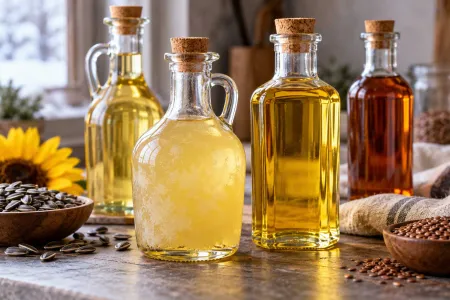
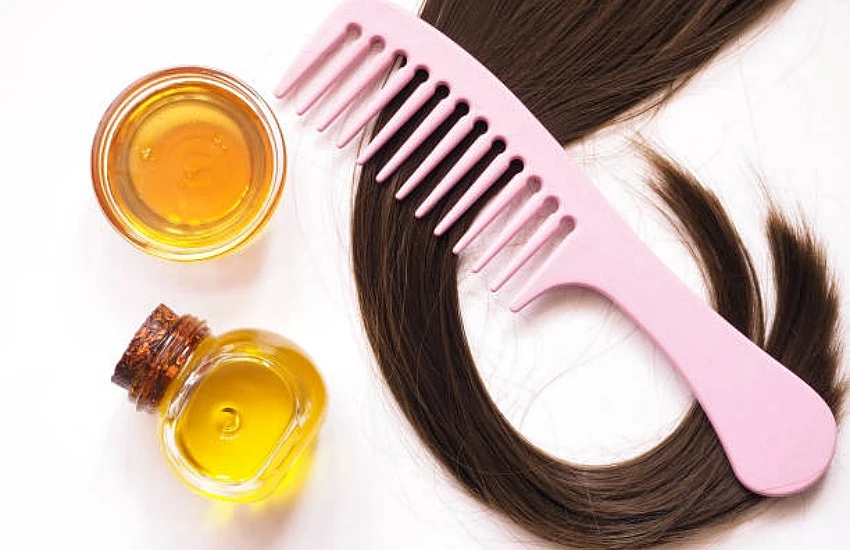
Natural oils are among the most valued ingredients in hair care, known and used for centuries. Rich in vitamins, minerals, and fatty acids, they can work wonders for the health and appearance of your hair. The right oils not only strengthen the strands but also protect them from environmental damage, provide deep hydration, and add shine. In this article, we’ll take a closer look at different types of oils and explore how they can benefit your daily hair care routine.
The Benefits of Hair Care with Natural Oils
Using oils in hair care is one of the most natural and effective methods to completely transform the look and health of your hair. Oils provide intense hydration — a key factor, especially for dry, damaged, and brittle strands. Rich in vitamins, antioxidants, and fatty acids, such as argan or coconut oil, they nourish the hair from root to tip while strengthening its structure. Unlike many traditional conditioners that only work on the surface, oils penetrate deeply into the hair shaft, repairing it from within.
Oils also protect hair from external factors. Regular use creates a natural barrier that shields hair from environmental pollutants, UV rays, and mechanical damage caused by heat styling. As a result, your hair becomes more resistant to the effects of straighteners, blow dryers, and curling irons. While regular conditioners or masks can temporarily improve the look of your hair, they don’t offer long-term protection or deep regeneration like natural oils do.
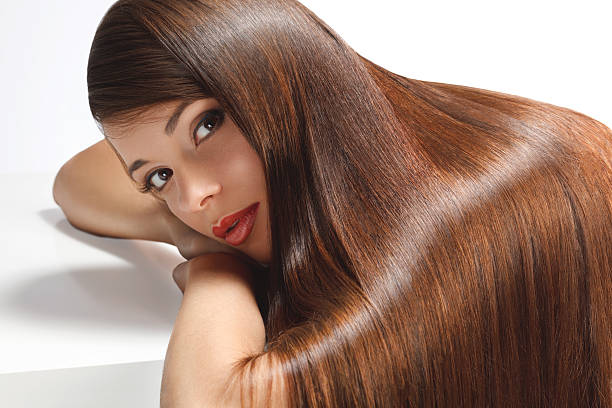
When comparing oils to chemical hair products such as silicone-based conditioners, the difference in ingredients is significant. Silicone products often provide an instant smoothing effect, but it’s only an illusion of healthy hair. Silicones coat the hair, blocking the absorption of nutrients and, over time, may lead to dryness. Oils, on the other hand, naturally moisturize and nourish hair without weighing it down with synthetic additives. After just a few weeks of using natural oils, you’ll notice your hair becoming more elastic, soft, and shiny — and its overall condition will continue to improve over time.
If you struggle with split ends, oils can be a game changer. Instead of constantly trimming damaged ends — a short-term fix — regular oiling strengthens and hydrates them, preventing breakage and splitting. Your hair will grow healthier and stronger, allowing you to achieve longer, more beautiful locks without sacrificing length.
Additionally, oils support scalp health.
If you struggle with dandruff, itching, or excessive oiliness, oils such as tea tree oil can help regulate sebum production and soothe inflammation. Chemical products often irritate the scalp, and their harsh formulas can disrupt the skin’s natural balance. Oils, on the other hand, act gently — they don’t damage the protective barrier of the skin while providing it with essential nutrients.
Oils are also extremely versatile — they can be used in many ways.
You can apply them as a pre-wash mask, gently massage them into damp hair as a serum, or use them directly on the scalp to improve circulation and strengthen hair follicles. Unlike single-use masks or conditioners, oils offer flexibility — you can easily tailor their use to your individual needs. They’re also more economical: one small bottle can last for months, delivering salon-quality care in the comfort of your home.
main types of oils used in hair care
1. argan oil – luxurious hydration and protection
argan oil, often called “liquid gold of morocco,” is one of the most popular oils in cosmetics. rich in vitamin e and omega-6 fatty acids, it has strong regenerative and moisturizing properties. it is ideal for dry and damaged hair that needs deep nourishment. regular use of argan oil can:
nourish and hydrate dry hair,
protect it from heat damage (e.g., from blow dryers or straighteners),
add softness and shine.
you can use it as a serum for the ends of your hair or as a full-length mask before washing.
2. coconut oil – intense regeneration and protection against protein loss
coconut oil is valued for its ability to deeply penetrate the hair shaft and prevent protein loss — a key factor in maintaining strong and healthy hair. it’s particularly effective for dry, brittle, or chemically treated hair. regular use of coconut oil helps to strengthen the hair from within, reduce breakage, and restore natural shine.
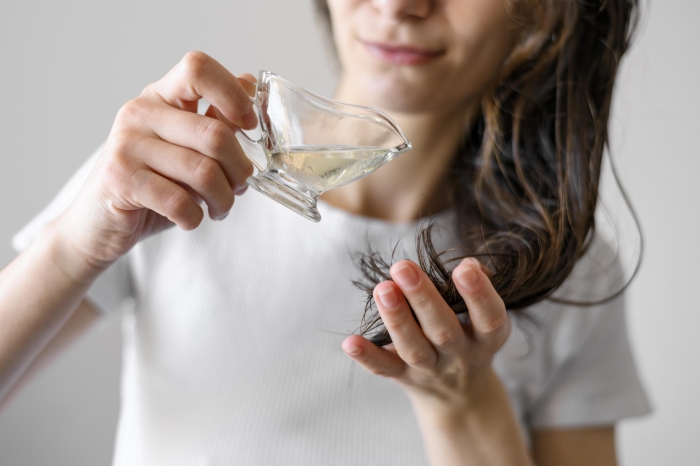
coconut oil is an excellent choice for people with dry and brittle hair. thanks to its small molecules, it easily penetrates the hair shaft, making it extremely effective in regeneration. its main benefits include:
- preventing protein loss, which is crucial for maintaining strong hair structure,
- providing intense moisture and repair,
- protecting against mechanical and chemical damage.
coconut oil works perfectly as an overnight mask — simply apply it to your hair before bedtime and wash it off in the morning.
3. castor oil – boosting hair growth
castor oil is well-known for its ability to strengthen hair follicles. rich in fatty acids, vitamins, and minerals, it stimulates hair growth and helps prevent hair loss. its benefits include:
- stimulating blood circulation in the scalp, improving follicle nourishment,
- providing antibacterial and antifungal protection, promoting scalp health,
- increasing hair volume and reducing breakage.
since castor oil is quite thick, it’s best to mix it with a lighter oil — such as coconut or olive oil — and massage it into the scalp a few times a week.
4. jojoba oil – natural balance for the scalp
jojoba oil closely resembles the natural sebum produced by the skin, making it perfect for people with oily or combination hair types. it’s a lightweight oil that doesn’t weigh hair down while effectively moisturizing it. key benefits include:
- regulating sebum production, helping to keep the scalp clean and balanced,
- softening and smoothing hair, adding a healthy shine,
- soothing scalp irritations, dandruff, and dryness.
you can apply it both along the length of the hair and directly to the scalp.
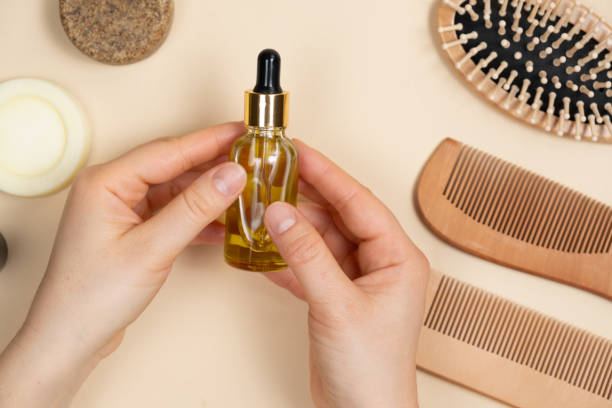
5. olive oil – versatile hydration and nourishment
olive oil is one of the oldest natural beauty ingredients and an excellent choice for hair care. rich in vitamins a and e — essential for healthy hair and scalp — it offers deep nourishment and protection. it works by:
- deeply moisturizing dry and damaged hair,
- strengthening the hair structure from roots to ends,
- acting as a natural shine booster, leaving hair smooth and glossy.
you can use olive oil as a pre-wash mask — apply it to your hair about 30 minutes before washing.
how to use oils for hair care
using oils in your hair care routine can take many forms — from intensive oil masks to daily applications on the ends. however, there are a few key principles to keep in mind:
- choosing the right oil: match the oil to your hair type and needs. lightweight oils, such as jojoba or grapeseed oil, are ideal for fine hair, while richer oils, like coconut oil, work best for dry or damaged hair.
- pre-wash oiling: applying oil before washing helps deeply nourish and regenerate hair without weighing it down.
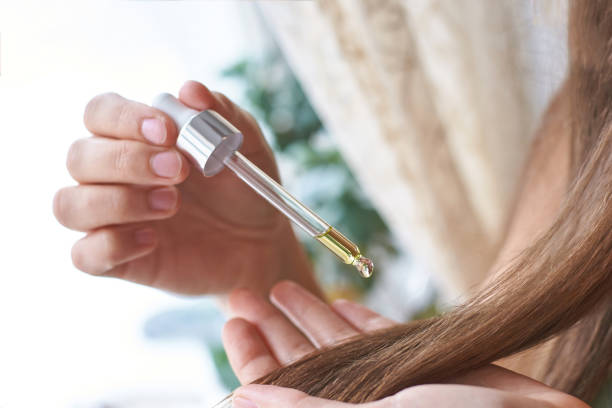
- as a post-wash serum: a small amount of oil applied to damp ends after washing protects them from breakage and split ends.
10 Most Frequently Asked Questions About Hair Oils
1. How do I choose the right oil for my hair type?
The choice of oil depends on your hair type and its specific needs. For fine or oily hair, lightweight oils such as jojoba, grapeseed, or almond oil work best. Dry and damaged hair benefits more from richer oils like coconut, argan, or olive oil.
2. Do oils weigh hair down?
Oils can weigh hair down if too much is used or if the oil is too heavy for your hair type. It’s best to start with a small amount and test which oil works best for you. Lightweight oils like jojoba are less likely to weigh hair down, while heavier ones, such as coconut oil, may require more thorough washing.
3. How often should I apply oil to my hair?
The frequency of oiling depends on your hair’s condition. For dry hair, oiling before every wash (2–3 times a week) can be beneficial. For fine or oily hair, once or twice a week is usually enough — preferably with lighter oils.
4. Should I apply oil to dry or wet hair?
Oils are best applied to dry hair before washing to nourish and protect it from dryness during washing. You can also apply a small amount to damp hair after washing to protect the ends and add shine.
5. How long should I leave oil on my hair?
You can leave oil on your hair for 30 minutes up to a few hours, depending on how much care your hair needs. For deep nourishment, you can leave it overnight and wash it out in the morning. However, always make sure to rinse the oil thoroughly with shampoo.
6. Do oils help with dandruff?
Yes, some oils — such as tea tree, coconut, or castor oil — have antibacterial and antifungal properties that can help combat dandruff. However, they should be used in moderation to avoid overloading the scalp.
7. Do oils promote hair growth?
Oils like castor oil can support hair growth by improving blood circulation in the scalp and strengthening the roots. Regular scalp massages with oil stimulate hair follicles, which may accelerate growth. Visible results, however, usually take a few months of consistent use.
8. How do I wash oil out of my hair?
It’s best to wash oils out with a gentle shampoo that removes residues without drying out the hair. Heavy oils like castor or coconut may require two washes. Avoid harsh shampoos that can strip the hair of moisture after oiling.
9. Can I mix different oils together?
Yes, you can combine various oils for a more complete hair treatment. For example, mixing argan oil with castor oil combines hydration with growth stimulation. Feel free to experiment with blends to find the best combination for your hair.
10. Is hair oiling suitable for everyone?
Yes, hair oiling is suitable for most people, but the choice of oil should match your hair and scalp type. Those with oily hair should use oils sparingly, while individuals prone to allergies should always perform a patch test before use.