
Table of Contents
- Return to Nature: The Philosophy of Local Oil Production
- Health Hidden in Naturally Pressed Oil
- Revolution in the Kitchen: Discovering the Flavors of Natural Oils
- Locality as the Key to a Sustainable Future
- Technology in the Service of Tradition: Modern Oil Presses
- Oil Cake: The Second Treasure of the Pressing Process
- Building Communities Around Local Production
- Seasonality and Diversity: The Oil Pressing Calendar
- Quality Begins with the Seeds: Choosing Raw Materials for Pressing
- The Art of Natural Pressing: Step-by-Step Process
- Storing Natural Oils: The Art of Preserving Freshness
- Economics of Local Production: A Sustainable Business Model
- Education as the Foundation of Change
- The Future of Local Oil Production
- Challenges and Opportunities
- Technology of the Future in the Service of Tradition
- Frequently Asked Questions (FAQ)
In an era where more and more people are seeking authenticity in their food and returning to the roots of natural production, cold-pressing oil has become a symbol of a new lifestyle philosophy. It is not just a way to obtain the healthiest fats – it is a true revolution that transforms our understanding of quality, locality, and responsibility for what ends up on our plates.
Return to Nature: The Philosophy of Local Oil Production
The modern world is filled with industrial products that have traveled a long way from the field to the store shelf. In this race for efficiency and low costs, we lose what is most important – the natural nutritional value and authentic taste of the foods we consume. Local cold-pressed oil production is the answer to these challenges, offering a return to traditional methods that for centuries ensured the highest quality of plant-based fats.
Cold-pressing oil is a process that preserves all the natural properties of seeds and oil-bearing grains. Without the use of high temperatures or chemical solvents, we obtain a product that is the true essence of nature. Cold-pressed oil retains intact unsaturated omega-3 and omega-6 fatty acids, fat-soluble vitamins, and natural antioxidants that are crucial for our health.
Local oil production is more than just a method of obtaining fats – it is a lifestyle philosophy based on respect for nature, tradition, and the local community. When we produce oil close to where the seeds are grown, we shorten the supply chain, reduce the carbon footprint, and support the local economy. This approach combines care for the environment with the pursuit of the highest quality food products.
Health Hidden in Naturally Pressed Oil
Cold-pressed oils are true treasures of nature, containing a wealth of health-promoting nutrients. The natural low-temperature pressing process preserves all the valuable properties of seeds that are destroyed or significantly reduced in refined oils.
Unsaturated omega-3 and omega-6 fatty acids present in naturally pressed oils play a key role in the proper functioning of our bodies. They have a positive effect on the circulatory system, helping to lower cholesterol levels and regulate triglycerides. Regular consumption of these valuable fats contributes to the normalization of blood pressure, which is particularly important for the prevention of heart and cardiovascular diseases.
The health benefits go far beyond that. Natural cold-pressed oils strengthen our immune system, helping the body better cope with infections and allergic reactions. Their natural antioxidants, such as vitamin E and carotenoids, protect our cells from the harmful effects of free radicals, slowing down aging processes and reducing the risk of lifestyle-related diseases.
Moreover, cold-pressed oils retain their natural aroma, color, and flavor, which not only enrich our dishes but also provide the body with signals of the high nutritional value of the consumed product. This is a natural form of communication between food and our digestive system, developed over thousands of years of evolution.
Revolution in the Kitchen: Discovering the Flavors of Natural Oils
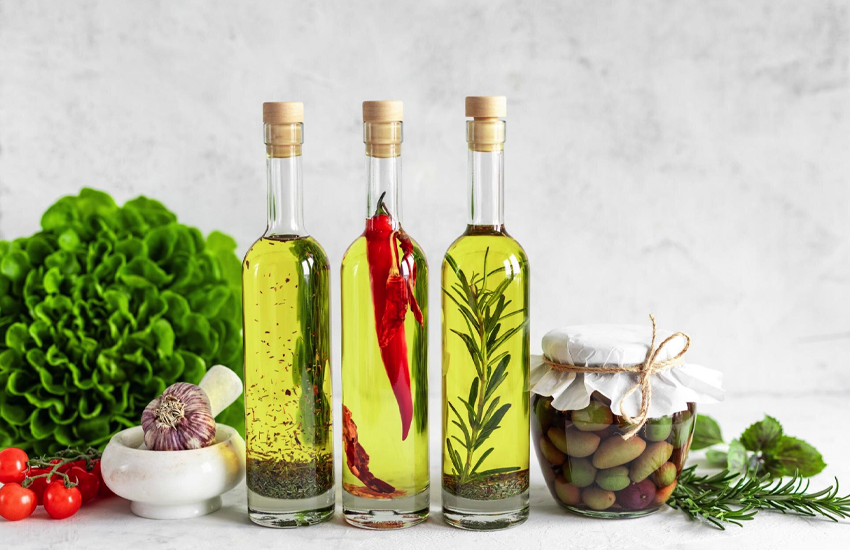
Switching to natural cold-pressed oils is a true revolution of flavors in our kitchens. Each type of seed or oil-bearing grain brings its unique character, creating a palette of tastes that cannot be found in standard, refined oils from supermarket shelves.
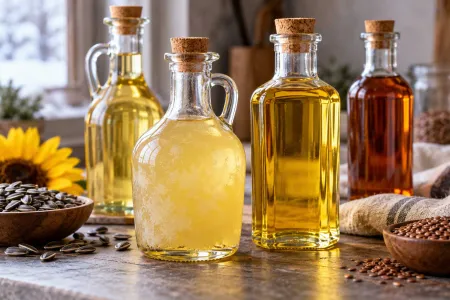
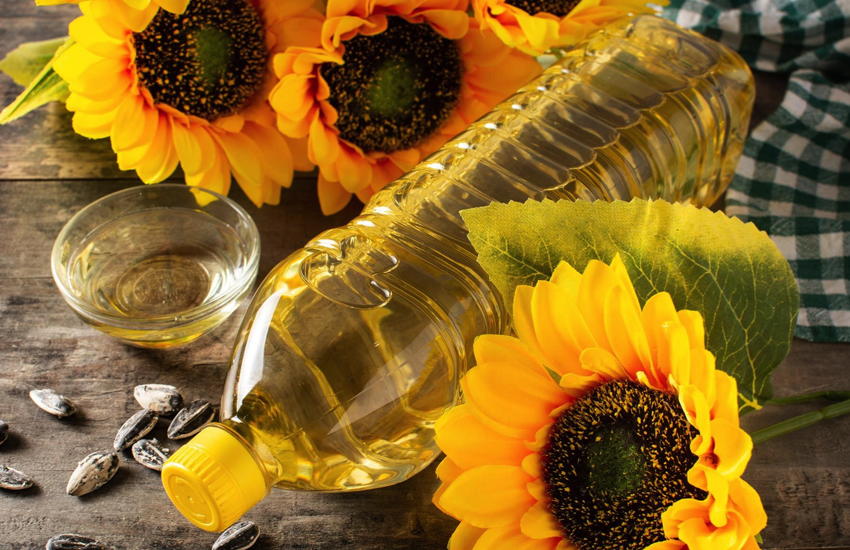
Cold-pressed sunflower oil retains a delicate, nutty aroma that pairs perfectly with summer salads and light dishes. Cold-pressed rapeseed oil stands out with its golden color and mild flavor, making it a versatile addition to most meals. Pumpkin seed oil impresses with its intense, nutty aroma and distinctive dark green color, giving dishes a unique character.
We must not forget flaxseed oil, which, when cold-pressed, becomes a true health powerhouse, providing record amounts of omega-3 fatty acids. Its subtle flavor and distinctive aroma make it ideal for cottage cheese, smoothies, or salads, where it is not subjected to heat.
Using a variety of cold-pressed oils allows us to experiment with flavors, creating dishes that not only nourish but also provide real culinary pleasure. This approach combines health with enjoyment, showing that taking care of oneself can be a true flavor adventure.
Locality as the Key to a Sustainable Future
Local cold-pressed oil production is the foundation of a sustainable food economy. By producing oil near the seed cultivation site, we create a closed-loop system that benefits both the local community and the natural environment.
Short supply chains mean lower fuel consumption for transport, directly reducing greenhouse gas emissions. Environmental benefits extend even further. Local production encourages the cultivation of diverse varieties of oil plants adapted to local climatic conditions, increasing biodiversity and the resilience of agricultural ecosystems.
Supporting local oil producers also preserves traditional knowledge of cultivation and processing, passed down through generations. This knowledge, combined with modern pressing technologies, allows for the creation of top-quality products deeply rooted in local tradition.
Local oil production also creates jobs in rural communities, helping prevent the exodus of people to cities. This is particularly important for building resilient communities capable of independently meeting their basic food needs.
Technology in the Service of Tradition: Modern Oil Presses
Modern cold-press oil production combines the best aspects of traditional methods with the possibilities offered by contemporary technology. Today’s oil presses, such as those available at pureoilpress.com, represent the pinnacle of engineering in natural oilseed processing.
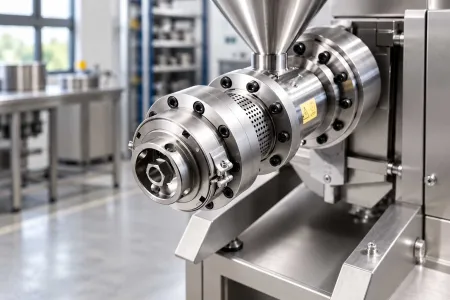
A screw press with a capacity of 3 tons per day is an example of a device that combines high efficiency with the preservation of all the benefits of natural pressing. Its design, based on a three-stage pressing system, ensures optimal seed utilization, leaving only about 8% of oil in the cake, demonstrating the exceptional effectiveness of the process.
A key advantage of modern presses is their ability to operate at low temperatures, preserving all the valuable properties of the pressed oil. Mechanical crushing of the seeds in the pressing chamber, without chemical solvents or high heat, produces oil of the highest quality, rich in natural nutrients.
Stable construction and high-quality motors ensure reliable operation 24/7, making these devices ideal for both professional oil mills and smaller, family-run operations. This democratizes oil pressing technology, making high-quality natural oils accessible to every community.
Oil Cake: The Second Treasure of the Pressing Process
One often overlooked benefit of natural oil pressing is the byproduct known as oil cake—a highly nutritious product with a wide range of applications. Oil cake produced during cold pressing retains most of the protein and fiber from the original seeds, making it a valuable ingredient in many areas.
In the form of characteristic “chips,” oil cake serves as excellent feed for livestock. Its high energy value and rich protein content make it a valuable addition to the diets of cattle, poultry, and pigs. Local farmers can thus close the production loop by using their own seeds for oil production and the resulting cake to feed their animals.
Oil cake can also be processed into flour for functional food production. Added to dough or baked goods, it enriches them with protein and fiber, improving nutritional value. In home kitchens, oil cake can be used as a healthy addition to salads, smoothies, or yogurts, providing an extra portion of plant protein.
The possibility of producing pellets from oil cake opens further avenues for using this valuable byproduct. Cake pellets can serve as eco-friendly biomass fuel, fully closing the cycle of production and utilization of plant raw materials.
Building Communities Around Local Production
Local cold-pressed oil production often becomes a hub for building strong rural and urban communities focused on healthy food. Small pressing facilities naturally create networks of mutual support, experience sharing, and joint efforts to achieve the highest product quality.
Farmers growing various oil plants can collaborate with local presses, forming supply chains based on trust and shared values. Such cooperation allows for crop planning in advance, adjusting to local demand and seasonal production cycles.
Consumers choosing local cold-pressed oils become part of this community, building direct relationships with producers. This helps them better understand production processes, learn about the origin of the products they consume, and influence quality standards. Consumer awareness like this is the foundation of a sustainable food economy.
Education is an integral part of building a community around local oil production. Workshops, tastings, and educational events help people understand the differences between cold-pressed oils and industrial products, while teaching them how to best use natural oils in everyday cooking.
Seasonality and Diversity: The Oil Pressing Calendar
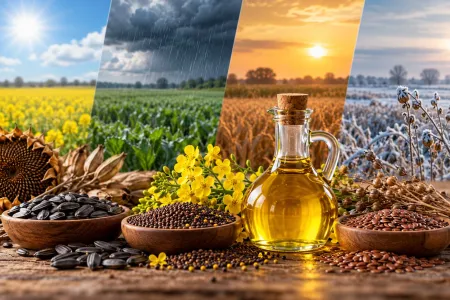
Local cold-pressed oil production allows us to reconnect with the natural rhythm of the seasons and crop seasonality. Each time of year brings its own treasures in the form of different seeds and oil-bearing grains that can be processed into high-quality oils.
Spring is a time for preparation and planting, but also an opportunity to use seed reserves from the previous year. Early spring is ideal for pressing rapeseed oil harvested in the previous season and properly stored.
Summer is a time of abundance, when sunflower seeds ripen. Freshly harvested sunflower seeds, properly prepared and dried, yield oil with exceptionally intense flavor and aroma. This is also the time to experiment with less common oil plants, such as hemp seeds or various pumpkin varieties.
Autumn brings the harvest of most oil plants. It is the season for collecting pumpkin, flax, and various sunflower seeds. Autumn is also a good time to press oils from wild plants, such as walnuts or sea buckthorn.
Winter, though seemingly a period of inactivity, is ideal for pressing seeds that require longer storage to achieve optimal quality. It is also a time to plan next year’s crops and prepare for the next production cycle.
Quality Begins with the Seeds: Choosing Raw Materials for Pressing
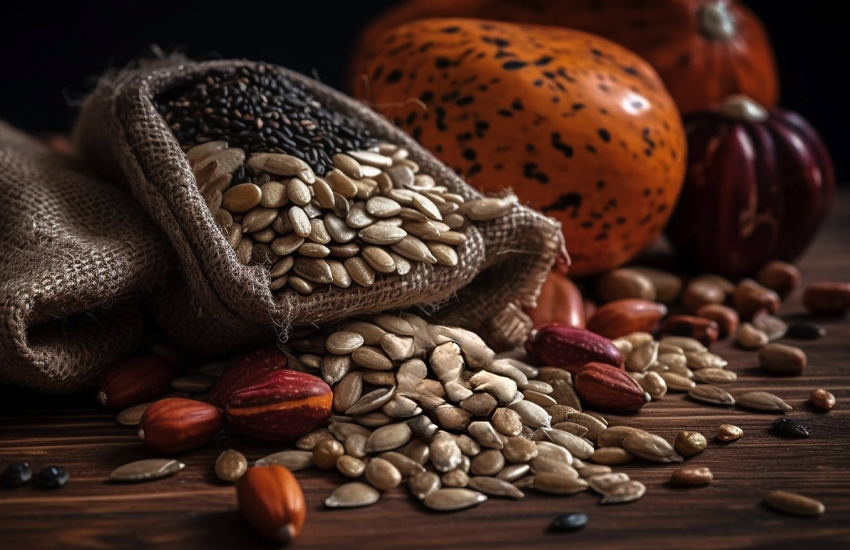
The foundation of high-quality cold-pressed oil lies in the proper selection and preparation of the raw materials. Not all seeds are suitable for natural pressing – the process requires seeds with an appropriate oil content (above 15%) and moisture level below 10%.
Equally important is the natural, hard seed coat, which ensures the proper course of the pressing process. Sunflower, rapeseed, flax, or pumpkin seeds with intact shells produce much better results than their hulled counterparts, which require higher pressing temperatures.
Storing seeds before pressing is an art in itself. Seeds must be kept in dry, cool, and well-ventilated spaces to maintain freshness and avoid acquiring unwanted odors. Proper storage guarantees that the resulting oil will have a clean taste and aroma.
Quality control of seeds before pressing involves assessing their appearance, smell, and moisture content. Seeds should be uniform, without signs of mold or other damage. Only such preparation ensures that the final product meets the highest quality standards.
The Art of Natural Pressing: Step-by-Step Process
Cold-pressing oil naturally is a process that requires precision and understanding of both technical aspects and the inherent properties of the seeds being processed. Modern screw presses, such as those available at pureoilpress.com, allow this process to be controlled while maintaining the highest quality standards.
The process begins by feeding the seeds into the pressing chamber, where a three-stage pressing system gradually increases pressure, mechanically separating the oil from the remaining plant material. Maintaining the correct temperature is crucial, and it should not exceed 40°C to preserve all the valuable properties of the resulting oil.
Modern presses can process up to 3 tons of seeds per day, making local oil production economically viable even for smaller farms. The remaining oil in the cake is typically no more than 8%, demonstrating the high efficiency of the process and optimal utilization of raw materials.
Freshly pressed oil then requires sedimentation – a natural process of separating fine particles of cake and other impurities. This stage, lasting several days, produces a clear oil with a beautiful, natural color characteristic of each type of seed.
Storing Natural Oils: The Art of Preserving Freshness
Cold-pressed natural oils, due to the retention of all natural components, require careful storage. Unlike refined oils, which have lost their natural antioxidants, cold-pressed oils are more sensitive to light, air, and high temperatures.
The ideal storage place for natural oils is a cool, dark room where the temperature does not exceed 18°C. Oils should be kept in dark bottles or containers that protect them from harmful ultraviolet rays. Airtight sealing minimizes exposure to oxygen, which can lead to oil oxidation.
Some oils, especially those rich in omega-3 fatty acids like flaxseed oil, are best stored in the refrigerator. Low temperatures significantly slow down oxidation processes, allowing the oil to retain its freshness and health properties for longer.
The freshness of oil can be assessed organoleptically – fresh cold-pressed oil has a characteristic, pleasant aroma specific to the seed type and a clean taste. The appearance of bitter or acrid flavors may indicate the onset of rancidity, signaling the need to replace the oil.
Economics of Local Production: A Sustainable Business Model
Local cold-pressed oil production is not only a lifestyle philosophy but also a sustainable economic model that can benefit the entire community. Investing in a modern oil press, while requiring an initial financial outlay, quickly pays off due to the ability to process your own raw materials and sell high-quality products at premium prices.
Diversifying income is one of the main advantages of local oil production. In addition to selling the oil itself, producers can sell the cake as animal feed or as a raw material for further processing. This dual benefit from a single production process significantly improves overall profitability.
Building a local cold-pressed oil brand allows for prices considerably higher than standard industrial oils. Consumers are increasingly willing to pay more for high-quality products, especially if they know the origin and production methods.
Collaborating with local farmers through contracted cultivation creates stable supply chains beneficial for all parties. Farmers are guaranteed a market for their seeds at pre-agreed prices, while the oil producer ensures a consistent supply of high-quality raw materials.
Education as the Foundation of Change
Introducing natural cold-pressed oils into the daily diet requires consumer education and a shift in habits. Many people are unaware of the differences between cold-pressed oils and industrial products, making education about the benefits of choosing natural products crucial.
Tastings and culinary workshops are excellent ways to introduce people to the world of natural oils. Comparing the flavors and aromas of different cold-pressed oils with industrial equivalents often becomes a turning point in consumer awareness.
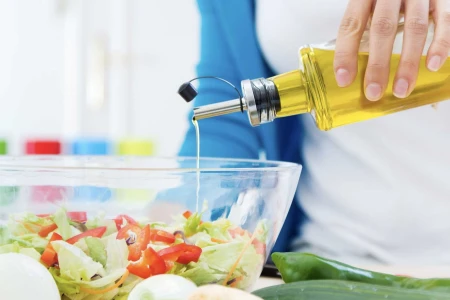
Education should also cover practical aspects of using natural oils in the kitchen. Many people do not know that some cold-pressed oils are unsuitable for high-temperature cooking and are best used as an addition to ready-made dishes or salads.
Collaboration with dietitians and nutrition specialists can help build credibility and demonstrate the scientific basis for the health benefits of consuming natural cold-pressed oils.
The Future of Local Oil Production
Trends in nutrition and growing consumer awareness indicate that the future belongs to local, sustainable production of high-quality food products. Local cold-pressed oil production fits perfectly into these trends, offering a solution that combines health consciousness with responsible environmental practices.
Advances in pressing technology make equipment increasingly accessible to smaller producers. Oil presses available at prasyolejowe.pl represent the latest achievements in natural pressing, combining high efficiency with affordability.
The rising interest in functional foods and superfoods means that natural cold-pressed oils will continue to gain popularity. Their richness in natural antioxidants, vitamins, and unsaturated fatty acids makes them ideal products for informed and health-conscious consumers.
Integrating local oil production with agritourism and ecological education can create additional revenue streams and strengthen the bond between producers and consumers. The opportunity to see the pressing process live and taste fresh oil directly from the press is an experience increasingly appreciated by visitors to agritourism farms.
Challenges and Opportunities
The development of local cold-pressed oil production also faces certain challenges that require thoughtful solutions. Seasonal availability of seeds necessitates careful planning of stock and proper storage conditions. However, this challenge can also become an opportunity for collaboration among different producers and the creation of regional supply networks.
Competition with cheap industrial oils requires local producers to clearly communicate the added value of their products. Consumer education and raising awareness of the quality differences between natural and industrial products become essential in this context.
Legal regulations regarding the production and sale of oil may pose a barrier for small producers but also guarantee consumer safety and high product quality. Proper preparation to meet legal requirements is an investment in credibility and long-term success.
Climate change and its impact on oilseed cultivation require flexibility and readiness to adapt. However, local production, due to shorter supply chains and direct contact with local conditions, can be more resilient to these challenges than global production systems.
Technology of the Future in the Service of Tradition
The future of local oil production lies in intelligently combining traditional methods with modern technologies. Advances in automation and quality control systems enable even small pressing facilities to achieve quality standards comparable to the largest producers.
The Internet of Things (IoT) and monitoring systems allow precise real-time control of pressing parameters. The ability to automatically adjust pressure, temperature, and other parameters according to the type of seeds being processed ensures optimal results and the highest quality of the final product.
Traceability systems enable consumers to know the full story of the oil they consume – from the field, through the pressing facility, to the bottle on the store shelf. This transparency builds trust and highlights the value of locally produced products.
The development of eco-friendly packaging, such as recycled glass bottles and biodegradable labels, allows local oil producers to further align with the philosophy of sustainable development and environmental responsibility.
Frequently Asked Questions (FAQ)
Which seeds are best suited for cold-pressed oil?
Cold-pressed oil is best obtained from seeds with an oil content above 15% and moisture below 10%. Ideal seeds have a natural hard shell, such as:
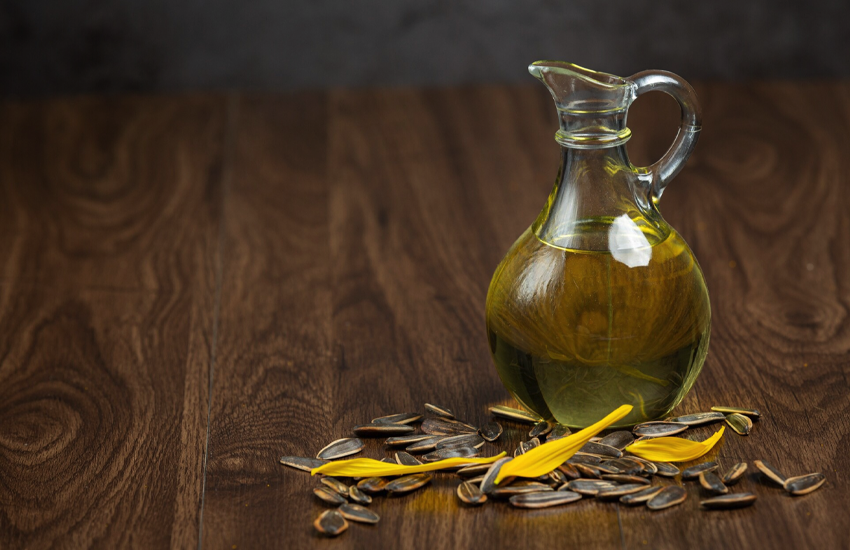
- Sunflower seeds with shell
- Rapeseed
- Flax seeds
- Pumpkin seeds
- Sesame
- Hemp seeds
Soft seeds, like hulled sunflower or pumpkin seeds, require higher pressing temperatures and are not suitable for cold-pressing.
Can cold-pressed oil be used for frying?
Most cold-pressed oils have a low smoke point, which means they are not suitable for high-temperature frying. They are best used for:
- Salads and cold dishes
- As a topping for already cooked warm dishes
- Marinating
- Baking at low temperatures (up to 160°C / 320°F)
For frying, it is better to use oils with a higher smoke point or oils specifically designed for high-temperature cooking.
What are the main health benefits of cold-pressed oils?
Cold-pressed oils retain all their natural nutrients:
- Unsaturated omega-3 and omega-6 fatty acids supporting cardiovascular health
- Natural vitamin E acting as an antioxidant
- Carotenoids protecting against free radicals
- Plant sterols that help lower cholesterol
- Phospholipids supporting brain and nervous system function
Regular consumption of natural cold-pressed oils can help reduce cholesterol levels, regulate blood pressure, and strengthen the immune system.