
Table of Contents
- Do You Need to Register a Business to Press Oil?
- Legal Basis for Small-Scale Oil Production
- Rules for Placing Oil on the Market as a Food Product
- Sanitary and Epidemiological Requirements for Small Oil Pressing Facilities
- HACCP System in an Oil Pressing Facility
- Labeling Requirements for Edible Oils
- Quality Control and Laboratory Testing
- Production Documentation and Batch Traceability
- Oil Sales – Distribution Channels and Legal Requirements
- Frequently Asked Questions (FAQ)
Small-scale oil pressing is an excellent way to make use of your own crops and create an additional source of income. An increasing number of farmers and small entrepreneurs are choosing to start their own oil mills to meet the growing demand for natural, locally produced food products. However, before you begin producing and selling oil, you need to familiarize yourself with the applicable legal regulations and sanitary-epidemiological requirements. This comprehensive guide covers all the key legal aspects of oil pressing in a small enterprise. You will learn what requirements you need to meet, which documents are essential, and how to prepare step by step for the legal production and sale of oil.
Do You Need to Register a Business to Press Oil?
If you plan to sell pressed oil (such as rapeseed, flaxseed, or sunflower oil), you must register as a food producer with the relevant Sanitary Inspectorate.
Even if you operate within a farm, you are still subject to the regulations of the Food and Nutrition Safety Act.
In summary:
Producing vegetable oil for consumption is considered food production, and therefore requires registration.
Registration is carried out with the District Sanitary and Epidemiological Station (SANEPID).
You do not need to start a business if you operate as a farmer under the Marginal, Local, and Restricted (MLR) activity framework – though additional conditions must be met.
Legal Basis for Small-Scale Oil Production
What is a Small Food Enterprise?
A small enterprise in the food industry is a facility that employs fewer than 50 workers and has an annual turnover or balance sheet total not exceeding 10 million euros.
In practice, most small oil presses run by farmers fall into this category, which brings certain procedural simplifications.
Key Legal Acts Regulating Oil Production
Oil production in Poland is governed by several core legal documents:
- Regulation (EC) No 852/2004 on the hygiene of foodstuffs
- The Food and Nutrition Safety Act of 25 August 2006
- Regulation of the Minister of Health on sanitary requirements for food establishments
- The Food Control System Act, which governs quality supervision and product safety
Understanding these regulations is essential for anyone planning to start oil production on a commercial scale.
Rules for Placing Oil on the Market as a Food Product
Every food product made available to consumers must comply with food safety requirements.
In the case of edible oils, this includes, among other things:
the use of healthy, uncontaminated seeds (such as rapeseed, flaxseed, or sunflower),
an appropriate technological process (e.g. cold pressing),
the absence of harmful residues (such as mold or heavy metals),
compliance with Regulation (EC) No 852/2004 and national legislation,
implementation of a HACCP analysis, even in its simplified form.
Sanitary and Epidemiological Requirements for Small Oil Pressing Facilities
Registration with the State Sanitary Inspection
Before starting oil production, the first step is to register the activity with the State Sanitary Inspection.
This procedure is mandatory for all entities involved in food production, regardless of the scale of their operation.
The registration must be submitted at least 30 days before the planned start of production.
For small oil pressing facilities, a registration notification is sufficient — obtaining a full sanitary-epidemiological permit is not required.
Documents Required for Registration
The registration application must include:
- Description of the activity – a detailed specification of the type of oil produced and the production technology used,
- Site plan – showing the location of the oil pressing facility,
- Technological design – illustrating the production process flow,
- Documentation regarding the water source used in production,
- Description of waste management methods for by-products generated during the process.
Requirements for Production Premises
Rooms intended for oil pressing must meet specific sanitary standards:
- Floors and walls should be made of materials that are easy to clean and disinfect.
The best choice is smooth, impermeable surfaces resistant to cleaning and disinfecting agents. - Ventilation must ensure adequate air exchange and prevent the condensation of water vapor.
Vent openings should be protected against the entry of pests. - Lighting must be sufficient for all production and control activities.
Light sources should be secured to prevent breakage. - Water supply – the water used in production must meet drinking water quality standards,
and regular water quality tests are required.
HACCP System in an Oil Pressing Facility
What is the HACCP System?
HACCP (Hazard Analysis and Critical Control Points) is a system for identifying, evaluating, and controlling hazards that may affect food safety.
It is a mandatory system for all food business operators, regardless of the size of the enterprise.
Implementing HACCP in an Oil Pressing Facility – Step by Step
Step 1: Hazard Analysis
The first stage involves identifying all potential hazards that may occur during oil production:
Biological hazards (bacteria, mold, yeast)
Chemical hazards (pesticide residues, heavy metals)
Physical hazards (metal fragments, glass, or other foreign materials)
Step 2: Determining Critical Control Points (CCP)
In the oil pressing process, the critical control points usually include:
- Raw material quality control (seeds, nuts)
- Cleaning process of raw materials
- Pressing temperature
- Oil filtration
- Storage of the finished product
Step 3: Establishing Critical Limits
For each CCP, critical parameter limits must be defined, for example:
- Maximum oil temperature during pressing: 40°C (for cold-pressed oil)
- Minimum raw material cleanliness: no visible contaminants
- Maximum oil storage time before bottling: 48 hours
Step 4: Monitoring
Develop monitoring procedures for each CCP, which should specify:
- Frequency of inspections
- Measurement methods
- Persons responsible for control
- Record-keeping and documentation of results
HACCP System Documentation
The HACCP system requires maintaining appropriate documentation, including:
- HACCP Plan – the main document describing the entire system
- Control logs – records of all inspections and observations
- Corrective procedures – actions taken when critical limits are exceeded
- Employee training documentation – records confirming HACCP training completion
Labeling Requirements for Edible Oils
Mandatory Information on the Label
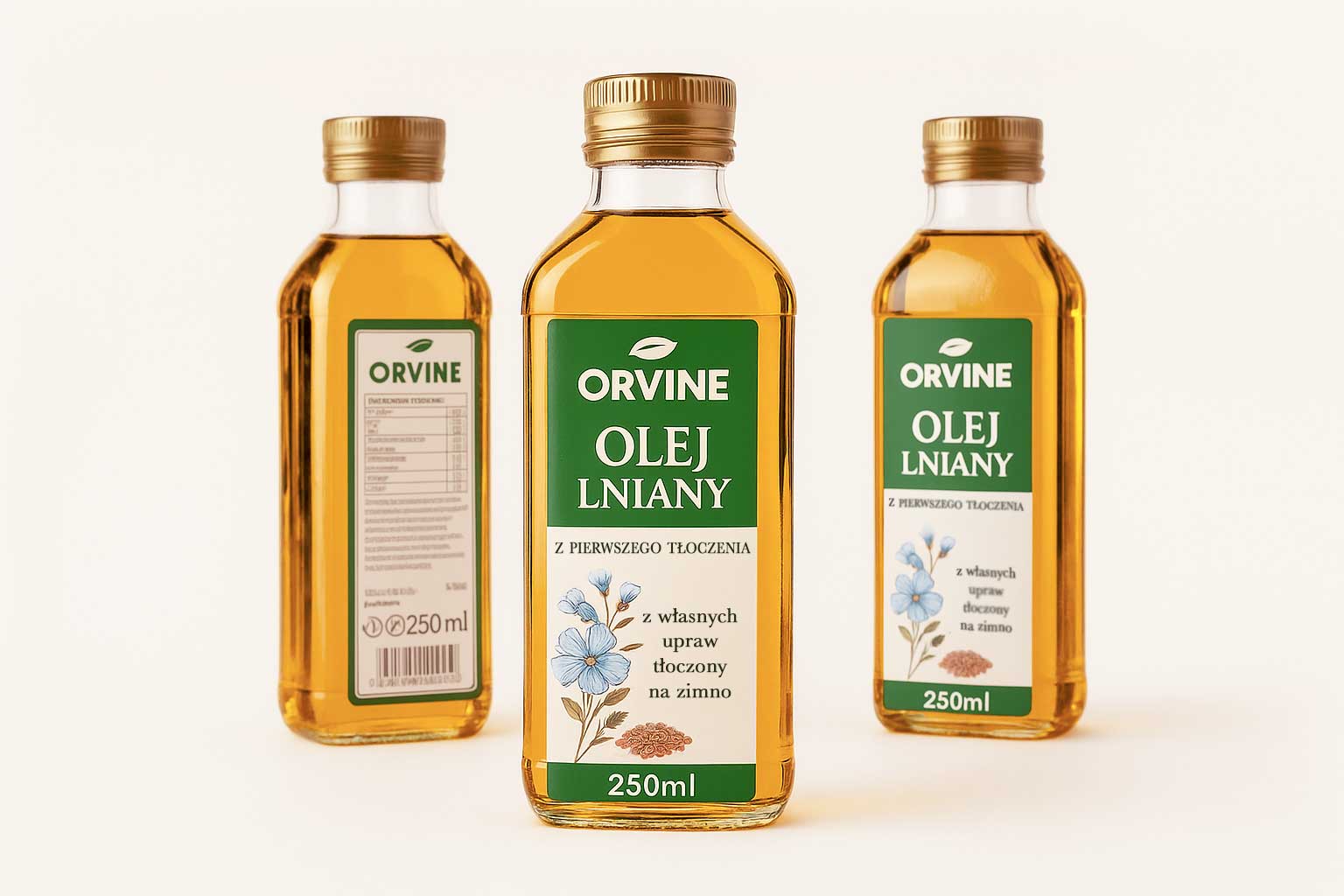
According to food information regulations, every edible oil label must include:
- Product name – must be clear and distinctive, e.g. “Cold-Pressed Rapeseed Oil”
- List of ingredients – for single-source oils, the raw material name is sufficient
- Nutritional values – nutritional table per 100 g of product
- Net weight – precise weight or volume in grams or milliliters
- Best-before date – determined based on product shelf-life studies
- Storage conditions – e.g. “Store in a cool, dry place, away from light”
- Name and address of the producer – full identification details
Additional Labeling for Cold-Pressed Oils
If you produce cold-pressed oil, you may use this designation only if:
- The pressing temperature does not exceed 60°C
- The oil has not undergone chemical refining or purification
- The natural nutritional properties of the product have been preserved
Geographical Indications
Farmers may use geographical indications if the following conditions are met:
- The raw material originates from a specific region
- The production process takes place in the same region
- The oil possesses distinctive qualities or characteristics linked to its geographical origin
Quality Control and Laboratory Testing
Mandatory Oil Testing
Every oil producer is required to conduct regular quality testing of their products, including:
1. Microbiological Tests
Control for pathogenic bacteria:
- Salmonella – absent in 25 g
- E. coli – maximum 10 CFU/g
- Total count of mesophilic bacteria
2. Chemical Tests
Analysis of composition and safety parameters:
- Acid value – max 4.0 mg KOH/g (for refined oil)
- Peroxide value – max 10 mEq O₂/kg
- Moisture and volatile matter – max 0.2%
- Presence of heavy metals (lead, cadmium, mercury)
3. Organoleptic Tests
Evaluation of appearance, smell, and taste of the oil
Testing Frequency
The minimum frequency of testing depends on production volume:
- Up to 1,000 liters/month – once per quarter
- 1,000–5,000 liters/month – once every two months
- Above 5,000 liters/month – once per month
Selecting a Laboratory
All analyses must be carried out by an accredited laboratory.
A list of accredited facilities is available on the website of the Polish Centre for Accreditation (PCA).
The typical cost of a comprehensive oil analysis ranges from 300 to 500 (polish zloty)
Note: In the case of agricultural retail trade, testing of grain-based products is not mandatory.
Production Documentation and Batch Traceability
Mandatory Production Records
Each oil producer must maintain detailed production records, including:
1. Production Log
Containing information about:
- Date and time of production
- Quantity and origin of raw materials
- Pressing process parameters
- Quantity of oil obtained
- Name of the person responsible for production
2. Raw Material Register
Including:
- Source of seeds/nuts
- Date of purchase or harvest
- Results of raw material quality checks
- Storage conditions
3. Sales Documentation
Including:
- Batch number
- Date of sale
- Buyer/recipient details
- Quantity of oil sold
Batch Numbering System
Implementing a batch numbering system is crucial for product traceability.
Each batch number should include information about:
- Production date (e.g. 240315 for March 15, 2024)
- Oil type (R – rapeseed, S – sunflower, etc.)
- Sequential batch number for that day
- Example batch code: 240315-R-001
Record Retention Period
Production documentation must be kept for a period equal to the product’s shelf life plus an additional 6 months.
In practice, this usually means 2 to 3 years.
Oil Sales – Distribution Channels and Legal Requirements
Direct Sales from the Producer
Farmers and small producers may sell oil directly to end consumers.
This is the simplest and least legally burdensome form of sale, which includes:
🔹On-farm sales – directly at the production site
🔹Market sales – requires registration with the local municipal office and a valid health certificate
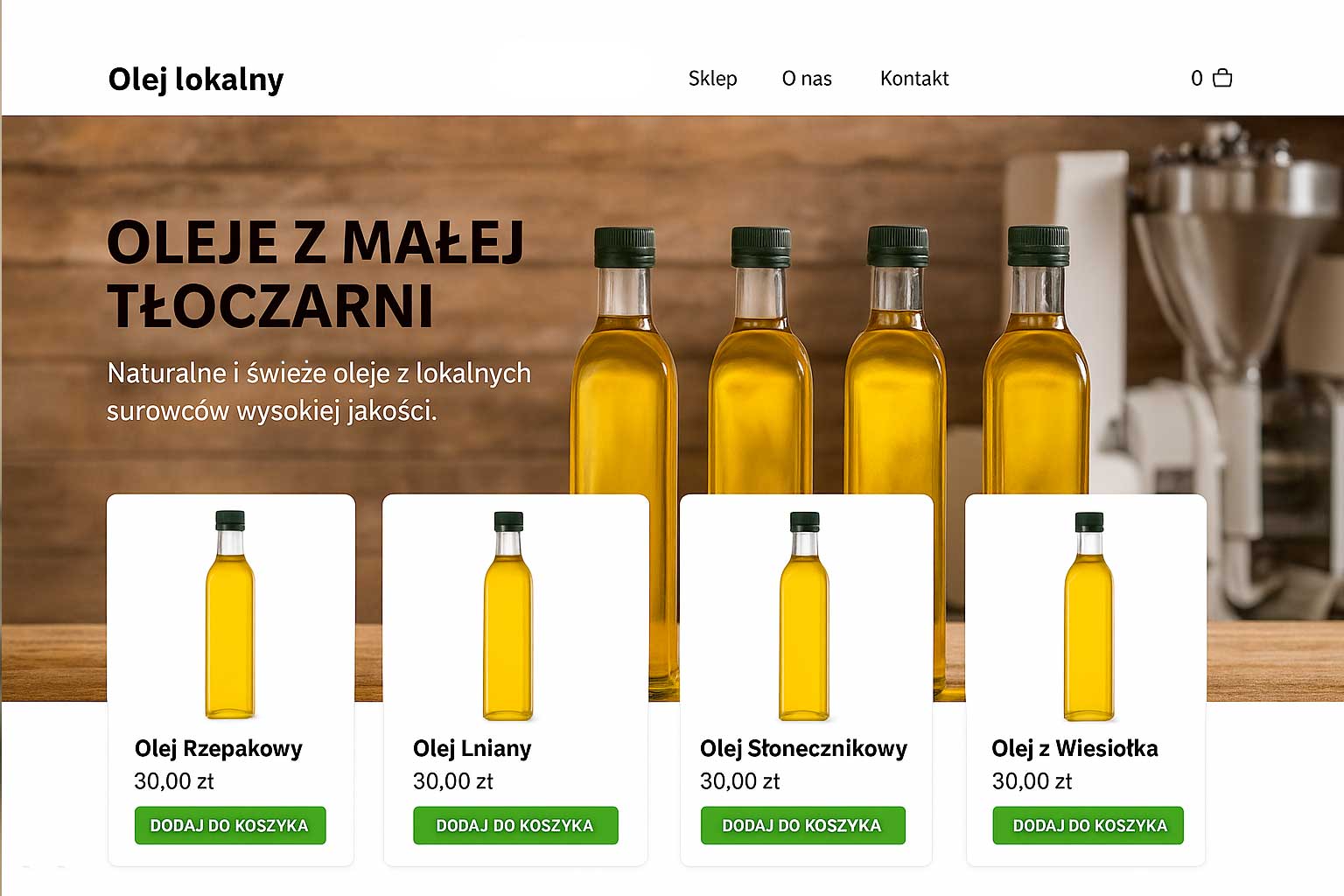
🔹Online sales – must comply with e-commerce and consumer protection regulations
Sales to Shops and Restaurants
Selling to retail outlets requires meeting additional requirements:
- Signing agreements with recipients specifying delivery terms
- Ensuring appropriate transport while maintaining the cold chain
- Providing documentation of product quality
- Obtaining relevant quality certificates
Transport Requirements
Oil transport must comply with the following rules:
- Vehicles must be clean and designated for food transport
- Oil should be protected from direct sunlight
- Transport temperature should be 10–18°C
- Drivers must have up-to-date sanitary and epidemiological certifications
Oil Pressing for Feed – Different Regulations
To use press cake (the by-product of oil pressing) as animal feed, other regulations must be followed, based on the Feed Act and EU regulations.
Required actions include:
- Registering feed production with the District Veterinary Officer
- Complying with traceability requirements
Insurance and Civil Liability
Mandatory Insurance
Oil producers should have:
- Civil liability insurance for damages in private life and business – minimum coverage: 50,000 PLN
- Product liability insurance – protects against consumer claims related to product defects
Additional Insurance
It is also worth considering:
- Property insurance (equipment, buildings)
- Loss of profit insurance
- Insurance for raw materials and finished products
Support for Small Oil Producers
Funding Programs
The modern agricultural market increasingly supports small producers, offering practical assistance in business development, including oil pressing. Farmers and small oil press owners can access various financial and advisory forms of support to modernize facilities, improve production quality, and promote their products locally.
One key source of support is the Rural Development Program (PROW), which provides grants for modernizing processing infrastructure, purchasing specialized oil presses, and implementing quality certification. These funds make it possible to invest in modern technologies and adapt facilities to sanitary and veterinary standards, essential for legally producing edible or feed oil.
In addition to nationwide programs, local initiatives, such as Local Action Groups (LGD), promote regional products, help create “short supply chains” connecting producers directly with consumers, and organize training for farmers and processors to improve skills in production, marketing, and food law.
Industry Organizations
It is also worth noting the activities of industry organizations, such as the National Chamber of Oil Producers or the Association of Organic Food Producers. Joining such organizations offers benefits such as access to up-to-date legal and industry information, participation in specialized training, marketing support, and representation of members’ interests at national or EU levels. Local producer groups also facilitate experience sharing and problem-solving, which can be invaluable for small operations.
Thanks to this support, small oil producers can grow dynamically, professionalize operations, and build a stable position in local, regional, and even national markets.
Trends and Future of Small Oil Presses
Increasing Demand for Local Products
Technical education is not required, but anyone involved in food production must undergo training in food hygiene and the HACCP system. Various institutions organize such training, costing approximately 200–400 PLN. Additionally, completing a course in oil pressing technology is recommended.
Innovations in Oil Production
Another factor shaping the industry’s future is innovation in pressing technology. Modern solutions allow small oil presses to increase production efficiency and significantly improve oil quality. New equipment enables precise temperature control, automation of key process stages, and reduced raw material loss. This leads to higher-quality final products and greater profitability, even on a small production scale.
Quality Certification
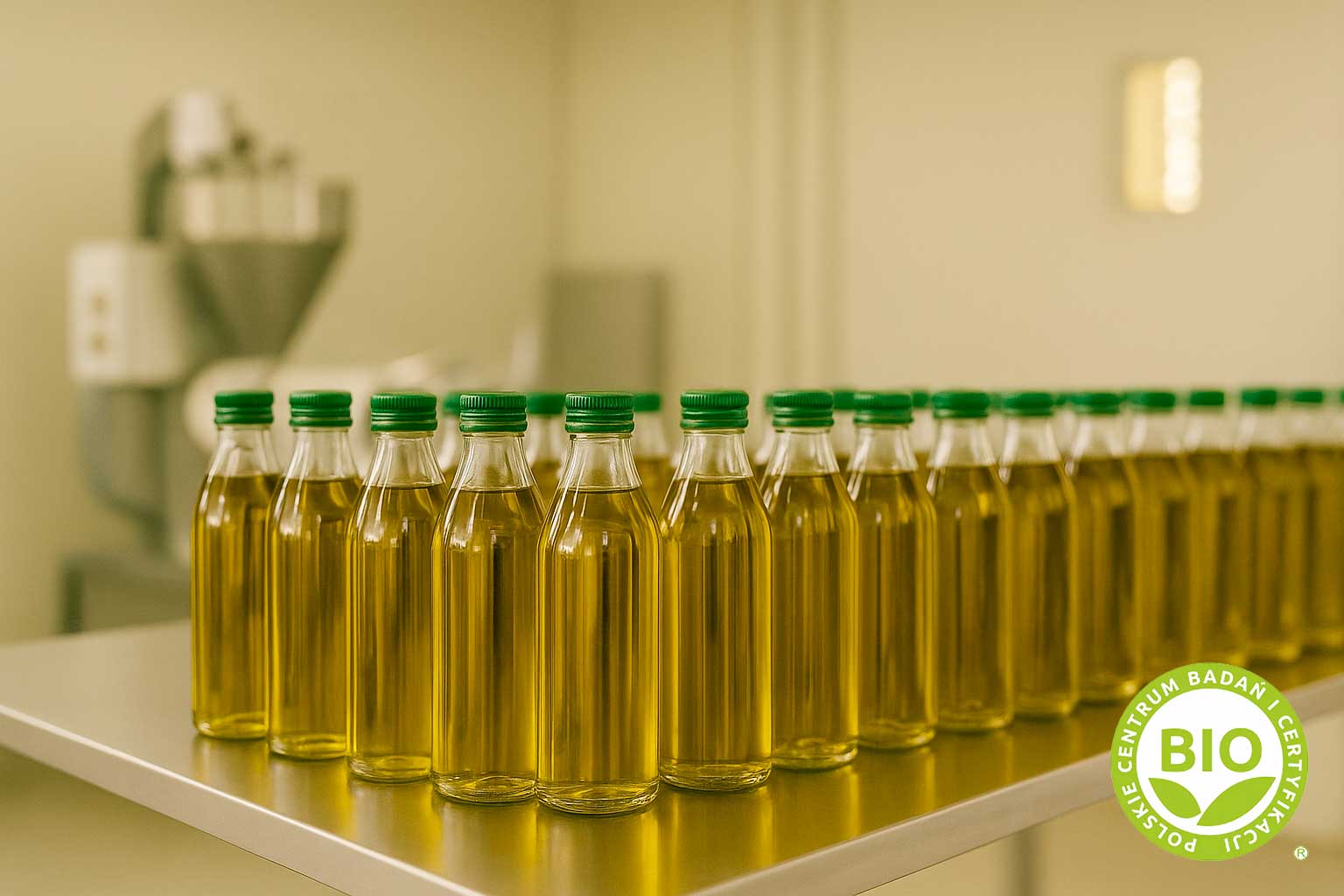
Quality certification is increasingly important, enhancing consumer trust and opening doors to prestigious distribution channels. Oils from organic crops can obtain a BIO certificate, confirming their purity and naturalness. Products made according to local traditions may receive the “Traditional Quality” label, while oils characteristic of specific regions, e.g., linseed from Podlasie or rapeseed from Wielkopolska, may be eligible for the EU Protected Designation of Origin. Such certifications not only serve marketing purposes but also act as a genuine quality differentiator in the competitive food market.
Frequently Asked Questions (FAQ)
How long does it take to obtain all the required approvals?
The procedure for registering a business with the State Sanitary Inspection (PIS) takes 30 days from the submission of complete documents. Additionally, you need to account for the time required to prepare HACCP documentation (2–4 weeks), conduct initial laboratory tests (1–2 weeks), and possibly adjust the production premises. In total, the entire process may take 2–3 months.
Do I need a technical education to produce oil?
No, a technical education is not required. However, anyone involved in food production should complete training in food hygiene and the HACCP system. Additionally, it is recommended to take a course on oil pressing technology.
Does a farmer need to have a registered business to sell oil?
No, if they operate under the Marginal, Local, and Restricted (MLO) activity framework. Otherwise, a business registration will be required.
What are the most common mistakes made by beginner oil producers?
The most common mistakes include: lack of proper HACCP documentation, incorrect product labeling (especially missing nutritional information), irregular laboratory testing, improper storage conditions for oil, and lack of liability insurance. It is advisable to consult with an industry advisor before starting production.
Can I sell oil online without additional formalities?
Selling online requires compliance with e-commerce regulations, including: registration in the REGON system as a business, posting all required information about the product and producer on the website, ensuring proper packaging and transport, and informing customers about their right of withdrawal. Additionally, all standard requirements for production and labeling of oil apply.
Summary
Running a small oil pressing facility requires compliance with numerous legal requirements, but with proper preparation, it is achievable for any farmer or small entrepreneur. The key to success is thorough documentation, meeting sanitary and epidemiological requirements, and systematic quality control. Remember, investing in compliance is not only a legal requirement but also a guarantee of consumer safety and building trust in your brand. With the right approach, small oil pressing operations can become profitable and promising businesses, meeting the growing demand for natural, local food products.