
Table of Contents
- The Tradition of Eating Insects – Not So New After All
- A Modern Approach to Insects in Nutrition
- Nutritional Properties of Insect Oil
- Insect Oil vs. Vegetable Oils – A Detailed Comparison
- Challenges and Controversies
- The Future of Insect Oil
- Recommendations and Conclusions
- Frequently Asked Questions About Insect Oil
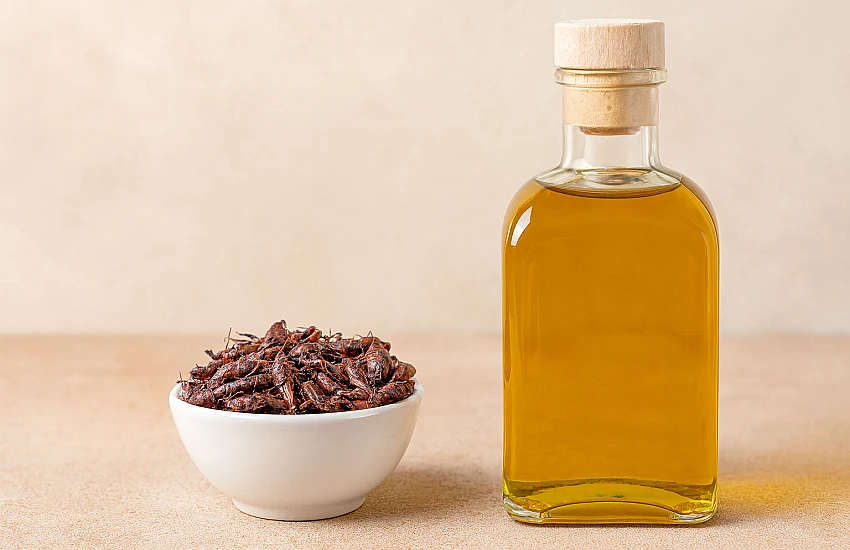
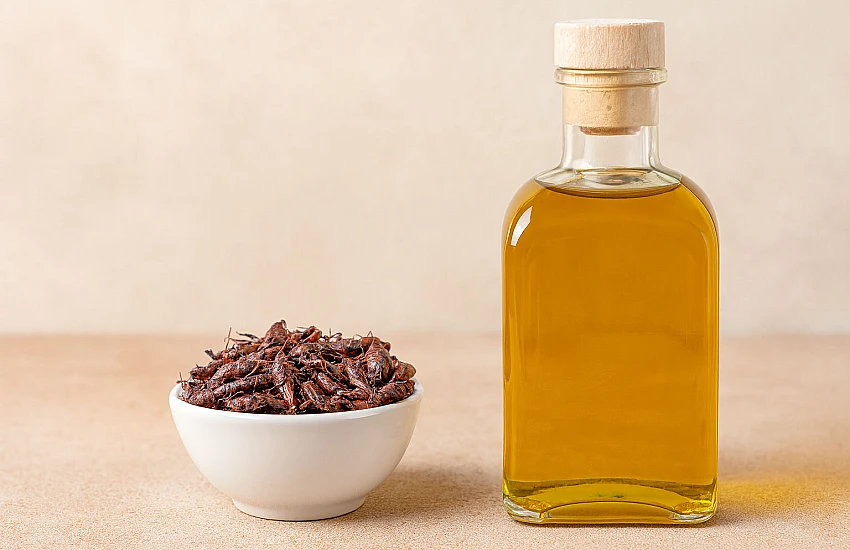
lIn a world full of nutritional innovations, increasingly unusual proposals are emerging. One of the newest and most controversial is insect oil – a product that aims to revolutionize our approach to dietary fats. But is it truly a valuable alternative to traditional vegetable oils, or just another marketing trend? In this article, we take a closer look at this topic, analyzing both the advantages and disadvantages of oils derived from insects.
The Tradition of Eating Insects – Not So New After All
Insects in the Diet Across Continents
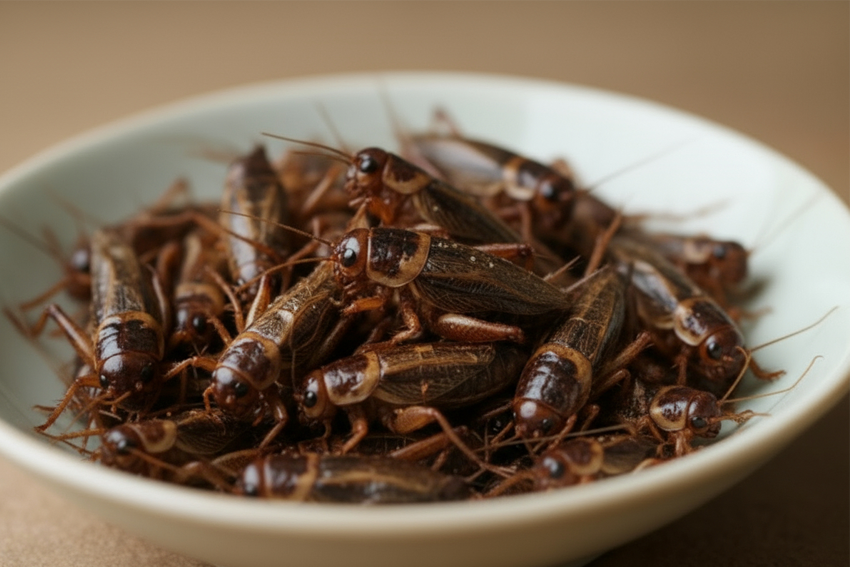
Before discussing insect oil, it’s worth remembering that eating insects (entomophagy) is not a new trend at all. In fact, around 2 billion people worldwide regularly include insects in their diet, treating them as a natural source of protein and other nutrients.
In Asia, particularly in Thailand, Vietnam, Cambodia, and Laos, insects are an integral part of local cuisine. Popular dishes include crickets fried with spices, silkworm larvae cooked in coconut milk, red ants added to salads, and water beetles eaten as snacks.
In Africa, where about 400 species of insects are regularly consumed, the most popular include mopane caterpillars in Southern Africa, termites collected during the rainy season, locusts eaten as a seasonal delicacy, and palm weevil larvae.
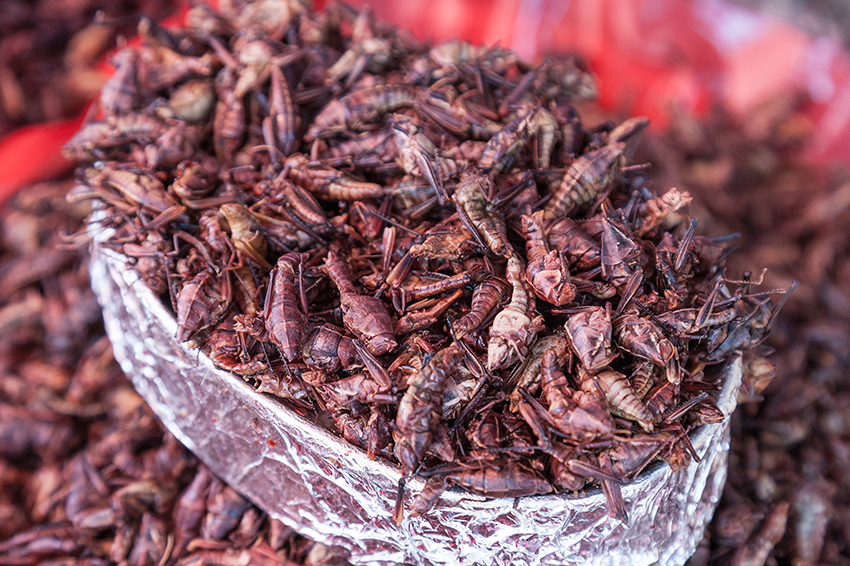
In Latin America, the tradition dates back to pre-Columbian times and includes escamoles (ant eggs) in Mexico, known as the “caviar of the desert,” chapulines (grasshoppers) in the Oaxaca region, and hormigas culonas (large ants) in Colombia.
Why Insects? Socioeconomic Reasons
The introduction of insects into the diet often stemmed from economic necessity. In regions with limited access to traditional protein sources, insects provided an affordable and nutrient-rich alternative. Moreover, in many societies, insects were seen not as food “of necessity” but as a delicacy.
Insects are characterized by a high protein content—often reaching 50–80% of dry mass—containing all essential amino acids, rich in vitamins (especially B12), and abundant in minerals such as iron, zinc, and magnesium.
A Modern Approach to Insects in Nutrition
Trends in Global Gastronomy
Today, eating insects is experiencing a renaissance—but for reasons quite different from those in traditional societies. Entomophagy 2.0 is a trend driven by environmental awareness, as insect farming requires far fewer resources than raising conventional livestock. Moreover, people are increasingly seeking alternative protein sources amid a growing global population. Curiosity, culinary experimentation, and health-conscious living also play major roles—since insects are naturally gluten-free and have a low glycemic index.
Insects as the Superfood of the Future
The Food and Agriculture Organization of the United Nations (FAO) already in 2013 published a report encouraging the broader use of insects in human nutrition. It highlighted numerous benefits, including the high feed conversion efficiency of insects—they require up to 10 times less feed than cattle to produce one kilogram of protein. Insect farming also emits significantly fewer greenhouse gases than conventional livestock production, requires up to 100 times less water than beef farming, and allows organic waste to be used as feed for insects.
The Origin of the Insect Oil Concept
From Processing to Innovation
The idea of producing oil from insects emerged as a natural evolution of insect processing. While insects were traditionally eaten whole, modern technologies now make it possible to extract individual components—including fats.
The process of producing insect oil involves breeding insects in controlled conditions, drying and grinding the insect biomass, extracting the oil through mechanical or chemical methods, and finally purifying and refining the product.
Insects as a Source of Oil – Which Species?
Not all insects are suitable for oil production. The most commonly used species are:
Black soldier fly larvae, containing 15–20% fat, rich in omega-3 and omega-6 fatty acids, and easy to breed on organic waste.
House crickets, with 5–10% oil and a fatty acid profile similar to fish oil, have a long tradition of farming.
Mealworm larvae, distinguished by 25–35% high-quality, neutral-tasting fat, as well as rapid growth and reproduction rates.
Palm weevil beetles, which can contain up to 40% oil rich in saturated fatty acids, traditionally consumed in Southeast Asia.
Nutritional Properties of Insect Oil
Chemical Composition and Nutritional Value
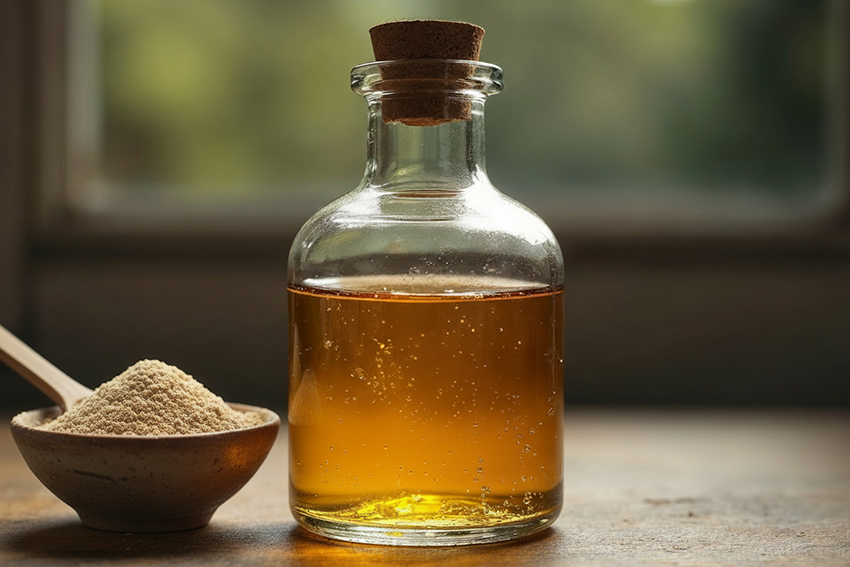
Insect oil has a unique nutrient profile that differs significantly from traditional vegetable oils. The main fatty acids include palmitic acid (15–25%), stearic acid (5–15%), oleic acid (20–40%), linoleic acid (10–30%), and α-linolenic acid (1–5%).
In addition to fatty acids, insect oil also contains bioactive compounds such as vitamin E (in the form of tocopherols), carotenoids responsible for coloration, phospholipids, and sterols — including naturally occurring cholesterol and insect-specific ecdysteroids.
Insect oil can be produced through cold pressing, similar to high-quality vegetable oils. Scientific studies show that oil extraction from mealworm larvae can occur at temperatures as low as 25°C, even lower than most vegetable oils pressed cold (35–40°C). This low temperature helps preserve nutrients, vitamins, and antioxidants.
However, despite the ability to cold-press and retain nutrients, vegetable oils remain a better overall choice due to their more favorable fatty acid profile, higher natural antioxidant content, absence of cholesterol, and significantly lower cost.
Comparison with Vegetable Oils
| Parameter | Insect Oil | Unrefined Rapeseed Oil | Unrefined Sunflower Oil | Unrefined Linseed Oil |
|---|---|---|---|---|
| Oleic Acid | 20–40% | 60–65% | 15–25% | 15–20% |
| Linoleic Acid | 10–30% | 18–22% | 55–75% | 12–18% |
| α-Linolenic Acid | 1–5% | 8–12% | 0.5–1% | 45–65% |
| Oxidative Stability | Medium | High | Low | Very Low |
| Smoke Point (Unrefined) | 120–140°C | 107–110°C | 107–120°C | 107°C |
Insect Oil Production
Modern Pressing Technologies
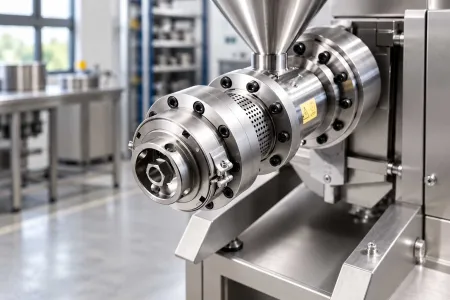
Producing insect oil requires advanced equipment and precise process control. Just like traditional oilseed pressing (rapeseed, sunflower, flax), the key component is a high-quality oil press that meets rigorous hygiene and performance standards.
Technical Specifications of the Oil Press
The Cold and Hot Oil Press (25 kg/h) available at pureoilpress.com is a professional device suitable for both home and commercial applications. All components that come into contact with the raw material are made entirely of medical-grade stainless steel, ensuring top hygiene and food safety standards.
The device features a direct-drive system with special gearing, eliminating the need for drive belts. This design ensures low power consumption (1.5 kW at 230V), reliable operation with minimal maintenance, and a long service life.
A key feature is the adjustable screw rotation speed, allowing users to tailor the process to different seeds or raw materials. The machine also includes adjustable pressure settings and six interchangeable nozzles, optimizing oil yield and quality for various input types.
Another valuable feature is the integrated head heating system with digital temperature monitoring. This enables precise control during both cold pressing (up to 40°C) and hot pressing, with customizable settings for each material to ensure consistent oil quality even under varying environmental conditions.
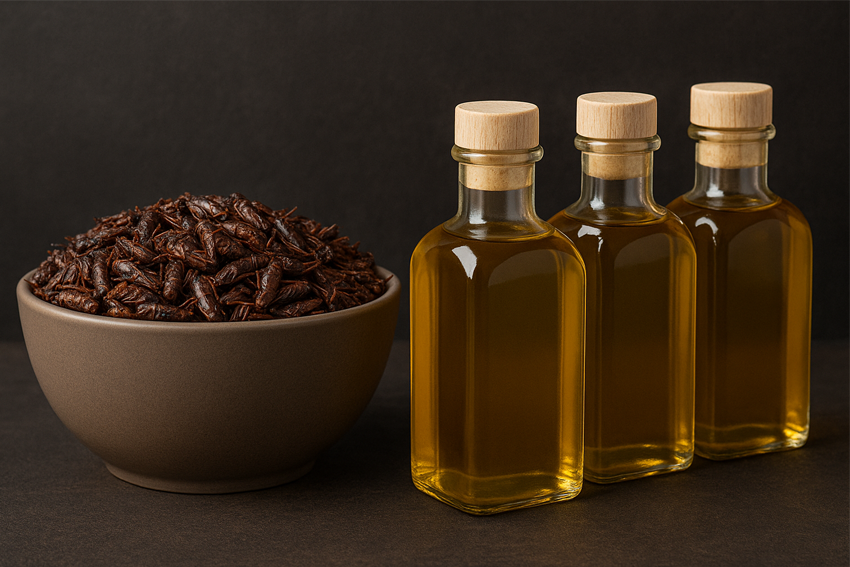
The versatility of this press is remarkable — the manufacturer claims it can process over 100 types of raw materials, including traditional oilseeds like rapeseed, sunflower, camelina, sesame, as well as exotic ones such as chia, moringa, jojoba, argan, and even crickets, making it an ideal tool for innovators exploring insect oil production.
With dimensions of 87 × 33 × 55 cm and a weight of 68 kg, the press is compact enough for most production spaces yet robust for continuous operation. Additionally, all components in contact with the product are dishwasher-safe, simplifying hygiene maintenance at a professional level.
Insect Oil vs. Vegetable Oils – A Detailed Comparison
Nutritional Aspects
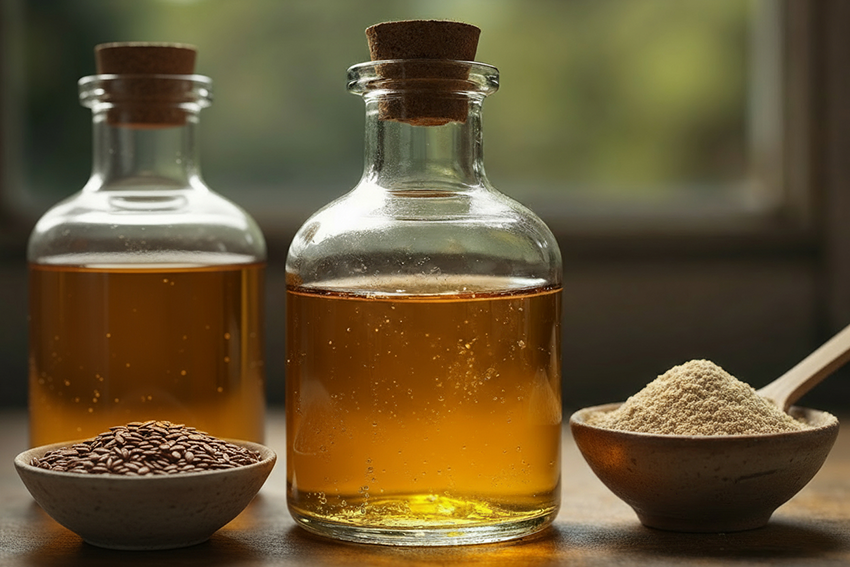
Although insect oil may appear to be an innovative alternative, traditional vegetable oils still hold significant advantages. First and foremost, they have a proven safety profile supported by hundreds of years of human consumption. They also provide a better omega fatty acid ratio, especially in oils such as flaxseed, chia, and rapeseed oil.
Vegetable oils contain higher concentrations of antioxidants, including vitamin E, polyphenols, and carotenoids, and, importantly, they are completely free of cholesterol, which naturally occurs in insects. Their greater availability and affordability also make them more practical for everyday use.
Rapeseed oil stands out with an optimal omega-6 to omega-3 ratio of 2:1, a high content of heart-healthy oleic acid, natural vitamin E, and excellent heat stability.
Flaxseed oil, on the other hand, offers the highest content of alpha-linolenic acid (omega-3) among plant oils, along with anti-inflammatory properties, support for the cardiovascular system, and a positive impact on blood lipid profiles.
Environmental Aspects – Myth or Reality?
Although insect oil is often promoted as an eco-friendly alternative, the truth is more nuanced. Potential environmental advantages include lower water usage, the ability to feed insects with organic waste, and reduced greenhouse gas emissions per kilogram of protein produced.
However, there are also significant ecological limitations. Insect farming requires a substantial amount of energy to maintain controlled environmental conditions such as temperature and humidity. Additionally, the processing and refining of insect oil are energy-intensive, and the transport and distribution of such a niche product contribute further to CO₂ emissions.
Moreover, the lack of large-scale production infrastructure means that most current insect oil production takes place in small, less energy-efficient facilities, which limits its true sustainability potential.
Economic Aspects
Vegetable oils have a clear economic advantage.
Rapeseed oil costs approximately 2–3.5 EUR per liter,
Sunflower oil 1.5–3 EUR per liter,
Flaxseed oil 6–9 EUR per liter,
while the estimated price of insect oil currently ranges from 45 to 110 EUR per liter.
This makes insect oil a luxury, experimental product rather than a realistic replacement for everyday use in cooking or nutrition — at least with today’s production technologies and market conditions.

Challenges and Controversies
Psychological Barriers
The greatest challenge for insect oil is not technical or nutritional, but social acceptance. In Western culture, insects are often associated with dirt, disease, “survival food,” or extreme experiences. These deeply rooted cultural associations form a major barrier to the widespread acceptance of insect-based products.
Legal Regulations
In the European Union, insect oil is subject to strict regulations. It requires authorization as a “Novel Food,” must undergo a detailed safety assessment conducted by the European Food Safety Authority (EFSA), and is closely monitored for quality at every stage of production. In addition, transparent labeling is required to inform consumers about the product’s origin and source.
Potential Risks
The safety aspects of insect oil include the risk of allergic reactions, particularly in individuals allergic to shellfish due to the similarity of allergenic proteins. There is also a potential risk of contamination with heavy metals if insects are fed with unsuitable substrates. The presence of chitin and other hard-to-digest components may cause digestive discomfort in some individuals. Moreover, the long-term health effects of consuming insect oil are not yet fully understood, which adds another layer of uncertainty.
The Future of Insect Oil
Technological Development
The insect industry is growing rapidly, with increasing investments in insect oil production technologies each year. Key areas of innovation include optimizing breeding through automation of reproduction processes, improving insect nutrition, enhancing environmental control, and increasing production efficiency.
In the field of extraction technology, methods such as supercritical CO₂ extraction, enzymatic hydrolysis, ultrasonication, and microwave-assisted extraction are being developed. These advanced techniques allow for more efficient oil extraction while preserving its nutritional properties.
At the same time, advancements in processing and refining are being made to remove unwanted compounds, standardize composition, extend shelf life, and improve sensory qualities — particularly taste and aroma, which remain major consumer barriers.
Market Forecasts
Analysts predict that the insect oil market will grow at a rate of 15–20% annually over the next decade. The main drivers include increasing environmental awareness, the search for alternative fat sources, technological advancements in production, and gradually rising consumer acceptance.
However, experts emphasize that vegetable oils will maintain their dominant market position due to their established reputation, superior nutritional profile, significantly lower price, and high consumer approval.
Recommendations and Conclusions
Who Is Insect Oil For?
Insect oil can be an interesting option for enthusiasts of new food technologies who enjoy experimenting with innovative products. It may also appeal to those seeking unique culinary experiences and wanting to expand their flavor horizons. Environmentally conscious consumers might also find it appealing — although it’s worth remembering that plant-based oils are often a more sustainable choice. This product will also interest researchers and food scientists exploring the future of nutrition and food production.
Why Plant Oils Are the Better Choice
After analyzing all aspects, plant-based oils clearly outperform insect oil in most categories. From a health perspective, they offer a better fatty acid profile, higher antioxidant content, no cholesterol, and proven long-term safety backed by centuries of human use.
From a practical standpoint, plant oils are significantly more affordable, widely available, easy to store, and highly versatile in cooking. Environmentally, they are also advantageous — when cultivated responsibly, they can be just as sustainable, offer greater energy efficiency on an industrial scale, and make use of existing production infrastructure.
Is It Worth Trying?
If you’re curious about insect oil and want to try it — why not! It can be an interesting culinary and educational experience. However, don’t expect it to replace your traditional kitchen oils.
When experimenting with insect oil, make sure to check quality and safety certifications, start with small amounts, and monitor for any allergic reactions. It should be stored according to the manufacturer’s recommendations and treated as an experiment rather than a dietary staple.
Industrial Oil Pressing – Regardless of the Raw Material
Investing in Quality
Whether you decide to experiment with insect oil or stick to proven plant-based oils, industrial oil pressing requires professional equipment and precise technology to ensure the highest product quality.
Industrial pressing provides full control over the process, guarantees oil freshness, eliminates preservatives, allows experimentation with various raw materials, and ensures consistent large-scale production quality. All of this contributes to a unique product quality that is difficult to achieve with mass-produced, chemically extracted oils.
Raw Materials for Industrial Pressing
With the right press — such as those available on pureoilpress.com — you can extract oil from a wide range of raw materials. Traditional oilseeds include rapeseed, which produces a universal cooking oil; sunflower, rich in vitamin E; flaxseed, a great source of omega-3; and soy, ideal for vegan applications.
Nuts and seeds offer even more production potential. Walnuts produce a rich, aromatic oil perfect for salads; almonds yield a delicate-tasting oil; pumpkin seeds have a distinctive flavor; and sesame is ideal for Asian cuisine.
For true innovators in the food industry, exotic raw materials such as chia (a modern superfood), hemp (from legal varieties), black cumin (known for its medicinal oil), and macadamia nuts (producing a luxurious, rich oil) offer exciting opportunities.
Summary – A Smart Choice
Insect oil is undoubtedly a fascinating innovation that demonstrates how far human creativity can go in the search for new food sources. Its development is important for addressing future global food challenges.
However, in the context of everyday nutrition, plant oils remain the better choice in nearly every respect. They offer superior nutritional properties, proven long-term safety, affordability, high availability, and culinary versatility.
If you want to experiment with insect oil — go ahead! It can be an intriguing experience. But don’t treat it as a replacement for traditional, trusted plant-based oils in your diet.
Regardless of your chosen raw material, investing in a high-quality oil press, such as the models offered by pureoilpress.com allows you to produce fresh, premium-quality oil under industrial conditions. This versatile machine makes it possible to experiment with both traditional oilseeds and more exotic materials — even insects — for the most innovative food producers.
Frequently Asked Questions About Insect Oil
Is insect oil safe to consume?
Insect oil produced according to industrial standards is considered safe, but in the European Union it requires authorization as a “novel food.” The main risks involve potential allergic reactions, especially for people allergic to shellfish due to similar proteins. Before consumption, it’s advisable to consult a doctor — particularly if you have known allergies.
What does insect oil taste like?
The taste of insect oil depends on the insect species and production method. Generally, it has a neutral or slightly nutty flavor, sometimes with mild notes reminiscent of fish oil. It is much less intense than one might expect. Refined insect oils are nearly tasteless.
Is insect oil better than plant-based oils?
No — plant oils are generally a better choice. They have a healthier fatty acid profile, higher antioxidant content, no cholesterol, and are significantly cheaper. Insect oil may be an interesting alternative for experimental food enthusiasts, but it does not surpass traditional plant oils in terms of nutrition or practicality.
How much does insect oil cost?
Insect oil is currently very expensive — estimated prices range from €45 to €110 per liter, making it 10 to 50 times more costly than traditional plant oils. The high price results from specialized breeding, small-scale production, and complex processing methods.
Can insect oil be pressed at home?
Yes, it’s possible, but it requires the right equipment and knowledge of the process. A specialized press — such as those available at pureoilpress.com — can be used both domestically and industrially. Home pressing ensures full control over the process and product freshness. However, for beginners, it’s usually more practical to start with traditional oilseeds such as rapeseed, sunflower, or flax.