
Table of Contents
- Why is proper oil storage so important?
- Guidelines for Storing Homemade Cold-Pressed Oil
- Additional Tips for Storing Oil
- Storage Time – How Long Can Homemade Oil Be Stored?
- How to Recognize That Oil Is No Longer Fresh
- FAQ – Most Frequently Asked Questions About Storing Homemade Oil
- Summary: How to Store Homemade Oil for Maximum Freshness
Freshly squeezed oil is a true treasure in any kitchen. With home oil presses, like those offered by pureoilpress.com, you can enjoy not only exceptional taste but also the full nutritional value. However, even the best cold-pressed oil will quickly lose its qualities if proper storage conditions are not maintained. In this article, you will find practical tips on how to store homemade oil to preserve its freshness, aroma, and health benefits for as long as possible. You will also learn about the most popular storage accessories and get answers to frequently asked questions.
Why is proper oil storage so important?
Cold-pressed oil is very sensitive to light, oxygen, and high temperatures. These factors accelerate oxidation and hydrolysis, leading to rancidity, loss of flavor, aroma, and valuable nutrients such as omega-3 and omega-6 fatty acids and vitamins.
Proper storage is not only a matter of taste – it’s also a guarantee of health.
Guidelines for Storing Homemade Cold-Pressed Oil
Protect from light
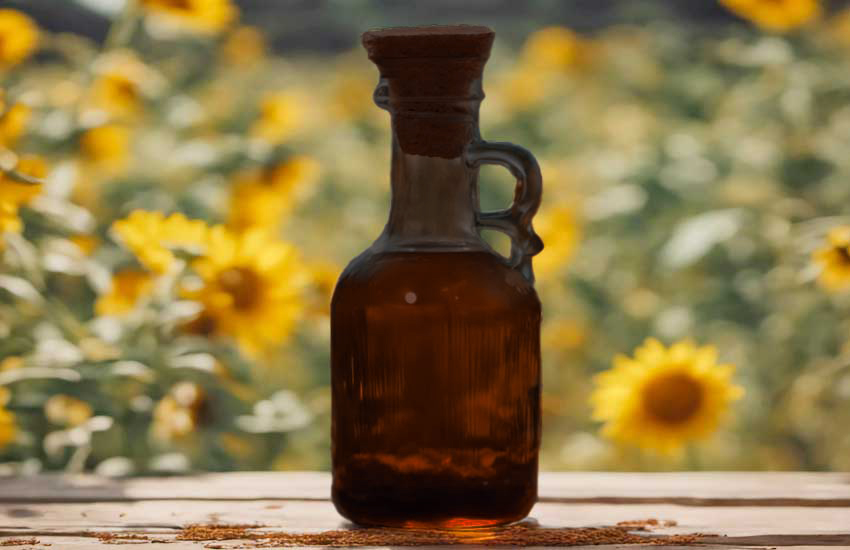
Light, especially sunlight, accelerates fat oxidation. It’s best to store oil in dark glass bottles or special containers that block light.
Limit exposure to oxygen
After each use, tightly close the bottle or container. Contact with air causes the oil to spoil faster.
Avoid high temperatures
Oil is best stored at 8–15°C (46–59°F). The lower the temperature (but above freezing), the longer it stays fresh. Ideal places include a cool, shaded cupboard or refrigerator (except for certain oils, e.g., olive oil, which may become cloudy in the fridge).
Choose suitable containers
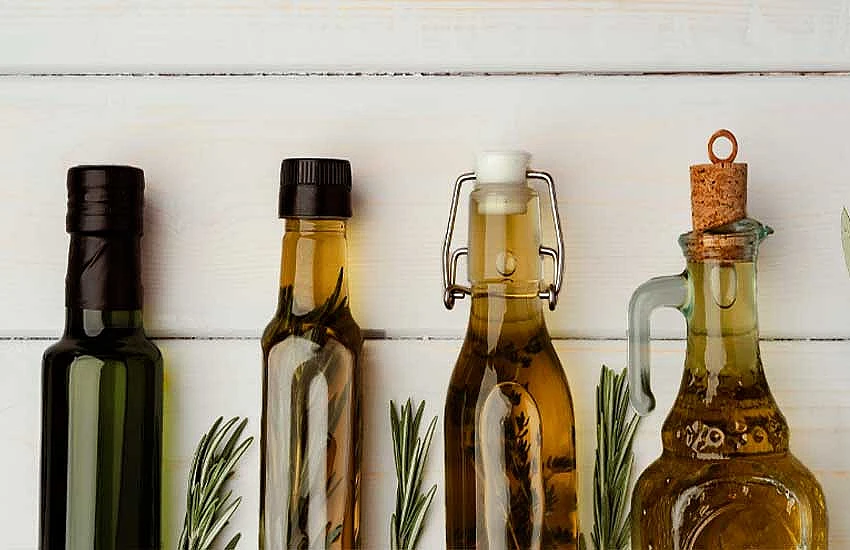
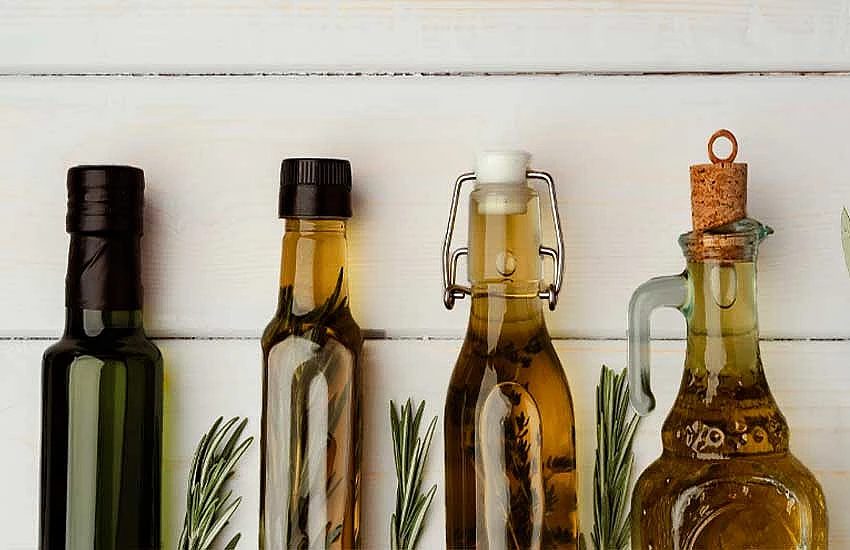
The best options are dark glass bottles or steel containers with airtight seals. Avoid plastic, which may react with the oil and allow light to pass through.
Monitor storage time
Cold-pressed oils are best consumed within a few weeks after opening. Always check the expiration date and pay attention to changes in smell or taste.
Additional Tips for Storing Oil
- Do not keep oil near the stove: High temperatures accelerate oxidation.
- Do not freeze the oil: Too low temperatures can alter the oil’s structure and affect its taste.
- Avoid plastic funnels: They can transfer odors and chemicals into the oil.
What are the best storage conditions for homemade oil?
The optimal storage temperature for cold-pressed oil is 10–18°C (50–64°F). It is best kept in a cool, shaded place, away from heat sources. A refrigerator can be a good option, especially for oils high in polyunsaturated fatty acids, such as flaxseed oil.
Storing the most common types of homemade oils
| Type of Oil | Best Storage Conditions | Shelf Life After Opening |
|---|---|---|
| Flaxseed Oil | Refrigerator, dark glass | 2–4 weeks |
| Rapeseed Oil | Cool, dark place / refrigerator | 3–6 months |
| Black Cumin Oil | Refrigerator, dark glass | 1–2 months |
| Pumpkin Seed Oil | Cool, dark place | 3 months |
| Olive Oil | Dark cupboard, 10–15°C (50–59°F) | 6–12 months |
| Coconut Oil | Room temperature, dark place | 6–12 months |
Storage Time – How Long Can Homemade Oil Be Stored?
Cold-pressed oils generally have a shorter shelf life than refined oils. Depending on the type of oil, this can range from 1 to 6 months. Flaxseed oil should be consumed within 2–4 weeks, while coconut oil can be stored for up to a year.
How to Recognize That Oil Is No Longer Fresh
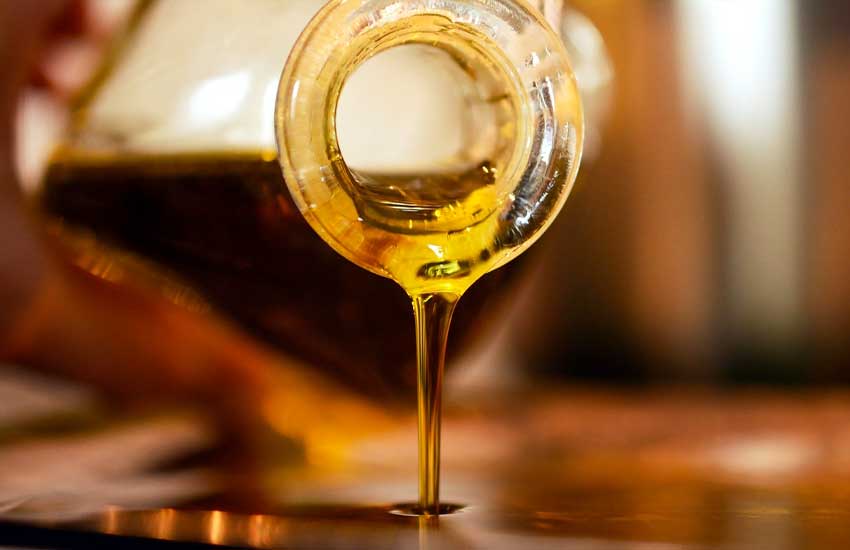
Oxidized oil changes its smell, becoming sour or rancid, loses its vibrant color, and may develop an unpleasant taste. If you notice any of these signs, the oil is no longer suitable for consumption. It can then only be used for non-food purposes.
Oil Storage Accessories – What’s Useful in the Kitchen?
Home oil presses, available at sites like pureoilpress.com, allow you to extract fresh oil from various seeds and nuts at home. Manufacturers also offer a wide range of accessories to help maintain the freshness of homemade oil:
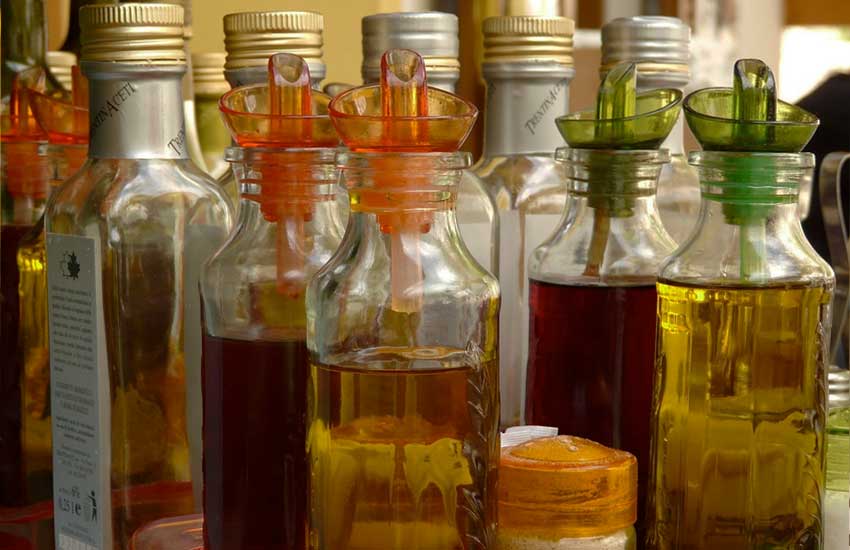
- Dark glass bottles – ideal for storing any type of oil, protecting it from light and oxidation.
- Steel oil containers – airtight, durable, and easy to clean; perfect for larger quantities.
- Dispensers – allow precise pouring without contamination.
- Funnels and strainers – essential for transferring freshly pressed oil into bottles.
Practical Tips: Step-by-Step Guide to Storing Homemade Oil
- After pressing, strain the oil through a fine sieve into a clean dark glass bottle.
- Fill the bottle to the top to minimize air exposure.
- Tightly seal the bottle and store it in a cool, shaded place.
- Label the bottle with the pressing date to monitor freshness.
- If sediment separates, transfer the oil to a new bottle and remove the sediment, as it accelerates spoilage.
- Close the bottle immediately after each use.
- Avoid transferring oil to plastic containers and keep it away from heat sources (stove, oven, radiator).
- For flaxseed, black cumin, or hemp oil, always store in the refrigerator.
Common Mistakes in Oil Storage
- Storing oil in transparent bottles or plastic containers.
- Leaving an open bottle on the kitchen counter.
- Keeping oil near the stove or oven.
- Overstoring oil after opening – even the best oil loses quality over time.
- Not cleaning bottles and accessories before reuse.
FAQ – Most Frequently Asked Questions About Storing Homemade Oil
Do all cold-pressed oils need to be stored in the refrigerator?
Not all. Oils that are very sensitive to oxidation, such as flaxseed, black cumin, or hemp oil, are best stored in the fridge. Olive oil or pumpkin seed oil can be kept in a cool, shaded cupboard – refrigeration may cause cloudiness, but it does not affect quality.
How long can homemade oil be stored after opening?
It depends on the type of oil. Flaxseed oil is best consumed within 2–4 weeks, while rapeseed oil and olive oil can last several months. Always check the pressing date and trust your senses – if the oil changes in smell or taste, do not use it.
Can I store oil in plastic bottles?
It is not recommended. Plastic can react with the fats and does not protect against light. Dark glass bottles or steel containers are best.
Which oil storage accessories are the most practical?
Dark glass bottles with airtight caps, steel containers, dispensers, and funnels – these make it easier to store, pour, and preserve the freshness of your oil.
Is a home oil press difficult to operate?
Modern oil presses are very easy to use. Simply add the seeds, close the lid, and start the device. In a few minutes, you have fresh, healthy oil ready for storage.
Why invest in a home oil press?
- Freshness and full nutritional value: You press only the amount you need, so the oil is always fresh and preservative-free.
- Control over raw materials: You choose the highest-quality seeds and nuts.
- Economical and eco-friendly: Less waste, no plastic bottles, and money saved on store-bought oils.
- Versatility: You can press oils from various seeds – flaxseed, rapeseed, sunflower, sesame, pumpkin, and more.
Summary: How to Store Homemade Oil for Maximum Freshness
- Use dark glass bottles or steel containers.
- Store in a cool, shaded place or refrigerator, depending on the type of oil.
- Always tightly seal the container after use.
- Consume oil within a few weeks of opening, especially the most sensitive varieties.
- Use storage and dispensing accessories to maximize freshness and preserve nutrients.
By following these simple guidelines, your homemade cold-pressed oil will always be fresh, aromatic, and healthy – perfect for salads, cold or hot dishes, and even for body and hair care.