
Table of Contents
Filling bottles with oil is a crucial stage in the production process, greatly affecting the quality and shelf life of the final product. Proper filling not only prevents contamination and premature oxidation of the oil but also ensures consistency and a professional appearance of the bottles. In this guide, we will go step by step on how to correctly fill bottles with oil, covering all essential technical and sanitary-hygienic aspects.
1. Oil Preparation
Filtration
Before filling bottles, the oil should be properly filtered to remove impurities, sediments, and solid particles. A high amount of sediment can accelerate spoilage, but sediments may also contain additional nutrients. It is essential to maintain the right balance and understand your customers’ preferences. There are several types of filtration:
- Sedimentation: Natural separation of oil from sediments by letting it stand in a settling tank.
- Mechanical filtration: Uses physical filters to trap solid particles.
- Chemical filtration: Uses chemicals or processes to remove impurities at the molecular level.
Oil Quality
Before bottling, the oil should be tested:
- Chemical composition analysis: Determine the content of fatty acids, antioxidants, and other components.
- Certificates and standards: Ensure your oil meets all quality requirements and holds relevant certifications, such as organic or other quality marks.
- Oxidative stability tests: Assess the oil’s resistance to oxidation.
2. Bottle Preparation
Packaging Choice
Selecting the right type of bottles is crucial:
- Glass bottles: Better for oil quality and shelf life but heavier and more expensive.
- Plastic bottles: Lighter and cheaper, but may not protect the oil from light and oxygen as effectively.
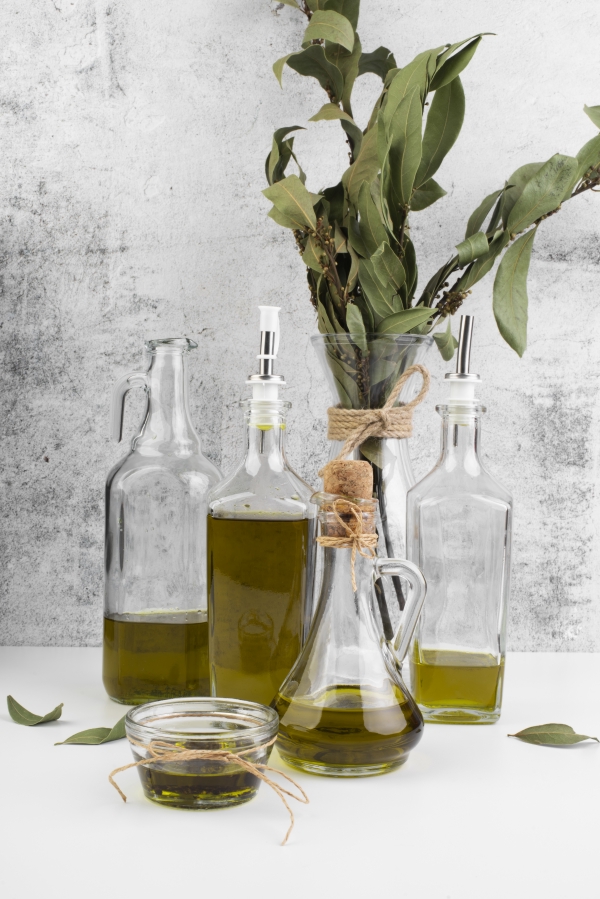
- Shape and Capacity
- Standard shapes: Bottles with uniform shapes and smooth surfaces facilitate storage, transport, and labeling.
- Designer bottles: Can increase product appeal on the shelf, but labeling may be more challenging and may require specialized equipment or manual application.
Bottle Sterilization
Before filling, bottles must be thoroughly cleaned and sterilized to prevent contamination of the oil. This process includes:
- Washing with warm water and detergent: Removes dirt and production residues.
- Rinsing with demineralized water: Prevents deposits of minerals and scale.
- Thermal or chemical sterilization: Eliminates microorganisms. This can be achieved using hot steam, autoclaving, or chemical agents.
- Bottle Inspection
Each bottle should be visually checked for damages, scratches, or defects that could affect oil quality or packaging aesthetics.
3. Filling Process
Filling Temperature
Oil should be filled at an appropriate temperature to minimize oxidation and preserve its nutritional properties. The ideal filling temperature is usually 20–25°C. Oil that is too cold can be too viscous for standard filling machines.
Filling Machines
Professional filling machines are essential for precise and efficient oil bottling:
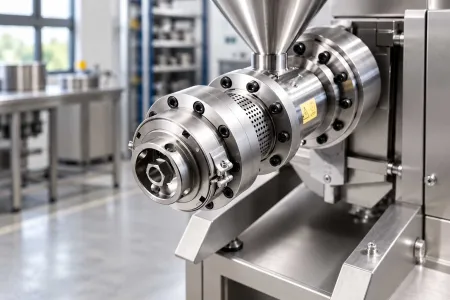
- Semi-automatic machines: Suitable for small and medium batches. Dispensing devices (fillers) vary by model and can handle different oil volumes. Available in single or double-head versions, they ensure precise, fast, and clean filling.
- Automatic machines: Ideal for large-scale production, providing high precision and consistency.
FILLING PROCEDURE:
Machine Setup: Configure the machine according to the manufacturer’s instructions, adjusting settings for bottle type and capacity.
Calibration: Ensure each bottle is filled with the correct amount of oil.
Filling: Start the machine and monitor the process to ensure even filling without spillage.
Level Control: Regularly check oil levels to maintain consistency.
4. Capping and Sealing
Cap Types
- Metal caps: Provide excellent sealing and durability.
- Plastic caps: Lighter and cheaper but may offer less effective sealing.
Sealing
- Tamper-evident seals: Added to prevent unauthorized opening.
- Inner seals: Provide additional protection against leakage.
5. Labeling
Label Design
The label should be both attractive and informative, including:
- Product name
- Ingredients
- Nutritional values
- Expiration date
- Storage instructions
- Manufacturer information
Labeling Techniques
- Manual labeling: For small batches.
- Semi-automatic labeling: For medium batches, the operator places the bottle on the machine, but the labeling process is automatic. Ensures aesthetic and consistent application.
- Automatic labeling: Provides uniform and professional labeling for large quantities, saving significant operator time.
6. Quality Control
- Visual Inspection
Check each bottle for leaks, correct label placement, and overall appearance. - Laboratory Tests
Regularly test oil samples for nutritional content, contamination, and oxidative stability.
7. Storage and Transport
- Storage Conditions
Oil should be stored in a cool, dark place to minimize oxidation and maintain quality. - Transport
Bottles must be properly secured against mechanical damage during transport. Protective materials such as padding, cartons, or other packaging should be used to ensure product safety.
Summary
Proper oil bottling requires precision, the right equipment, and adherence to high sanitary standards. Every step—from oil and bottle preparation to filling, capping, and labeling—is crucial for delivering a high-quality final product. Attention to detail at each stage not only preserves oil quality but also builds customer trust and enhances product appeal in the market.