
Table of Contents
- How much oil can be obtained from 1 kg of flaxseed?
- Average Yield of Flaxseed Oil
- Other Plants Suitable for Home Oil Pressing:
- Which Seeds Are the Most Efficient?
- Cold Pressing – Why is it Worth It?
- Which Oil Press to Choose for Home Use?
- How to Press Oil at Home Step by Step?
- Common Mistakes in Home Oil Pressing
- How to Store Homemade Oil
- FAQ – Frequently Asked Questions
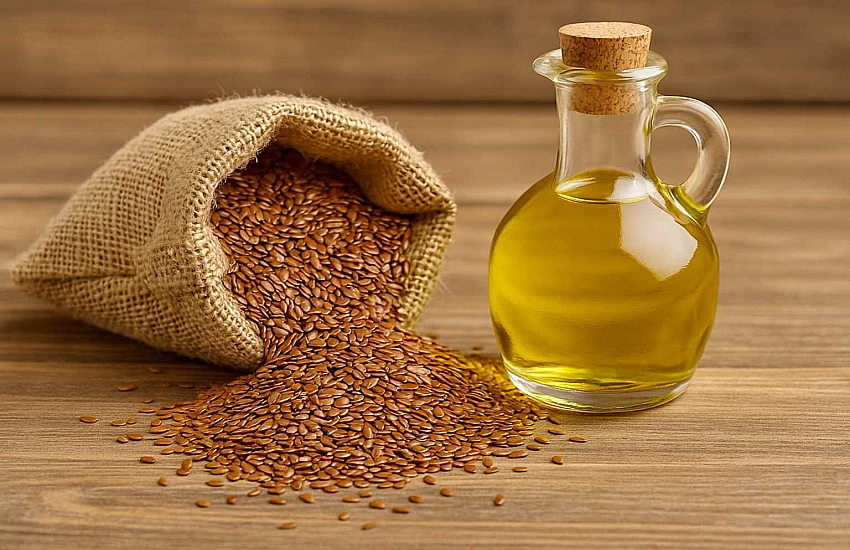
Cold-pressing oil at home is becoming increasingly popular – and it’s easy to see why. Fresh, aromatic, and natural oil, free from chemicals and preservatives, is valued by health-conscious individuals as well as those with food allergies or sensitive digestive systems. How much oil can be obtained from 1 kg of flaxseed? That’s a question many people ask when considering the purchase of their own oil press — and our answer is: it’s definitely worth it.
How much oil can be obtained from 1 kg of flaxseed?
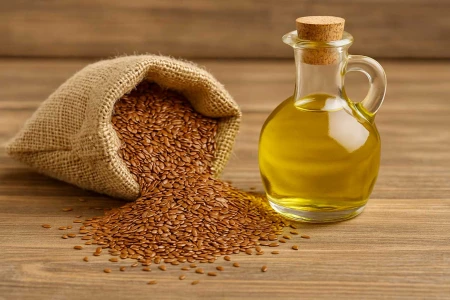
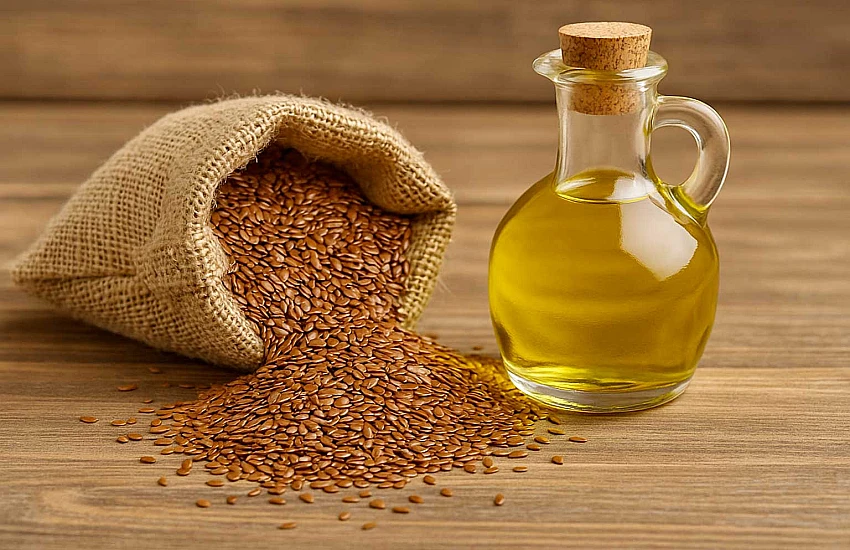
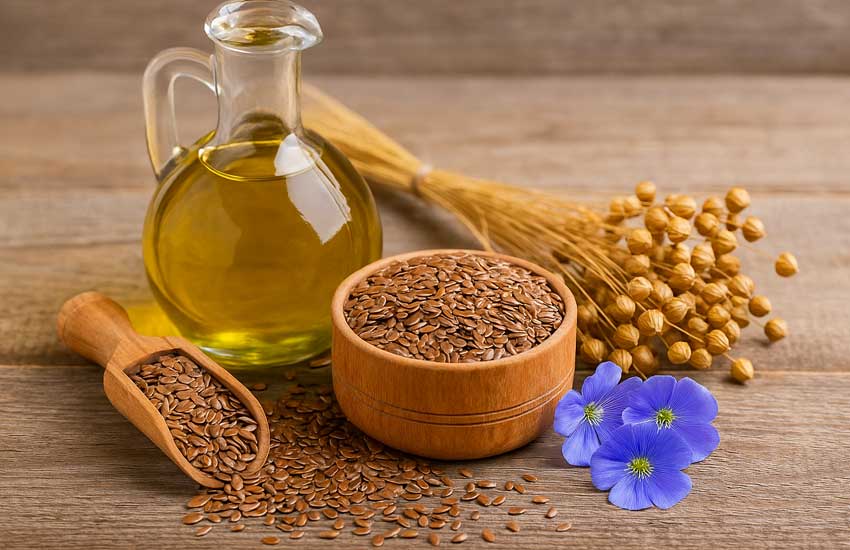
Flax is one of the oldest plants cultivated by humans – its uses were already known in ancient Egypt. Today, it is most commonly associated with natural fiber material and exceptionally healthy cold-pressed oil. Flax seeds, especially golden flax, are an excellent raw material for home oil production, which stands out not only for its taste but above all for its health-promoting properties.
Flax – a popular choice for home oil pressing
Flax is one of the most commonly chosen seeds for home oil pressing. It’s no wonder – flaxseed oil is valued for its health benefits, particularly its high content of omega-3 fatty acids.
Average Yield of Flaxseed Oil
From 1 kg of flaxseed, you can typically obtain 300–350 ml of oil. The yield depends on the quality of the seeds, their moisture content, and the pressing temperature. Golden flax often contains more oil than brown flax.
Factors Affecting Oil Yield
- Seed moisture – ideal around 4–6%.
- Type of press – cheaper devices may have lower efficiency.
Conclusion: If you want to obtain the maximum amount of oil from 1 kg of flaxseed, ensure the raw material is of high quality and choose the right oil press.
Other Plants Suitable for Home Oil Pressing:
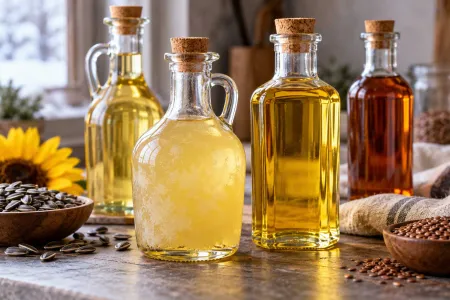
Flax is not the only seed suitable for oil pressing. Here are the most popular seeds and nuts used in home presses:
- Sunflower – very high yield, up to 450 ml per 1 kg.
- Black cumin – low yield (150–250 ml/kg), but a very valuable health oil.
- Sesame – 380–450 ml/kg, intense flavor.
- Hemp – 250–350 ml/kg, source of omega-6 fatty acids.
- Walnuts – up to 500 ml/kg, delicate taste, ideal for salads.
- Rapeseed – very efficient and popular, 1 kg of seeds yields 300–350 ml of oil, up to 400 ml in high-oil varieties.
- Poppy – 300–400 ml/kg, unique flavor and properties.
Which Seeds Are the Most Efficient?
Below is an approximate yield table for the most popular raw materials.
| Raw Material | Average Yield (ml/kg) |
|---|---|
| Sunflower | 400–450 |
| Sesame | 380–450 |
| Walnuts | 400–500 |
| Flax | 300–350 |
| Hemp | 250–350 |
| Poppy | 300–400 |
| Black Cumin | 150–250 |
It is worth remembering, however, that higher yield does not always mean a better choice. Black cumin and poppy seeds are less oily, but they have strong health-promoting properties.
Cold Pressing – Why is it Worth It?
Cold pressing is a method of extracting oil in which the process temperature does not exceed 40°C. Thanks to such a low heat level, it is possible to preserve all valuable nutrients – vitamins, microelements, and unsaturated fatty acids. Cold-pressed oil retains not only its health-promoting properties but also its natural taste and aroma, which are much more intense and distinctive compared to oils subjected to heat processing.
Additionally, this process minimizes the risk of fat oxidation, resulting in better quality and longer shelf life of the final product. Unlike refined oils, which lose many nutrients during industrial processing, cold-pressed oil remains completely natural. This method is ideal for people who care about their health and want to ensure they consume a product with maximum biological value and purity.
Which Oil Press to Choose for Home Use?
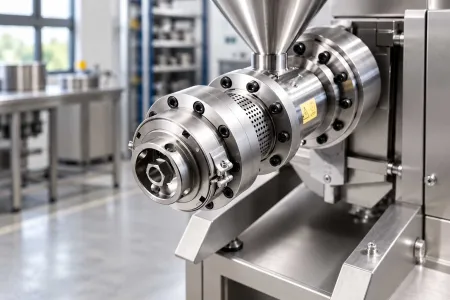
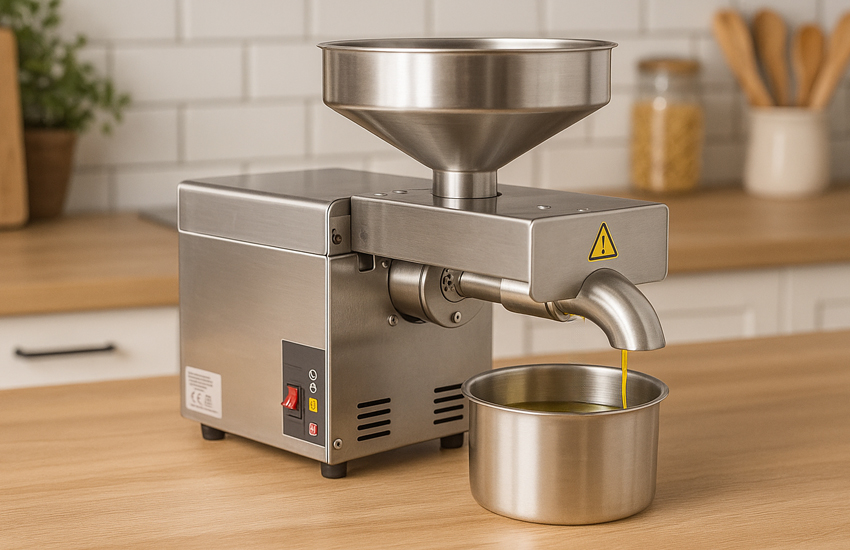
We recommend the LY-011 oil press, available at pureoilpress.com It is an efficient and versatile device for home oil pressing, suitable for both cold and hot pressing. With adjustable temperature settings, it works perfectly with various raw materials – from flax and sunflower seeds to sesame, nuts, and rapeseed.
This model offers a capacity of 9–12 kg/h, allowing you to quickly obtain several liters of fresh, high-nutritional-value oil. Its sturdy stainless steel housing, digital control panel, and seed heating function make operation intuitive and safe. The built-in cooling system protects the press from overheating, which is especially important during longer work cycles.
The device is compact, easy to clean, and ideal for those who value natural products without preservatives. It is a great choice for home kitchens, agritourism, or local processing – anywhere freshness and full control over oil composition matter.
.jpg)
How to Press Oil at Home Step by Step?
- Selection of Seeds
Choose healthy, clean seeds from a reliable source – preferably from organic farms. The raw material should be intact and free of chemicals. - Cleaning and Drying
Remove impurities such as sand, husks, twigs, or small stones. Then dry the seeds, as moisture reduces pressing efficiency and shortens the oil’s shelf life. - Optional Roasting
Some seeds, especially nuts, can be lightly roasted to enhance flavor and increase oil yield. This can be done in a roaster or oven. - Pressing Process
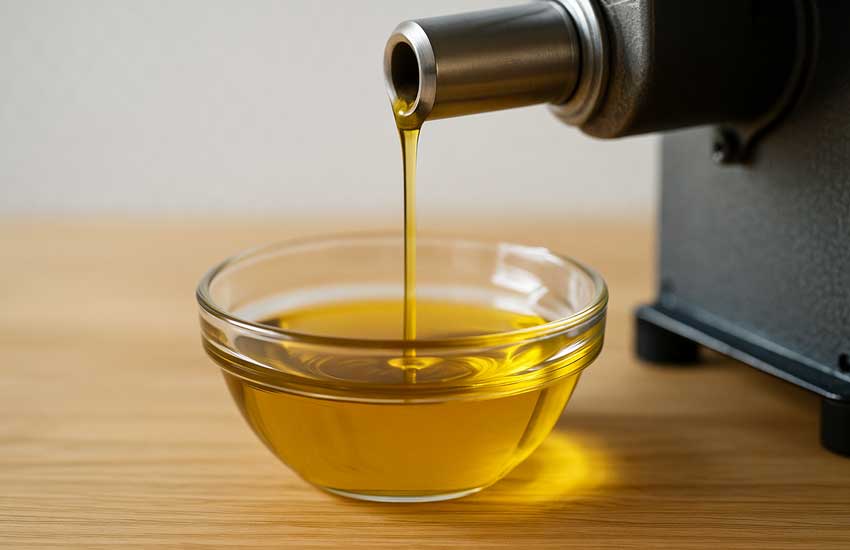
Seeds are placed into the press, where they are mechanically crushed. Pressure and appropriate temperature separate the oil from the solid mass. - Sediment Separation
Fresh oil contains natural particles. Leave it in a cool place for a few days – the sediment will settle, leaving a clear upper layer. - Bottling
Pour the oil into dark containers – preferably glass – to protect it from light and extend its shelf life. - Labeling the Date
Write the pressing date on each bottle. This helps monitor freshness and ensures consumption at the optimal time, especially important for flaxseed and hemp oil, which have short shelf lives.
Common Mistakes in Home Oil Pressing
Pressing oil at home is a great way to obtain a natural, fresh, and healthy product. To fully enjoy its nutritional value and taste, avoid common mistakes:
Temperature Control
For cold-pressed oils, temperature should not exceed 40°C. Higher heat destroys vitamins and unsaturated fatty acids, reducing oil quality.
Quality of Seeds
Seeds should be well-cleaned and dry. Both seeds and finished oil must be stored in a cool, dark place; otherwise, the pressed oil will quickly lose freshness and nutrients.
Overproduction
Avoid pressing too much oil at once. It’s better to produce smaller batches for immediate consumption. Also, adjust the press program according to the type of seed – flax requires different settings than nuts.
Usage
Cold-pressed oils should not be used for frying, as high heat destroys their beneficial properties.
Cleaning
After each use, clean the press thoroughly to avoid negatively affecting the quality of future batches.
Awareness of these mistakes is the first step to producing delicious and valuable oil at home.
How to Store Homemade Oil
- Dark glass bottle – protects from light.
- Low temperature – ideally in the fridge or a cool pantry (up to 10°C).
- Shelf life: 2–4 weeks for flaxseed, longer for sunflower and nut oils.
- Don’t forget to label the pressing date.
FAQ – Frequently Asked Questions
How much oil can be obtained from 1 kg of flaxseed?
Approximately 300–350 ml, depending on the quality and type of seeds and the press used.
Which seeds are the most profitable for pressing?
Sunflower and sesame, due to their high fat content and ease of pressing.
Is home oil pressing profitable?
Yes, especially if you use oils frequently and want to avoid preservatives.
Can oil be pressed from nuts?
Yes – walnuts, hazelnuts, almonds, and cashews are all suitable for pressing.
How long can pressed oil be stored?
It depends on the type: flaxseed oil – 2–4 weeks, sunflower oil – up to 3 months.
Is an oil press noisy?
Modern models, like 5–15 kg presses, are relatively quiet and comfortable to use.
How to clean an oil press after use?
It’s best to clean immediately after finishing – disassemble the parts and wash with warm water.