
Table of Contents
- Why homemade oil is different from store-bought oilIndustrial process vs cold pressing
- First Use – Skin Care for Body and Face
- Second Use – Hair Regeneration and Care
- Third Use — Homemade Cosmetics
- Fourth Use – Oil Massage and Bath Rituals
- Fifth Use – Technical and Household Applications
- Home Oil Production as a Foundation of Self-Sufficiency
- How to Choose Oil for a Specific Use
- Oil Storage and Shelf Life
- Safety in Using Oils
- Frequently Asked Questions
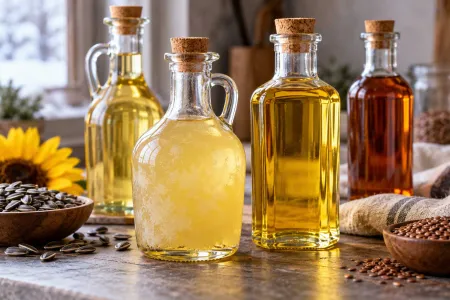
When we think of vegetable oil, the first thing that usually comes to mind is the kitchen. Frying, stewing, salads, marinades – this is the natural environment for any cooking oil. However, the true potential of cold-pressed oils goes far beyond pots and pans. People who decide to produce their own oil at home gradually discover a whole range of uses that are not mentioned in typical cooking recipes.
Oil pressed in your own machine is something truly special. Unlike store-bought products that go through refining and purification, homemade oil keeps all its natural properties. Fat-soluble vitamins, phytosterols, polyphenols, carotenoids, and well-balanced fatty acids – all of these stay intact, ready to be used not only for food, but also for skin care, beauty routines, and surprising household uses.
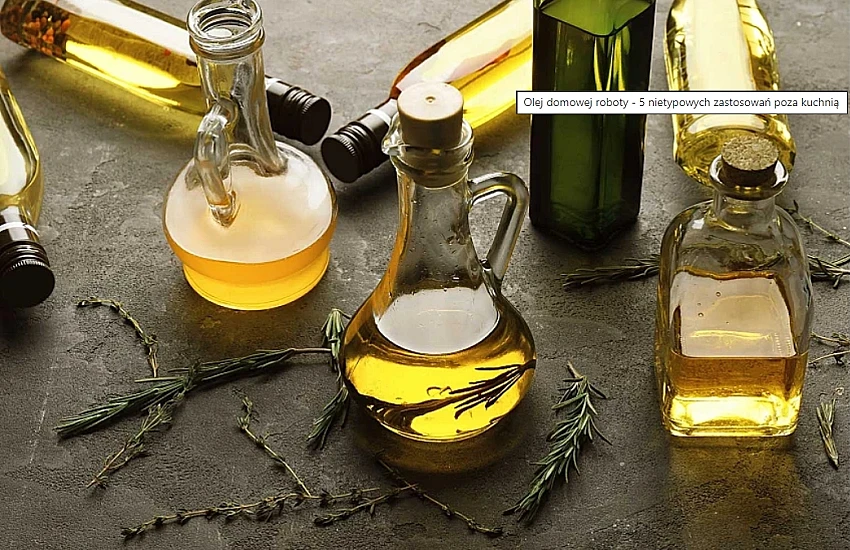
This article is created for everyone who already makes their own oil or is thinking about starting. We will show five unusual areas where homemade plant oil works perfectly, often outperforming expensive industrial products. From beauty rituals inspired by ancient cultures, through DIY cosmetics, to practical everyday uses at home – naturally pressed oil turns out to be a real, versatile treasure.
Why homemade oil is different from store-bought oil
Industrial process vs cold pressing
Before we move to specific uses, it’s worth understanding what makes naturally pressed oil from your own press so unique. The difference between this product and a typical store shelf oil is fundamental. It is not only about taste or aroma, but mainly about chemical composition and biological properties.
The industrial oil production process focuses on maximum efficiency and longer shelf life. Seeds are exposed to high temperatures, extracted with organic solvents, and then refined through degumming, neutralization, bleaching, and deodorization. Each of these steps removes more valuable compounds. Vitamin E, a natural antioxidant with excellent skin care properties, loses its activity when exposed to heat. Phospholipids, essential for proper cell membrane function and widely used in cosmetics as emulsifiers, are removed during degumming. Plant sterols, known for their anti-inflammatory and regenerative effects, remain in the post-production residue.
Preserving active compounds
Cold pressing, especially at home using a good screw oil press, takes place at temperatures below forty degrees Celsius. This gentle extraction keeps the structure of delicate molecules, maintains enzyme activity, and prevents fatty acid isomerization. The result is a living, biologically active product, with a natural aroma of the raw material it comes from.
For cosmetic and care applications, this difference is crucial. Skin and hair do not need just fat itself, but a whole complex of supporting substances. These components decide how deeply the oil works, how well it penetrates deeper layers of the skin, and how effective it is in repairing damaged keratin structures.
First Use – Skin Care for Body and Face
Oil Traditions in World Cultures
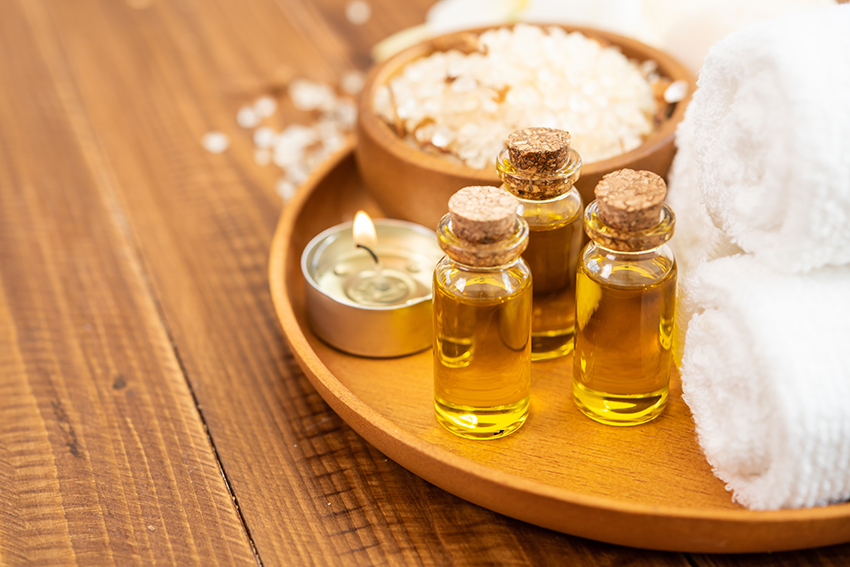
The tradition of using plant oils for skin care goes back thousands of years. Ancient civilizations of the Mediterranean made olive oil the foundation of their hygiene and beauty routines. Women in ancient Egypt anointed their bodies with sesame and castor oils. Ayurveda, the ancient Indian system of medicine, developed a whole philosophy of oiling the body as both a health and spiritual practice. Modern cosmetology confirms these ancient insights, providing scientific evidence of the effectiveness of plant oils in skin care.
How Oil Works on the Skin
Human skin has a natural hydrolipid barrier made of sebum, ceramides, and cholesterol. This delicate layer protects against water loss, bacteria, and environmental factors. Many skin problems come from damage or weakening of this barrier. Cold-pressed plant oils can help rebuild the lipid layer because their composition is similar to natural sebum.
Oils in Skin Care
Flaxseed oil, rich in alpha-linolenic acid from the omega-3 family, has anti-inflammatory and regenerating properties. It works very well for irritated skin, acne-prone skin, and as support in reducing symptoms of psoriasis and atopic dermatitis. Its texture is quite light, absorbs relatively fast, and does not leave a heavy oily layer.
Black seed oil is a true elixir for problematic skin. Thymoquinone found in this oil has proven antibacterial and antifungal effects, making it valuable for acne care. At the same time, its antioxidant properties help protect against premature aging. Black seed oil can be used as a spot treatment or as part of oil blends for the whole face.
Pumpkin seed oil, well known in traditional oil production, contains a very high level of organic zinc. This element is essential for proper collagen production and healing processes. Pumpkin oil works well for mature, tired skin that needs regeneration. Its deep dark green color shows a high level of chlorophyll, which also supports repair processes.
Oiling Oily Skin
Using oils on the face may seem strange for people dealing with excess sebum. However, a well-chosen oil does not clog pores or increase oiliness. Skin that lacks proper lipid hydration often reacts by producing even more sebum. Providing the right fats helps restore balance and can actually reduce excessive shine.
The simplest method is to apply a few drops of oil to damp skin after a shower or face wash. Moisture helps spread the oil evenly, while the light occlusive layer prevents water loss. The oil creates a thin protective layer that keeps the skin hydrated for many hours.
A more advanced method is oil cleansing, based on the principle that like dissolves like. Oil effectively dissolves sebum, makeup, and impurities from pores, working much more gently than detergents. Simply apply a generous amount of oil to dry skin, massage gently in circular motions for a few minutes, and then remove with a warm, damp cloth. The skin is left clean, soft, and nourished without a tight feeling.
For body care, oil is best applied right after a bath when the skin is still warm and slightly damp. It is worth taking a moment for a gentle massage, which helps absorption, improves lymph circulation, and relaxes tense muscles. Winter months, when indoor heating dries the air, are a time when the skin especially needs strong lipid protection.
Second Use – Hair Regeneration and Care
Hair Structure and Damage Mechanisms
Hair, like nails, is made of keratin – a fibrous protein whose strength depends on the integrity of sulfur bonds and proper hydration. Cosmetic treatments such as coloring, bleaching, perming, heat straightening, or even regular blow-drying gradually damage the keratin structure. The outer layer of the hair, called the cuticle, is made of overlapping scales that can lift over time. This leads to higher porosity, dullness, and breakage.
How Oils Penetrate the Hair Structure
Plant oils have the ability to penetrate inside the hair shaft, where they can rebuild the lipid matrix and reduce protein loss. The effectiveness of this process depends on the size of fatty acid molecules and their affinity to keratin. Studies show that coconut oil and sunflower oil have a particularly strong ability to penetrate the hair structure, while mineral oil stays only on the surface.
Oil Mask Step by Step
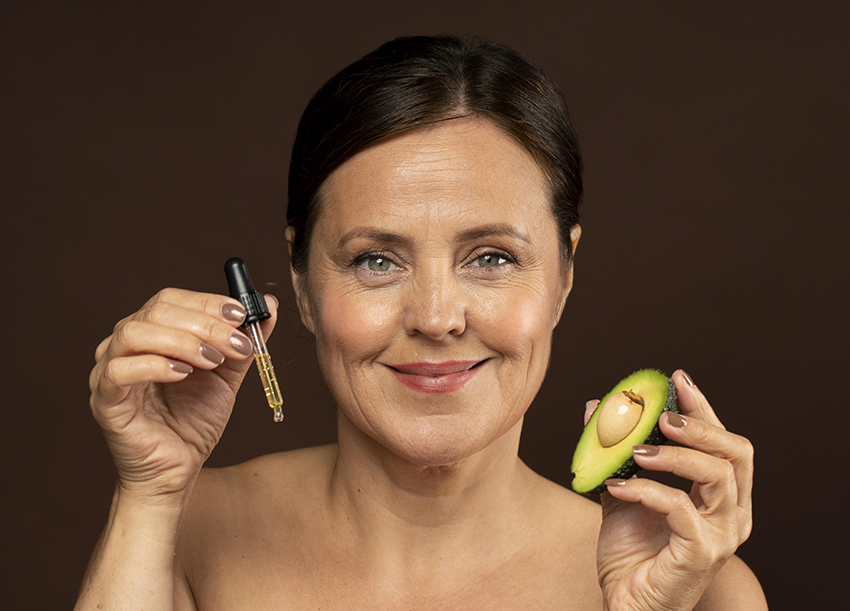
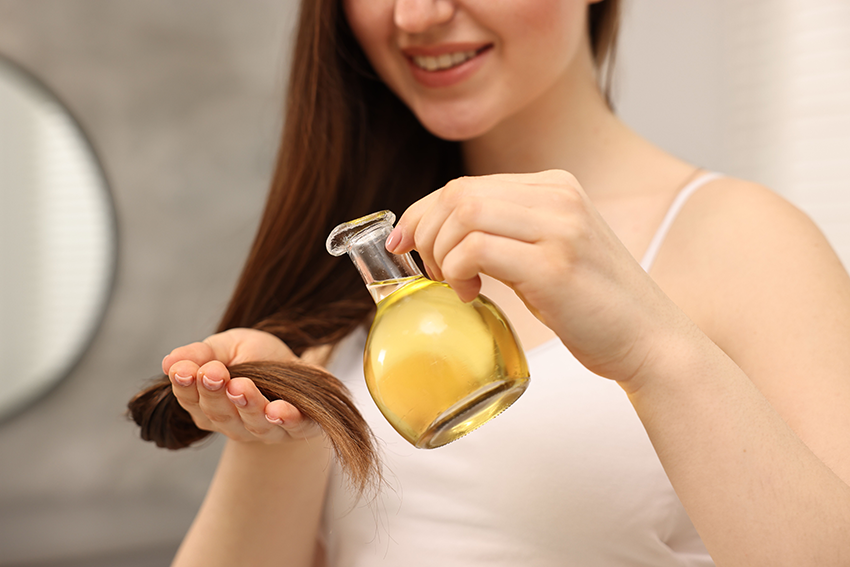
A traditional method of hair care is a pre-wash oil mask. Oil is applied to dry hair, starting from the ends and gradually moving toward the roots. The amount should be enough to coat all the hair, but not too much to avoid weighing it down or requiring multiple washes. After applying the oil, the hair can be gently combed with a wide-tooth comb to distribute it evenly. Then it is recommended to wrap the head with a warm towel or use a shower cap – heat opens the cuticle and helps the oil penetrate deeper into the hair.
The mask can be left on for thirty minutes or even overnight. The longer the time, the deeper the effect, but even short treatments bring visible improvements. After the chosen time, the oil is washed out with shampoo, sometimes requiring two washes to remove it completely.
Flaxseed oil works especially well for dry hair damaged by chemical treatments. Its high omega-3 content helps repair damaged keratin, while vitamin E protects against further oxidative stress. Hair becomes more elastic, shiny, and easier to style.
Black seed oil is a great option for people dealing with scalp problems such as dandruff, excess oil, or irritation. The antibacterial and antifungal properties of thymoquinone help restore the natural balance of the scalp, leading to healthier hair growth and reduced flaking.
Poppy seed oil, although less common, has excellent properties for thin and low-volume hair. Its light texture does not weigh hair down, while still providing essential lipids. Hair becomes shiny and full of natural highlights, especially appreciated by people with lighter hair tones.
Scalp Oil Massage
Another effective method is massaging oil into the scalp to stimulate hair growth. Gentle circular movements with the fingertips improve microcirculation, which helps nourish the hair follicles. Castor oil, known for centuries as a hair growth booster, can be mixed with lighter oils in a 1:3 ratio to make application and washing easier.
Third Use — Homemade Cosmetics
Why It’s Worth Making Your Own Cosmetics
Having your own source of fresh, high-quality oil opens up a fascinating world of DIY cosmetics. It’s not only a way to save money, but also a chance to create products perfectly tailored to your needs, free from artificial preservatives, colorants, and fragrances that more and more often cause allergic reactions.
Body Balms
The simplest form of homemade oil-based cosmetics is body balm. A classic recipe combines plant oil with plant butter in proportions depending on the desired texture. Shea butter or cocoa butter melted in a water bath, mixed with sunflower oil or grape seed oil, and whipped after cooling, creates a light, fluffy balm with moisturizing and protective properties. You can enrich it with a few drops of essential oil for scent or add active ingredients like calendula extract or vitamin E.
Face Serums
Face serums are another type of cosmetic that can be easily made at home. A blend of carefully selected oils, each bringing its own benefits, creates a complete skin care product. An example formula could include sixty percent raspberry seed oil as a base rich in omega acids, twenty percent sea buckthorn oil for vitamin A and carotenoids, fifteen percent rosehip oil for regeneration, and five percent carrot seed oil as a natural sun-supporting ingredient. Stored in a dark glass bottle with a dropper, such a serum can be used daily under a cream or as a standalone treatment.
Massage Oils
Massage oils are products where the quality of the base oil is key. Sunflower oil and rapeseed oil, thanks to their neutral scent and good glide, are perfect carriers for essential oils. A relaxing blend may include lavender, ylang-ylang, and bergamot oils. A warming version could use rosemary, black pepper, and ginger oils. The amount of essential oils should not exceed two percent of the base oil when used on larger areas of the skin.
Lip Balms
Lip balms are one of the easiest and most rewarding DIY cosmetics. The ingredients are simple – beeswax, plant butter, and oil – but the variations are endless. Raspberry seed oil or sunflower oil combined with beeswax and cocoa butter in proportions of ten to thirty to sixty grams creates a basic balm with a pleasant texture. Adding a bit of honey gives extra moisture, while a few drops of peppermint oil provide a fresh taste.
Bath Oils
Bath oils combine skin care with aromatherapy. Just mix half a cup of sunflower oil with your favorite blend of essential oils and add it to a warm bath. The oil forms a thin layer on the water surface, which coats the skin with a light protective film when you leave the bath. It is especially enjoyable during winter evenings when the skin needs deep hydration.
Oil Scrubs
Oil and sugar or oil and salt scrubs are another category of easy DIY products. Coarse cane sugar or sea salt mixed with sunflower oil in a two-to-one ratio creates an effective exfoliating scrub. After use, the skin is not only smooth thanks to the removal of dead skin cells, but also nourished and moisturized by the remaining oil.
Fourth Use – Oil Massage and Bath Rituals
History of Oil Massage
Oil massage has a history dating back to the world’s oldest civilizations. In India, the practice of abhyanga—daily self-massage with warm oil—is a foundation of the Ayurvedic system of health maintenance. The Greeks and Romans regularly anointed their bodies with oil after physical exercise, then scraped it off using special tools called strigils. This tradition has survived in Turkish and Arab cultures, where hammams combine steam baths with oil massages.
Scientific Basis of Oil Massage
Modern research confirms the beneficial effects of oil massage on the body. Touch combined with oil application activates skin receptors, sending signals to the nervous system that reduce cortisol—the stress hormone—and increase the release of oxytocin, responsible for feelings of calm and safety. Massage movements stimulate lymphatic flow, helping remove toxins and metabolic waste. Oil softens the skin, improves its elasticity, and acts as a natural barrier against moisture loss.
Choosing the Right Massage Oil
For full-body massage, oils with a neutral scent and good glide are ideal. Sunflower oil meets both criteria and is rich in vitamin E, which supports skin regeneration. Rapeseed oil, also nearly neutral in aroma, stands out for its favorable ratio of omega-6 to omega-3 fatty acids, making it beneficial for regular use. Sesame oil, traditionally used in Ayurveda, has a slightly nutty aroma and warming properties, making it especially suitable for massages in colder months.
Basic Massage Techniques
Oil massage techniques do not require professional training, although knowledge and practice improve effectiveness. The basic rules are simple—movements should be directed toward the heart, from hands to shoulders and from feet to hips. Joints are massaged in circular motions, while long muscle groups are worked lengthwise. Pressure should be adjusted to the sensitivity of each area and the preference of the person being massaged. It is best to gently warm the oil before application by placing the bottle in a bowl of warm water for a few minutes.
Foot Massage Before Sleep
A self foot massage with oil before sleep is a ritual with powerful relaxation benefits. The feet, rich in nerve endings, respond to touch and oiling with deep relaxation of the entire body. Regularly massaging the feet with black seed oil may also help combat excessive sweating and fungal issues due to its antibacterial properties.
Oil Baths
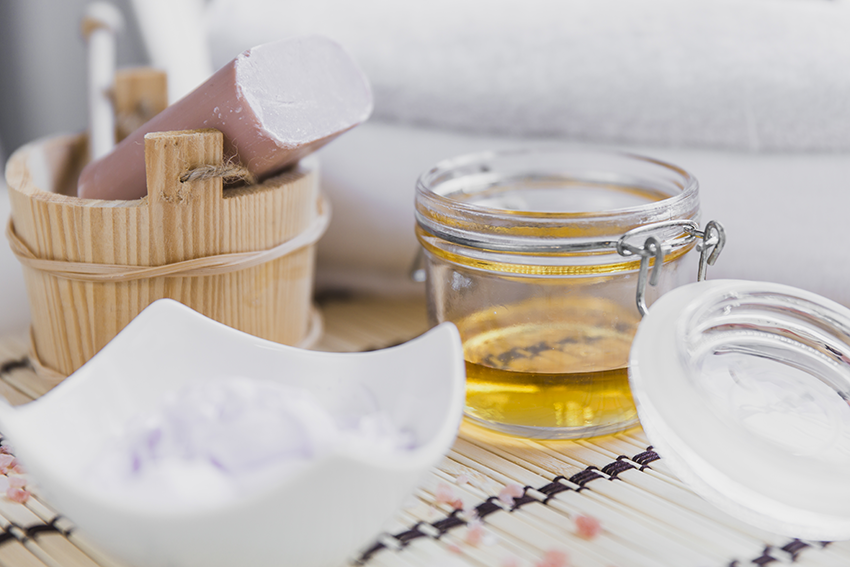
Oil baths are a separate category of skincare rituals. The simplest method involves adding a few tablespoons of oil directly to bathwater. The oil spreads across the surface, forming a thin layer that coats the skin with a protective film as you leave the bath. This method works especially well in winter, when central heating dries the air and the skin requires intensive lipid support.
Emulsified Oil Baths
A more advanced technique is an emulsified oil bath, where the oil blends with water instead of floating on the surface. A natural emulsifier can be egg yolk or honey. Simply mix a quarter cup of oil with one egg yolk or two tablespoons of honey and add the mixture to a filling bathtub. The water becomes milky and silky to the touch, and the oil is evenly distributed throughout, ensuring better contact with the skin.
Oil and Salt Baths
Oil and salt baths combine the detoxifying properties of salt with the nourishing effects of oil. A cup of coarse sea salt dissolved in bathwater with half a cup of oil creates an ideal bath for sore muscles after physical activity or during periods of fatigue. The salt relaxes tense muscle fibers and supports the removal of lactic acid, while the oil protects the skin from the drying effects of salt and helps seal pores opened by heat.
Fifth Use – Technical and Household Applications
Oil as a Natural Lubricant
Vegetable oil is not only a substance for culinary and cosmetic purposes. Its lubricating, protective, and preserving properties have been known for centuries by craftsmen, carpenters, and homemakers. In times when industrial lubricants and protective agents did not exist, vegetable oils performed functions now taken over by industrial chemistry. Returning to these traditional uses makes sense not only ecologically but also practically—petrochemical products often contain toxic substances undesirable in a home environment, while vegetable oil is completely safe and biodegradable.
Lubricating Hinges and Mechanisms
Lubricating hinges, locks, and mechanisms is the most obvious technical use of oil. Squeaky doors, a stiff lock, or a resistant bicycle mechanism—all these problems can be solved with a small amount of oil. Sunflower or rapeseed oil works perfectly in these applications, provided it is used sparingly—excess oil collects dust and can form a sticky layer. A few drops applied to a hinge and distributed by opening and closing the door several times is enough for many months of smooth operation.
Wood Preservation
Wood preservation is an area where vegetable oil shows particular advantages. Traditional finishing of wooden kitchen items—cutting boards, spoons, bowls—relied on oil saturation. Wood treated this way does not crack or dry out, retains its beautiful color, and is safe for food contact. Linseed oil has been used for this purpose for centuries due to its drying properties—chemically binding with oxygen in the air to form a durable coating. Raw linseed oil, not heat-treated, dries slowly but creates a flexible, natural surface ideal for kitchen items.
Wooden Furniture Care
Wooden furniture also benefits from regular oil care. This is especially true for raw, unvarnished wood furniture and antiques that require gentle treatment. Oil penetrates deep into the wood, nourishes the fibers, enhances the grain pattern, and protects against drying out. Application is done with a cloth soaked in oil, rubbing it along the wood grain, then polishing with a dry cloth after a few hours of absorption.
Leather Care
Leather items—shoes, bags, belts, and upholstery—also benefit from treatment with vegetable oil. Leather, like human skin, requires lipid moisture to maintain elasticity. Oil nourishes, softens, and protects it from cracking. Traditionally, fish oil or tallow was used for this purpose, but vegetable oils perform this function just as well. It is important to use oils with a low tendency to go rancid—such as high-oleic sunflower oil or jojoba oil—and to test on an inconspicuous area to ensure the oil does not alter the leather’s color.
Removing Stickers and Adhesive
Removing stickers and adhesive residue is a surprisingly effective use of vegetable oil. Fat dissolves rubber- and resin-based adhesives, making it easy to remove stubborn labels from jars, price tags from gifts, or tape residue. Simply soak the affected area with oil, wait several minutes, and wipe away the softened residue. This method is especially valuable when you want to avoid harsh chemical solvents near food or children.
Protecting Tools from Corrosion
Caring for garden and kitchen tools is another practical use of vegetable oil. Knives, pruners, shovels—all metal items exposed to moisture benefit from a thin protective layer of oil that prevents corrosion. After each wash and thorough drying, it is worth wiping the blade with an oiled cloth. This simple habit can extend the lifespan of tools by many years.
Home Oil Production as a Foundation of Self-Sufficiency
Investing in Independence
All the uses described above gain a special dimension when the oil comes from your own production. Purchasing an oil press is an investment that opens the door to true independence. Freshly pressed oil from seeds of known origin retains the maximum of its valuable properties and can be used for culinary purposes as well as all the care, cosmetic, and technical applications mentioned earlier.
Semi-Industrial Press for Larger Needs
For those considering more serious production—whether for their own farm or as the beginning of a processing business—a semi-industrial oil press provides professional efficiency with ease of use. Devices of this class allow pressing a variety of seeds, from common sunflower and rapeseed to flax, hemp, and even more exotic seeds like black cumin or milk thistle. A daily output of several liters of oil is sufficient to supply your family, neighbors, or even start selling on the local market.
Economics of Home Pressing
The economics of producing your own oil is surprisingly favorable. One kilogram of sunflower seeds currently costs a few dollars and yields about 350 milliliters of high-quality oil—a product that would cost many times more in stores at comparable quality. The leftover cake after pressing is a valuable animal feed or organic fertilizer, so nothing goes to waste. On a farm growing its own oilseeds, the entire cycle remains local—from seed to oil, from cake to soil, from soil to the next harvest.
Freshness as the Key to Quality
The quality of homemade oil cannot be matched by industrial products. Freshness is key—the oil is best consumed or used cosmetically within a few weeks of pressing, when all active compounds retain full potency. Storing in dark bottles in a cool place prolongs shelf life, but fresh oil always has the advantage.
How to Choose Oil for a Specific Use
Variety of Oils and Their Properties
The variety of vegetable oils and their properties can initially be overwhelming. Each oil has a unique fatty acid profile, accompanying compounds, and sensory characteristics. Understanding these differences allows you to consciously select the oil for a specific purpose.
Oils for Facial Care
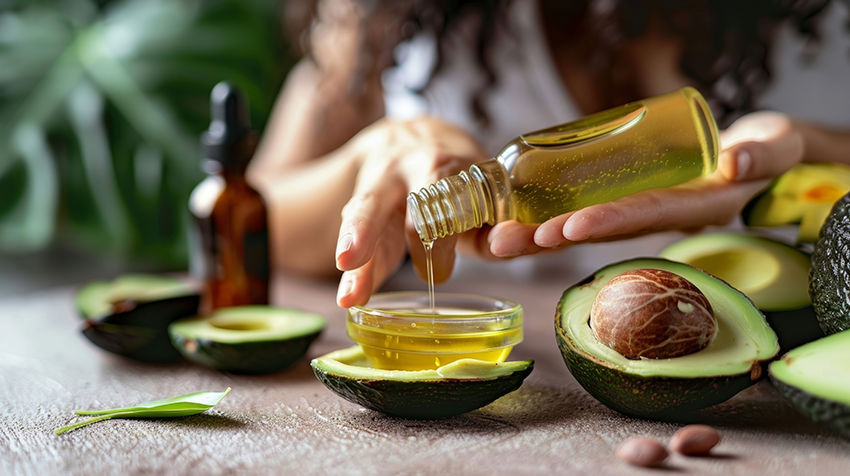
For facial skin care, lightweight oils with small molecules that penetrate deeper layers of the epidermis without leaving a greasy film are ideal. Grape seed oil, hemp oil, and flaxseed oil meet these criteria. Dry or mature skin requires richer, more occlusive oils—pumpkin seed oil, macadamia oil, or avocado oil are suitable here.
Oils for Hair Care
For hair, oils with smaller molecules that can penetrate the hair shaft are generally recommended. Coconut oil is top-ranked, but sunflower and flaxseed oils also penetrate well. Low-porosity hair, which absorbs treatment poorly, benefits from light oils applied with heat. High-porosity or damaged hair requires heavier oils to fill gaps in the keratin structure.
Oils for Massage and Technical Applications
For massage, oils with a neutral scent and good glide—sunflower oil, sesame oil, almond oil—work best. It is important that the oil absorbs at a moderate rate, allowing smooth massage movements without constantly adding more oil.
For technical applications—lubrication, wood, and leather care—oil stability and resistance to rancidity are crucial. Linseed oil is traditionally used for wood preservation due to its drying property. High-oleic sunflower oil has increased stability and is suitable where the oil must remain liquid for extended periods.
Oil Storage and Shelf Life
Protection from Light
Fresh cold-pressed oil is a living product, containing many substances sensitive to external factors. Proper storage significantly extends shelf life and preserves the oil’s properties.
Light is the main enemy of vegetable oils. Ultraviolet radiation catalyzes oxidation reactions, leading to rancidity. Therefore, oil should be stored in dark, light-proof bottles—preferably brown or green glass. Plastic is not recommended due to the possibility of chemical migration from the packaging into the oil.
Impact of Temperature and Air
Temperature is secondary to light but also affects shelf life. A cool location, below 20°C (68°F), slows degradation processes. Refrigeration can prolong shelf life, although some oils may thicken or become cloudy at low temperatures, which does not affect quality and resolves after warming.
Contact with air accelerates oxidation. Bottles should be tightly closed, and for larger containers, it is advisable to transfer oil to smaller bottles as it is used to minimize air exposure.
Shelf Life and Signs of Spoilage
Fresh cold-pressed oil is best used within a few weeks up to 12 months from production (storage details can affect this range). For cosmetic and massage purposes, using even fresher oil is recommended—its highest effectiveness occurs in the first weeks after pressing when vitamin and antioxidant content is maximal.
Signs of spoiled oil include a characteristic rancid smell, reminiscent of old popcorn or oil paint, and a bitter, metallic taste. Oil with these characteristics should not be consumed or applied to the skin, as it may cause irritation or allergic reactions.
Safety in Using Oils
Skin Test Before First Use
Vegetable oils are generally safe, but precautions should be taken, especially when using a new oil for the first time.
A skin test before applying oil to the face or larger areas of the body is a basic safety rule. Apply a small amount of oil to the inner forearm and wait 24 hours. If no redness, itching, or rash occurs, the oil can be safely used.
Allergies and Contraindications
People with nut allergies should exercise particular caution with nut oils—hazelnut, walnut, almond. While the pressing process removes most allergenic proteins, trace amounts may remain and trigger a reaction in highly sensitive individuals.
Some seed oils are not suitable for internal use due to toxic compounds. Tomato, pepper, or apple seed oils contain cyanogenic glycosides and should not be ingested. For cosmetic purposes, however, these oils are safe.
Oil Use and Sun Exposure
Applying oil to the skin before sun exposure can increase the risk of sunburn—some oils are photosensitizing. This is especially true for citrus oils and St. John’s wort oil. On sunny days, it is better to oil the skin in the evening.
Using Oils on Children
Children and infants have much thinner and more permeable skin than adults. When applying oils to young skin, choose the most neutral products—sunflower oil or almond oil—and avoid intensely active oils such as black cumin or rosehip oil.
Frequently Asked Questions
Is every vegetable oil suitable for use on the skin?
Most cold-pressed oils are safe and beneficial for the skin, but there are differences in their properties and intended uses. Light oils like grape seed or hemp are suitable for oily and combination skin, while heavier oils like avocado or pumpkin seed better nourish dry and mature skin. Some edible oils are not recommended for cosmetic use due to potential irritating effects. Before using any new oil on the face or body, it is advisable to perform a patch test on a small area of skin and wait 24 hours to rule out an allergic reaction.
Can oil replace a face cream?
Vegetable oil can successfully replace a moisturizing cream for many people, especially those with normal, dry, or mature skin. Oils provide the lipids necessary for the proper functioning of the skin’s hydrolipid barrier and effectively prevent water loss. However, oils alone do not contain water-based moisturizing components, so they work best in combination with a water-based toner or serum, applied to slightly damp skin. People with very oily, acne-prone skin may find pure oils uncomfortable and may tolerate light emulsions with oil as one of the ingredients better.
Can different oils be mixed together?
Mixing oils is not only allowed but even recommended as a way to create a comprehensive skincare preparation with balanced properties. Each oil contributes its unique profile of fatty acids and active compounds, and their combination allows a synergistic effect. A sample facial blend might combine 60% of a light base oil like high-oleic sunflower, 30% of a regenerating oil like raspberry seed oil, and 10% of a potent oil like sea buckthorn oil. Ratios are adjusted individually, taking into account skin type, care needs, and sensory preferences.
What is the best oil for massage?
The choice of massage oil depends on the desired effect and the preferences of the person being massaged. For a relaxing massage, oils with a neutral scent and medium absorption time, such as sunflower or sesame oil, provide good glide without excessive greasiness. A warming massage benefits from sesame oil or oils enriched with essential oils like rosemary, black pepper, or ginger. For sports massage focused on muscle relaxation, arnica oil or passion fruit oil is ideal. Oil temperature matters—a warm oil spreads better and enhances the feeling of relaxation.
Is cold-pressed oil suitable for baths?
Cold-pressed oil works excellently as a bath additive, moisturizing and nourishing the skin during a relaxing soak. It can be used in several ways—added directly to the water, where it forms a protective layer on the skin as you leave the bath, or as an emulsion with egg yolk or honey, which distributes evenly in the water. Oils with a neutral scent, like sunflower or sesame, are best for baths and can be enriched with a few drops of favorite essential oils. Half a cup of oil is sufficient for one bath, providing intensive hydration, especially valuable during the heating season.
Can homemade oil be used for baby care?
Fresh cold-pressed oil is safe and even recommended for caring for the delicate skin of infants, provided neutral oils are used and an allergy test is performed. Sunflower oil and almond oil are classic choices for baby massage, practiced in many cultures as a ritual that strengthens bonding and supports child development. Oil protects the skin from drying, soothes diaper irritation, and is a safe alternative to creams containing synthetic ingredients. Avoid intensely active oils like black cumin or rosehip, and nut oils in children with a family history of allergies.
Summary
Cold-pressed oil produced at home is an incredibly versatile substance. Beyond obvious culinary uses, it opens up a world of care, cosmetic, and practical applications that our grandmothers knew well and modern society has almost forgotten. Skin and hair care with oil revives traditional methods confirmed by science, home-made cosmetics give full control over the composition of products touching our bodies, and technical uses of oil replace chemical products with safe, biodegradable alternatives.
Having your own source of fresh oil—whether a small kitchen press or a more efficient semi-industrial device—is an investment in self-sufficiency, health, and quality of life. Every drop pressed from seeds of known origin carries the full range of nutritional and cosmetic benefits impossible to achieve with industrial products. And the satisfaction of creating your own cosmetics, care rituals, or simply preserving a wooden spoon with homemade oil—this satisfaction is priceless.