
Table of Contents
- Mediterranean Olive Oil – The Golden Elixir of Health
- Asian Sesame Oils – The Essence of Oriental Cuisine
- African Palm and Argan Oils – The Continent’s Wild Treasures
- South American Tropical Oils – Amazonian Diversity
- North American Oil Traditions – Innovation and Heritage
- Regional Oils in Poland – Treasures Shaping Culinary Tradition
- The Renaissance of Polish Regional Oils
- The Health Significance of Local Cold-Pressed Oils
- Cultural Significance of Oils in Culinary Traditions
- The Impact of Global Trends on Local Oil Traditions
- Cold-Pressing Technology – Tradition in a Modern Form
- The Economics of Local Oils – Supporting Local Communities
- The Future of Local Oil Traditions
- Frequently Asked Questions
- Summary – Local Oils as Bridges Between Tradition and Modernity
Every region in the world has its own unique culinary identity, shaped over centuries by tradition, local ingredients, and specific climatic conditions. Among the ingredients that most strongly define the local character of a cuisine, vegetable oils hold a special place. They are the ones that give dishes their distinctive flavor and aroma, forming the very foundation of regional culinary art.
ough Asian sesame oil, to North American sunflower oil – each of these liquid treasures carries the history of its region, ancestral traditions, and knowledge of healthy nutrition passed down through generations. In an era of globalization, when supermarket shelves are dominated by industrially processed oils, returning to locally and traditionally produced oils has become not only a culinary trend but also a health necessity.
Mediterranean Olive Oil – The Golden Elixir of Health
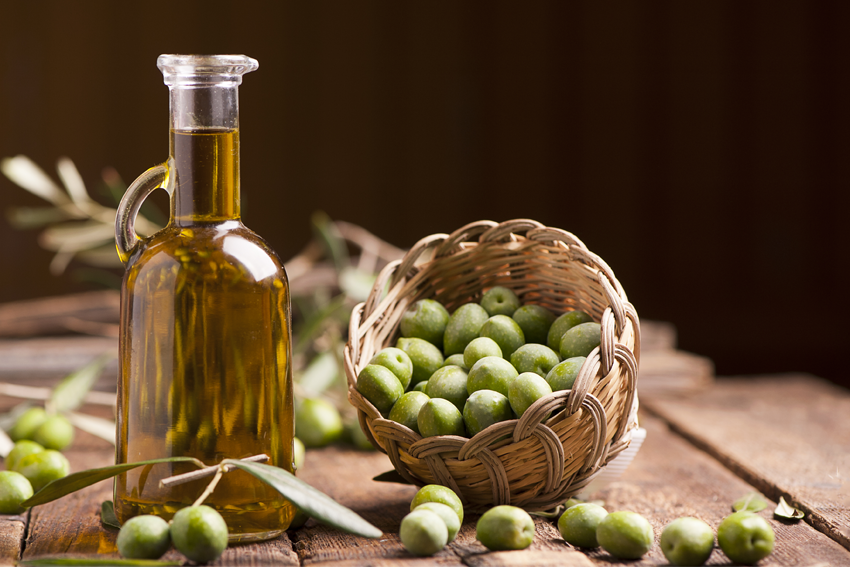
The Mediterranean basin has been renowned for producing the highest quality olive oil for thousands of years. This region, encompassing Greece, Italy, Spain, southern France, and the Maghreb countries, has developed highly diverse traditions related to olive cultivation and oil production. Every valley and hill imparts its characteristic flavor, reflecting local soil conditions, climate, and cultural heritage.
In Tuscany, olive oil is known for its intense, slightly peppery taste with notes of freshly cut grass and green almonds. Tuscan producers have, for centuries, used the cold-pressing method, which preserves all the valuable nutrients and aromas of the olives. This traditional technique, also called spremitura a freddo, involves mechanically extracting oil at temperatures not exceeding 27°C, ensuring the retention of natural antioxidants, vitamins, and unsaturated fatty acids.
Greek extra virgin olive oil, especially from the island of Crete, stands out with its golden color and mild, fruity flavor. Cretan olive oil is not just a culinary ingredient but also a cornerstone of the Mediterranean diet, recognized by UNESCO as an intangible cultural heritage of humanity. Scientific research has repeatedly confirmed that regular consumption of high-quality olive oil positively affects the cardiovascular system, lowers LDL cholesterol, and exhibits anti-inflammatory properties.
Spanish olive oil from the Andalusia region, the world’s largest olive oil producer, offers an extraordinary variety of flavors – from delicate and fruity to intense and peppery. Local olive varieties such as Picual, Hojiblanca, and Arbequina produce oils with completely different taste profiles, enabling chefs to create unique culinary compositions.
Asian Sesame Oils – The Essence of Oriental Cuisine
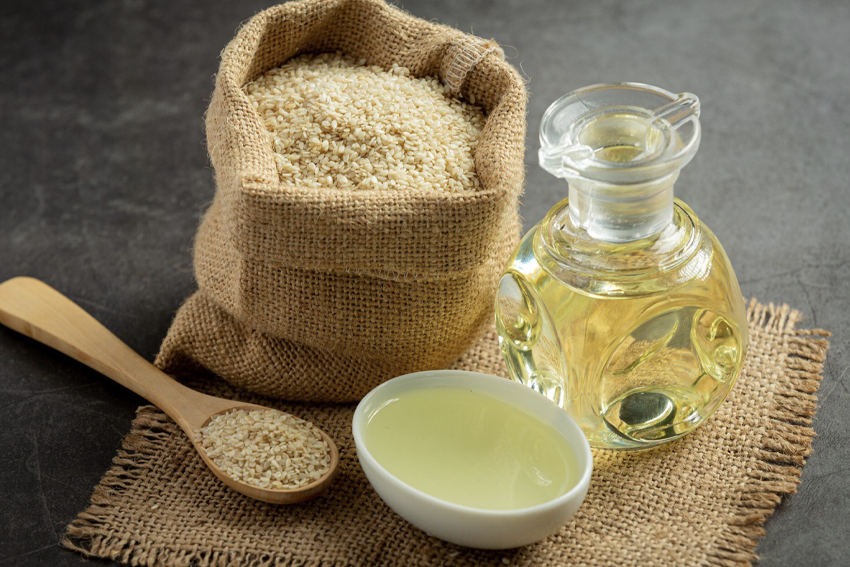
East and Southeast Asian countries have developed rich traditions in producing sesame oils, which are an integral part of local cuisines. Chinese sesame oil, made from roasted sesame seeds, is characterized by an intense, nutty aroma and dark brown color. This oil is not used for frying but as a flavor enhancer, giving dishes a distinctive oriental note.
In traditional Chinese medicine, sesame oil is valued for its medicinal properties. Rich in sesamin and sesamol – natural antioxidants – it exhibits anti-inflammatory effects and supports cardiovascular health. The production process in China has remained unchanged for centuries: sesame seeds are roasted in traditional hearths and then pressed on stone mills.
Korean sesame oil, known as chamgireum, plays a key role in dishes like kimchi – the nation’s famous fermented cabbage. Korean producers take pride in traditional extraction methods, which involve slow roasting small batches of seeds and cold pressing.
In Japan, sesame oil, called goma-abura, is a staple in tempura and many traditional sauces. The Japanese production method emphasizes the cleanliness of the process and the quality of the seeds. Cold pressing in sterile conditions preserves all the valuable nutrients and the delicate, nutty flavor of the oil.
African Palm and Argan Oils – The Continent’s Wild Treasures
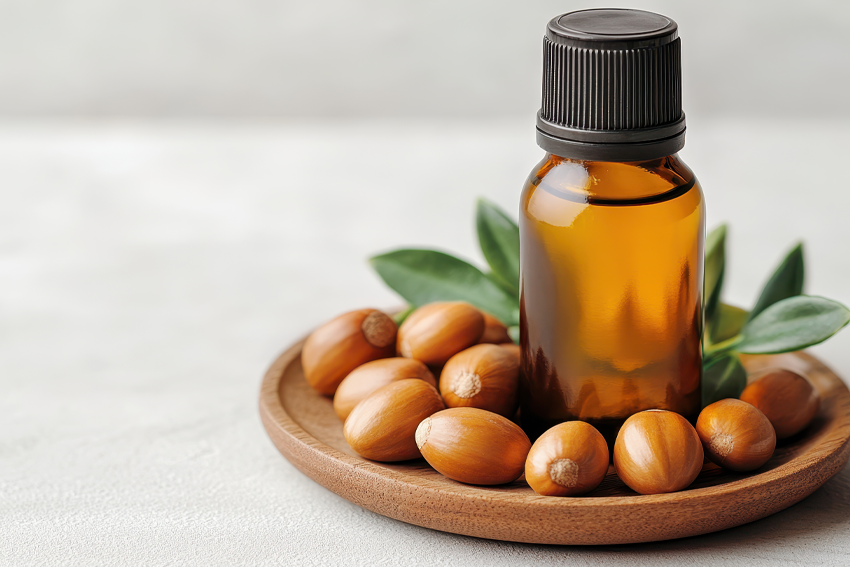
Africa has a rich heritage of producing unique plant oils largely unknown to much of the world. Moroccan argan oil, called “liquid gold,” is produced exclusively in the southwestern part of the country, where endemic argan trees grow. The production process has remained unchanged for centuries: Berber women manually shell the argan fruit, roast the seeds, and grind them on stone mills.
Cold-pressed argan oil has a golden color and a delicate, nutty taste. It is extremely rich in vitamin E, squalene, and unsaturated fatty acids, which exhibit strong antioxidant effects. In traditional Berber cuisine, argan oil is used to prepare amlou – a blend of oil, ground almonds, and honey.
West Africa is famous for producing red palm oil, which forms the base of many local dishes. Unlike industrially refined palm oil, traditional red palm oil retains all the natural carotenoids, giving it its characteristic color and high nutritional value. In Nigeria, this oil is used in traditional dishes such as jollof rice and pepper soup.
Baobab seed oil, produced in the Sahel region, is another African culinary treasure. The seeds are cold-pressed by local communities, producing an oil high in omega-6 and omega-9 fatty acids. This oil has a delicate, nutty flavor and is used both in cooking and in traditional medicine for its anti-inflammatory properties.
South American Tropical Oils – Amazonian Diversity
South America, particularly the Amazon region, is a true treasure trove of unique plant oils. Brazilian oils from Amazonian nuts, açaí, and coquinho represent an extraordinary richness of flavors and nutrients. Brazil nut oil (castanha-do-pará), cold-pressed by local indigenous communities, is characterized by an intense, nutty flavor and a high selenium content – a trace element with strong antioxidant properties.
Açaí oil, produced from the fruits of the açaí palm, has a distinctive dark purple color and fruity taste. It is extremely rich in anthocyanins – natural antioxidants with anti-cancer and anti-inflammatory effects. In regional Brazilian cuisine, açaí oil is used to prepare traditional smoothies and desserts, as well as an accompaniment to fish and seafood dishes.
Argentinian sunflower oil from the Pampas region is known for its exceptionally high quality due to ideal climatic and soil conditions. Argentine farmers have developed unique high-oleic sunflower varieties that produce oil with a composition similar to olive oil.
North American Oil Traditions – Innovation and Heritage
The United States and Canada have developed their own traditions in plant oil production, combining innovative technologies with respect for tradition. Canadian canola oil, resulting from decades of work on rapeseed, represents a new standard in oil production. It is low in saturated fatty acids and high in oleic acid, making it one of the healthiest oils available on the market.
American soybean oil, particularly from the Midwest, plays a key role in regional local cuisines. Traditional cold-pressed soybean oil has a delicate, neutral flavor and is rich in omega-6 unsaturated fatty acids and lecithin. In Southern American cuisine, soybean oil is commonly used for frying traditional dishes and as an ingredient in barbecue sauces.
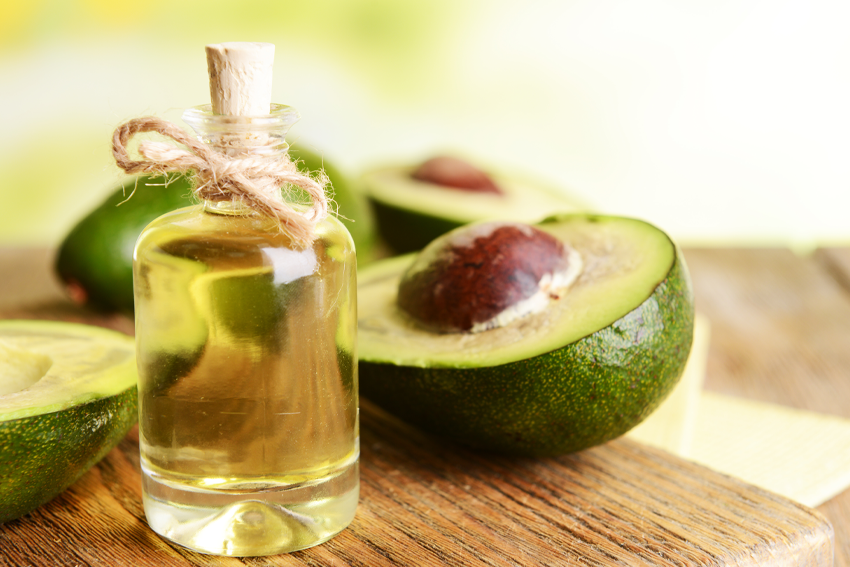
California avocado oil is the latest trend in American oil production. California, the largest avocado producer in the United States, has developed innovative methods for extracting oil from avocado pulp. This oil is high in monounsaturated fatty acids and has a high smoke point, making it ideal for cooking at high temperatures.
Regional Oils in Poland – Treasures Shaping Culinary Tradition
Poland has a rich, centuries-old tradition of cultivating oilseed plants and producing oils dating back to the Middle Ages. Thanks to varied climate and soil conditions, Polish lands have long been ideal for growing flax, hemp, rapeseed, poppy, and pumpkin, creating a unique mosaic of regional flavors and culinary traditions. Polish regional oils are true culinary treasures that have shaped the taste of the national cuisine and formed the foundation of a healthy diet for generations.
Flax – The Golden Seeds of the North
Flax cultivation in Poland dates back to the 10th century, when it was one of the most important raw materials for both textiles and oil. Northern regions, particularly Masuria, Warmia, and Podlasie, became centers for producing flax seeds (lnianek), from which precious flax oil was extracted. Traditional Polish farms grew flax for both fiber and seeds, maximizing the potential of this versatile plant.
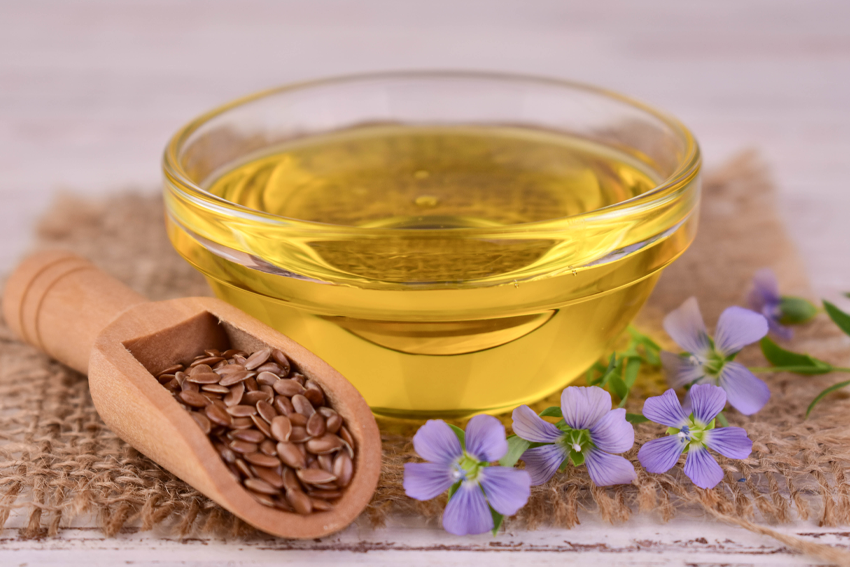
Cold-pressed Polish flax oil has a golden color and a characteristic, slightly nutty flavor with a hint of freshness. It is a true superfood, containing the highest concentration of alpha-linolenic acid (ALA omega-3) of all vegetable oils, making up to 60% of its fatty acid composition.
Traditional Polish flax pressing methods involved wooden presses and stone mills, operating very slowly to preserve all the valuable nutrients.
In traditional Polish cuisine, flax oil was called the “golden oil” and primarily used in cold dishes. It was added to curd with potatoes, cucumber salad (mizeria), or sauerkraut salads, giving them a distinctive flavor and providing valuable nutrients. Polish grandmothers intuitively knew to store flax oil in a cool, dark place and consume it quickly after opening, understanding its sensitivity to oxidation.
In Polish folk medicine, flax oil was valued for its anti-inflammatory and digestive-supporting properties. It was given to children for better nervous system development and to adults to strengthen immunity and improve skin condition. Modern scientific research confirms this traditional knowledge, showing that omega-3 fatty acids from flax oil support brain, heart, and immune system health.
Hemp – The Forgotten Treasure of Polish Fields
Hemp cultivation in Poland has a thousand-year tradition and was a pillar of agriculture until the 20th century. Polish industrial hemp (Cannabis sativa) was highly valued across Europe for its fiber and seeds. Regions such as Kujawy, Greater Poland, and Lublin were known for vast hemp plantations supplying raw material for textiles and valuable hemp oil production.
Traditional Polish hemp oil is distinguished by its greenish color and intense, nutty flavor with a subtle herbal note. It is one of the most balanced oils in terms of fatty acid composition, containing optimal ratios of omega-3 to omega-6 (1:3), which are perfectly absorbed by the human body. Polish hemp, adapted to the local climate over centuries of selection, produced oil of exceptional quality and durability.
In Polish culinary tradition, hemp oil was especially valued during fasting periods, serving as an important source of protein and healthy fats. It was added to fasting soups, groats, and salads, enriching the diet with essential nutrients. Polish peasants knew that hemp oil provided strength and improved condition, particularly during harsh winter months.
Traditional Polish hemp oil production involved thorough cleaning of seeds, gentle roasting to enhance flavor, and cold pressing in wooden presses. The process was slow to prevent overheating and preserve all the oil’s beneficial properties. Many hemp presses in Poland were family-run businesses, passed down through generations along with secrets of proper pressing techniques.
Modern research confirms that hemp oil has anti-inflammatory properties, supports skin regeneration, and may help alleviate intestinal inflammation. It also contains rare fatty acids, such as gamma-linolenic acid (GLA), which supports hormonal health and nervous system function.
Pumpkin – The Autumn Gift of Małopolska and Silesia
Pumpkin arrived in Poland in the 16th century and quickly became established in Polish gardens, especially in the southern regions. Małopolska, Silesia, and southern Greater Poland became centers of pumpkin cultivation, and the tradition of pumpkin oil production developed particularly in mountainous areas, where the plant thrived in cooler climates and shorter growing seasons.
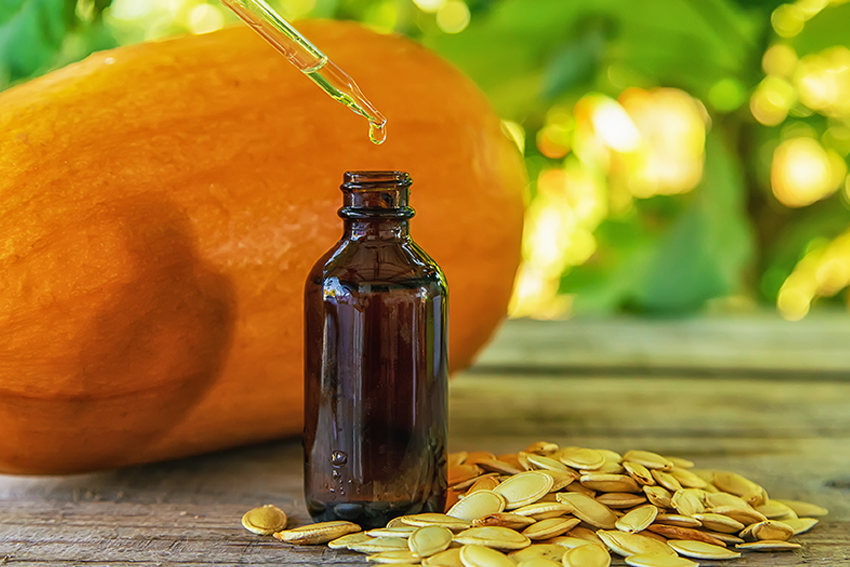
Polish pumpkin oil, pressed from Cucurbita pepo seeds, is one of the most valuable oils available in the local climate. It has a dark green color and an intense, nutty flavor with hints reminiscent of roasted seeds. Traditionally, pumpkin oil was produced in the fall, after harvest, when seeds reached full maturity and maximum oil content.
In Polish culinary tradition, pumpkin oil was mainly used as an addition to autumn and winter dishes. It pairs perfectly with sauerkraut, potatoes, and groats. Highlanders from the Beskids and Tatra Mountains valued pumpkin oil for its nutritional properties and its ability to provide strength in harsh winter conditions. It was added to pumpkin soup, potato pancakes, and sauerkraut salads.
The production of pumpkin oil was labor-intensive. Seeds were thoroughly cleaned of pulp, sun-dried or placed in airy locations, and then roasted in cast-iron pans over an open fire. Roasting was an art – too short did not bring out the flavor, too long could burn the delicate seeds. Properly roasted seeds acquired a dark green color and intense aroma.
Modern studies show that pumpkin oil is exceptionally rich in phytosterols, particularly beta-sitosterol, which supports prostate health and may help reduce cholesterol levels. It also contains high concentrations of vitamin E, zinc, and magnesium, essential for proper immune and nervous system function.
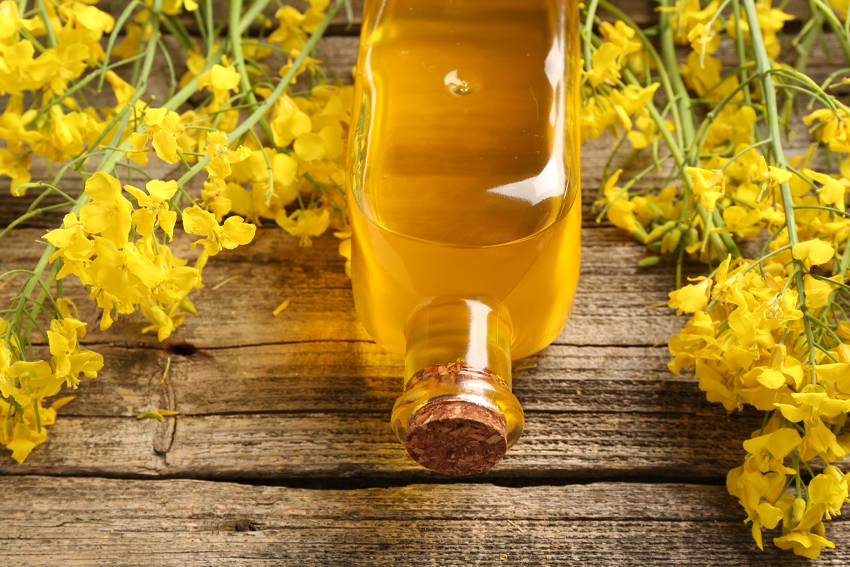
Rapeseed – The Yellow Seas of Polish Fields
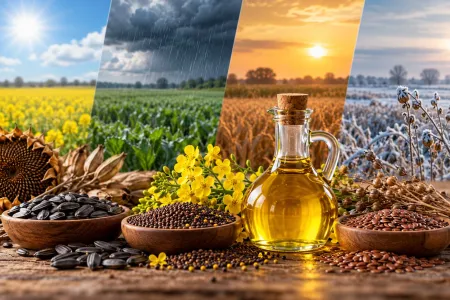
Rapeseed cultivation in Poland significantly increased during the Middle Ages and the Renaissance, when the plant became one of the main sources of oil in the Polish diet. The climatic and soil conditions across Poland were suitable for rapeseed cultivation, but particularly fertile regions – Kujawy, Greater Poland, Mazovia, and Podlasie – stood out. The characteristic yellow fields of blooming rapeseed became an inseparable element of the Polish rural landscape.
Traditional Polish rapeseed oil had a more intense flavor than modern varieties. It was golden in color and had a pronounced, slightly spicy taste with a cabbage-like note. Older rapeseed varieties contained higher levels of erucic acid, which gave the oil its distinctive, somewhat sharp flavor appreciated in traditional Polish cuisine.
In Polish culinary tradition, rapeseed oil was a staple for frying and baking. Its high smoke point made it ideal for preparing traditional Polish fried dishes – pork cutlets, potato pancakes, and fish. Polish housewives valued rapeseed oil for its versatility, availability, and suitability for everyday cooking.
Traditional Polish rapeseed presses were often part of larger grain mills. Rapeseed seeds were roasted in large cast-iron kettles and then pressed in wooden or metal presses. This process required considerable experience to achieve the correct roasting temperature and pressing pressure, ensuring high yield while maintaining oil quality.
Poppy – The Red Flowers of Polish Fields
Poppy cultivation in Poland has a long tradition, especially in southeastern regions, where it was an integral part of the traditional crop rotation. Lublin, Podkarpacie, and Małopolska were famous for vast fields of red poppies, which were not only visually stunning but also provided valuable seeds for oil production.
Polish poppy seed oil has a light, golden color and a very delicate flavor. It is one of the subtlest oils in Polish culinary tradition, valued for its lightness and easy digestibility. Traditional Polish poppy oil production was extremely gentle – seeds were pressed slowly, without roasting, to preserve their natural, subtle taste.
In Polish cuisine, poppy oil was used to enhance the flavor of salads, groat dishes, potatoes, marinades, and as an ingredient in sweet pastries and desserts. Housewives appreciated poppy oil for its ability to complement other flavors without overpowering them. It was also used in some Christmas Eve dishes, especially in regions where poppies were traditionally grown.
Traditional Polish poppy oil production required great precision. Seeds were first sieved to remove impurities, then gently washed and dried. Pressing was done in wooden presses at very low pressure to avoid damaging the delicate seeds and introducing unwanted flavors.
Poppy seed oil is rich in linoleic acid (omega-6) and contains significant amounts of phospholipids, supporting brain and nervous system health. In traditional Polish cuisine, it was valued not only for taste but also for its soothing effect on digestion and calming properties.
The Renaissance of Polish Regional Oils
Today, there is a true renaissance of interest in traditional Polish regional oils. Young Polish chefs are rediscovering the richness of flavors in these forgotten oils and incorporating them into modern Polish cuisine. Restaurants specializing in regional dishes increasingly offer meals prepared with locally cold-pressed oils.
Polish farmers and small food producers are returning to cultivating traditional varieties of oilseed plants. Small presses, equipped with modern cold-pressing equipment, are emerging throughout Poland, offering consumers fresh, high-quality regional oils.
Contemporary research on traditional Polish oils confirms their exceptional health properties. Varieties of flax, hemp, and pumpkin, adapted to the Polish climate over centuries, often contain higher concentrations of valuable nutrients than their counterparts from other countries. This makes Polish regional oils not only authentic in taste but also nutritionally superior.
Polish oil traditions are not just a culinary heritage but also an important element of cultural identity. Returning to these traditions helps preserve biodiversity, support local farms, and rediscover the rich flavors of Polish regional cuisine. Each traditional Polish oil carries the story of its region, the wisdom of generations, and a unique taste found nowhere else in the world.
The Health Significance of Local Cold-Pressed Oils
The cold-pressing process, used by traditional oil producers worldwide, is crucial for preserving the nutritional value and health-promoting properties of plant oils. This mechanical extraction method, carried out at temperatures not exceeding 40°C, maintains the natural structure of fatty acids, fat-soluble vitamins, and bioactive compounds.
Cold-pressed oils retain high levels of vitamin E – a natural antioxidant that protects the body from free radicals and supports skin health. Carotenoids, responsible for the distinctive colors of many oils, exhibit anti-cancer properties and support eye health. Phytochemicals, such as sesamin in sesame oil or hydroxytyrosol in olive oil, possess strong anti-inflammatory and cardioprotective effects.
Scientific studies confirm that regular consumption of high-quality cold-pressed oils positively affects blood lipid profiles by lowering LDL (bad) cholesterol and raising HDL (good) cholesterol levels. The unsaturated fatty acids – omega-3, omega-6, and omega-9 – contained in these oils are essential for proper nervous system function, immune system support, and cellular regeneration processes.
Different regional oils have unique fatty acid profiles, allowing for the creation of a balanced diet. Mediterranean olive oil primarily provides oleic acid (omega-9), Asian sesame oil is rich in linoleic acid (omega-6), and North American canola oil contains optimal ratios of omega-3 and omega-6 fatty acids.
Cultural Significance of Oils in Culinary Traditions
Local plant oils are not only culinary ingredients but also carriers of cultural identity and traditions passed down through generations. In every culture, oil holds ritual and symbolic meaning that extends far beyond its nutritional or flavor value.
In Mediterranean cultures, olive oil symbolizes peace, wisdom, and fertility. The olive tree, which can live for thousands of years, represents continuity of tradition and connection to ancestral land. The ritual of the first pressing after harvest is celebrated as a communal festival, bringing families and neighbors together in preserving heritage.
In Asian cultures, sesame oil holds spiritual and ceremonial importance. In Buddhism, sesame seeds symbolize enlightenment and the immortality of the soul. Traditional sesame oil production in Buddhist monasteries is considered a form of meditation and spiritual practice. Monks believe that oil produced in a state of contemplation transfers positive energy to those who consume it.
African traditions related to plant oils often have ritualistic and medicinal significance. In Berber communities, argan oil production is exclusively managed by women, who pass down production knowledge to their daughters. This process is not only an economic activity but also a vital element of socialization and preservation of cultural identity.
In North American cultures, plant oils have become symbols of innovation and adaptation to local conditions. The development of canola oil production in Canada demonstrates how modern breeding techniques can be combined with respect for culinary traditions and a focus on health.
The Impact of Global Trends on Local Oil Traditions
Contemporary culinary and health trends have significantly influenced the revival of local cold-pressed oils. Increasing consumer awareness about health has led more people to seek authentic, minimally processed products that combine high nutritional value with rich cultural traditions.
The Slow Food movement, which began in Italy, promotes a return to traditional food production methods, including the production of plant oils. This culinary philosophy emphasizes the importance of local ingredients, traditional production techniques, and the preservation of culinary biodiversity. Thanks to this movement, many forgotten varieties of oil-bearing plants have been saved from extinction, and traditional cold-pressing methods have gained renewed recognition.
The "farm-to-table" trend, popular in high-end restaurants worldwide, emphasizes the use of local, seasonal ingredients, including oils produced by small, family-run farms. Chefs are discovering the rich flavors of local oils and incorporating them into modern interpretations of traditional dishes.
Growing interest in healthy digestion and plant-based diets has led consumers to increasingly choose oils rich in unsaturated fatty acids with anti-inflammatory properties, supporting proper digestive function. This has driven greater attention to traditional cold-pressed oils from plants with valuable health properties, such as black cumin, hemp, and chia seed oils.
Cold-Pressing Technology – Tradition in a Modern Form
Traditional cold-pressing methods are evolving thanks to modern technologies that preserve all the benefits of traditional processes while increasing efficiency and hygiene. Contemporary oil presses used in small-scale production combine proven mechanical principles with precise control over temperature and cleanliness.
Modern cold-press oil machines, such as professional Cold and Hot Press Oil Extractors with a 14kg/h capacity, represent the latest achievements in small-scale production of high-quality oils. These devices allow the pressing of a wide variety of seeds and nuts under controlled conditions, preserving all valuable nutrients and the natural aroma of the raw materials.
The advantages of producing your own cold-pressed oil include complete control over raw material quality, product freshness, and the preservation of traditional production methods. Small presses equipped with professional machinery can produce oils of exceptional quality that surpass industrial alternatives in terms of nutritional value and flavor.
Modern filtration and clarification systems allow for oils of purity comparable to industrial products while retaining all natural bioactive compounds. Temperature control systems ensure that the pressing process does not exceed critical thresholds that could degrade heat-sensitive vitamins and aromatic compounds.
The Economics of Local Oils – Supporting Local Communities
Producing local cold-pressed oils has not only culinary and health significance but also socio-economic value. Small presses and family farms play a crucial role in preserving local traditions and supporting regional economies.
Developing micro-production of oils creates jobs in rural areas and provides farmers with an additional source of income from processing their own raw materials. Collaboration between local seed producers and press operators establishes sustainable supply chains that are more resilient to global market fluctuations.
Consumers increasingly value the ability to trace the origin of their food and engage directly with producers. Local presses often organize open days, educational workshops, and tastings, helping to raise awareness of the oil production process and its health benefits.
Direct sales and short supply chains help maintain affordable prices for consumers while ensuring fair compensation for producers. This model is especially important for specialty oils made from rare varieties of oil-bearing plants.
The Future of Local Oil Traditions
The future of local plant oils appears promising, particularly in the context of growing ecological and health awareness. Chefs and food producers are rediscovering the richness of traditional flavors and production techniques, adapting them to modern needs and quality standards.
Blockchain technology enables full traceability of oils from field to table, enhancing consumer trust and ensuring fair compensation for all participants in the supply chain. Organic certification and geographic origin labels protect traditional production methods and guarantee product authenticity.
Scientific research on the health properties of local oils continues to yield new discoveries, confirming the intuitive knowledge of traditional producers. Identifying new bioactive compounds and their mechanisms opens up novel possibilities for using oils in the prevention of lifestyle-related diseases.
Culinary education increasingly includes topics related to local oil traditions, teaching young chefs and consumers to differentiate flavors, store oils properly, and use various types appropriately. This ensures that traditional culinary knowledge is preserved and passed on to future generations.
Frequently Asked Questions
Are cold-pressed oils really healthier than refined oils?
Yes, cold-pressed oils retain significantly more natural nutrients compared to refined oils. The refining process, which involves high temperatures, chemical treatments, and degumming, removes most vitamins, antioxidants, and bioactive compounds. Cold-pressed oils contain a full spectrum of unsaturated fatty acids, vitamin E, carotenoids, and anti-inflammatory phytonutrients. Studies show that regular consumption of cold-pressed oils supports heart, brain, and immune system health.
Which regional oils are best for heart and cardiovascular health?
Oils rich in unsaturated fatty acids, particularly omega-3 and oleic acid, are most beneficial for cardiovascular health. Extra virgin olive oil contains high levels of oleic acid and polyphenols, which lower LDL cholesterol and have anti-inflammatory effects. Canola (rapeseed) oil provides optimal ratios of omega-3 to omega-6 fatty acids. Flaxseed oil is the best source of alpha-linolenic acid (ALA, omega-3). Argan oil contains a unique combination of fatty acids and squalene that supports vascular elasticity. Research on the Mediterranean diet shows that regular consumption of these oils can reduce the risk of heart disease by up to 30%.
Is it worth investing in your own oil press, and which seeds are best for home pressing?
Investing in a personal oil press can be very worthwhile, especially for those who value freshness and quality. A press allows full control over the production process and guarantees the highest freshness of the oil. The best seeds for home pressing include sunflower (high yield, neutral flavor), rapeseed (healthy fatty acid profile), sesame (intense flavor, high nutritional value), flaxseed (rich in omega-3 but should be used quickly), and various nuts (walnuts, hazelnuts, almonds). Modern presses, such as those available on pureoilpress.com, allow professional home pressing with capacities of up to 14 kg per hour.
How can you recognize high-quality cold-pressed oil and avoid counterfeits?
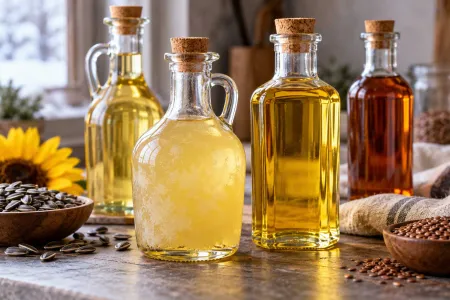
High-quality cold-pressed oils can be identified by several features: an intense, characteristic aroma and taste corresponding to the raw material; natural color (golden for sunflower, greenish for olive, dark for roasted sesame oil); and sometimes a natural sediment at the bottom of the bottle. Avoid oils with suspiciously low prices, colorless or odorless oils, those stored in plastic bottles, or with unclear production dates. It’s best to buy directly from the producer or from trusted health food stores that can guarantee the origin and storage conditions of the product.
Summary – Local Oils as Bridges Between Tradition and Modernity
Local cold-pressed plant oils represent the perfect synthesis of tradition and modernity, combining centuries of cultural heritage with the latest knowledge of healthy nutrition and sustainable food production. Each region of the world contributes its own unique flavors, aromas, and health benefits to this mosaic.
Returning to culinary roots and appreciating local oil traditions is not just a dietary trend but also a way to preserve cultural biodiversity and support sustainable development. By choosing local cold-pressed oils, consumers enjoy exceptional taste and health benefits while supporting the preservation of valuable culinary traditions for future generations.
Investing in a high-quality oil press can open the door to discovering the flavor richness of local raw materials and creating your own unique culinary tradition. In an era of globalization and uniformity of flavors, producing your own authentic oils becomes an act of cultural independence and a tribute to the culinary traditions of our ancestors.