
Table of Contents
Cultivating Organic Oilseeds – Reducing Risks from Excessive Chemical Use Growing organic oilseeds, such as rapeseed, flax, or sunflower, is a beneficial choice for both human health and the environment. By avoiding chemicals, these crops can help reduce the negative impact of agriculture on our planet. Organic seeds used in oil presses allow the production of truly health-promoting plant oils. In this article, you will learn how to cultivate organic oilseeds, the risks associated with excessive chemical use in conventional farming, and how the chemical substances applied in agriculture can affect our health.
Organic Oilseeds: Cultivation and Risks of Excessive Chemical Use
What Are Organic Oilseeds?
Before discussing the risks of chemicals, it’s important to understand what organic cultivation entails. Organic crops, also called biological or ecological crops, rely on minimizing chemical inputs and promoting sustainable natural farming practices. For organic oilseeds, these practices may include:
- No pesticides: Organic farms use natural pest control methods, such as planting companion plants that attract beneficial insects.
- No synthetic fertilizers: Nutrients come from compost, green manure, animal manure, and other natural sources.
- Diverse crops: Crop rotation and plant diversity help reduce the risk of pests and diseases.
Risks of Excessive Chemical Use in Conventional Oilseed Farming
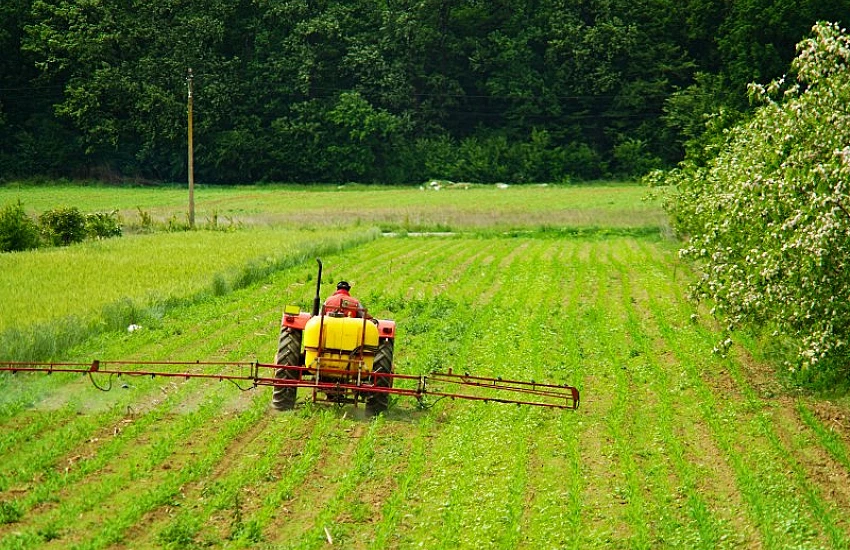
Conventional oilseed crops like rapeseed, flax, or sunflower often rely heavily on pesticides, herbicides, and synthetic fertilizers, which can create multiple hazards:
- Groundwater contamination: Chemicals can leach into water sources, threatening human health and aquatic ecosystems.
- Loss of biodiversity: Chemicals can harm beneficial organisms, disrupting ecological balance.
- Pest resistance: Overuse of pesticides can lead to resistant pests, requiring even more chemical use.
- Food contamination: Residues of chemicals in food can negatively affect human health.
How to Grow Organic Oilseeds
Growing organic oilseeds benefits both the environment and consumers. Avoiding excessive chemical use reduces the negative impacts of conventional farming, such as pollution, biodiversity loss, and pest resistance. Properly managed organic crops can yield healthy, environmentally friendly products.
Tips for cultivating organic oilseeds:
- Choose pest-resistant varieties: Select plants naturally resistant to pests and diseases to reduce pesticide needs.
- Use natural pest control methods: Techniques like trap crops, pheromone traps, and maintaining plant diversity help manage pests organically.
- Sustainable nutrient management: Composting, green manure, and crop rotation supply nutrients without synthetic fertilizers.
- Monitoring and management: Regularly check fields for early detection of problems.
- Certification: Obtain organic certification to verify compliance with ecological farming standards.
Impact of Organic Seeds on Oil Quality and Health Benefits
The quality and health benefits of oil directly depend on cultivation methods. Organic oilseeds can provide numerous advantages:
- No chemical residues: Organic seeds are free from synthetic pesticides and herbicides, resulting in oils without harmful chemical residues.
- Higher nutrient content: Natural fertilization methods enhance the nutrient density of seeds, producing oils rich in vitamins, minerals, and antioxidants.
- Reduced contamination risk: Organic practices help maintain soil and water quality, reducing contamination in the final oil.
- Non-GMO: Organic oils are usually free from genetically modified organisms.
- Higher Omega-3 content: Oils from certain organic seeds, such as flax, may contain more heart-healthy Omega-3 fatty acids.
Health Risks of Consuming Oils from Contaminated Seeds
Consuming oil from conventionally farmed, chemically treated seeds may pose several health risks:
- Pesticide poisoning: Residues can cause nausea, vomiting, headaches, and other symptoms.
- Herbicide exposure: Some herbicides are toxic and may affect human health.
- Heavy metal contamination: Non-organic crops may contain metals like lead, cadmium, or mercury, which can accumulate in the body.
- Chronic disease risk: Long-term consumption may increase risks of heart disease, diabetes, or hormonal imbalances.
- Allergies and intolerances: Chemical residues may trigger allergic reactions or intolerances.
- Toxin buildup: Regular intake of contaminated oil can burden the body and impact overall health.
- Best Practice: Use certified organic seeds and presses to produce your own oil, ensuring a clean, safe, and nutritious product. If producing your own oil isn’t possible, check labels to confirm organic certification.
FAQ: 10 Most Frequently Asked Questions About Organically Grown Seeds
1. What are organic crops?
Organic crops minimize chemical use, protect the environment, and promote sustainable farming.
2. Why choose organic oilseeds?
They reduce environmental impact, prevent contamination, and provide higher-quality products.
3. Which oilseeds can be grown organically?
Rapeseed, flax, sunflower, soybean, hemp, and more.
4. What pest control methods are used?
Natural methods include trap crops, pheromone traps, and attracting beneficial insects.
5. What fertilizers are used?
Compost, green manure, and animal manure instead of synthetic fertilizers.
6. What is crop rotation and why is it important?
Rotating crops maintains soil fertility and reduces pest and disease risks.
7. Are organic oilseeds more nutritious?
Yes, they often contain higher levels of vitamins, minerals, and antioxidants.
8. What health benefits do organic oils provide?
They are free from harmful chemicals and contaminants, supporting better health.
9. Are organic oils GMO-free?
Yes, GMO use is generally prohibited in organic farming.
10. How to identify organic oilseed products?
Look for certifications like “EU Organic” or “USDA Organic” on product labels.