

Table of Contents
In the world of healthy eating, where we increasingly pay attention to natural ingredients, cold-pressing oil holds a special place. Cold-press oil extractors allow you to produce oils that retain their full nutritional value, flavor, and aroma. In this article, we’ll explain why a cold-press oil extractor is not only a healthy choice but also a cost-effective solution for both households and businesses.
What is cold pressing?
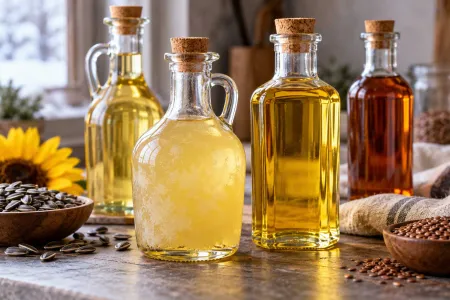
Cold pressing is a method of extracting oil that involves pressing seeds, nuts, or kernels without preheating them to high temperatures. This allows the pressing process to occur at a low temperature, producing oil that does not exceed 40°C (104°F).
The key advantage of this method is that it preserves the full nutritional value of the oil, as active compounds such as unsaturated omega-3 and omega-6 fatty acids are not degraded by heat. Compared to refined oils, cold-pressed oil has a richer composition. It not only contains more vitamins and minerals but also retains its natural aroma and intense flavor, making it an excellent addition to salads, cold dishes, and healthful infusions.

Why Is It Worth Investing in a Cold Oil Press?
A cold oil press is a device that opens up a wide range of possibilities. The benefits of owning such a machine are both health-related and economical.
Here are some reasons to consider purchasing a cold oil press:
Full control over raw material quality:
With your own press, you can be certain that the oil you consume comes from carefully selected, top-quality ingredients. You can adjust the process to your preferences, choosing seeds, nuts, or kernels from organic sources.
Freshness at your fingertips:
Oil pressed at home or in a small mill is always fresher than what you find on store shelves. The shorter the time from pressing to consumption, the better preserved are all the valuable nutrients.
Cost-effectiveness and savings:
Although a cold oil press may represent an initial expense, it proves to be cost-effective in the long run. Especially for regular oil consumption, the investment pays off quickly, and producing your own oil reduces the cost of buying ready-made oils.
Versatility of the device:
Modern presses, such as those offered by Prima Tech, are not limited to pressing oil from a single type of raw material. They can extract oil from a variety of seeds, nuts, or kernels—ranging from flax and sunflower to sesame and walnuts. This makes home oil production more diverse and tailored to the health needs of the entire family.
Environmental awareness:
Making oil at home reduces the use of plastic and other single-use packaging, aligning with the increasingly popular zero-waste trend.
High-Quality Equipment – How to Choose the Best Press
Many oil presses are available on the market, but the machine’s quality is crucial. Devices like those offered by Prima Tech stand out for their solid construction and the ability to adjust pressing parameters for different raw materials. Key features to look for in a high-quality press include:
Efficiency and precision:
Modern oil presses allow for extracting oil from various seeds while maintaining maximum efficiency. This is important for obtaining the highest possible yield from a batch while minimizing losses.
Ease of use and maintenance:
A good machine should be simple to operate, and cleaning it should not be cumbersome. Prima Tech devices feature intuitive controls and easily detachable parts, facilitating cleaning after each pressing session.
Durability and sturdiness:
Oil presses, especially cold-press models, must be durable and withstand intensive use. Choosing a machine made from high-quality materials, such as stainless steel, ensures years of reliable operation.
Technical support:
Companies like Prima Tech offer not only high-quality equipment but also comprehensive support throughout the purchasing process. This is particularly important for beginners, as professional technical assistance can help choose the right machine and provide post-purchase guidance.
Who Is a Cold Oil Press For?
Cold oil presses are versatile and suitable for both households and small to medium-sized businesses. For households, they provide the opportunity to produce fresh, healthy oil for personal use, which is especially important for people focused on health and nutrition. For businesses in the food or cosmetic industries, they represent an investment in high-quality cold-pressed oils, which can be used in the production of cosmetics, dietary supplements, or food products.
A cold oil press is an excellent solution for individuals and businesses alike. It allows for obtaining oil of the highest quality, rich in nutrients and natural flavor. Choosing a high-end device, such as those offered by Prima Tech, guarantees not only health benefits but also savings and an eco-friendly approach. Investing in a press lets you enjoy fresh, high-quality oil every day.
Cold Oil Press – The Success of a Small Entrepreneur
Ms. Adkins runs a small family business in a small town in southern Poland. The company, which started in the 1990s, focused on growing organic herbs and producing natural preserves. Although local customers valued her products, the business had limited growth opportunities. In 2020, she decided to expand her offerings to include cold-pressed oils. Choosing a professional press from Prima Tech proved to be a key step toward success.
Before deciding to purchase a press, Ms. Adkins faced several challenges:
Limited product range: The company previously offered mainly dried herbs and preserves, attracting mostly local customers.
Growing competition: She needed a way to stand out and reach a broader audience.
Increasing product margins: Production costs were relatively high, and profit margins were modest. Introducing new, higher-value products could improve profitability.
Lack of experience with oil production: Ms. Adkins had no prior experience in oil pressing, which carried certain risks. She needed to determine how to select the right machine and start production while minimizing the risk of failure.

After analyzing the market, Ms. Adkins came across Prima Tech, a company that has been providing high-quality cold oil presses for years. The company enjoyed a strong reputation among small and medium-sized businesses, offering not only equipment but also comprehensive technical support. Seeing an opportunity to grow her business, she decided to invest in a professional oil press.
After consulting with Prima Tech experts, she chose a device tailored to her needs—a medium-capacity press, sufficient for the initial scale of production but with the potential for future expansion.
Implementation Process and Early Successes
From the moment she purchased the machine, Ms. Adkins received full technical support from Prima Tech. The first oil pressing was carried out using flax and sunflower seeds, which she personally cultivated on her family fields. Thanks to cold pressing technology, the resulting oil was rich in nutrients while retaining its natural taste and aroma. The product immediately gained recognition among local customers, and Małgorzata decided to expand sales through an online store.
Investing in a Prima Tech oil press proved to be a perfect choice. Here are the benefits Ms. Adkins achieved in a short time:
A new, attractive product range: Introducing cold-pressed oils from flax, sunflower, and hemp allowed the company to significantly expand its assortment. These new products aligned perfectly with the healthy lifestyle trend, attracting new customers both locally and from other parts of the country.
30% sales growth in the first year: By expanding the product range with cold-pressed oils and intensifying marketing efforts, the company achieved a 30% increase in sales during the first year after purchasing the press. The oils became bestsellers, and she regularly received orders from organic stores and individual customers.
Time and cost savings: The investment in a professional machine allowed for significant automation of the oil pressing process. Compared to previous manual methods, the press substantially reduced production time, resulting in lower operational costs and greater efficiency.
Expansion into new markets: Success in the local market encouraged her to expand further. In 2022, she launched an online store that became popular among customers across Poland. Thanks to the high quality of the cold-pressed products, the company also attracted interest from organic stores and restaurants.
Further business growth: Seeing the increasing demand for her products, she decided to invest in another Prima Tech press, this time with higher capacity. This allowed her to scale up production and introduce new types of oils, including walnut and black cumin oil.
Ms. Adkins’ story is an excellent example of how investing in modern technology can drive the growth of a small business. Choosing a professional oil press proved to be a crucial step, enabling not only the introduction of new products but also increased efficiency and profitability. With expert support and her own determination, her company not only survived challenging times but also expanded and gained new markets.
For small entrepreneurs looking for ways to stand out in a competitive market, investing in a cold oil press can be an excellent opportunity for growth and for building a strong brand based on quality and natural products.
(FAQ) Frequently Asked Questions
What is a cold oil press, and how does it work?

A cold oil press is a device that allows oil to be extracted from seeds, nuts, and kernels without exposing them to high temperatures. The pressing process occurs at a low temperature, usually not exceeding 40°C (104°F), which helps preserve all the valuable nutrients. Unlike refining methods that use high heat and chemicals, cold pressing is a natural and healthy way to obtain oil.
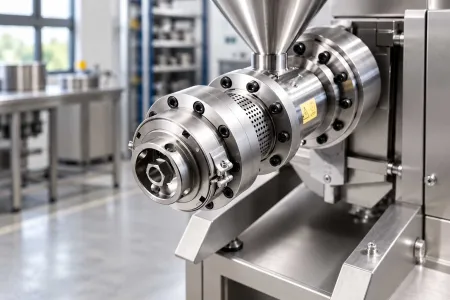
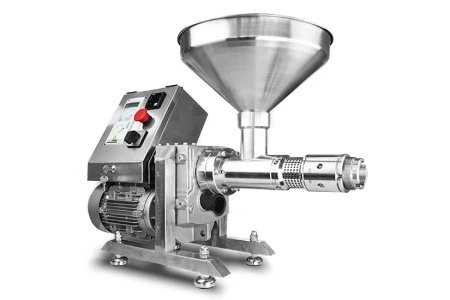
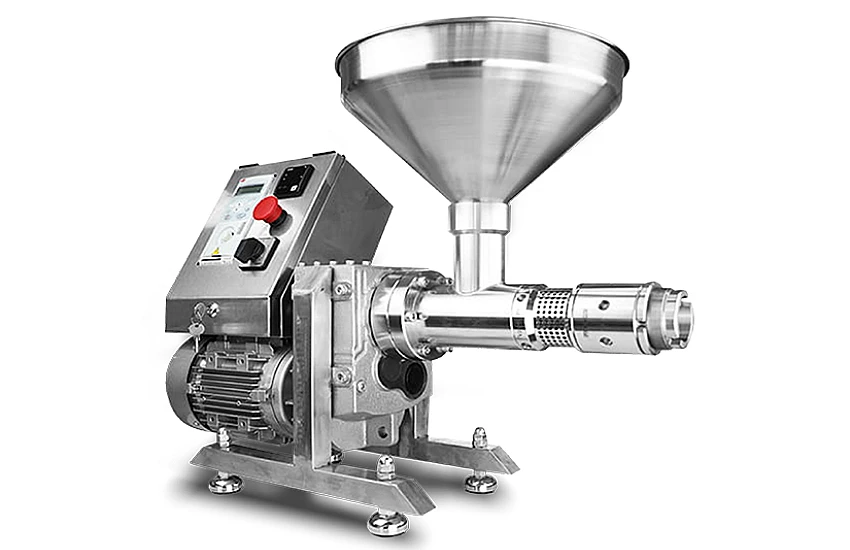
The operation of the press involves mechanically extracting oil from the chosen raw material using a specialized screw press. The material (e.g., flax seeds, sunflower seeds, nuts) is fed into the machine, where it is crushed and pressed by the screw. The resulting oil flows through holes, while the remaining solids (cake) are separated from the oil. The entire process takes place without overheating the raw material, ensuring that the oil retains its natural properties, including vitamins, minerals, unsaturated fatty acids such as omega-3 and omega-6, as well as its natural flavor and aroma.
Which Oils Can Be Extracted with a Cold Oil Press?
Cold oil presses are highly versatile and allow extraction from a wide variety of raw materials, including:
Plant seeds: such as flax, sunflower, sesame, rapeseed.
Nuts: e.g., walnuts, almonds, hazelnuts, peanuts.
Fruit seeds: e.g., pumpkin seeds, grape seeds, raspberry seeds.
Herbs and spices: some herbs, such as black cumin, can also be cold-pressed to obtain valuable oils.
It is important to remember that not all raw materials are suitable for every press. Before selecting a raw material, ensure that the press is compatible with the type of seeds or nuts you intend to use. Some raw materials may require specific machine settings to achieve maximum yield and oil quality.
Why is Cold-Pressed Oil Healthier than Refined Oil?
Cold-pressed oil retains all the natural properties of the raw material from which it is obtained. This means the oil is rich in vitamins (A, D, E, K), minerals, and unsaturated fatty acids such as omega-3 and omega-6. Furthermore, because the pressing is done at low temperatures, the oil preserves its natural aroma, taste, and color, making it not only healthy but also flavorful and full of active compounds.
In contrast, refined oils undergo high-temperature and chemical purification processes, which often remove vitamins, antioxidants, and valuable fatty acids, resulting in oils with lower nutritional value. Additionally, refinement can produce harmful substances formed during heating. For these reasons, cold-pressed oils are a significantly healthier choice, particularly for those concerned with heart health, circulation, and digestion.
How Long Can Cold-Pressed Oil Be Stored, and How Should It Be Stored?
Cold-pressed oil has a shorter shelf life than refined oils, as it does not contain artificial preservatives or undergo longevity-extending processes. Shelf life varies by type of oil, but most cold-pressed oils retain their properties for 3 to 6 months after pressing. To maximize shelf life, follow these guidelines:
Store in a cool place: Keep cold-pressed oils in the refrigerator or another cool area (below 20°C / 68°F). Higher temperatures accelerate oxidation and rancidity.
Protect from light: Store oils in dark, tightly sealed bottles (preferably dark glass) to prevent exposure to light, which speeds up oxidative processes.
Protect from air: Ensure the oil is tightly sealed after each use, as contact with air accelerates oxidation and shortens shelf life.
Following these guidelines helps maintain the oil’s freshness and nutritional value for as long as possible.
Is a Cold Oil Press a Worthwhile Investment for a Household or Small Business?
Purchasing a cold oil press can be beneficial for both households and small businesses that want to produce natural, healthy oils.
For households: Owning a cold oil press allows regular production of fresh oil, which is especially important for people focused on health and nutrition. Pressing oil at home is also cost-effective over time, especially compared to buying high-quality oils in stores.
For small businesses: A cold oil press is an excellent way to expand a product range. Companies in the food, cosmetic, or wellness industries can use cold-pressed oils as ingredients for their products. Producing your own oils gives a business independence and allows delivery of exceptionally fresh, high-quality products, enhancing competitiveness. In both cases, the press can pay for itself relatively quickly, particularly with regular use. While the initial investment in a professional machine may seem high, the benefits—healthy products and cost savings—make it worthwhile.
How to Choose the Right Cold Oil Press?
Choosing the right cold oil press depends on several key factors, including the intended use, the types of raw materials you want to press, and your budget. Consider the following:
Production scale: For home use, a smaller, lower-capacity press is sufficient. For small businesses, a professional machine with higher power and capacity is recommended.
Type of raw materials: Not all presses are compatible with every seed or nut. Make sure the machine can handle your intended raw materials (e.g., sesame, walnuts, flax).
Build quality: Choose machines made from durable materials, such as stainless steel, which are long-lasting and easy to clean.
Ease of use and maintenance: Opt for presses that are simple to operate and clean. Complex machines can be cumbersome for daily use.
Technical support: Check if the manufacturer provides technical support, warranties, and spare parts.
Is Cold-Pressing Complicated?
Cold pressing is not complicated, especially with modern presses designed for ease of use, even for beginners. After preparing the raw materials (seeds, nuts, or kernels), simply load them into the press, set the appropriate parameters (if available), and start the process. Many modern presses automatically adjust pressure and pressing speed, minimizing the risk of errors. After pressing, all that remains is to collect the oil and clean the machine, which is usually straightforward.
What Are the Operating Costs of a Cold Oil Press?
Operating costs depend on several factors:
Raw material cost: Prices vary depending on the type of seeds or nuts. Flax and sunflower seeds are relatively inexpensive, whereas walnuts can be more costly.
Energy consumption: Professional presses use electricity, but modern machines are generally energy-efficient. Costs depend on the device’s power and frequency of use.
Maintenance and cleaning: Regular cleaning is essential for longevity and efficiency. Maintenance costs may include cleaning supplies and occasional replacement parts.
Can Cold-Pressed Oil Be Used for Frying?
Cold-pressed oils are not ideal for frying due to their lower smoke point compared to refined oils. High temperatures can degrade nutrients and produce harmful compounds. Cold-pressed oils such as flax, rapeseed, or grape seed are best used raw—in salads, smoothies, cold dishes, or health drinks.
For frying, refined oils or oils with a higher smoke point, such as coconut oil or refined olive oil, are better choices.
Is a Cold Oil Press Easy to Clean?
Most modern cold oil presses are designed for easy cleaning. They typically consist of detachable parts that can be washed by hand or in a dishwasher. Key components, like the screw and sieve, require regular cleaning to prevent residue buildup, which could affect oil quality and machine longevity. Some models even include self-cleaning functions. Always clean the press immediately after use, as dried residue is harder to remove.
Conclusion
A cold oil press is an investment that opens the door to health, quality, and independence.
Cold pressing preserves the full nutritional value of oil, including vitamins, unsaturated fatty acids, and natural antioxidants. Unlike refined oils, cold-pressed oils are a true source of health, offering rich flavor and benefits such as supporting cardiovascular health, regulating cholesterol, and boosting immunity.
Investing in a cold oil press gives you control over raw material quality and product freshness. These devices are suitable for both households and small businesses, enabling the production of a wide variety of oils—from flaxseed to nut oils.
Thanks to modern technology, pressing oil has become simpler, more efficient, and cost-effective. A cold oil press is not just equipment—it’s a tool that promotes a healthy lifestyle and can be a key element in business growth.
High-quality oil, ease of use, and versatility make cold pressing increasingly popular, allowing more people to discover the benefits of natural, unprocessed products.