
Table of Contents
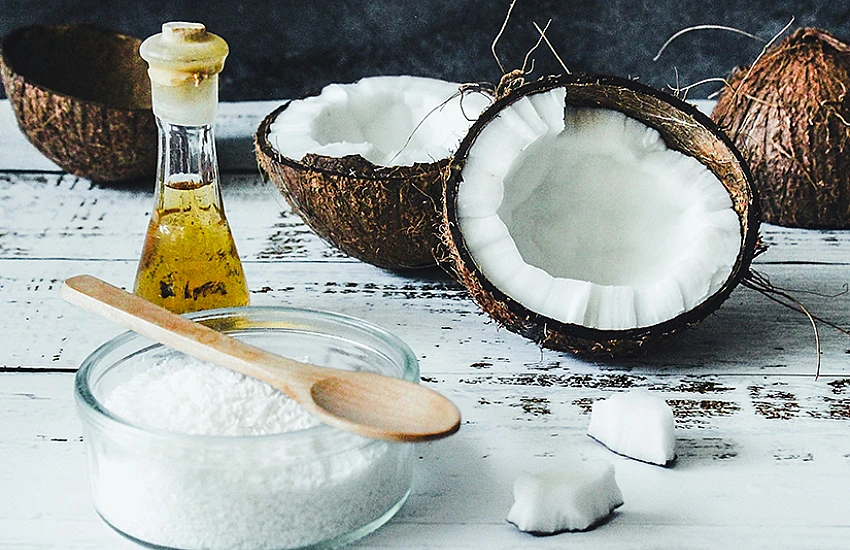
Coconut oil pulling, also known as “oil pulling,” is an ancient technique originating from Ayurveda – the traditional Indian medicine. Although it may sound unusual, it offers numerous health benefits and is gaining popularity worldwide. Coconut oil, renowned for its many properties, is used not only in cooking and body care but also in daily oral hygiene. In this article, you will learn about the benefits of coconut oil pulling and why it’s worth incorporating this simple ritual into your personal care routine.
What is oil pulling?
Oil pulling is a technique that involves swishing oil (most commonly coconut oil) around the mouth for 10–20 minutes. This method is based on the idea that oil acts as a natural cleansing agent, helping to remove bacteria and toxins from the oral cavity while simultaneously strengthening gums and teeth. Coconut oil is particularly valued for its antibacterial, anti-inflammatory, and antifungal properties, making it an ideal choice for this practice.
What are the benefits of coconut oil pulling?
Natural protection against bacteria and cavities
Coconut oil contains lauric acid, which has strong antibacterial properties. Regular oil pulling helps reduce the number of bacteria in the mouth, including Streptococcus mutans—the bacteria responsible for tooth decay. Streptococcus mutans are Gram-positive bacteria naturally present in the human oral cavity. They belong to the streptococcus group and are among the primary microorganisms involved in the development of cavities. These bacteria are particularly effective at converting sugars from our diet into acids. Their ability to adhere to tooth surfaces and form biofilm has a significant impact on dental health.
When we consume foods containing sugars (especially sucrose), Streptococcus mutans begins fermenting these sugars, converting them into organic acids, mainly lactic acid. This acid significantly lowers the pH in the mouth, leading to demineralization of tooth enamel.

Fresh Breath
Bad breath is often caused by bacteria and toxins in the mouth. Coconut oil pulling helps eliminate the bacteria responsible for unpleasant odors, resulting in long-lasting freshness. Unlike many mouthwashes, coconut oil is gentle and alcohol-free, so it does not irritate the oral mucosa.
Teeth Whitening
Although the whitening effects of coconut oil pulling are not immediate, many people notice a gradual brightening of their enamel. Coconut oil helps remove surface stains on teeth, making them appear cleaner, brighter, and healthier.
Gum Strengthening and Inflammation Reduction
Coconut oil has anti-inflammatory properties, which is especially beneficial for people dealing with gum issues such as bleeding or inflammation. Regular use of this method can help alleviate gingivitis symptoms and strengthen the tissues around the teeth, preventing more serious problems like periodontitis.
Natural Body Detoxification
In Ayurveda, oil pulling is viewed as a method for detoxifying the entire body. According to this ancient medicine, bacteria and toxins from the mouth can enter the bloodstream and cause various ailments. Oil pulling aims to effectively remove them, supporting not only oral health but overall wellness.

How to Do Coconut Oil Pulling
The process of oil pulling is simple but requires a few steps:
- Choose your coconut oil – Opt for unrefined, cold-pressed coconut oil, which retains all its nutrients.
- Take one tablespoon of oil – A small amount (about one tablespoon) is enough.
- Swish for 10–20 minutes – Gently move the oil around your entire mouth, making sure to reach all surfaces of your teeth and gums. Do not swallow the oil!
- Spit out the oil – Dispose of the oil in the trash, not the sink (it can clog pipes).
- Rinse your mouth with water – After spitting, rinse your mouth with water, and then brush your teeth to remove any remaining oil.

Does Oil Pulling Have Side Effects?
Coconut oil pulling is a natural and generally safe practice that usually does not cause side effects. However, it’s important to use the oil in moderation and not overdo the frequency. People who are allergic to coconut oil should avoid this method. It’s also important to remember that oil pulling does not replace traditional oral hygiene but rather complements it.
FAQ – Most Frequently Asked Questions About Coconut Oil Pulling
1. What is coconut oil pulling?
Coconut oil pulling, known as “oil pulling,” involves swishing oil in the mouth for 10–20 minutes. The goal is to remove bacteria, toxins, and improve overall oral hygiene.
2. What are the health benefits of coconut oil pulling?
Oil pulling with coconut oil can:
- Reduce bacteria in the mouth
- Prevent cavities and gum disease
- Eliminate bad breath
- Reduce inflammation, supporting gum health
- Gently whiten teeth by removing surface stains
3. What properties does coconut oil have?
Coconut oil contains lauric acid, which has antibacterial, antifungal, and anti-inflammatory properties, helping combat bacteria and inflammation in the mouth.
4. How long should I swish oil in my mouth?
It is recommended to swish for 10–20 minutes. Beginners can start with shorter sessions (5–10 minutes) and gradually increase the time.
5. How often can I do coconut oil pulling?
It can be done daily, ideally in the morning on an empty stomach. Some people may benefit from 2–3 times per week.
6. Can oil pulling replace brushing my teeth?
No. Oil pulling complements daily oral hygiene but does not replace brushing or flossing. It’s best to brush your teeth after oil pulling to remove any residue.
7. Does coconut oil whiten teeth?
Oil pulling can gently whiten teeth by removing surface stains. Results are gradual and require regular use.
8. Can I swallow the oil after pulling?
No. The oil contains bacteria and toxins collected from your mouth, so it should be spit into the trash, not the sink (to avoid clogging pipes).
9. Is oil pulling safe?
Yes, coconut oil pulling is safe when done correctly. However, people allergic to coconut oil should avoid it.
10. Can oil pulling cause side effects?
Generally, it does not. If you experience discomfort, such as excessive dryness or an allergic reaction, stop using it and consult a doctor.
11. Can I use other oils instead of coconut oil?
Yes, other oils like sesame or sunflower oil can be used. Coconut oil is most recommended due to its high lauric acid content and strong antibacterial properties.
12. Does oil pulling help with periodontal disease?
Coconut oil’s anti-inflammatory properties may help relieve symptoms like gum bleeding and inflammation, but it does not replace professional dental treatment.
13. Can I do oil pulling with braces?
Yes, it is safe for people with braces and may even help reduce bacteria around brackets and wires.
14. Can coconut oil damage tooth enamel?
No. Coconut oil is gentle on teeth and gums and does not weaken or damage enamel. It’s a natural alternative to harsh chemicals.
15. Can pregnant women do coconut oil pulling?
Yes, it is safe during pregnancy, though it’s advisable to consult your doctor before starting any new oral care routine.
Summary
Coconut oil pulling is a simple, natural way to improve oral hygiene. Regular practice can help fight bacteria, reduce gum inflammation, freshen breath, and even whiten teeth. For those seeking a gentle alternative to chemical mouthwashes, coconut oil is an ideal choice. Try it and enjoy a healthier, brighter smile!