
Table of Contents
Feed production for livestock has undergone significant changes in recent years. More and more farmers and small-scale farm owners are seeking ways to improve the quality of animal nutrition while maintaining full control over feed composition and origin. In this context, an important question arises regarding the role of thermal processing of grains—specifically roasting—in on-farm or semi-industrial feed production. A grain roaster, primarily known for its use in culinary and oil-processing applications, proves to be a tool with far greater potential. It can effectively support feed self-sufficiency and help optimize production processes on the farm.
Roasting as a method of processing seeds and grains has accompanied humanity for thousands of years. Traditionally, it was used mainly for culinary purposes—enhancing the taste, aroma, and shelf life of food products. However, modern knowledge of the biochemical processes that occur during the heating of plant materials reveals many more benefits of this method.
Even relatively moderate temperatures initiate a series of transformations in the structure of nutrients within the grains, which can directly impact their digestibility and nutritional value for animals. For farms engaged in the breeding of poultry, pigs, or ruminants, the ability to independently prepare high-quality feed components from locally sourced raw materials represents not only economic savings, but also a guarantee of feed safety and quality for the herd.
Biochemistry of Roasting and Its Importance for Feed Value
The process of roasting grains is not merely simple heating of raw material. At temperatures ranging from 100 to 180 degrees Celsius, depending on the type of grain and the desired outcome, complex changes occur in the molecular structure of proteins, carbohydrates, and fats. Proteins undergo partial denaturation, which paradoxically can improve their digestibility for many animal species. This is particularly important in the case of legume seeds, which in their raw state contain inhibitors of digestive enzymes—compounds that naturally protect seeds from premature germination and microbial activity, but at the same time reduce nutrient utilization by animals.
Soybeans are an excellent example of a raw material whose feed value increases significantly after proper thermal processing. Raw soybean seeds contain trypsin inhibitors—compounds that block the activity of digestive enzymes in the animal’s digestive tract. Roasting under controlled conditions deactivates these undesirable components while preserving the high protein value. Similar mechanisms apply to peas, faba beans, and lupins—legumes that are increasingly used as local protein sources in feed for poultry, pigs, and ruminants. For farms that are able to cultivate these crops themselves, a grain roaster becomes the key to unlocking their full nutritional potential.
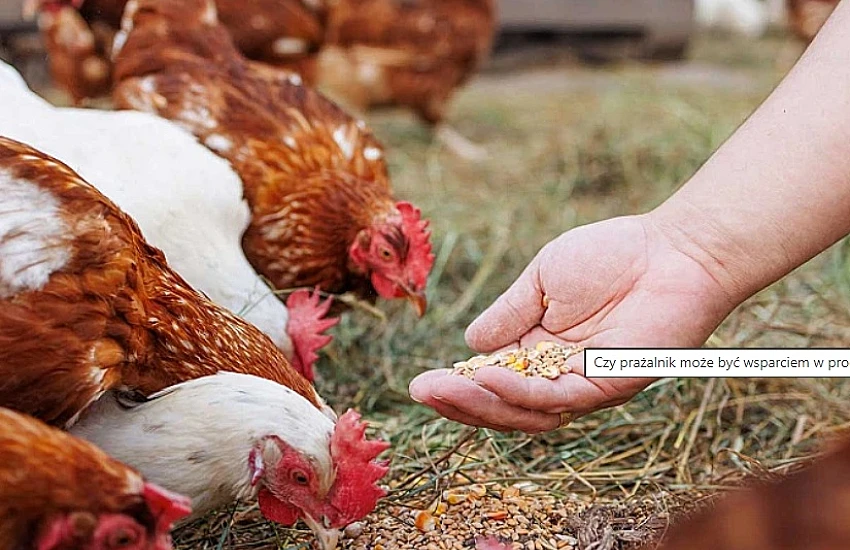
Carbohydrates present in grains also undergo important transformations during roasting. Starch, the main component of most cereals, partially gelatinizes and breaks down into simpler sugars. This process increases its availability to the animal’s digestive enzymes, resulting in better utilization of the energy contained in the feed. This effect is particularly noticeable in poultry, whose digestive systems have limited ability to break down raw starch. A hen fed with roasted barley or wheat utilizes energy from these grains more efficiently than when fed raw cereals, which translates into improved laying performance, weight gain, and overall condition of the birds.
Fats contained in oilseeds also undergo certain modifications during roasting, although care must be taken to avoid oxidation. Controlled temperature and relatively short processing time allow the preservation of fatty acid value while improving their availability. Roasted flaxseed, rapeseed, or sunflower seeds provide an excellent source of energy and essential unsaturated fatty acids for livestock. Dairy cows receiving roasted flaxseed supplements often show improved milk fat content, which directly impacts production profitability.
An additional, often underestimated aspect of roasting is the sanitization of the material. High temperatures eliminate fungal spores, bacteria, and potential parasite eggs present on the surface of the grains. For farms storing feed materials under less controlled conditions than large industrial feed plants, this aspect of thermal processing is crucial for safety. Even if the grains carried some microbiological load before processing, after exposure to temperatures of 150–180°C they become practically sterile.
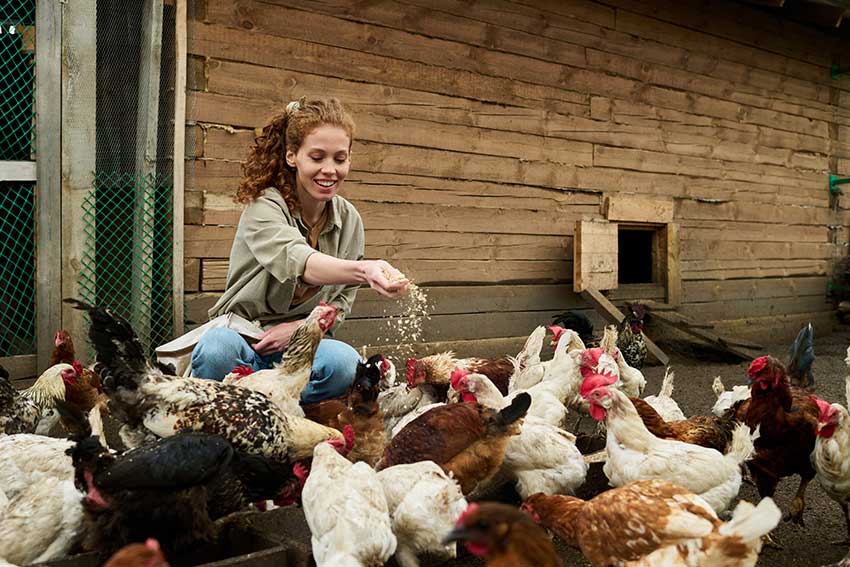
From Theory to Practice – Which Grains to Roast for Feed
The difference between roasting grains for culinary purposes and preparing them for feed production often comes down to the intensity of processing. In feed production, the goal is not always to achieve a pronounced aroma or deep color typical of food products. Instead, the focus is on optimizing nutritional value while maintaining proper digestibility. This often involves using lower temperatures and longer roasting times, which allows the entire grain mass to heat evenly without risking burning the outer layers.
Cereal feed components such as barley, oats, wheat, and corn benefit from roasting primarily through improved starch digestibility. Roasted barley has been used for centuries as an additive in diets for racehorses and workhorses—experience has shown that animals utilize the energy from roasted grains more efficiently. Modern research confirms these observations, showing higher apparent starch digestibility in roasted cereal grains. For small farms, where every percentage of improved feed utilization translates into real economic savings, this difference has tangible value. Interestingly, roasted barley also has disinfectant properties and is effective in preventing and treating diarrhea in piglets, demonstrating that traditional knowledge of breeders aligns with veterinary practice.
Legumes, in addition to soy, also require thermal treatment for optimal feed use. Peas, a traditional component of Polish farms, can become an excellent source of protein for pigs and poultry after proper roasting. This process eliminates the effects of trypsin inhibitors and other naturally occurring antinutritional compounds in legumes. Faba beans and lupins, increasingly grown in crop rotations as a source of soil nitrogen, become a full-value feed component after roasting. A farm cultivating half a hectare of peas can produce 1.5–2 tons of grain, which after roasting provides a high-protein feed ingredient for the entire season.
Oilseeds intended for feed also benefit from roasting. Sunflower, flax, and rapeseed—all these raw materials release nutrients more efficiently after thermal processing. Roasting also destroys fungal spores and bacteria that may contaminate raw grains, enhancing the microbiological safety of the feed. This aspect is particularly important for small farms, where feed storage conditions are less controlled than in large industrial feed plants. Additionally, roasted oilseeds have a more intense aroma, which improves palatability and increases feed intake by animals.
HDF-50 Electric Roaster – The Heart of Feed Production
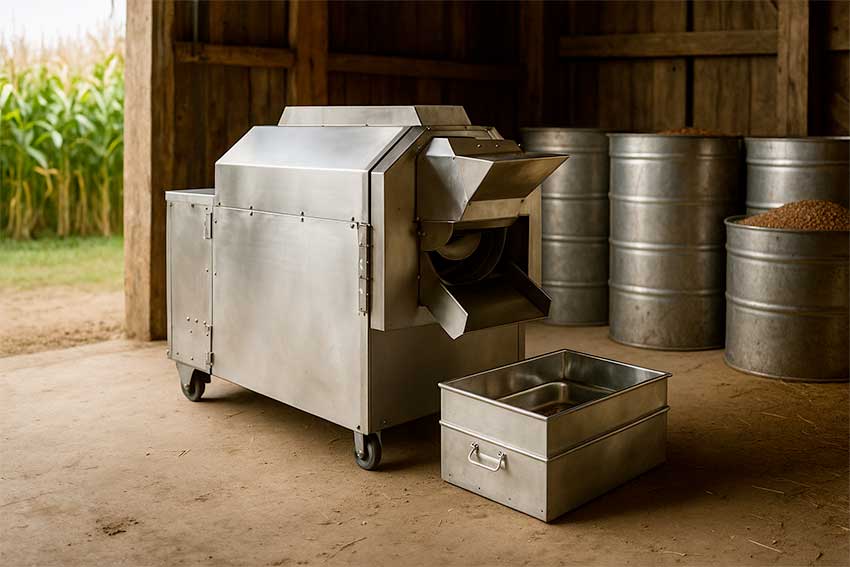
Traditionally, grains were roasted on farms using simple wood- or coal-fired devices, which made temperature control difficult and often resulted in uneven heating. Modern electric roasters solve these issues by providing precise process control and consistent results. The HDF-50 electric roaster, with a capacity of 20–24 kg per hour, is an optimal solution for medium-sized farms, where feed is produced for personal use or local direct sales.
The nominal capacity of 20–24 kilograms of roasted grains per hour allows 160–190 kilograms of raw material to be processed during a standard workday. For a farm maintaining 50–100 laying hens, where roasted grains can make up 30–40% of the daily feed ration, this capacity enables weekly preparation of a stock sufficient for the coming days. A single batch for the roaster drum is 10–12 kilograms, and with a roasting time typically ranging from 25 to 40 minutes depending on the type of grain and desired effect, this setup allows efficient workflow without constant supervision.
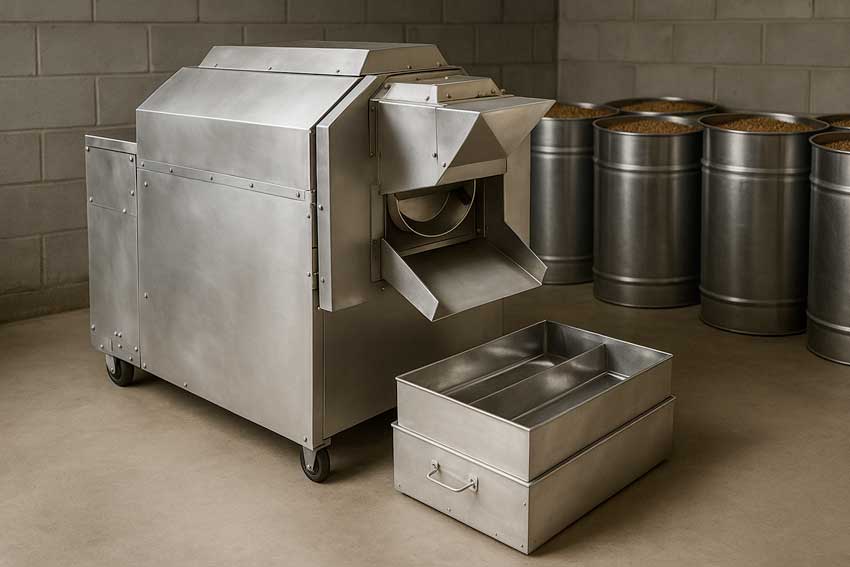
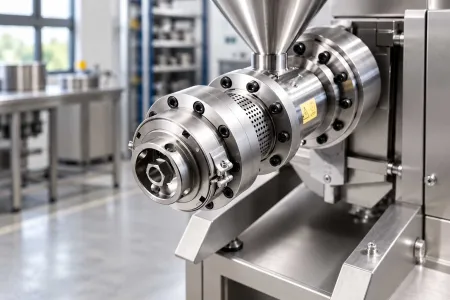
The HDF-50 roaster is built around a rotating cylinder made of stainless steel that meets sanitary standards. Two types of steel are used—304 and 201—both known for corrosion resistance, ease of cleaning, and long service life even under intensive use. Stainless steel 304, commonly used in the food industry, ensures safe contact with feed and food products. Smooth surfaces without hard-to-reach corners make daily cleaning straightforward—a crucial aspect for maintaining hygiene standards in feed production. After each roasting session, simply wiping the interior of the cylinder and chute prepares the device for the next batch.
Heating System
The roaster’s heating system consists of electric heating elements arranged around the rotating cylinder, ensuring even heating of the entire grain mass. The maximum operating temperature is 300°C, although in feed production, the full range is rarely needed. Most grain roasting for feed takes place at 120–180°C, optimizing nutritional value without risking burning or excessive loss of heat-sensitive nutrients.
Roasting is typically carried out in three temperature modes:
- Mild roasting up to 140°C,
- Intensive roasting at 150–200°C,
- Very intensive roasting up to 300°C.
The ability to set precise temperatures is a key advantage of a modern roaster—different grains require slightly different parameters, and exact reproducibility guarantees consistent quality. Temperature is controlled using a precise thermostat with a display.
Electric power adds convenience and safety. Without open flames or smoke, there is no fire risk or contamination of grains from combustion products. This is especially important in farm buildings storing flammable materials. The device’s power consumption is 6.5 kW with a 400 V three-phase supply, a standard setup in most farms. One hour of operation consumes roughly 6–7 kWh, which at current commercial electricity rates costs about 3–4 PLN—a minimal expense compared to the value of the roasted grains produced.
The HDF-50 is designed for daily, repeated use. The hopper facilitates grain loading without spillage or dusting. A lockable chute allows controlled discharge of roasted grains directly into the included cooling container. Rapid cooling immediately after roasting stops the thermal process and prevents excessive drying. Standard accessories such as a tray and scoop, though small, prove extremely useful in handling both raw and roasted grains.
The roaster measures 125–142 cm in length, 58 cm in width, and 107 cm in height—compact enough for standard farm buildings without major adaptations. Weighing 105 kg, it remains stable during operation; the mass effectively dampens vibrations from the rotating, grain-filled cylinder. The unit is heavy enough for stability, yet not so heavy as to require a reinforced floor or foundation—any flat, stable concrete surface of adequate strength is sufficient.
Practical Farm Scenarios
In daily farm use, the roaster adapts to different scenarios based on production needs. A typical session begins with batch preparation: preliminary sifting, removing impurities, and measuring the appropriate portion. For most grains, the optimal batch is around 10 kg, leaving enough space in the cylinder for even mixing and heating.
Example: Roasting Peas for Poultry
- Temperature: 150–160°C
- Roasting time: ~35 minutes, with continuous rotation for even heat exposure
- Cooling: 15–20 minutes in the cooling container to reach a safe handling temperature
In four hours, several batches can be roasted, yielding 40–50 kg of finished product—sufficient for 60–80 laying hens for a week if roasted peas make up roughly 20% of the daily feed ration.
Oilseeds for Pigs or Dairy Cattle
Flax or rapeseed roasted at 130–140°C for 25–30 minutes retain valuable fatty acids while improving digestibility. Shorter roasting times and lower temperatures protect sensitive fats from oxidation. The precise adjustment of parameters is a major advantage of modern electric roasters compared to traditional pan or oven roasting.
Poultry Feed
Roasted cereal grains are excellent energy sources for laying hens. Thermally treated wheat and corn are more digestible, which is particularly important during high-energy demand periods, such as laying or winter months. Adding roasted sunflower or flax seeds enriches the diet with essential fatty acids, improving egg shell quality and overall bird condition. Roasted peas can constitute 15–20% of the feed mix, supplying high-quality plant protein without purchasing expensive imported meals.
Swine Feed
Roasted grains increase digestibility for pigs, especially weaned piglets adjusting to solid feed. Roasted soy or peas can be included in grower mixes, improving growth rates while maintaining meat quality. Moderate amounts of oilseeds enhance palatability and provide essential nutrients.
Ruminants
Although ruminants digest differently than pigs or poultry, they benefit from roasted grains as a supplement to roughage-based diets. Dairy cows receiving small amounts of roasted flax or rapeseed often show improved milk yield and composition, particularly fat and protein content. Sheep and goats during periods of high nutritional demand, such as late pregnancy or lactation, also benefit from the energy provided by roasted cereals and oilseeds.
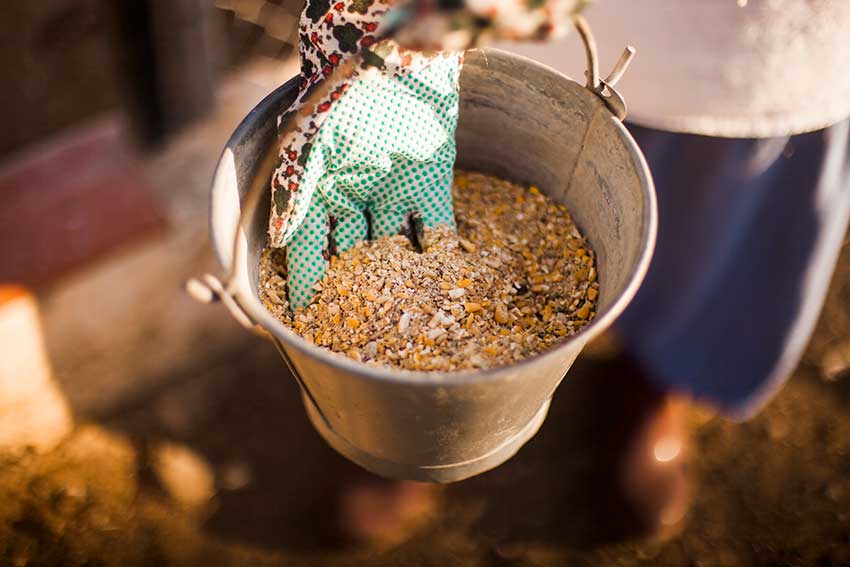
Economics of On-Farm Feed Production
Using a grain roaster like the HDF-50 can significantly impact the economics of animal nutrition in a small farm setting. Purchasing ready-made feed mixes—especially high-quality ones with controlled ingredient composition—can represent a major portion of a farm’s budget when maintaining dozens or hundreds of animals.
By preparing feed components from home-grown or locally sourced grains, the cost structure changes dramatically. One hectare of peas or lupins can provide several tons of plant protein at a production cost far lower than purchasing commercial protein feeds. Roasting these grains increases their feed value to levels comparable with industrial products while maintaining full control over quality. Similarly, home-grown cereals like wheat, barley, or oats, when properly processed, can replace expensive commercial mixes.
Investing in an electric roaster such as the HDF-50, priced in the range of several thousand PLN, typically pays off within 2–3 years of regular use. A farm producing a ton of roasted grains annually can save several thousand PLN on feed purchases, with energy costs and raw material purchases considered, resulting in net savings of 3–5 thousand PLN. Beyond direct financial benefits, improved animal health and higher quality animal products—eggs, meat, milk—can also translate into better prices in direct sales, further enhancing the return on investment.
Seasonality and Storage of Roasted Grains
Farm workflows are seasonal, which affects feed production. Cereal and legume harvests occur at specific times, and proper storage of freshly collected grains requires suitable conditions. Roasting can be part of a strategy to secure feed reserves over longer periods, especially in farms without professional dryers or controlled-atmosphere storage.
Roasted grains have lower moisture than freshly harvested material, extending shelf life. The removal of water not only improves digestibility but also reduces the risk of mold and fungal growth during storage. For farms harvesting seasonally and planning feed use throughout the year, roasting batches of raw grain immediately after harvest protects against storage losses. Properly packaged and stored roasted grains retain their quality for many months—typically 3–6 months without noticeable degradation.
Feed production planning using a roaster allows flexible adaptation to the herd’s needs. In winter, when animals require higher energy diets, a larger share of roasted grains in the mix is justified. In summer, when animals have pasture or fresh green forage, the proportions can be adjusted. Being able to control the composition and roasting level of each component gives the farmer a tool to fine-tune nutrition according to changing conditions.
Some farms organize feed production cyclically—for example, preparing larger batches of roasted grains once a week and then mixing them with other ingredients for daily use. Such a system requires organization but allows efficient use of equipment and labor. A roaster with 20–24 kg/h capacity, running for five hours, produces over 100 kg of roasted grains—enough for a medium-sized farm for a week or more, depending on the number of animals.
Raw Material Quality and Feed Safety
The final feed value of roasted grains depends not only on the roasting process but primarily on the quality of the raw material. Well-dried grains, free from mold, mechanical damage, or impurities, retain maximum nutritional potential after roasting. Producing feed on-farm provides full control over grain origin and quality, eliminating concerns about purchased ingredients.
Buying grains from trusted local producers can create a supply chain based on verified quality. In many regions, informal networks exist for exchanging or selling grains between neighboring farms—one grows peas, another oats, a third flax or rapeseed. This collaboration, combined with the ability to roast purchased grains, allows the creation of diversified feed mixes without intermediaries.
Visual inspection before roasting is a simple yet effective quality control method. Properly colored, odor-free, well-filled grains are basic criteria for selecting suitable feed material. The roasting process itself reveals potential flaws—grains damaged by pests or soil contamination behave differently under high temperatures than high-quality seeds, providing farmers with an additional verification step before inclusion in animal diets.
Producing feed in-house carries responsibility for animal nutrition safety. Roasting as a thermal processing method has an important sanitary function—high temperatures eliminate pathogens, mold spores, and bacteria that could threaten herd health. Clean tools and facilities are the foundation of safe feed production. The stainless steel construction of the roaster, with smooth surfaces and minimal hard-to-reach areas, simplifies cleaning and ensures high hygiene standards.
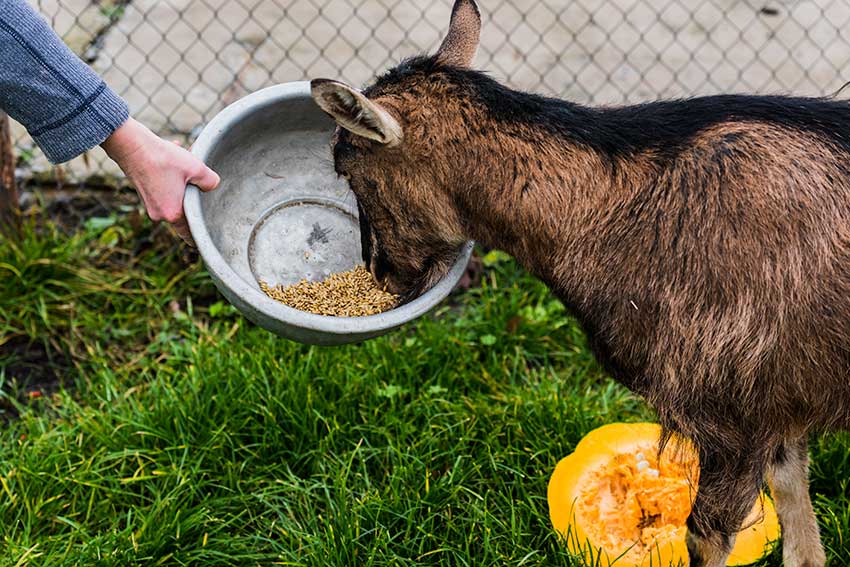
Ecological Aspects and Sustainable Production
Producing feed on the farm aligns with the broader trend of seeking more sustainable agricultural practices. Shortening supply chains, using local raw materials, and eliminating unnecessary transport and multi-layered processing all contribute to reducing the farm’s environmental footprint. A grain roaster, as part of this approach, allows nutrients to circulate locally, minimizing waste and maximizing efficiency.
Farms growing legumes as a protein source for their own animals achieve feed self-sufficiency without importing high-protein components from distant regions. Domestic soybeans or peas, roasted and used in feed mixes, can replace imported soybean meal from South America—raw material often associated with deforestation and intensive agrochemical use. This is a clear example of how local production decisions can have a global impact.
Using by-products from the farm’s own crop production adds another ecological dimension. Grains that do not meet commercial standards—too small, uneven, or slightly damaged—can be roasted to create fully valuable feed components instead of being treated as waste. Cleaning residues containing broken seeds and fine fractions can also be transformed into nutritious feed through roasting.
Natural manure from animals fed on on-farm feed completes the nutrient cycle. Nitrogen, phosphorus, potassium, and trace elements in plant-based feed return to the fields as manure or slurry, maintaining soil fertility. Such an integrated system, combining crop and livestock production, has been the foundation of traditional agriculture and remains a model of efficiency for modern ecological and regenerative farms.
Development Perspective and Building Competence
Preparing feed independently requires gradually building knowledge and experience. A beginner farmer or one transitioning from purchased feed to self-produced feed needs time to develop optimal procedures. Observing animal responses to dietary changes, analyzing production results—growth, milk yield, egg production—and monitoring herd health all provide feedback to refine the process.
Maintaining simple records of feed composition, ratios of roasted to raw grains, roasting temperatures, and times for different raw materials helps build an internal knowledge base. Over time, the farm develops tested recipes tailored to its conditions, available crops, and species. This knowledge holds not only practical value but also market potential—a skilled producer can become a local expert others turn to for advice.
Introducing grain roasting opens opportunities for increased feed independence and business diversification. A farm producing its own feed components may eventually consider selling roasted grains to other local farmers. Local markets often seek such products, and small-scale semi-industrial production can provide an additional income stream.
Expertise in animal nutrition and grain processing can also form the foundation for branding the farm’s own animal products. Meat, eggs, or milk from animals fed high-quality, on-farm-prepared feed from local, often organic, sources is a product with a clearly defined identity. In premium food markets, where consumers are willing to pay more for documented provenance and production methods, such offerings find their audience.
Practical Advice for Beginners
Farms planning to introduce grain roasting should start with small test batches. Initial trials with limited quantities allow for finding optimal parameters without wasting large amounts of raw material. Each type of grain may require slightly different temperature and time settings, and achieving the ideal balance requires observation and adjustment.
The roasting area should be dry, well-ventilated, and protected from rodents and birds. Access to a 400 V three-phase electrical supply is essential for operating the roaster. Adequate ventilation is also important, as roasting produces some steam and aromas that should be safely directed outside.
Storing roasted grains requires airtight containers or bags in a dry location. Storage temperature should not exceed 25 °C. Regular checks help detect moisture problems or pest development early. While roasted grains can be stored for months, their flavor and aroma are at their peak in the first few weeks after roasting.
Summary
Grain roasters, traditionally associated with culinary applications or preparing raw material for oil pressing, prove to have much broader utility. In the context of feed production for farm animals, their role is significant. Controlled thermal processing improves digestibility and nutritional value, directly benefiting animal health, condition, and farm productivity.
For small and medium-sized farms aiming to increase feed self-sufficiency, reduce animal feeding costs, and improve the quality of their products, investing in an electric roaster can open new opportunities. Controlling the entire process—from growing or sourcing grains, through roasting, to composing final feed mixes—provides a level of certainty and quality unattainable with purchased industrial feeds.
Developing feed preparation skills, building local cooperation networks between grain producers, and integrating crop and livestock production in a closed nutrient cycle contribute to a vision of a sustainable, economically efficient, and environmentally friendly farm. The roaster is a technical tool that makes this vision a practical reality.
FAQ – Frequently Asked Questions
Which grains are best suited for roasting as animal feed?
The best results are obtained by roasting legumes such as peas, soybeans, faba beans, or lupins, whose feed value significantly increases after thermal processing due to the elimination of trypsin inhibitors and other anti-nutritional factors. Cereal grains like barley, oats, wheat, and corn also benefit from roasting by improving starch digestibility, which is especially important for poultry. Oilseeds—sunflower, flax, and rapeseed—become a more valuable source of energy and fatty acids after controlled thermal treatment. Each type of grain requires specific adjustments of roasting temperature and time, with legumes generally needing higher temperatures and longer roasting than oilseeds.
Can roasted grains completely replace industrial feed?
Roasted grains are an excellent component of a balanced diet, but a complete feed mix should also include other ingredients to meet the full nutritional needs of the animals. Depending on the species and production stage, roasted grains can make up from several to several dozen percent of the total diet. Supplementation with sources of vitamins, trace elements, and minerals, which are naturally insufficient in grains, is necessary. For many farms, the optimal solution is to mix roasted home-produced grains with purchased vitamin-mineral concentrates, allowing control over the main source of energy and protein while ensuring nutritional completeness.
How long can roasted grains intended for feed be stored?
Roasted grains, due to reduced moisture content and the elimination of microorganisms during thermal processing, can be stored much longer than raw grains. In dry, well-ventilated conditions and in airtight containers protected from rodents and insects, they retain their value for three to six months. Storage temperature is crucial—cool, shaded areas provide the best conditions. However, freshness matters not only for nutritional value but also for feed palatability, which affects animal intake. It is recommended to prepare batches intended for consumption over a few weeks.
Does the roasting process destroy the nutritional value of grains?
Controlled roasting at the appropriate temperature—between 100 °C and 180 °C—improves the availability of most nutrients by denaturing proteins and partially breaking down starch while retaining their value. Some heat-sensitive vitamins, such as vitamin C or certain B vitamins, may undergo partial degradation, but these losses are offset by improved digestibility and elimination of anti-nutritional factors naturally present in raw grains. Overall, animals utilize nutrients from roasted grains more efficiently than from raw grains, leading to better production results and overall condition. Using the correct roasting parameters for each grain type is essential.
What roaster capacity is optimal for a small farm?
A capacity of 20–24 kg of roasted grains per hour is suitable for farms keeping from several dozen to several hundred animals, depending on species. This capacity allows a few hours of roasting to produce a week’s or two weeks’ worth of feed components without needing to operate the equipment daily. For a farm with 50–100 laying hens, where roasted grains make up 30–40% of the diet, a weekly four-hour roasting session provides the necessary quantity. Smaller farms may produce a surplus, allowing for potential sale to neighboring farms. Larger farms may require higher-capacity equipment or longer operation times.
Is an electric roaster energy-intensive?
Electric roasters with a power rating of 6.5 kW are moderately powered, comparable to typical farm appliances. Actual energy consumption depends on usage frequency—a farm roasting grains once a week for four to five hours will use approximately 100–130 kWh per month, costing roughly 50–60 PLN at current commercial electricity rates. Considering the savings from preparing high-quality feed instead of buying industrial mixes, energy costs are a small fraction of total economic benefits. Electric power also means no exhaust emissions and greater safety compared to solid-fuel devices.
Does grain roasting require special skills or experience?
Basic operation of an electric roaster is simple and intuitive: add the grain, set the appropriate temperature and roasting time. Learning optimal parameters for different grains requires some experience, but the process is gradual and natural. Initial trials should be done with small batches, observing the results and adjusting settings. Tracking effective combinations of temperature and time allows a farmer to develop a set of proven procedures within weeks or months. Manufacturer instructions and sharing experiences with other farmers using similar feed preparation methods are also helpful.