
Table of Contents
Nowadays, the automation of production processes plays a key role in ensuring efficiency and competitiveness. One of the most important elements in this field is automatic labeling machines. These devices are indispensable in the manufacturing industry, particularly in sectors such as food, cosmetics, pharmaceuticals, and oils. In this article, we will take a closer look at what automatic labeling machines are, the benefits they bring to companies, and what to consider when choosing one.
What Are Automatic Labeling Machines?
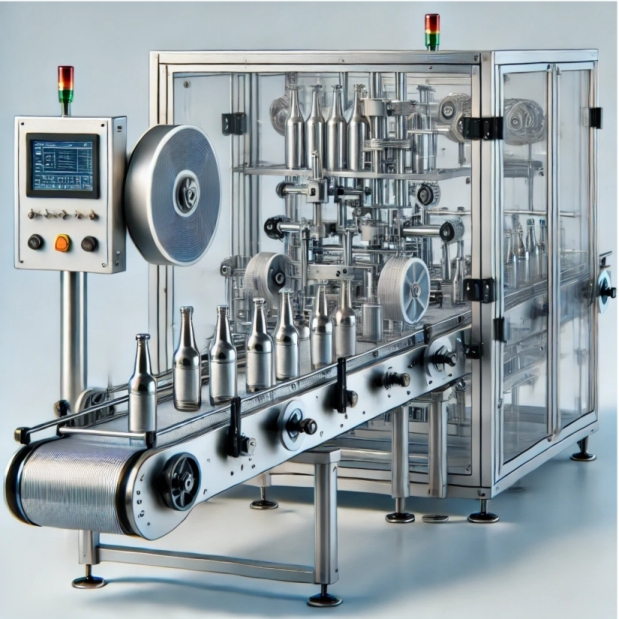
Automatic labeling machines are technologically advanced devices designed for the precise application of labels on products or packaging.
They can operate fully automatically, meaning that the labeling process occurs without the need for manual operator intervention, significantly speeding up the entire production cycle.
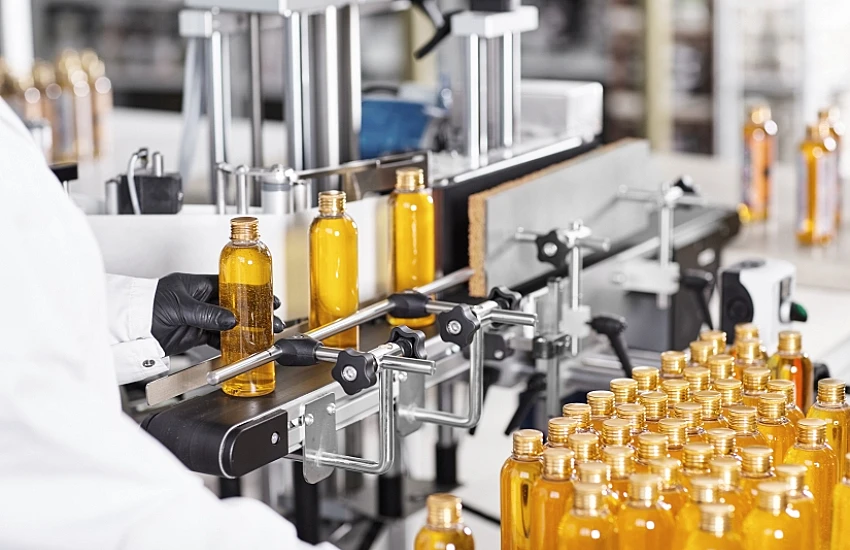
Depending on the machine’s specifications, labeling machines can apply labels to various surfaces—from flat to curved, on the front, back, or side of a product, and even around the entire packaging.
Advantages of Automatic Labeling Machines
Efficiency and Time Savings
Automatic labeling machines can operate at high speeds, applying hundreds of labels per minute. This significantly increases production efficiency and reduces the time needed to prepare products for sale. For companies producing at a large scale, every minute saved in labeling can translate into substantial financial savings.
Precision and Consistency
Automation eliminates the risk of human error. Automatic labeling machines ensure uniform and precise label application, which is especially important in industries where product aesthetics are crucial. Misaligned or folded labels can reduce the visual value of a product and negatively affect brand perception.
Material Savings
Modern labeling machines, such as those offered by companies like Prima Tech, are energy-efficient and optimized to minimize material waste. Precise glue dosing and proper label alignment allow for effective resource use, benefiting both financial and environmental aspects.
Increased Flexibility
Automatic labeling machines are adaptable to various applications. They can be programmed to handle different types of labels and product formats, making them suitable for both large industrial plants and smaller businesses. For example, Prima Tech devices can be customized to meet the specific needs of each client.
Ease of Integration with Production Lines
Automatic labeling machines can be easily integrated with other machinery on the production line, such as dosing, packaging, or pressing machines. This makes the entire production process more streamlined and easier to control.
Key Features of Automatic Labeling Machines
Modern automatic labeling machines offer a range of features that optimize production processes. Key features to consider when selecting a device include:
High operating speed – machines can handle hundreds or even thousands of products per hour.
Compatibility with various label formats – including paper, self-adhesive, and foil labels.
Precise label placement settings – adjustable position, angle, and application speed.
Energy efficiency – modern technology reduces electricity consumption, lowering production costs and environmental impact.
Ease of maintenance – quick access to key components and an intuitive user interface make maintenance simple and efficient.
Automatic Labeling Machines and Product Quality
Label quality is critical to product image. Poorly applied labels, especially in industries such as cosmetics or food, can negatively affect customer perception. Automatic labeling machines ensure consistent label quality on every product, maintaining a uniform appearance across the entire batch.
For luxury products, precision and aesthetics are even more important. Customers expect each bottle, jar, or package to look perfect. Increasingly, companies invest in advanced labeling technology to meet these expectations.
Automatic labeling machines are an integral part of modern production lines, offering significant benefits in efficiency, precision, and cost savings. They enable fast and error-free labeling, significantly enhancing a company’s competitiveness. Investing in devices like those offered by Prima Tech can provide long-term financial and quality advantages. When selecting the right labeling machine, consider technical parameters, adaptability, and additional features tailored to your production needs.
(FAQ) Frequently Asked Questions
1. What Are Automatic Labeling Machines and How Do They Work?
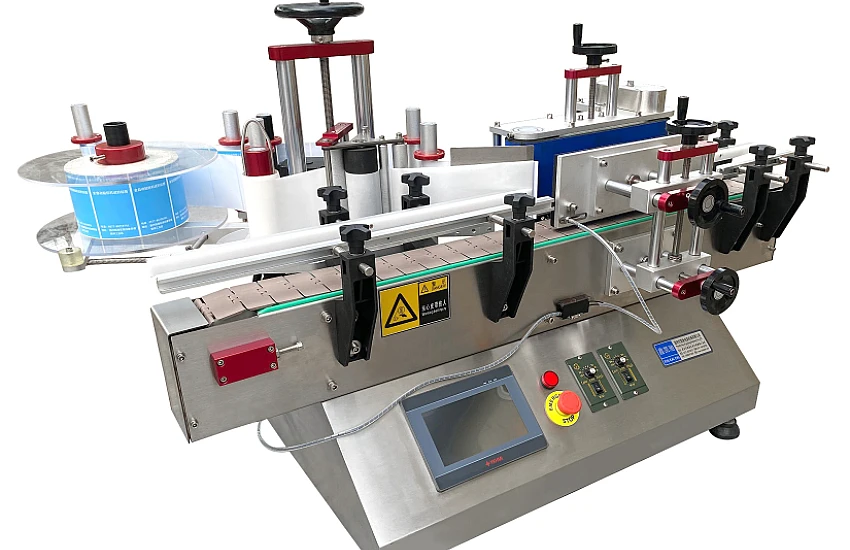
Automatic labeling machines are designed to apply labels to products or their packaging in a fully automated manner. The entire process occurs without manual intervention, significantly speeding up and optimizing production line operations. These machines typically operate using several main mechanisms:
- Label feeder – precisely peels labels from the backing and prepares them for application.
- Product transport system – moves products along the production line via conveyor belts or other mechanisms, allowing precise labeling.
- Label applicator – uses various technologies (e.g., roller systems, vacuum, or adhesive) to accurately apply labels to the product surface.
Modern labeling machines can handle different label types – self-adhesive, thermal, foil, or paper – and can be used on products of various shapes and sizes, including bottles, jars, cartons, and cans.
2. What Are the Main Advantages of Using Automatic Labeling Machines?
Automatic labeling machines offer numerous benefits that significantly enhance production efficiency:
- Increased productivity – can label hundreds or thousands of products per hour, a key advantage over manual labeling.
- Precision – ensures even, accurate, and aesthetically pleasing label application, eliminating human errors such as crooked or misaligned labels.
- Time and cost savings – reduces labor costs and minimizes material waste (glue, paper).
- Scalability – allows easy production scaling. As demand increases, faster labeling is possible without adding staff.
- Consistency and quality – every product looks identical, ensuring brand consistency and high visual quality.
3. What Types of Automatic Labeling Machines Are Available and How to Choose One?
Several types of automatic labeling machines are available, differing in application, functionality, and performance. Common types include:
- Self-adhesive labeling machines – apply labels with adhesive and are versatile for many industries.
- Thermal labeling machines – use thermal technology, popular in food and pharmaceutical industries.
- Round label applicators – designed for labeling cylindrical products, either partially or fully around the product.
- Multi-position labeling machines – allow label application at multiple positions on a product, such as front, back, top, or sides.
When selecting the right automatic labeling machine, consider key factors such as production scale, product and label types, technical specifications, and adaptability to your production line.
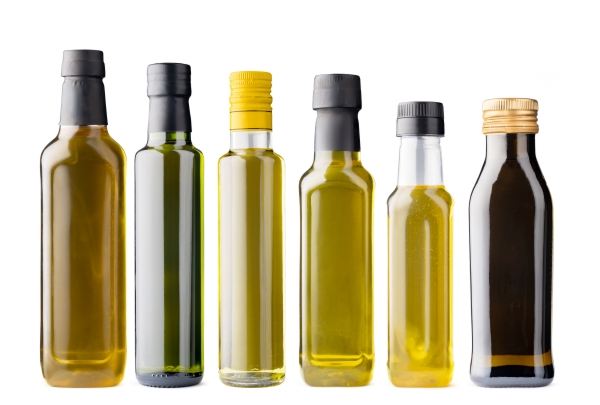
- Product type – Are they bottles, jars, or boxes? The shape and size of the products determine the choice of labeling machine.
- Label type – Do you use self-adhesive, thermal, or foil labels? Different labeling machines handle different materials.
- Production speed – What is the required number of labeled products per hour?
- Additional features – Do you need options for automated label format changes, adjustable settings, or integration with an existing production line?
4. Which industries most commonly use automatic labeling machines?
Automatic labeling machines are used across many industries, but they are most often applied where a large number of products need to be labeled quickly and accurately:
- Food industry – Food products such as beverages, preserves, spices, and other goods often require fast labeling. Labeling machines are used for bottles, jars, cans, and cartons.
- Cosmetics industry – Cosmetics like perfumes, creams, and skincare products require precise, aesthetically placed labels to enhance shelf appeal.
- Pharmaceutical industry – Medications must be clearly and accurately labeled, which is crucial for safety. Precision and compliance with regulations are key priorities.
- Chemical industry – Automatic labeling machines are widely used to label chemical products, where readability and safety requirements are essential.
- Oil industry – Cold-pressed oils and other premium oil products also require precise labeling, particularly for companies targeting the premium market.
5. What are the purchase and operating costs of automatic labeling machines?
The cost of purchasing an automatic labeling machine depends on several factors, such as the type of device, its performance, available features, and technological sophistication. Basic machines may cost a few thousand PLN, while advanced, multifunctional models can reach tens of thousands of PLN.
Operating costs mainly depend on:
- Material consumption – The amount of adhesive, consumables (labels, tapes), and electricity used.
- Servicing and maintenance – Like any mechanical device, labeling machines require regular maintenance. Proper upkeep ensures long-term performance.
- Upgrades and updates – Occasionally, software updates or part upgrades are needed, which also incur costs.
Although the initial investment may seem significant, savings from production optimization, increased efficiency, and reduced errors make it worthwhile in the long term.
6. What are the most important features a modern automatic labeling machine should have?
Modern automatic labeling machines offer advanced features that help optimize production. Key features include:
- Variable speed – Adjustable labeling speed is crucial for handling different products with varying requirements.
- Ease of integration – Machines should easily integrate with existing production lines, such as filling, packaging, or coding equipment.
- Automatic calibration – Machines with automatic calibration systems allow quick adjustment for different product sizes and shapes.
- Precise positioning system – Ensures accurate label placement on each product.
- Monitoring and diagnostics – Advanced machines provide real-time information on machine status, label usage, and potential errors.
These features make the labeling process more flexible, efficient, and reliable.
7. Are automatic labeling machines suitable for small and medium-sized enterprises (SMEs)?
Yes, automatic labeling machines are suitable for SMEs. While often associated with large factories, there are models specifically designed for smaller-scale operations.
Key advantages for SMEs include:
- Compact size – Small models fit easily in limited spaces.
- Affordable price – Economical versions provide essential labeling functions without exceeding budget constraints.
- Ease of use – Intuitive interfaces allow quick employee training and operation.
- Scalability – Even small businesses can scale production and adapt to growing demand.
Automatic labeling machines allow smaller companies to increase efficiency and enhance product presentation, gaining a competitive edge.
8. What are common issues with automatic labeling machines and how can they be prevented?
Common problems include:
- Incorrect label application – Labels may be crooked, misaligned, or not fully adhered. Regular maintenance and calibration prevent this.
- Label jams – Can occur with low-quality labels or dirty feeders. Cleaning and using high-quality consumables reduce this risk.
- Adhesive issues – In machines using glue, improper application can cause poorly attached labels. Regular checks and proper adhesive use prevent problems.
- Component wear – Parts can wear over time. Regular inspection and replacement according to manufacturer guidelines are essential.
Following manufacturer maintenance instructions, keeping the machine clean, and using high-quality materials minimize operational issues.
9. Can automatic labeling machines be adapted for products of different shapes and sizes?
Yes, modern machines are designed for versatility and can handle products of various shapes and sizes. Key features enabling this flexibility include:
- Adjustable label height and width – Allows quick switching between products with different label sizes.
- Variable label positioning – Machines can apply labels in different locations on the packaging, suitable for bottles, cans, and boxes.
- Multi-position modules – Some models can apply multiple labels simultaneously (e.g., front, back, and top).
These features make automatic labeling machines highly versatile for industries with diverse product shapes and sizes.
10. What types of labels can be used with automatic labeling machines?
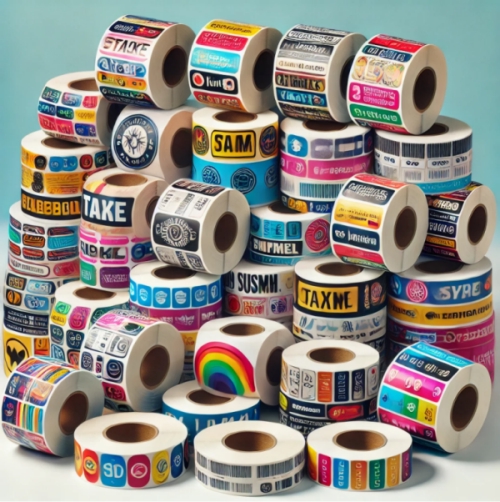
Automatic labeling machines can handle a wide range of labels, depending on the device specifications and the needs of the business. Some of the most commonly used types include:
- Self-adhesive labels – The most popular type of label, featuring an adhesive layer for quick and easy application to packaging. Widely used in industries such as food, cosmetics, and pharmaceuticals.
- Foil labels – Primarily used where higher resistance to moisture or damage is required. Foil labels are common in the chemical or cosmetic industries.
- Thermal labels – Use thermal printing technology, making them ideal for short-term products like fresh food. These labels do not require additional ink or adhesive.
- Multi-layer labels – Used when a large amount of information needs to be placed on a small surface, e.g., pharmaceutical products. They consist of several layers that can be unfolded.
- Eco-friendly labels – Increasingly, companies choose labels made from biodegradable materials, compatible with appropriate automatic labeling machines.
Depending on the industry and product specifications, companies can select labels that best meet their needs. It is important to check the compatibility of the labeling machine with the chosen type of label before purchasing the equipment.
Automatic labeling machines are modern tools that revolutionize production processes across various industries, such as food, cosmetics, pharmaceuticals, and the oil sector.
Thanks to advanced technology, these machines automate the process of applying labels to products, significantly speeding up production and eliminating human errors.
Their versatility allows labeling of packages of different shapes and sizes, making them a key component of any modern production line.
Modern automatic labeling machines are equipped with monitoring systems, precise positioning mechanisms, and the ability to integrate with other devices within an automated production line.
Technologies such as automatic calibration, adjustable operating speed, and energy-efficient solutions not only increase productivity but also reduce production costs by minimizing waste and optimizing the use of consumable materials.
Investing in automatic labeling machines benefits both small and large enterprises, enabling scalable production, improved product quality, and adaptation to the dynamically changing market demands.
Automating this crucial process allows companies to grow rapidly, maintain competitiveness, and achieve operational excellence, which in the long term translates into higher profitability and a stronger brand image.