
Table of Contents
- The New Era of Exotic Plant Oils
- Avocado Seed Oil: A Golden Treasure of Health
- Prickly Pear Seed Oil: The Desert Diamond of Health
- Pomegranate Seed Oil: The Antioxidant Elixir of Youth
- Guava Seed Oil: A Tropical Vitamin Treasure
- Papaya Seed Oil: Enzymatic Concentrate of Health
- The Pressing Process: Step-by-Step to Perfect Oil
- Health Benefits: Where Tradition Meets Science
- Industrial and Commercial Applications
- The Future of Exotic Oils
- Scientific Research and Technological Development
- Market and Commercial Outlook
- Challenges and Opportunities
- Practical Guide: From Seed to Final Product
- Marketing Strategies and Positioning
- Conclusion: Five Exotic Seeds as the Foundation of a Healthy Lifestyle
- Frequently Asked Questions
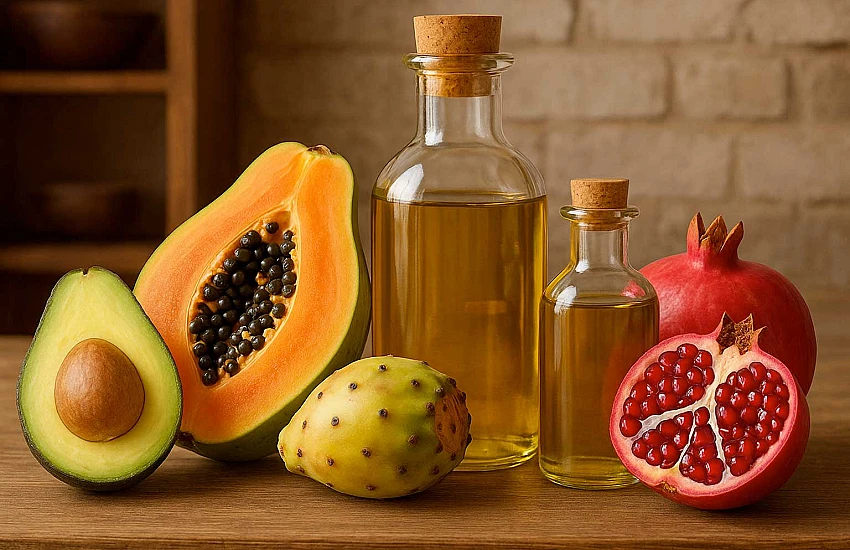
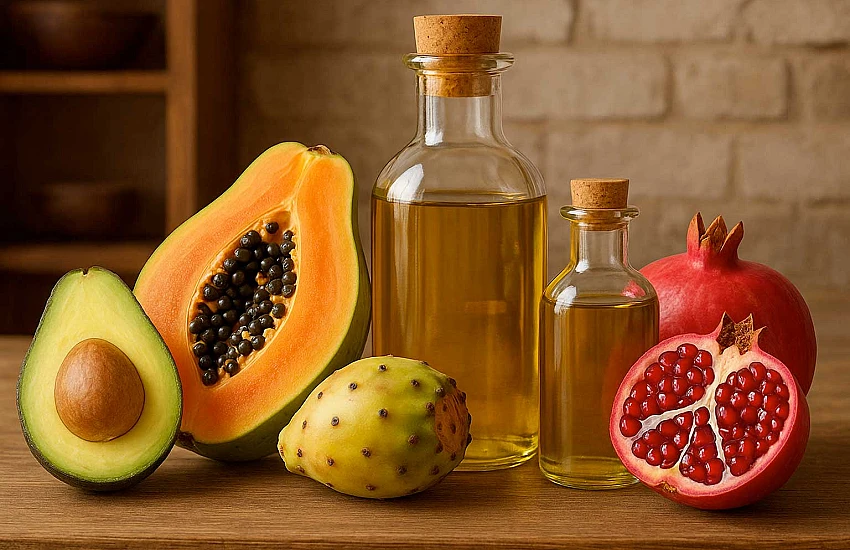
Seeds of exotic fruits are a hidden source of some of the most valuable plant oils in the world. Prickly pear seed oil contains record levels of vitamin E — even higher than argan oil. Punicic acid from pomegranate has been shown in laboratory studies to inhibit the growth of cancer cells by up to 78%. The enzyme papain from papaya seeds eliminates intestinal parasites with an effectiveness of 89%. This comprehensive guide presents methods for home extraction of premium oils using the Professional Cold & Hot Oil Press INOX BOX 25 kg/h. Utilizing fruit seeds is a step toward a sustainable lifestyle and natural health care.
The New Era of Exotic Plant Oils
A true revolution has emerged in the world of healthy foods and natural cosmetics. While most of us throw away the seeds of our favorite exotic fruits, more and more people are discovering their incredible potential as a source of valuable oils. Cold-pressing oil from the seeds of avocado, prickly pear, pomegranate, guava, or papaya is not only an eco-friendly way to utilize food waste but also a gateway to uniquely nutritious ingredients.
Exotic seed oils are gaining popularity for a reason. Scientific research confirms their exceptional antioxidant, anti-inflammatory, and regenerative properties. Moreover, pressing these oils at home with a proper oil press allows you to preserve all the valuable nutrients that are often lost during industrial processing.
Avocado Seed Oil: A Golden Treasure of Health
Properties and Chemical Composition
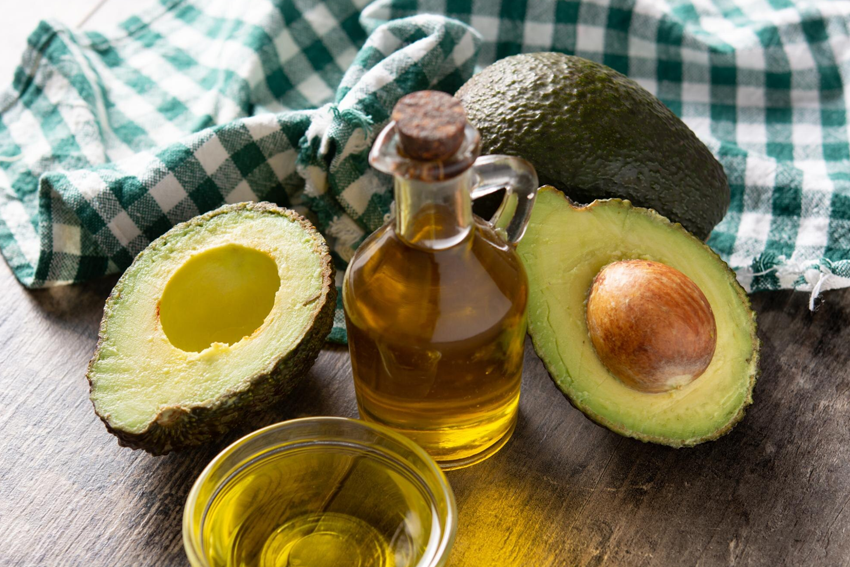
Avocado seed oil is a true concentration of health hidden in what is often considered a waste product. The seed, which makes up about 16–20% of the fruit’s total weight, contains an impressive amount of oil — up to 30% of its dry mass. This exceptional oil is rich in omega-9 fatty acids, particularly oleic acid, which accounts for approximately 60–70% of its composition.
Avocado seed oil is also packed with antioxidants, including vitamin E (tocopherols), polyphenols, and carotenoids. These natural compounds protect the oil from rancidity and ensure excellent thermal stability. Additionally, avocado seeds contain significant amounts of palmitic acid, linoleic acid, and the rare palmitoleic acid, known for its anti-inflammatory properties.
Health Benefits
Regular use of avocado seed oil can bring numerous health benefits. The high concentration of oleic acid supports cardiovascular health by lowering bad cholesterol (LDL) while increasing good cholesterol (HDL). Studies have shown that individuals consuming avocado seed oil experienced significant improvement in lipid profiles after just eight weeks of regular intake.
The antioxidants present in avocado seed oil exhibit strong anticancer properties. Phenolic compounds such as proquercetin and chlorogenic acid may inhibit the growth of cancer cells, particularly in cases of breast, prostate, and colon cancer. Moreover, this oil supports liver regeneration and may aid in treating non-alcoholic fatty liver disease.
Culinary and Cosmetic Uses
In the kitchen, avocado seed oil is an excellent addition to salads, dressings, and marinades. Its mild, slightly nutty flavor complements dishes without overpowering them, while enriching them with valuable nutrients. Thanks to its high smoke point (around 190–200°C), it can also be used for frying and baking.
In natural cosmetics, avocado seed oil is a true treasure for mature and dry skin. Its small molecular structure allows it to penetrate the skin easily, delivering essential nutrients to deeper layers. Regular use can visibly reduce wrinkles, improve skin elasticity, and accelerate cell regeneration.
Prickly Pear Seed Oil: The Desert Diamond of Health
Characteristics and Properties
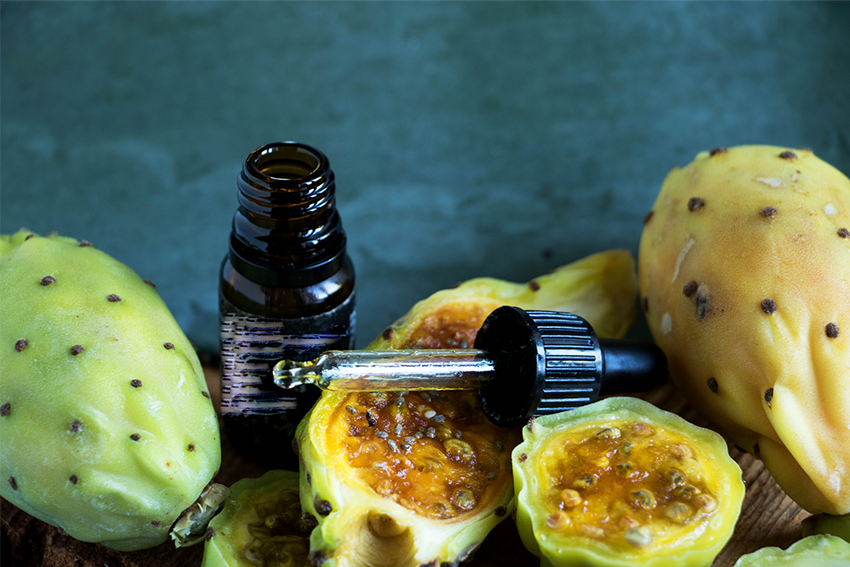
The prickly pear cactus, also known as Opuntia ficus-indica, is a remarkable plant that thrives in extreme desert conditions. Its fruit contains seeds that are the source of one of the most valuable cosmetic oils in the world. The seeds account for about 10–15% of the fruit’s weight, and their oil content reaches an impressive 35–40%. This exceptional oil is renowned for having the highest natural concentration of vitamin E and a uniquely balanced fatty acid profile.
The chemical composition of prickly pear seed oil is both rich and well-balanced. It is dominated by linoleic acid (around 65–70%), essential for maintaining a healthy skin barrier, along with significant amounts of oleic acid (15–20%) and palmitic acid (8–12%), creating an ideal ratio for cosmetic use. What makes this oil truly special is the presence of rare plant sterols, including Δ7-stigmastenol, known for their strong anti-aging and anti-inflammatory effects.
Antioxidant and Regenerative Properties
Prickly pear seed oil contains record-breaking levels of tocopherols—natural forms of vitamin E. The concentration of these compounds can be two to three times higher than in argan oil, making it one of the most powerful natural antioxidants known. Gamma-tocopherol, the dominant form of vitamin E in this oil, exhibits particularly potent anti-inflammatory and photoprotective properties.
Dermatological studies confirm the exceptional effectiveness of prickly pear seed oil in stimulating skin regeneration. Its active compounds can increase the rate of cell turnover in the epidermis by up to 40%, leading to visibly rejuvenated skin within just four weeks of regular use. Additionally, betalains—natural pigments found in prickly pear seeds—exhibit strong anti-inflammatory properties that help soothe irritated or sensitive skin.
Premium Cosmetic Applications
In the cosmetics industry, prickly pear seed oil is often referred to as “liquid gold of the desert” due to its rarity, high production cost, and extraordinary skin benefits. It is a key ingredient in luxury anti-aging creams and serums, where even a 2–3% concentration can significantly enhance product effectiveness. High-end skincare brands use it in facial serums priced at several hundred euros per 30 ml bottle.
Its unique properties make it ideal for the delicate eye area, where the skin is thinnest and most prone to wrinkles. Thanks to its lightweight texture and rapid absorption, it delivers nutrients deep into the skin without leaving a greasy residue or causing irritation. Regular use of prickly pear seed oil has been shown to reduce the depth of fine lines and wrinkles by up to 35% within 12 weeks.
Pomegranate Seed Oil: The Antioxidant Elixir of Youth
Unique Biochemical Composition
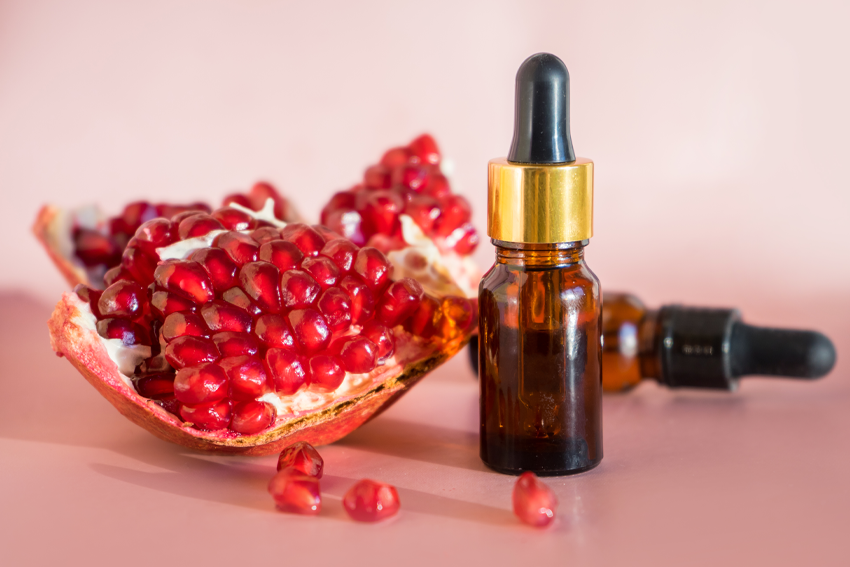
Pomegranate seeds, which make up about 15–20% of the fruit’s mass, contain an exceptionally valuable oil with a distinctive chemical profile. The main component of this oil is punicic acid — a rare conjugated linolenic acid (18:3) found almost exclusively in pomegranates. It represents 65–85% of the oil’s total composition and is responsible for most of its biological activity.
In addition to punicic acid, pomegranate seed oil also contains significant amounts of linoleic, oleic, and palmitic acids. Particularly noteworthy are the phytosterols — including β-sitosterol and campesterol — which exhibit anti-inflammatory effects and may support prostate health. The oil is also rich in phenolic compounds, such as punicalagins and ellagic acid, two of the most powerful natural antioxidants known.
Anti-Cancer and Cardioprotective Effects
Scientific studies confirm the exceptional anti-cancer properties of pomegranate seed oil. Punicic acid has been shown to inhibit angiogenesis — the formation of new blood vessels that supply tumors. In vitro research indicates that active compounds in pomegranate oil can suppress prostate cancer cell growth by up to 78% at concentrations achievable within the human body.
The cardioprotective benefits of this oil are equally remarkable. Regular consumption may help lower blood pressure, improve vascular elasticity, and reduce the risk of atherosclerosis. Its mechanism of action involves the modulation of nitric oxide activity in the vascular endothelium, resulting in vasodilation and improved blood flow. Clinical trials have shown reductions in systolic blood pressure of 8–12 mmHg after just four weeks of supplementation.
Applications in Aesthetic Medicine
In aesthetic medicine, pomegranate seed oil is gaining recognition as a powerful anti-aging ingredient. Its ability to stimulate collagen and elastin synthesis makes it ideal for needle-free mesotherapy and enzymatic peels. Punicic acid enhances epidermal thickness and strengthens the skin barrier, resulting in a visibly more youthful appearance.
Innovative applications also include its use in laser therapy as a soothing and regenerative treatment. Applying the oil before and after laser procedures can significantly reduce recovery time and minimize complications. Its antioxidants protect the skin from radiation-induced damage, while its anti-inflammatory properties calm and heal irritated tissues.
Guava Seed Oil: A Tropical Vitamin Treasure
Rich in Bioactive Compounds
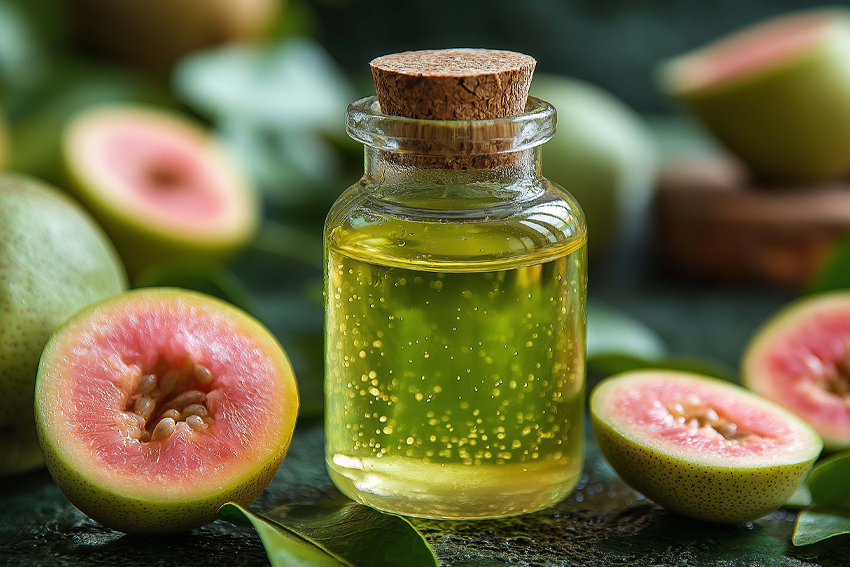
Guava — a tropical fruit also known as Psidium guajava — hides a powerful health secret within its seeds. Guava seed oil is remarkably rich in linoleic acid (65–75%), making it ideal for dry or acne-prone skin. It also contains notable amounts of α-linolenic acid (omega-3), oleic acid, and unique carotenoids, responsible for its light golden hue.
A standout feature of guava seed oil is its exceptionally high lycopene content — up to five to six times higher than in tomato oil. This makes it one of the richest natural sources of this antioxidant. Additionally, it contains β-carotene, lutein, and zeaxanthin, carotenoids known to support eye health and protect against macular degeneration.
Antibacterial and Antifungal Properties
Guava seed oil demonstrates strong antimicrobial properties thanks to its unique combination of phenolic compounds and terpenoids. Microbiological studies have confirmed its effectiveness against a wide range of pathogens, including Staphylococcus aureus, Escherichia coli, and Pseudomonas aeruginosa. Its minimum inhibitory concentration (MIC) for most bacteria ranges between 0.5–2 mg/ml, a potency comparable to certain antibiotics.
The oil’s antifungal activity is particularly effective against Candida yeast and dermatophytes, the main culprits of skin infections. Its mechanism involves disruption of microbial cell membranes and inhibition of metabolic pathways by terpenes and phenolics. These properties make guava seed oil a valuable ingredient in natural antifungal and antiseptic formulations.
Immune System Support
Regular use of guava seed oil can significantly strengthen the immune system. Its high carotenoid content boosts the activity of macrophages and NK (natural killer) cells, the body’s first line of defense against infections. Immunological studies indicate a 25–30% increase in immune response after six weeks of supplementation.
The vitamin E in guava seed oil enhances antibody production and improves the body’s response to vaccines, while omega-3 fatty acids regulate inflammation and prevent autoimmune overreactions. This balanced effect makes guava seed oil an ideal choice for those with weakened immunity or chronic inflammation.
Papaya Seed Oil: Enzymatic Concentrate of Health
Unique Nutrient Profile with Papain
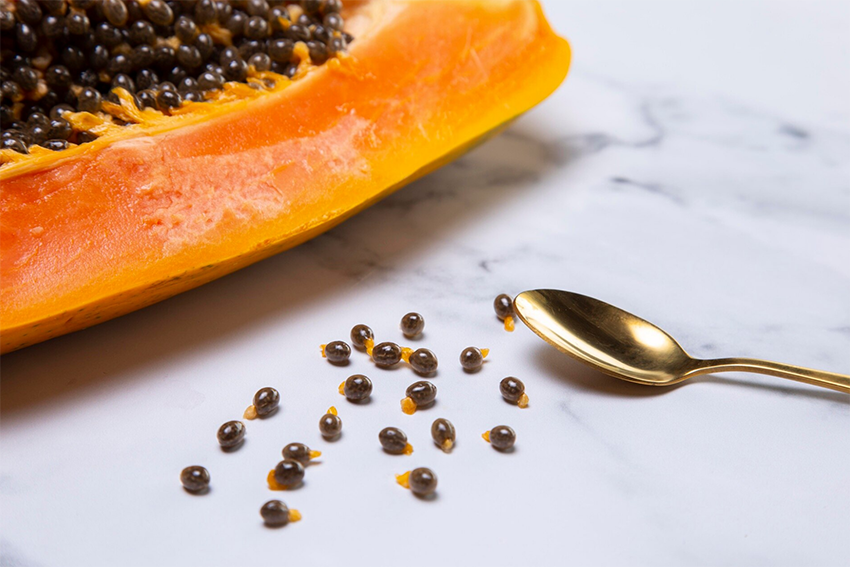
Papaya seeds, often discarded as waste, contain 25–30% oil with a remarkably unique chemical composition. Papaya seed oil is distinguished by its high oleic acid content (around 75%), along with notable amounts of palmitic and stearic acids. Interestingly, it also contains odd-chain fatty acids — a rare occurrence in nature.
A defining feature of papaya seed oil is the presence of the enzyme papain, which remains active even after cold pressing. This proteolytic enzyme is widely used in natural medicine and the food industry for its ability to break down proteins and promote healing. The oil also contains glucosinolates — compounds with proven anti-cancer and antibacterial properties — and benzyl isothiocyanate, known for its potent antiparasitic activity.
Antiparasitic and Hepatoprotective Properties
Scientific studies confirm the strong antiparasitic effects of papaya seed oil. Active compounds, especially benzyl isothiocyanate, effectively combat intestinal parasites such as Giardia, pinworms, and tapeworms. In many tropical countries, papaya seed oil has been traditionally used as a natural deworming agent, with clinical studies showing 71–89% efficacy in eliminating various parasites.
Papaya seed oil also demonstrates hepatoprotective (liver-protecting) effects. Animal studies have shown that regular consumption helps protect the liver from toxins and supports hepatocyte regeneration. These benefits are attributed to its high antioxidant content and the presence of unique alkaloids. The mechanism involves stimulating glutathione production — the body’s main hepatic antioxidant — and modulating detoxification enzyme activity, enhancing the liver’s resilience and regeneration.
Digestive and Detoxifying Support
In natural medicine, papaya seed oil is valued for its digestive support properties. The enzyme papain aids in protein digestion, making it especially useful for people with pancreatic enzyme deficiencies or malabsorption syndromes. Its anti-inflammatory action also helps alleviate irritable bowel syndrome (IBS) and inflammatory bowel diseases (IBD). Clinical data indicate improved digestive function within just two weeks of regular use.
Another remarkable property of papaya seed oil is its ability to enhance the body’s natural detoxification processes. Isothiocyanates stimulate the production of phase II detox enzymes in the liver, responsible for neutralizing and removing toxins and xenobiotics. This makes papaya seed oil particularly effective in cleansing the body of heavy metals, pesticides, and other accumulated toxins.
The Pressing Process: Step-by-Step to Perfect Oil
Preparing the Seeds
Proper seed preparation is crucial for producing high-quality oils, and each fruit requires a slightly different approach:
Avocado seeds should be carefully removed, cleaned of pulp, and dried at room temperature for 48–72 hours. Once dry, lightly crack the outer shell with a hammer to expose the core.
Prickly pear seeds are small and delicate. Extract them by pressing the fruit and separating the seeds from the juice through sieving and washing. Dry them in shade for 3–4 days, then briefly pulse in a blender to break the surface for easier extraction.
Pomegranate seeds are the most labor-intensive. Separate the arils, wash away pulp in water (seeds sink, pulp floats), then dry thoroughly before pressing.
Guava seeds are tiny — simply wash, dry, and press.
Papaya seeds are prepared similarly to guava but should be gently crushed to release papain before pressing.
Choosing the Right Oil Press
Selecting the right oil press is essential for efficiency and oil quality. For home or small-scale production of exotic seed oils — avocado, prickly pear, pomegranate, guava, and papaya — hydraulic or screw presses with moderate output are ideal.
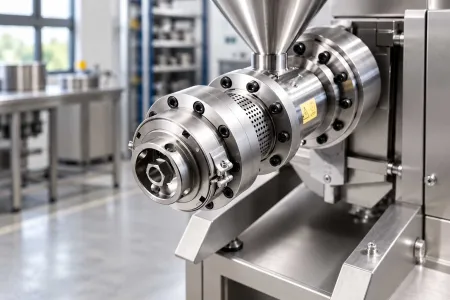
A cold & hot press with 25 kg/h capacity made of stainless steel (INOX BOX 25 kg/h) is particularly recommended. This professional-grade device offers temperature and pressure control, ensuring that delicate compounds — like papain in papaya, tocopherols in prickly pear, and punicic acid in pomegranate — are preserved. Its compact design also allows for easy cleaning and maintenance — crucial when processing various raw materials with distinct chemical properties.
Health Benefits: Where Tradition Meets Science
Synergistic Antioxidant Action
Combining oils from different exotic seeds creates a powerful synergistic blend of antioxidants. Tocopherols from prickly pear, punicic acid from pomegranate, lycopene from guava, polyphenols from avocado, and isothiocyanates from papaya work together to form a comprehensive antioxidant shield. Studies show that a 2:1:1:1:1 blend of these oils demonstrates 55% higher antioxidant capacity than the sum of its individual components.
This synergy occurs because each antioxidant acts in a different cellular location:
Tocopherols protect cell membranes
Punicic acid acts in the cytoplasm
Lycopene accumulates in mitochondria
Polyphenols protect nuclear DNA
Isothiocyanates activate detoxification enzymes
Together, they provide multi-layered cellular protection that can extend cell lifespan by up to 25%.
Cardiovascular Health
Regular consumption of these exotic oils supports heart and vascular health through multiple mechanisms. Omega-9 fatty acids from avocado and prickly pear improve lipid profiles by reducing LDL and increasing HDL cholesterol. Punicic acid from pomegranate inhibits LDL oxidation, a key process in atherosclerosis.
Carotenoids from guava — especially lycopene — protect vessel walls from oxidative damage. Epidemiological studies show that people with higher blood lycopene levels have a 35% lower risk of heart attack. Additionally, phytosterols present in all these oils compete with cholesterol during absorption, lowering total cholesterol by 10–15%. The papain enzyme from papaya further supports fat metabolism and absorption, enhancing overall lipid balance.
Detoxification and Body Cleansing
Exotic seed oils form a natural detox system that enhances the body’s ability to neutralize and eliminate harmful substances. Isothiocyanates from papaya boost glutathione synthesis and activate phase II detox enzymes in the liver — crucial for processing and removing heavy metals, pesticides, and toxins.
Phenolic compounds from pomegranate and avocado support liver regeneration and protect hepatocytes from damage. Studies show that regular consumption of these oils can improve liver enzyme markers (ALT, AST) by 15–25% within eight weeks. Meanwhile, carotenoids from guava and tocopherols from prickly pear provide cellular protection during detoxification, reducing oxidative stress and inflammation.
Industrial and Commercial Applications
Revolution in the Cosmetic Industry
Exotic seed oils have revolutionized the premium cosmetic industry, introducing new standards of effectiveness and luxury. Prickly pear seed oil, often referred to as the “caviar of cosmetics”, is the key ingredient in some of the most expensive anti-aging serums, where even a minimal concentration of 1% can increase the product’s value by several hundred percent. Luxury brands such as La Mer and La Prairie use this oil in their flagship formulations.
Combining oils from various seeds allows for the creation of personalized cosmetic formulas.
Pomegranate seed oil is ideal for mature skin products due to its collagen-stimulating properties.
Guava seed oil is perfect for problematic or acne-prone skin thanks to its antibacterial effects.
Papaya seed oil is widely used in enzymatic peels as a natural exfoliating agent.
Avocado oil remains a universal moisturizing and nourishing component.
This versatility makes exotic seed oils a cornerstone of modern natural cosmetics, where performance meets sustainability and sensory luxury.
Innovations in Natural Pharmaceuticals
The natural pharmaceuticals sector is rapidly integrating exotic seed oils as active ingredients in plant-based medicinal products.
Pomegranate seed oil is included in oncology supplements that support prostate cancer therapies.
Papaya seed oil capsules are marketed as natural antiparasitic preparations, offering an alternative to synthetic anthelmintic drugs.
Pharmaceutical companies are also developing combined formulations that blend multiple oils to maximize therapeutic effects. For instance, supplements combining pomegranate (anticancer), papaya (detoxifying), guava (immunostimulating), and prickly pear (anti-aging) oils form comprehensive anti-aging complexes with broad-spectrum health benefits. The first such products have already been registered as dietary supplements within the European Union.
Sustainable Beauty and Circular Economy
The use of exotic fruit seeds fits perfectly into the global trend of sustainable beauty and the circular economy within the cosmetics industry. Leading international corporations are investing millions in seed recovery programs from fruit processing plants, creating a closed-loop raw material cycle. L’Oréal, for example, has launched its “Seeds of Beauty” program, collaborating with local communities to collect seeds from prickly pear, pomegranate, and papaya.
This movement has a significant impact on local economies in developing countries. Farmers who once treated fruit seeds as waste can now generate additional income by selling them. The price of prickly pear seeds in Morocco has risen from virtually zero to $15 per kilogram over the past five years, while pomegranate seeds in Turkey now reach $8–12 per kilogram. In South American countries, papaya seeds are gaining value as a pharmaceutical raw material, currently trading at $5–8 per kilogram.
Cold and Hot Oil Press 25kg/h Inox Box: The Ideal Solution for Exotic Seeds
Versatility and Process Control
The Cold and Hot Oil Press 25kg/h Inox Box has been designed to handle a wide range of raw materials — from common oilseeds to more demanding fruit seeds. The machine allows both cold and hot pressing, enabling precise adjustment of process parameters to match the characteristics of each specific raw material. Its temperature and screw speed control system ensures optimal oil quality, which is particularly important for delicate exotic seeds such as pomegranate and prickly pear.
Efficiency and Application
With a throughput of 25 kg per hour, this press is ideal for small and medium-scale processing plants, cosmetic laboratories, and boutique producers specializing in high-quality vegetable oils. Actual oil yield depends on the raw material — for example, 10 kg of rapeseed produces approximately 3.5–4 liters of oil, while exotic seeds yield significantly less and require a much larger amount of raw material.
Industrial-Grade Construction
The housing and working components are made of food-grade stainless steel, ensuring both safety and ease of maintenance. Smooth surfaces minimize contamination risks and simplify cleaning between production batches — a key factor when processing oils with different applications and quality requirements.
Premium Raw Materials and Business Potential
Exotic seed oils such as prickly pear, pomegranate, and papaya are classified as premium products, primarily used in the cosmetic and nutraceutical sectors. Their retail prices can exceed several hundred euros per 100 ml, but achieving this quality requires access to high-grade raw materials and precise processing. The cost of seed procurement is the most significant factor affecting production profitability.
Production Diversification
The ability to process various raw materials offers entrepreneurs flexibility and supports the creation of a diversified product portfolio. The production of local seed oils (e.g., rapeseed, flaxseed, hemp) can provide a stable business foundation, while exotic seed oils serve as high-value seasonal additions. This approach combines operational security with the opportunity to enter niche, high-margin market segments.
The Future of Exotic Oils
Enzymatic Technologies and Natural Body Optimization
The future of exotic seed oils will be driven by the development of enzymatic extraction technologies. Papaya seed oil, which naturally contains active papain, is expected to become the model for a new generation of enzyme-enriched oils. Research into using papain to enhance the bioavailability of active compounds in other oils could revolutionize the entire industry.
The trend toward natural body optimization is fueling the creation of personalized oil blends tailored to an individual’s genetic profile.
People with polymorphisms in detoxification genes may particularly benefit from papaya seed oil,
while mutations in antioxidant genes indicate a need for higher doses of tocopherols from prickly pear oil.
AI-powered platforms will analyze consumers’ DNA and automatically formulate optimal blends of five oils, marking a breakthrough in precision nutrition and personalized wellness.
Pharmaceutical Applications and Personalized Medicine
The rise of personalized medicine is opening new opportunities for exotic oils as targeted therapies.
Pomegranate seed oil is currently being studied as an active ingredient in next-generation anticancer drugs. The punicic acid, when combined with nanotechnology, can be delivered directly to cancer cells, minimizing the side effects of traditional chemotherapy.
The enzymatic properties of papaya oil create potential for its use in treating digestive disorders and as a supportive therapy for autoimmune diseases.
The first clinical trials investigating papaya seed oil in the treatment of celiac disease and Crohn’s disease are scheduled to begin in 2025. A combination of papaya oil and probiotics may soon lead to the development of an entirely new class of gut-health therapeutics.
Blockchain Technology and Origin Certification
The high value of exotic seed oils is driving the adoption of blockchain technology for origin and quality certification. Each batch of prickly pear seed oil can be tracked from fruit harvesting, through the pressing process, to the final product. Consumers of premium oils — often paying hundreds of euros for small bottles — increasingly demand full supply chain transparency.
Smart contracts on the blockchain automate payments to local seed producers, eliminating intermediaries and ensuring fair compensation. Farmers in Morocco growing prickly pear seeds can receive instant payments after automated quality verification by digital systems. This innovation enhances trust and builds long-term partnerships between producers and buyers.
Natural Optimization and Longevity Medicine
The growing trend of natural optimization and longevity medicine is creating new opportunities for exotic seed oils. Studies on the effect of punicic acid on telomere length — a biomarker of cellular aging — are particularly promising. The first anti-aging supplements featuring precisely dosed blends of exotic oils are expected to appear in longevity clinics by 2025.
Integration with wearable devices and biomarker monitoring will enable real-time optimization of exotic oil intake. Smartwatches will monitor oxidative stress levels and automatically recommend increased antioxidant doses from oils when needed. This real-time personalization represents the future of supplementation and could boost therapeutic effectiveness by up to 200%.
Sustainable Production and Climate Adaptation
Climate change will influence the availability of various exotic fruits, driving innovation in cultivation and processing technologies. The prickly pear cactus, a drought-resistant desert plant, may become a key raw material in regions most affected by climate shifts. Vertical farming and controlled-environment agriculture could allow exotic fruit production even in temperate zones.
Scientific Research and Technological Development
The exotic seed oil sector stands at the dawn of a true revolution, driven by intensive scientific research and advancements in extraction technology. The latest analytical methods now allow for precise chemical composition profiling of these oils, continuously revealing new bioactive compounds with significant therapeutic potential.
Particularly promising are studies focused on combining supercritical carbon dioxide extraction with traditional mechanical pressing. This hybrid method enables selective isolation of the most valuable oil fractions while maintaining their natural properties. Early prototypes of devices integrating both techniques demonstrate up to 40% higher efficiency alongside improved product quality.
The development of biotechnology also opens new possibilities for enzymatic optimization of the oil extraction process. Specialized enzymes can break down seed cell walls, facilitating oil release and significantly improving yield. These innovations are especially valuable for hard-seed fruits like pomegranate, where conventional mechanical methods have limited effectiveness.
Market and Commercial Outlook
The global market for exotic seed oils is currently experiencing dynamic growth, with an expected annual growth rate of 18–22% between 2025 and 2030. The main driving forces include rising consumer awareness of healthy nutrition and increasing demand for high-value products in the cosmetics and nutraceutical industries.
The premium segment is particularly appreciating the unique properties of these oils, translating into a willingness to pay higher prices for top-quality products. The finest avocado seed oil now commands prices comparable to premium nut oils, and market forecasts indicate continued value growth in the coming years.
E-commerce and B2B platforms are greatly simplifying global market access for smaller producers. Specialized online stores for high-quality oils and digital platforms connecting growers with institutional buyers are creating new distribution opportunities. This trend is particularly beneficial for local producers in tropical regions, who can now reach consumers in developed markets directly.
Challenges and Opportunities
The main challenge facing the exotic seed oil industry lies in standardizing production processes and quality control. The lack of uniform standards makes cross-comparison between producers difficult and can impact consumer trust. Industry organizations are actively working on establishing international quality and certification standards for these products.
A second major challenge is consumer education and brand awareness. Most potential customers remain unfamiliar with the properties and applications of exotic seed oils. Comprehensive educational campaigns, collaborations with influencers, and partnerships with experts in natural health and beauty are crucial for building awareness and credibility.
At the same time, the sector faces immense opportunities tied to sustainability and zero-waste trends. Utilizing fruit seeds that were previously considered waste aligns perfectly with the expectations of environmentally conscious consumers. This positioning can become a key competitive advantage in the natural and ecological product market.
Practical Guide: From Seed to Final Product
Quality Control and Laboratory Testing
Producers of exotic seed oils must implement strict quality control protocols at every stage of the process. Basic testing includes analyzing fatty acid profiles via gas chromatography to verify authenticity and detect adulteration. For pomegranate seed oil, punicic acid concentration — ideally at least 65% — serves as a key quality indicator.
Antioxidant activity testing using DPPH, ABTS, and ORAC methods provides an objective assessment of oxidative protection. Prickly pear seed oil should display an ORAC value of at least 1500 μmol TE/g, while pomegranate oil may exceed 2000 μmol TE/g. These metrics are crucial for positioning products in the premium market.
Microbiological safety testing is particularly important due to the tropical origin of raw materials. Standard assessments include total aerobic bacterial count, yeast and mold quantification, and detection of pathogens such as Salmonella and E. coli. Top-tier oils should meet pharmaceutical-grade standards rather than basic food-grade criteria.
Marketing Strategies and Positioning
Effective marketing of exotic seed oils requires consumer education about the unique benefits of each oil. Storytelling based on traditional cultural use (e.g., Berber women using prickly pear oil) enhances brand authenticity. Collaborations with influencers specializing in natural beauty and wellness can significantly boost visibility.
Eco-certifications and fair-trade credentials are essential for the premium segment. Consumers willing to pay high prices expect guarantees of ethical and sustainable production. Certifications such as Ecocert Cosmos or USDA Organic can justify premium pricing and increase consumer confidence.
Digital marketing strategies should focus on content-driven education. Publishing in-depth scientific articles, video tutorials demonstrating applications, and expert dermatological reviews all contribute to credibility. SEO efforts targeting long-tail keywords related to specific skin conditions can attract high-intent traffic with strong purchase potential.
Conclusion: Five Exotic Seeds as the Foundation of a Healthy Lifestyle
Cold-pressing oils from exotic seeds — avocado, prickly pear, pomegranate, guava, and papaya — represents a true revolution in health, beauty, and sustainable living. Each oil offers distinct bioactive benefits — from record antioxidant concentrations in prickly pear, through the anticancer properties of pomegranate’s punicic acid, to the enzymatic activity of papain in papaya seeds. Together, they form a comprehensive system for cellular health and regeneration.
Scientific evidence consistently confirms the therapeutic potential of these oils in preventing and supporting treatment of major lifestyle diseases. The synergistic action of all five can deliver antioxidant protection surpassing conventional supplements, cardiovascular support, immune enhancement, and natural detoxification.
Investing in a professional cold and hot oil press (25kg/h INOX BOX) offers entry into one of the most promising sectors of premium natural oils. The ability to process all five types of seeds under optimal parameters ensures maximum efficiency and top-tier quality of the final products. This solution is ideal for both health enthusiasts and entrepreneurs building businesses in the natural wellness sector.
The future of exotic seed oils is incredibly promising — from DNA-based personalized therapies and pharmaceutical applications, to a revolution in sustainable beauty. Those who begin exploring this field today may become pioneers of a transformation that will redefine how humanity approaches health, longevity, and environmental harmony.
Frequently Asked Questions
Is it safe to consume oils extracted from all exotic fruit seeds?
Yes, oils derived from the seeds of avocado, prickly pear, pomegranate, guava, and papaya are entirely safe for consumption when used in appropriate doses. However, each oil has unique properties — papaya seed oil contains active papain, which may enhance the effects of anticoagulant medications, so individuals taking such drugs should consult a physician.
It is recommended to start with small doses (0.5–1 teaspoon daily of each oil) and gradually increase intake.
Pomegranate oil may have a mild diuretic effect, while guava seed oil can influence gut microbiota balance. Individuals with food allergies should perform a skin patch test before first use.
Which exotic oils offer the best anti-aging properties?
For anti-aging purposes, the most effective combination is prickly pear seed oil and pomegranate seed oil.
Prickly pear oil contains record levels of vitamin E (up to 1000 mg/kg), the most powerful natural antioxidant protecting the skin from aging.
Punicic acid in pomegranate oil stimulates collagen synthesis and can reduce wrinkle depth by 30–40% within 12 weeks.
Avocado oil provides long-term UV protection, while lycopene in guava helps prevent photoaging.
Papaya seed oil acts as a natural enzymatic exfoliant, removing dead cells and promoting skin renewal.
The best results come from a blend of all five oils in the ratio 2:2:1:1:1 (prickly pear : pomegranate : avocado : guava : papaya).
What are the differences in oil yield between various fruit seeds?
Oil yield varies significantly among fruits and depends on the pressing method.
One avocado seed yields 10–15 ml of oil — the highest single-seed output.
Prickly pear seeds are tiny, but a single cactus can produce up to 50 fruits, yielding 100–150 ml of oil per plant per season.
One pomegranate contains 300–500 seeds, producing 20–30 ml of valuable oil.
Guava yields 5–8 ml per fruit, and papaya produces 8–12 ml per medium-sized fruit.
Using a professional cold and hot oil press (25 kg/h Inox Box) increases efficiency by 25–40% thanks to optimized pressing parameters.
However, value matters more than volume — prickly pear seed oil can retail for up to 115 EUR per 100 ml, while avocado oil typically costs 230–345 EUR per 100 ml.
Can the 25kg/h Inox Box cold and hot oil press handle all five seed types without modification?
Yes. The INOX BOX 25kg/h press is designed as a universal, precision device perfectly suited for all the described exotic seeds.
Its main advantage is an advanced control system that allows precise temperature adjustments for each raw material type.
Prickly pear and papaya seeds require gentle pressing at low temperatures (35–40°C).
Guava seeds benefit from a short pressing cycle.
The modular design enables easy replacement of sieves adapted to seed size — from tiny prickly pear seeds to large avocado kernels.
Stainless steel construction prevents cross-contamination between different raw materials, which is especially crucial when working with enzymatic seeds such as papaya.
How long can exotic oils be stored, and can they be blended?
The shelf life of exotic seed oils depends on composition and storage conditions:
Prickly pear seed oil — 2–3 years (richest in natural antioxidants)
Pomegranate and avocado oils — 18–24 months
Guava and papaya oils — 12–15 months (contain more delicate components such as carotenoids and enzymes)
Proper storage is essential: keep oils in dark glass bottles at 15–20°C.
Blending oils is perfectly safe.
The most effective anti-aging formula consists of:
30% prickly pear, 25% pomegranate, 20% avocado, 15% guava, and 10% papaya.
Blends should be prepared in small batches (maximum 200 ml) and used within six months.
Before each use, gently shake the bottle to evenly redistribute active ingredients.