
Table of Contents
- Winter – The Period of Greatest Opportunities
- Spring – Time for Light Oils and First Fresh Raw Materials
- Summer – Freshness and Variety
- Autumn – Harvest and Storage Season
- Practical Pressing Calendar – Month by Month
- Raw Material Storage – Key to Year-Round Production
- Choosing a Press for Seasonal Pressing
- Frequently Asked Questions
- Summary
Anyone who has ever pressed their own oil from seeds knows that success lies in the details. Ambient temperature, raw material moisture content, seed storage methods – all these factors affect the quality of the final product. That's why planning your pressing around the seasons isn't perfectionist fussiness, but practical knowledge that translates into better oil and greater press efficiency. The year 2026 will bring us, as every year, the natural cycles of oilseed plant vegetation, and we can use them to our advantage.
It's worth understanding that oilseeds aren't a uniform product throughout the year. Freshly harvested flaxseed from September is a completely different raw material than flax stored for six months in a warehouse. Not only the moisture content changes, but also the internal structure of the seeds, which directly affects the pressing process. Some raw materials improve with time, others lose their best properties. Winter months offer completely different working conditions than summer heat, when temperature control becomes a real challenge for every oil presser.
The pressing calendar is also a matter of goals. In winter, we have time for peaceful experimentation and production of larger batches of oil from stored raw materials. Spring is the moment for light oils for a spring cleansing diet. Summer brings fresh, seasonal raw materials that are worth using immediately. Autumn, on the other hand, is the most intensive period when we process harvests and prepare supplies for the coming months. This natural rhythm is worth respecting and using in planning your own small oil mill.
Winter – The Period of Greatest Opportunities
Why Winter Favors Oil Pressing
Winter months are a time that many oil producers consider the best for intensive work. Low ambient temperature is crucial for cold pressing quality, where the final oil temperature should not exceed forty degrees Celsius. In a heated room, at room temperature of about twenty degrees, it's much easier to maintain proper thermal conditions than during August heat, when the air is thirty degrees and the press itself additionally heats up.
Cool conditions have a beneficial effect on the storage of both raw materials and finished oil. In winter, we don't have to worry about overly rapid oxidative changes in freshly pressed oil, which retains its properties much longer at lower temperatures. This is an ideal time for producing larger batches of oil intended for longer storage. You can calmly process twenty or thirty kilograms of seeds, knowing that the oil will keep well for the coming weeks.
Winter pressing also has a practical dimension related to time organization. For many owners of agritourism farms or small home oil mills, winter is a season with less intensive field work and tourism. So you can devote several hours a day to peaceful pressing, experimenting with different seeds, testing new recipes. It's also a good time to perform equipment maintenance, thoroughly clean all press elements, replace screws or seals.
Winter Raw Materials and Their Storage
The basic raw material for winter pressing is hulled sunflower, which after autumn harvests has been properly prepared and dried. Well-stored sunflower seeds retain their properties for many months, and winter conditions favor their storage. The temperature in the pantry or warehouse naturally remains at a low level, which prevents mold growth and pest multiplication.
Another excellent winter raw material is flaxseed, especially the golden variety, which is enjoying growing popularity due to its more delicate taste compared to the brown variety. Flax requires special attention during storage due to the high content of unsaturated fatty acids, which are sensitive to oxidation. In a cool room with humidity below ten percent, it can lie calmly all winter without loss of quality.
Rapeseed is another raw material that works great in winter pressing. After harvests conducted in summer or early autumn, properly stored rapeseed is ready for processing throughout the winter. It's worth remembering that rapeseed is usually pressed hot, which in winter conditions is an additional advantage – heating the pressing chamber additionally raises the temperature in the work room.
Walnuts, hazelnuts, or almonds are true winter specialties. These raw materials are usually available from late autumn, and their processing into oil is a way to use surpluses or nuts that don't meet commercial standards for direct consumption. Nut oil is a luxury product that will find application both in the kitchen and in home natural cosmetics.
Pressing Oilseeds in Cold Months
Practical winter pressing has its specific features worth knowing. First of all, it's worth remembering proper raw material preparation. Seeds stored in a cold warehouse should spend several hours in a heated room before pressing to adapt to the working temperature. Seeds that are too cold can cause problems with oil fluidity and strain the press.
In January, it's worth focusing on sunflower and rapeseed – these are the most efficient raw materials that allow producing significant amounts of oil at relatively low costs. The February period is an excellent moment for pressing flax, especially if we plan to use flaxseed oil in a spring cleansing diet. Fresh flaxseed oil is a real vitamin bomb that supports the body after winter.
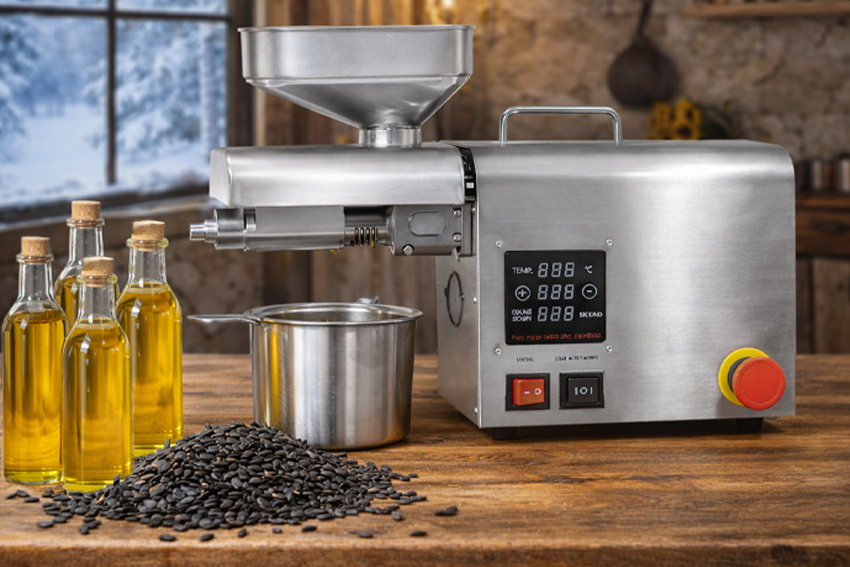
March is a transitional month when you can already slowly think about the first spring raw materials, but still take advantage of winter conditions. This is a good time to press pumpkin seeds that we've stored since autumn harvests. Pumpkin seed oil has a characteristic dark color and nutty taste, and its health properties are particularly valued by men caring for prostate health.
Spring – Time for Light Oils and First Fresh Raw Materials
Spring Preparations for the Season
April is the month of awakening not only of nature but also of our oil mill. After winter intensive pressing, it's worth conducting thorough cleaning and equipment inspection. This is the last moment to replace worn parts, check the condition of screws, thoroughly clean all elements in contact with the raw material. Spring brings higher air humidity, which requires increased attention when storing raw materials.
Spring atmospheric conditions are specific. Although the temperature gradually rises, we're not yet dealing with summer heat. This is a good period for pressing delicate raw materials that don't tolerate high temperatures well. The human body after winter needs a light, spring diet rich in fresh vitamins and minerals. Oils pressed during this period fit perfectly into this need.
Spring is also the time when the first fresh herbs and young sprouts begin to appear in markets. We can use this potential by adding natural aromas to pressed oils. Sunflower or rapeseed oil macerated with fresh rosemary, thyme, or basil are excellent products for spring cuisine. Such oils should be prepared in small quantities and stored in the refrigerator, because herbs shorten product durability.
What Seeds to Press in Spring
May is the month when we can already think about the first fresh local raw materials. Depending on the region, the first rapeseed seeds from early spring crops begin to be available at the end of the month. It's worth remembering that freshly harvested seeds require proper preparation – they must be thoroughly cleaned and dried to the appropriate moisture content.
Spring is also a good time for pressing sesame seeds, which although not grown locally, have the best quality in imports during this period. Sesame oil is an excellent addition to spring salads, has a characteristic nutty aroma and is rich in antioxidants. Pressing sesame, however, requires an appropriate press that can handle hard seeds.
Sunflower remains the main raw material, but in spring it's worth experimenting with roasting it. Lightly roasted sunflower seeds give oil with a more intense aroma that works great in vegetarian cuisine. The roasting temperature should not exceed one hundred and fifty degrees Celsius to preserve as many nutritional values as possible.
Using Stored Supplies
June is the last month when we should use raw materials stored since autumn. After this time, seed quality usually begins to decline, especially in the case of delicate raw materials like flax or pumpkin seeds. So it's worth thoroughly checking the state of supplies and planning their processing before the arrival of summer heat.
Stored seeds require special attention in spring. Rising temperature and humidity can favor mold growth or the appearance of pests. Regular checking of seed condition, warehouse ventilation, maintaining appropriate temperature are basic actions that will allow preserving the raw material in good condition until pressing.
Spring is also a good time to prepare for the upcoming harvest season. It's worth establishing contact with local farmers, setting delivery dates for fresh raw materials, planning quantities that we'll be able to process. Good relationships with suppliers are the key to constant access to high-quality oilseeds.
Summer – Freshness and Variety
Pressing Fresh Seasonal Raw Materials
July and August are months that bring a real explosion of possibilities. This is the time when fresh seeds from early harvests are available, as well as plenty of pits from seasonal fruits. Summer pressing has its special charm – we work with fresh raw material that retains maximum nutritional and aromatic values.
Watermelon seeds are a true summer specialty. Although most people throw them away along with fruit remains, in reality they're a valuable oil raw material. Watermelon seed oil is light, delicate in taste, and rich in unsaturated fatty acids. However, it requires careful preparation – seeds must be thoroughly washed, cleaned of pulp residue, and dried to the appropriate moisture content.
Grapes ripen in late summer, and their seeds are another interesting pressing raw material. Grape seed oil has a characteristic greenish color and slightly tart taste. It's rich in proanthocyanidins, which have strong antioxidant properties. It's a product that works great both in the kitchen and in natural cosmetics.
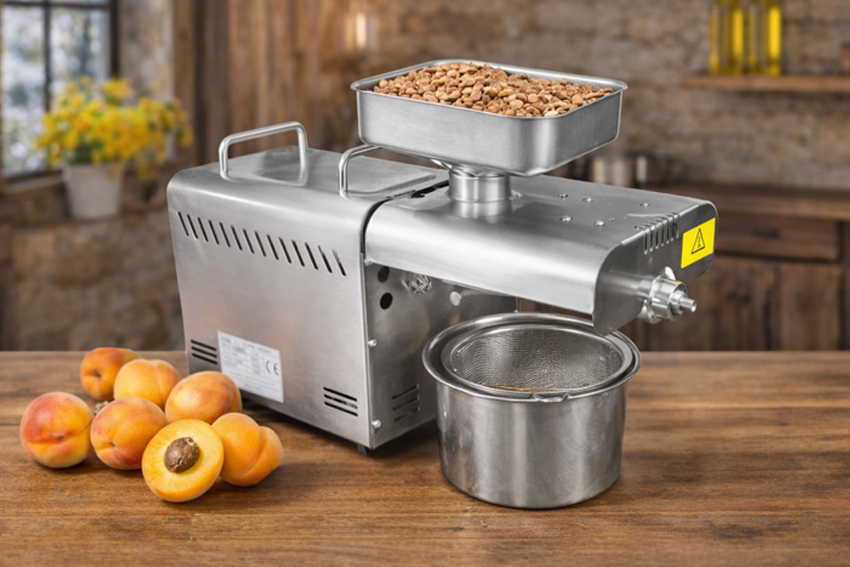
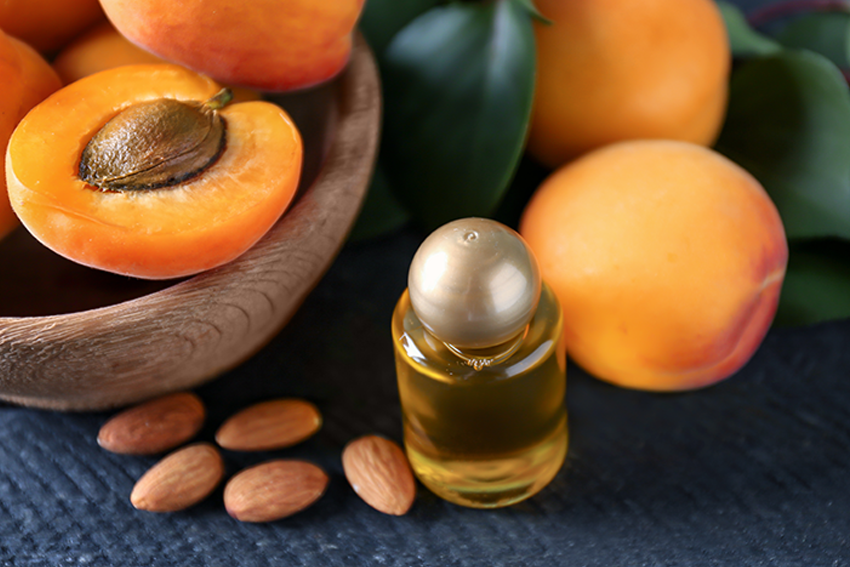
We often don't appreciate pits from apricots, peaches, or plums, and that's a shame. In summer, when processing fruits into preserves, it's worth setting aside pits, crushing them, and collecting seeds. Apricot kernel oil has a delicate, almond aroma and is valued in the production of natural cosmetics. However, it requires a large amount of raw material – from kilograms of fruit we'll get only a few dozen grams of seeds.
Summer Challenges in Oil Production
The main challenge of summer pressing is temperature control. At air temperatures reaching thirty degrees Celsius, keeping oil below forty degrees during cold pressing becomes a real challenge. This requires thoughtful work organization – pressing in the early morning hours or evening, when the temperature drops.
Air conditioning the work room is an ideal solution, but not available to everyone. An alternative can be a good ventilation system that ensures air circulation and removal of heat generated by the press. It's also worth considering taking breaks in pressing so the press can cool down, especially during longer work sessions.
Storing freshly pressed oil in summer requires special attention. High temperature accelerates oxidative processes that lead to oil rancidity. Immediate pouring of oil into dark bottles and cooling in the refrigerator is necessary. Oils pressed in summer should be consumed quickly, preferably within a few weeks of production.
Raw materials stored in summer also require increased attention. Air humidity and high temperatures favor mold growth and pest multiplication. Regular checking, ventilation, possible seed transfer are necessary actions. It's worth considering storing the smallest amounts of raw materials in summer and increasing supplies in autumn.
Using Summer Oils
Summer oils from fresh raw materials work best immediately in the kitchen. Watermelon seed oil is a fresh addition to summer salads, ideally combining with tomatoes, feta, and fresh basil. Its delicate taste doesn't dominate other ingredients while enriching the dish with valuable nutrients.
Sunflower oil pressed in summer from freshly harvested seeds has exceptional freshness and taste intensity. This is an ideal moment to prepare a larger batch of oil flavored with fresh herbs – basil, rosemary, thyme, or oregano. Such oils are excellent additions to grilled vegetables or as a base for summer sauces and marinades.
Summer oils are also worth using in home natural cosmetics. Grape seed or peach kernel oil is an excellent base for creams and balms for summer evenings. Their light consistency and fast absorption make them ideal for skin exposed to sun and chlorinated pool water.
Autumn – Harvest and Storage Season
Time of Great Processing
September is the beginning of the most intensive period for every oil mill. Sunflower harvests begin, and fresh seeds go directly from fields to processing. This is the moment when raw material quality is highest and moisture optimal for pressing. Autumn sunflower pressing is a tradition that has continued uninterrupted for generations in many farms.
October brings harvests of winter rapeseed and pumpkin seeds. These are raw materials that require careful preparation but reward with high oil yield and excellent taste. Pumpkin seeds after extraction from fruits must be thoroughly washed and dried. The drying process can take several days, but properly prepared seeds will retain their properties for many months.
November is the month of finalizing autumn harvests and preparing for winter. All collected raw materials should already be properly prepared, dried, and stored in appropriate conditions. It's also a good time for intensive pressing before the holiday period – homemade oil is an excellent gift for family and friends.
Preparing Raw Materials for Winter
A key element of autumn work is proper preparation of raw materials for long-term storage. Seed moisture should not exceed ten percent, which ensures stability throughout winter. Seeds that are too moist will mold, seeds that are too dry may lose quality and be more difficult to press.
Seed drying is a process requiring patience and appropriate conditions. Dryers with forced air circulation work best, where we can control temperature and humidity. Drying temperature should not exceed forty-five degrees Celsius for seeds intended for cold pressing, to preserve all valuable ingredients.
Storing prepared raw materials requires appropriate conditions. Ideal is a dry, airy room with a temperature of ten to fifteen degrees Celsius. Seeds should be stored in sealed containers that protect against moisture and pest access. Paper or cloth bags are a better solution than plastic ones because they allow seeds to breathe.
Planning Oil Production for the Holidays
December is the month when many people seek unique, high-quality products for holiday gifts. Homemade oil is a proposition that always impresses – it shows care, commitment, and offers something truly special. So it's worth planning production well in advance.
Holiday oils can be enriched with natural additives that give them a unique character. Rapeseed oil with dried hawthorn or sea buckthorn berries, sunflower oil with roasted nuts, flaxseed oil with chia seeds – these are just some ideas for holiday compositions. It's important that additives are properly prepared and don't negatively affect oil durability.
Packaging holiday oils is a separate art. Dark glass bottles protect oil from light, which accelerates the oxidation process. Aesthetic labels with information about oil type, pressing date, and storage method give the product a professional character. Additional gift packaging – wooden boxes or wicker baskets – emphasizes the gift's uniqueness.
Practical Pressing Calendar – Month by Month
January is the month of intensive work with stored raw materials. We press mainly sunflower and rapeseed in large quantities, using cool conditions to produce oil supplies. This is a good time for experiments with different seeds and recipes. Evenings at the press are time for calmly perfecting technique and getting to know your equipment's possibilities.
February focuses on flax and pumpkin seeds. Fresh flaxseed oil is an ideal product for late winter, supporting immunity and providing valuable omega-3 fatty acids. Pumpkin seeds give thick, aromatic oil that is particularly valued by men. This is also the month when it's worth thinking about equipment maintenance and possible replacement of worn parts.
March is a transitional period when we combine winter pressing with preparations for the spring season. We use the last supplies of winter raw materials while planning purchases of fresh seeds for the coming months. This is a good time for thorough press cleaning and preparing it for work in higher temperatures.
April brings the first spring cleaning. We thoroughly clean the warehouse, check supply status, throw away everything that might have spoiled during winter. Pressing in April focuses on light oils – flax, sunflower, possibly sesame. This is also a good time to prepare oils macerated with fresh spring herbs.
May is the last month of intensive use of stored supplies. Temperature rises, so it's worth processing everything left from autumn harvests. At the same time, we start planning purchases of fresh raw materials for summer. This is also a good time to prepare cooling installation or at least a good ventilation system for the coming heat.
June closes the first half of the year and usually stored raw material also ends. In the second half of June, the first early rapeseed varieties begin to appear, though the main harvests are still ahead. This is a transitional month when oil production is lower, and we can focus on preparations for the autumn season.
July brings summer specialties – watermelon seeds, melon, fresh seeds from early crops. Production takes place during cooler parts of the day, with special emphasis on temperature control. Oils produced in summer are used immediately, avoiding longer storage. This is also a good time for experiments with unusual seasonal raw materials.
August continues the summer pressing rhythm. The first fresh sunflower seeds from the earliest crops appear. This is the highest quality raw material worth using immediately for premium oil production. At the same time, we collect and prepare pits from processed fruits – apricots, peaches, plums.
September is the beginning of the peak season. Mass sunflower harvests mean availability of fresh raw material at an excellent price. This is the moment for intensive pressing and creating supplies for winter. Fresh sunflower seeds, pressed right after harvests and proper preparation, give the highest quality oil. Simultaneously we harvest flax, if we grow it ourselves or buy from local farmers.
October continues intensive production. Pumpkin seeds from autumn harvests join sunflower. This is a raw material requiring careful preparation, but the effect is worth it. Pumpkin seed oil is a seasonal product that fits perfectly into the autumn menu. At the same time, we finish rapeseed harvests and prepare seeds for storage.
November is the month of finalizing all autumn work. All raw materials should already be properly prepared and secured for winter. Oil production slows but doesn't stop – we use already prepared supplies for current production. This is also time for balance – how much raw material we have, how much oil we'll produce, what are plans for winter.
December combines regular pressing with holiday preparations. We produce oils for gifts, pack them in nice bottles, prepare labels. At the same time, we plan the next year – what raw materials we'll press, what equipment investments are needed, how to develop our small oil mill. This is also a moment for summarizing the past year and drawing conclusions for the future.
Raw Material Storage – Key to Year-Round Production
How to Store Oilseeds
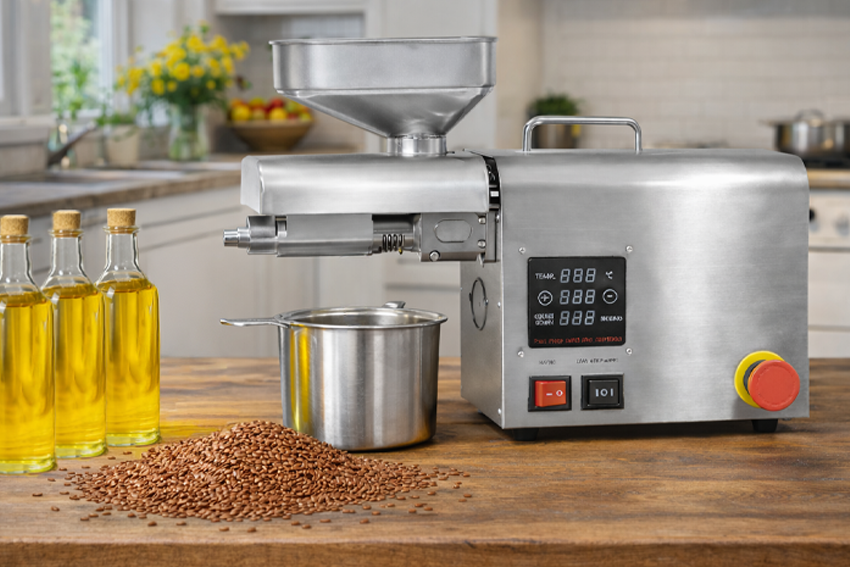
The basis of successful storage is proper seed preparation right after harvest. Moisture is a key parameter – oilseeds should have moisture at the level of seven to ten percent. Seeds that are too moist will mold, mycotoxins dangerous to health may develop in them. Seeds that are too dry lose elasticity and may crack during pressing.
Storage containers should be sealed but at the same time allow minimal air exchange. Wooden boxes lined with paper or jute bags work excellently. Plastic containers are less suitable because they don't allow seeds to breathe, which can lead to mold formation. Each container should be clearly marked – seed type, harvest date, possibly origin.
Storage temperature should be stable and low. Ideal conditions are ten to fifteen degrees Celsius. Higher temperatures accelerate seed aging processes and can lead to fat rancidity even before pressing. Lower temperatures are safe but may complicate pressing itself – seeds that are too cold will need to be warmed for a long time before starting work.
Light is the enemy of stored seeds. The storage room should be dark or at least semi-dark. Seeds containing many unsaturated fatty acids, like flax or pumpkin seeds, are particularly sensitive to light. Even short, regular exposure to sunlight can significantly reduce raw material quality.
Moisture and Temperature Control
Regular checking of storage conditions is the basis for maintaining raw material quality. It's worth investing in a simple thermometer and hygrometer that will allow monitoring warehouse conditions on an ongoing basis. Air humidity in the warehouse should not exceed sixty percent. Higher humidity favors mold growth and can lead to increased moisture of the seeds themselves.
Ventilation is a key element of successful storage. The room must be airy but at the same time protected against pests. Fine mesh on windows or ventilation openings is a simple way to ensure air circulation without risk of rodent or insect invasion. Regular ventilation, especially on cool, dry days, helps maintain appropriate humidity.
Seed condition checking should occur regularly, at least once a month. We check smell – any foreign, unpleasant smell is a warning signal. We check moisture manually – seeds should be dry to the touch, not sticky or moist. We check appearance – any discoloration, appearance of white coating, or color change is a sign that something is wrong.
If we notice storage problems, we must act quickly. Excessively moist seeds should be immediately dried, preferably in a dryer with forced air circulation. Seeds attacked by mold or pests must be absolutely thrown away – they're not suitable for pressing oil intended for consumption. It's not worth risking health for a few kilograms of raw material.
Choosing a Press for Seasonal Pressing
Year-round oil pressing requires appropriate equipment that can handle diverse raw materials and variable working conditions. A semi-industrial oil press with capacity of fifteen to twenty kilograms per hour is an ideal solution for agritourism farms, small oil mills, or ambitious hobbyists who take pressing seriously.
Such a press combines the advantages of home and industrial equipment. It's compact enough to fit in a standard utility room, doesn't require special installations or electrical power. At the same time, its efficiency allows processing significant amounts of raw material – twenty kilograms per hour means the possibility of producing several liters of oil daily, which with regular work translates to hundreds of liters annually.
The ability to press both cold and hot is crucial. Winter hot pressing of rapeseed, at temperatures up to two hundred and fifty degrees Celsius, requires an efficient heater and well-insulated pressing chamber. Summer cold pressing of delicate flax, on the other hand, requires the ability to control temperature and not overheat the raw material. A good press must offer both options.
A set of two interchangeable screws is a solution that significantly expands pressing possibilities. Different raw materials require different degrees of grinding and pressure. Hulled sunflower presses differently than hard sesame seeds, pumpkin seeds have different properties than soft flax. The ability to quickly exchange screws allows optimal adjustment of the press to the currently processed raw material.
Capacity of fifteen to twenty kilograms per hour is also an economic issue. With such capabilities, we can not only satisfy our own needs but also sell oil surpluses to neighbors, friends, or at local markets. This changes a hobby into an additional source of income while allowing us to share a valuable product with others.
Stainless steel construction is a guarantee of hygiene and durability. Elements in contact with raw material made of 304 and 420 stainless steel are corrosion-resistant, easy to clean, and safe for health. A press weighing fifty-three kilograms is stable enough to work without vibrations while not being so heavy that it can't be moved or transported.
Hopper capacity at the level of four to five kilograms is an optimal solution for medium pressing sessions. You don't have to constantly add seeds, but at the same time you don't force yourself to process huge quantities at once. You can calmly press a batch of oil for a week or two without devoting the whole day to press operation.
Motor power of one and a half kilowatts is sufficient power reserve for processing even the hardest raw materials. At the same time, it's not energy requiring special installations – a standard two hundred and thirty volt socket is enough. This is important for people who want to press in different places – at home, in the basement, in a utility room.
The semi-industrial oil press with 15-20 kg/h capacity available at https://www.pureoilpress.com/en/product/semi-industrial-oil-press-15-20-kgh is a solution proven by hundreds of users. For the price of €2,520, we get equipment that will serve for years, enabling high-quality oil production throughout the year. Compact dimensions of 70 x 30 x 74 cm allow free placement of the press even in a small room, and 230V power supply doesn't require additional installations.
Frequently Asked Questions
Can All Oilseeds Be Pressed Year-Round?
Theoretically yes, but practically seasonality has enormous significance for final product quality. Sunflower or rapeseed seeds, properly stored, retain their properties for many months and can be pressed in winter as effectively as in autumn right after harvest. However, flaxseeds or pumpkin seeds are more demanding and their quality drops after several months of storage.
The problem lies in the content of unsaturated fatty acids, which over time undergo oxidative processes. Flax is particularly sensitive due to very high content of alpha-linolenic acid. Even under ideal storage conditions, after six months the quality of flaxseeds is already noticeably lower than right after harvest. That's why flax is worth pressing in winter and early spring, using seeds harvested in autumn.
Nuts behave differently depending on type. Walnuts, due to high fat content, become rancid fairly quickly and are best pressed within three months of harvest. Hazelnuts are more durable and can lie for half a year without significant quality loss. Almonds, especially roasted, store very well and can be pressed practically year-round.
Pits from seasonal fruits are best pressed immediately after harvest and preparation. Watermelon or melon seeds require very careful cleaning and drying, and after preparation should be processed within a few weeks. Attempts at longer storage rarely succeed due to their delicate structure and tendency to mold.
What Is the Optimal Pressing Temperature for Different Seasons?
Cold pressing, which preserves all valuable ingredients, should not exceed forty degrees Celsius. In winter, at room temperature of about twenty degrees, this is relatively easy to achieve. The press heats up, but heat exchange with surroundings is efficient enough that oil temperature doesn't rise excessively.
In summer, the situation complicates significantly. At air temperatures of thirty degrees and more, the environment itself almost reaches the target oil temperature. The press additionally generates heat during work, which in practice means that without additional cooling it's difficult to keep oil below forty degrees. That's why summer cold pressing requires work in early morning hours or evenings, possibly air conditioning the room.
Hot pressing is a completely different situation. Here the goal is heating the pressing chamber to a temperature of one hundred and twenty to two hundred degrees Celsius. In winter, this is easier to achieve and maintain. Thermal insulation of the press and a five hundred watt heater are enough to quickly reach the appropriate temperature and maintain it during the entire process.
In summer, hot pressing can be somewhat faster because ambient temperature is already elevated. However, the difference isn't as significant as might seem. The pressing chamber must reach a temperature much higher than surroundings, so thirty degrees air versus twenty is only a slight time advantage in warming up the press.
Do Summer Oils Differ from Winter Ones?
Definitely yes, though differences aren't always obvious to a non-professional user. Oil pressed in winter from sunflower harvested in autumn and properly stored will have a slightly different taste-aroma profile than oil from the same raw material pressed in spring. Storage changes seed structure, which translates to the final product.
Summer oils from fresh, seasonal raw materials have unique freshness. Watermelon seed oil pressed in July, right after raw material preparation, has more intense aroma and taste than attempts to press archived seeds in winter. This freshness isn't just a matter of taste – it's also higher content of vitamins and antioxidants, which degrade over time.
Pressing temperature also affects oil profile. Winter cold pressing, where it's easier to maintain low temperature, gives oil with more delicate taste and lighter color. Summer pressing, even when we try to maintain low temperature, often results in slightly darker oil with more intense aroma due to difficulties in thermal control.
Oil durability also differs depending on production season. Oil produced in winter, stored in cool conditions, will maintain freshness much longer than oil pressed in summer heat. High temperature of production and initial storage activates oxidative processes that will continue even after oil cooling.
How Long Can Raw Materials from Autumn Harvests Be Stored?
The answer depends on raw material type and storage conditions. Hulled sunflower, the most popular oil raw material, can be safely stored for eight to ten months in appropriate conditions. This means that seeds harvested in September will still be good quality in May or June of the following year.
Rapeseed is even more durable. Properly prepared and stored rapeseed can lie even twelve months without significant quality loss. It's a raw material relatively resistant to storage conditions, which makes it ideal for year-round oil production. The only threat is pest development, which very readily attacks rapeseed.
Flax is already much more capricious. Maximum six months in ideal conditions is the limit after which quality begins to noticeably decline. Flaxseeds harvested in September should be used no later than March. After this time, though pressing is still possible, oil will have lower quality and shortened durability.
Pumpkin seeds behave similarly to flax. Six months is a realistic maximum after which quality drops enough that pressing ceases to be profitable. Pumpkin seeds are particularly sensitive to moisture and mold very quickly with the slightest violation of storage conditions. Nuts constitute a separate category. Walnuts are relatively delicate and should be used within three to four months. Hazelnuts are more durable – six months in a cool warehouse is no problem. Almonds, especially in shells, can lie even a year without significant quality loss, which makes them an excellent raw material for reserve storage.
Is It Worth Pressing Different Seeds in the Same Period?
Yes, this is even recommended for several reasons. First of all, different seeds offer different taste and nutritional profiles. Rotation of raw materials allows continuous provision of diversified nutrients to the organism. In winter we can alternately press sunflower, flax, and pumpkin seeds, ensuring a broad spectrum of fatty acids and vitamins.
From a practical point of view, pressing different seeds in one period allows better use of the press. Some seeds require breaks in pressing for the press to cool or be cleaned. During this time we can prepare other raw material and continue work with different material. This significantly increases time use efficiency.
Economically it also makes sense. Different seeds have different prices and seasonal availability fluctuations. The ability to press what's currently available at a good price and quality allows optimizing production costs. In winter, when sunflower is cheap and widely available, we can press it in larger quantities while simultaneously producing smaller batches of more exclusive oils.
The only challenge is the necessity of thorough press cleaning when changing raw materials. This is particularly important when transitioning from very aromatic seeds like sesame or pumpkin seeds to neutral ones like sunflower. Remains of the previous raw material can affect the taste of the next oil batch. However, this is a matter of several minutes of additional work, which is fully justified by the benefits of diverse pressing.
How Does Seasonality Affect Oil Production Profitability?
Seasonality has enormous impact on small oil mill economics. In autumn, directly after harvests, raw material prices are lowest. Sunflower or rapeseed bought in September can cost even thirty to forty percent less than the same raw material in spring when supplies shrink. For someone producing hundreds of liters of oil annually, this is a difference counted in thousands.
Winter production has another economic advantage – lower energy costs for cooling. In summer, to maintain appropriate cold pressing temperature, we often need air conditioning or at least intensive ventilation. These are additional electricity costs. In winter, surroundings naturally cool the press and oil, which significantly reduces operating costs.
Seasonal availability of fresh, local raw materials is also savings on transport. Buying sunflower seeds directly from a neighboring farm in September is not only a lower price but also zero delivery cost. Later purchases often require longer trips to wholesalers or warehouses, which raises the final raw material cost.
On the other hand, production of oils from fresh, seasonal raw materials allows demanding higher prices. Watermelon seed oil in July is a rare product for which customers are willing to pay significantly more than for standard sunflower oil. Seasonality then becomes a marketing advantage – limited availability raises perceived product value.
Planning in accordance with seasonality also allows better distribution of work over time. Instead of chaotic pressing whenever there's a moment, we have a thoughtful schedule. Winter is time for intensive production, summer for experiments with seasonal specialties, autumn for harvest processing. Such rhythm is healthier, more balanced, and ultimately more productive.
Will a Semi-Industrial Press Work for Year-Round Production?
Yes, a semi-industrial press with capacity of fifteen to twenty kilograms per hour is an optimal solution for year-round oil production. Its key advantage is versatility – the ability to press both cold and hot, which allows processing all popular raw materials regardless of season. In winter it handles rapeseed pressed hot perfectly, in summer delicate flax cold.
Capacity at the level of fifteen to twenty kilograms per hour is an ideal compromise between home and industrial production. It allows producing significant amounts of oil without the need to devote entire days to press work. Two hours of daily pressing is the possibility of processing thirty to forty kilograms of raw material, which gives several liters of high-quality oil.
Construction from stainless steel 304 and 420 guarantees durability through years of intensive work. Stainless steel doesn't rust, is easy to clean, and doesn't enter into chemical reactions with pressed oil. This is particularly important with frequent raw material changes – you can quickly clean the press and move to pressing a different type of seed without risk of taste contamination.
Two interchangeable screws are a solution that significantly expands seasonal production possibilities. We can adjust the press to the specifics of different raw materials – from hard sesame seeds to soft watermelon seeds. This is flexibility that is essential in year-round production, where we regularly change processed materials depending on availability and goals.
Summary
Planning oil pressing in harmony with nature's natural calendar is the path to better quality, greater efficiency, and true production satisfaction. Each season brings its challenges but also unique opportunities. Peaceful winter pressing at low temperatures, spring experiments with first fresh raw materials, summer seasonal rarities, and autumn's great harvest processing create a complete cycle that can last for years, bringing not only valuable oil but also deep satisfaction from participating in nature's eternal rhythms.